

Introduction to Cashiers Golf
The mountain town of Cashiers sits at 3,486 feet elevation in Western North Carolina’s Blue Ridge Mountains, creating a natural sanctuary for golf that feels worlds away from the flatland courses most players know. When summer heat makes lowland golf unbearable, Cashiers temperatures hover in the comfortable 70s and 80s, with cool mountain mornings that beg for an early tee time.
This isn’t golf as distraction. This is golf as it was meant to be played, where natural terrain dictates shot selection, where elevation changes force you to recalculate every approach, and where the scenery between shots rivals anything you’ll experience on the course itself. The Cashiers plateau hosts some of the most exclusive and challenging golf courses in the Southeast, from Wade Hampton’s hallowed grounds to Burlingame Country Club’s Tom Jackson-designed championship course just minutes away in neighboring Sapphire Valley.
Why Cashiers is a Premier Mountain Golf Destination
Geographic and climate advantages here aren’t marketing talk. They’re real factors that change how you play and how you feel after 18 holes.
The elevation means cooler temperatures year-round. While courses three hours south bake under 95-degree heat in July and August, Cashiers courses rarely break 85. Your body doesn’t fatigue as quickly. You think more clearly through the back nine. The ball flight changes too, carrying slightly farther in the thinner air, though nothing as dramatic as Colorado golf.
Water defines this landscape. The Cashiers area receives abundant rainfall, keeping courses emerald green even during dry spells that brown out courses in the Carolinas’ piedmont regions. Natural creeks, streams, and waterfalls thread through several courses, creating both beauty and hazard. The Horsepasture River, which flows through Burlingame’s layout, represents one of the most pristine trout waters in the region.
The golf season runs longer than you’d expect at this elevation. Courses typically open in late March or early April, stay playable through October, and sometimes stretch into early November during warm falls. Peak season hits June through September when second-home owners and summer visitors fill tee sheets. Spring and fall offer quieter rounds and arguably better golf, especially late September through mid-October when the mountains explode in color.
Public Golf Courses in Cashiers Area
True public golf in Cashiers proper is limited. The area developed around private clubs catering to property owners and members. But within a short drive, accessible options exist.
Sapphire National Golf Club
Located just 10 minutes from Cashiers, Sapphire National represents the primary public access option in the immediate area. This 18-hole course plays 6,902 yards from the tips across mountain terrain that rises and falls with the natural topography. Rees Jones designed the layout, carving holes through forest and around natural wetlands.
The course features wide fairways that reward aggressive drives but punishes misses with mountain rough that can swallow golf balls whole. Greens run true but can be tricky to read with subtle breaks that follow the mountain’s grain. The back nine opens up more than the front, with several holes offering long mountain views.
Sapphire National welcomes daily-fee players with advance reservations. Peak season rates run higher than you’d pay at public courses in the Carolinas’ lower elevations, reflecting both the maintenance costs of mountain golf and the market demand. The pro shop, practice facilities, and on-site dining provide everything you need for a complete golf day.
High Hampton Inn Golf Course
Located near Cashiers on the grounds of the historic High Hampton Inn, this nine-hole course dates back to the 1920s and offers a completely different golf experience than modern championship layouts. The course plays shorter, with a relaxed pace and old-school charm that appeals to traditionalists.
High Hampton prioritizes playability and enjoyment over difficulty. The holes meander through mature trees, around the inn’s lakefront, and across gently rolling terrain. It’s not championship golf, but it’s golf the way it was played a century ago before earth-moving equipment allowed designers to reshape entire mountainsides. Some holes repeat for 18-hole rounds.
Access policies tie to the resort’s lodging packages, though some limited public play may be available depending on the season. Contact the resort directly for current policies and rates.
Private Golf Clubs in Cashiers
The private clubs in Cashiers represent some of the most exclusive and highly-regarded courses in American golf. These clubs were purpose-built for privacy, maintained to exacting standards, and designed by architects at the peak of their craft.
Wade Hampton Golf Club
If Cashiers has a holy grail of golf, Wade Hampton is it. Tom Fazio designed the course in 1987, and it consistently ranks among the top 20 courses in the United States by major golf publications. The course follows Chinquapin Mountain’s contours at elevations ranging from 3,000 to 3,600 feet.
Wade Hampton features target golf through corridors of mountain laurel and hardwoods, with holes that drop 200 feet downhill and climb back up mountainsides. The 15th hole, in particular, stands as one of the most photographed par 3s in golf, playing across a chasm to a green perched against the mountain face.
Membership is by invitation only. Guest access requires accompaniment by a member. There’s no public play. No resort privileges. No stay-and-play packages. This is private golf in its purest form, maintained for members who value exclusivity and course conditions above all else.
Cullasaja Club
Located at 4,100 feet elevation, Cullasaja Club represents the highest golf course in North Carolina and among the highest in the eastern United States. Jack Nicklaus designed the layout, taking advantage of the extreme elevation changes to create golf holes unlike anything else in the region.
The signature hole, the par-3 8th, plays 235 yards downhill to a green some 150 feet below the tee box. Tee shots literally disappear into the valley below before reappearing on the putting surface. Other holes climb uphill through forest so thick that errant shots vanish in the undergrowth.
Cullasaja operates as a member-owned club with a limited membership base. Like Wade Hampton, guest access requires member accompaniment. The club culture emphasizes serious golf played on a serious course that doesn’t compromise difficulty for resort-style fun.
High Hampton Country Club
Not to be confused with the inn’s nine-hole course, High Hampton Country Club operates separately as a private membership club. The 18-hole layout plays more gently than either Wade Hampton or Cullasaja, with wider fairways and more forgiving rough.
The course appeals to families and players who want mountain golf without the extreme challenges of the area’s most difficult layouts. It’s still quality golf, still beautifully maintained, but designed more for enjoyment than intimidation.
Membership includes property ownership requirements in many cases. Limited guest play may be available through member invitation.
Trillium Links & Lake Club
Trillium represents newer development in the Cashiers area, built in the early 2000s. The Tom Jackson-designed course features less extreme elevation change than Wade Hampton or Cullasaja, with holes that flow across ridge tops and around natural wetlands.
The club includes both golf and lake amenities, appealing to families who want water sports alongside their golf. Membership ties to property ownership within the development, with several categories based on usage patterns and amenity access.
Semi-Private Options
Between fully public courses and completely private clubs, some Cashiers-area facilities offer limited public access through stay-and-play packages or by paying premium daily fees.
These arrangements change based on member demand and seasonal usage. High season typically restricts public access as member play fills tee sheets. Shoulder seasons, particularly April-May and October-November, often see expanded public access opportunities.
Burlingame Country Club in nearby Sapphire Valley, while primarily member-focused, occasionally accommodates resort guests and visitors through coordinated arrangements. The club’s 18-hole championship course, designed by Tom Jackson, plays between 3,000 and 3,500 feet elevation across 1,450 acres of mountain forest. The Horsepasture River threads through multiple holes, creating both scenic beauty and strategic challenge.
Contact individual clubs directly about guest policies, as these arrangements rarely appear on websites and change based on member needs and club policies.
Golf Course Comparison Matrix

Understanding the differences between Cashiers-area courses helps match your game and preferences to the right venue:
Wade Hampton Golf Club
- Par: 72
- Yardage: 7,265 yards (championship tees)
- Designer: Tom Fazio
- Elevation: 3,000-3,600 feet
- Difficulty: Championship level, among top 20 U.S. courses
- Access: Members and member guests only
- Green Fees: N/A (private members only)
- Notable Features: Extreme elevation changes, mountain laurel corridors, signature downhill par 3s
Cullasaja Club
- Par: 72
- Yardage: 7,080 yards (championship tees)
- Designer: Jack Nicklaus
- Elevation: 4,100 feet (highest in NC)
- Difficulty: Championship level, severe elevation changes
- Access: Members and member guests only
- Green Fees: N/A (private members only)
- Notable Features: 150-foot elevation drop on par-3 8th hole, mountain top routing
Sapphire National Golf Club
- Par: 72
- Yardage: 6,902 yards (championship tees)
- Designer: Rees Jones
- Elevation: 3,100-3,300 feet
- Difficulty: Resort championship level, playable for mid-handicappers
- Access: Public daily fee
- Green Fees: $65-125 depending on season
- Notable Features: Wide fairways, natural wetlands, mountain views
High Hampton Inn Course
- Par: 35 (nine holes)
- Yardage: 2,906 yards (nine holes)
- Designer: Original 1920s design
- Elevation: 3,100 feet
- Difficulty: Beginner to intermediate friendly
- Access: Resort guests, limited public
- Green Fees: Included with resort packages
- Notable Features: Historic layout, lakefront holes, relaxed pace
Burlingame Country Club
- Par: 72
- Yardage: Varies by tee selection
- Designer: Tom Jackson
- Elevation: 3,000-3,500 feet
- Difficulty: Championship layout, strategic shot requirements
- Access: Members and limited guest play
- Green Fees: Contact for guest rates
- Notable Features: Horsepasture River corridors, old-growth forest, regulation croquet lawns, four Har-Tru tennis courts
Planning Your Cashiers Golf Trip
Accommodation Options Near Courses
The Cashiers area offers limited lodging compared to resort destinations like Pinehurst or Hilton Head. Most visitors stay in vacation rental homes, smaller inns, or drive from nearby Highlands or Sapphire Valley.
High Hampton Resort provides the most comprehensive stay-and-play option, with historic inn lodging, multiple dining venues, and direct course access. The property includes the nine-hole course, lake activities, and hiking trails, creating a complete mountain resort experience.
Vacation rental homes through local property management companies provide more space for golf groups, often with better access to multiple courses through strategic location selection. Many rental properties sit within or near private golf communities, offering potential member-referral opportunities for course access.
Sapphire Valley, just 10 minutes from Cashiers, includes multiple lodging options with proximity to both Sapphire National and Burlingame Country Club’s facilities. The valley’s lower elevation provides slightly warmer temperatures and often clearer weather when higher elevations experience fog or rain.
Multi-Course Packages
Traditional golf packages don’t exist in Cashiers like they do at purpose-built golf resorts. The area developed organically around private clubs rather than as a coordinated golf destination. This means playing multiple courses requires individual arrangements rather than booking through a central reservations system.
Working with a local golf travel specialist or property management company can help coordinate access to multiple courses, especially if trying to arrange guest play at private clubs through member connections. These specialists maintain relationships that individual travelers can’t easily establish.
Realistic expectations matter. Don’t plan a trip assuming you’ll play Wade Hampton or Cullasaja without confirmed member access before arrival. Build your itinerary around guaranteed public access courses, then consider private club opportunities as potential bonuses if connections develop.
Transportation and Logistics
Cashiers sits roughly 60 miles from the nearest commercial airport in Asheville, North Carolina. The drive takes 90 minutes on mountain roads that wind through Balsam Gap and down into the Cashiers valley. Flying into Greenville-Spartanburg, South Carolina or Atlanta provides alternative airport options, each about two hours away.
Rental car is essential. Public transportation doesn’t exist. Uber and Lyft availability is sporadic at best. The distances between courses, lodging, and dining options require your own vehicle.
Mountain driving requires attention and respect. Roads between Cashiers and Sapphire Valley, or from Cashiers to Highlands, climb and descend through tight switchbacks. Afternoon thunderstorms can reduce visibility. Fall leaf-peepers create traffic bottlenecks during October weekends.
Weather Considerations
Mountain weather changes faster than lowland weather. Mornings might start clear and cool, then clouds roll in by afternoon bringing thunderstorms that clear out by evening. Cashiers receives more rainfall than most of the Southeast, keeping courses green but sometimes forcing weather delays.
Summer thunderstorms typically develop between 2-4 PM. Book morning tee times when possible to play ahead of weather. The storms usually move through quickly, leaving clean, cooler air behind.
Fall provides the most stable weather patterns, with high pressure systems bringing clear skies and comfortable temperatures for days at a time. This combines with peak fall color to create the region’s prime golf season, though October weekend tee times book months in advance.
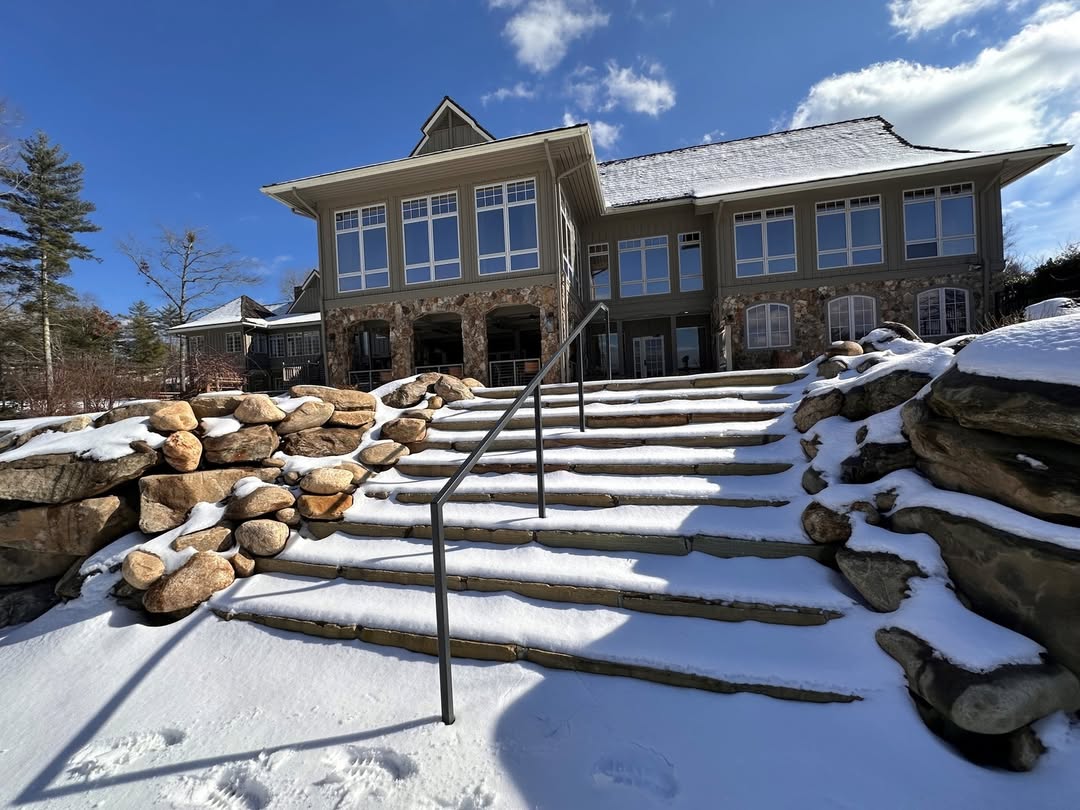
Winter golf is possible but unpredictable. Courses may play beautifully one week, then close for several days when winter storms drop snow or freezing rain at these elevations. Don’t plan a winter golf trip without flexible dates and backup plans.
Seasonal Golf in Cashiers
Spring Conditions (April-May)
Courses wake slowly from winter dormancy. Early April rounds might find fairways just greening up, with Bermuda grass still brown in shaded areas. But by late April and into May, mountain golf hits its stride with moderate temperatures, blooming dogwoods and azaleas, and uncrowded tee sheets.
Spring fishing season coincides with golf season. Many Cashiers visitors combine morning golf rounds with afternoon fly fishing in area trout streams. Burlingame’s fly fishing access along the Horsepasture River provides this dual opportunity without leaving the property.
Afternoon temperatures rarely exceed 75 degrees in April, warming to the low 80s by May. Mornings can be cool enough for light jackets, especially on early tee times. The mountains haven’t fully leafed out yet, providing longer sight lines through forests and opening up distant views that summer foliage later blocks.
Peak Summer Season (June-August)
This is when Cashiers golf is most crowded and most expensive. Second-home owners fill the plateau, resorts operate at capacity, and tee sheets at both private clubs and public courses book solid. The tradeoff is reliable weather, warm temperatures, and courses in peak condition.
Member play at private clubs takes priority during summer months, restricting what little guest access existed during shoulder seasons. Focus summer golf plans on public options like Sapphire National or arrange confirmed private club access well in advance through member connections.
Afternoon thunderstorms happen frequently but usually clear within an hour. Morning rounds from 7-11 AM typically finish ahead of weather. The storms cool things down and settle the dust, making late-afternoon rounds pleasant after the front passes.
Fall Foliage Golf (September-October)
September starts quiet as families return to school and seasonal residents head home. Then in late September and through October, leaf season transforms the mountains into what golf photographers dream about. Fairways lined with sugar maples showing scarlet and gold, oaks turning bronze and crimson, mountain ridges painting themselves in layers of color receding to the horizon.
The golf is exceptional. Weather typically brings high-pressure systems that park over the mountains for days, creating crystal-clear blue skies and comfortable temperatures in the 60s and 70s. Course conditions remain excellent from summer’s growth. And tee sheets loosen up on weekdays, though peak color weekends in mid-October can be even busier than summer.
This is when serious mountain golfers come to play. The beauty is real, not marketing hyperbole. Every hole offers views that make you pause before hitting. The cool air and lower angle of autumn sunlight create mountain shadows that define the terrain’s contours. It’s golf as nature intended, before air conditioning made summer golf tolerable anywhere.
Winter Possibilities
Winter Hiking in Western North Carolina Cold-Weather Trail Safety
Some courses close November through March. Others stay technically open but play sporadically based on weather. At 3,000+ feet elevation, winter means real cold, occasional snow, and extended periods when courses are simply unplayable.
But warm spells happen. A high-pressure system can bring 60-degree days in December or January, creating unexpected golf opportunities. Locals who live here year-round take advantage of these windows, often having entire courses to themselves.
Don’t plan dedicated winter golf trips to Cashiers. But if you’re in the area for other reasons and the weather cooperates, golf might be possible. The solitude of a winter mountain round, when it works, creates memories that crowded summer golf never matches.
Beyond Golf: Cashiers Activities
Mountain golf trips improve when golf isn’t the only activity. Cashiers offers enough variety to build complete mountain experiences.
Hiking and Waterfalls
The Cashiers-Highlands plateau contains some of the Southeast’s best waterfall hikes. Whitewater Falls, the highest cascade east of the Rockies, sits 15 minutes from Cashiers with boardwalk overlooks requiring minimal effort. Silver Run Falls drops 200 feet into a cool pool accessible via a moderate half-mile trail.
More challenging hikes climb to mountain balds, open meadows at high elevations offering 360-degree views. Burlingame’s miles of private hiking trails wind through 1,450 acres, connecting waterfalls, fishing streams, and old-growth forest.
Dining Scene
Cashiers dining focuses on comfort food with local ingredients rather than fine-dining formality. The Ugly Dog Pub serves lunch and dinner in a casual setting with mountain views. Canyon Kitchen offers upscale mountain cuisine with locally sourced meats and produce.
Burlingame’s six distinct dining venues include the Overlook Lounge, outdoor dining deck, and Elevation 3042 restaurant, each offering panoramic mountain views with menus drawing on seasonal ingredients and organic selections. The club’s wine society hosts regular tastings and multi-course dinners that pair culinary excellence with the mountain setting.
Shopping and Galleries
Cashiers’ downtown, though small, includes distinctive shops featuring mountain crafts, outdoor gear, and regional artwork. Several art galleries represent both local artisans and nationally recognized artists working in mountain themes.
The nearby town of Highlands, 10 miles away on winding mountain roads, offers more extensive shopping and gallery options. Highlands leans more upscale than Cashiers, with clothing boutiques, home goods stores, and fine art galleries lining Main Street.
Lake Activities
Lake Glenville and Lake Toxaway provide mountain lake experiences with kayaking, paddleboarding, and fishing. Both lakes maintain cooler temperatures than lowland lakes, offering refreshing swimming on hot summer afternoons.
The lake culture here differs from coastal or lowland lake communities. Boats run smaller, speeds stay modest, and the emphasis falls on quiet enjoyment rather than high-powered recreation. Several waterfalls flow directly into Lake Glenville, accessible only by boat, creating unique paddling destinations.
Frequently Asked Questions
What is the only public golf course in Cashiers?
Technically, no public golf course sits within Cashiers’ town limits. Sapphire National Golf Club, located 10 minutes away in Sapphire Valley, provides the nearest consistent public access. High Hampton Inn’s course offers limited public play primarily for resort guests. All other courses in the immediate area operate as private clubs requiring membership or member accompaniment.
How difficult are Cashiers golf courses?
Difficulty varies significantly by course. Wade Hampton and Cullasaja rank among the Southeast’s most challenging layouts, with severe elevation changes, tight fairways through mountain forest, and greens that test even single-digit handicappers. Sapphire National plays more resort-friendly while still demanding solid ball-striking and course management. High Hampton’s nine-hole course accommodates beginners and high-handicap players comfortably.
The mountain terrain itself adds difficulty beyond what course ratings indicate. Uphill and downhill shots play differently than flat golf. Thin air at 3,000+ feet elevation slightly increases distance. Uneven lies are common. Many players find mountain courses play 2-3 strokes harder than their handicap suggests.
Can I play private courses as a visitor?
Maybe, with significant advance planning and the right connections. Private courses don’t welcome unaccompanied public play. You need member accompaniment and often advance approval from the pro shop. Some members occasionally post guest availability through golf networking platforms or clubs may host limited visitor days.
Your best strategy involves working with local property management companies or golf travel specialists who maintain member relationships. Renting a property within a golf community sometimes provides reciprocal playing privileges through the homeowner’s access, though this varies by property and community.
Reality check: Don’t book a Cashiers golf trip assuming you’ll play Wade Hampton without confirmed member access. Build plans around guaranteed public courses, then view private club access as a potential bonus if opportunities develop.
What’s the elevation impact on my game?
At 3,000-3,500 feet elevation, you’ll notice slightly increased carry distance, roughly 5-10 yards on full shots. The ball flies a bit farther in thinner air and may roll more on firm mountain fairways. This isn’t Colorado golf where elevation dramatically changes club selection, but it’s enough to factor into approach shots.
More significantly, the terrain creates elevation changes within holes. A tee shot dropping 150 feet downhill plays dramatically longer than the yardage indicates. An approach climbing 50 feet uphill requires 1-2 extra clubs. Learning to factor these changes separates good mountain scoring from frustrated ball-striking.
The cool mountain air can feel deceptive. Your body works harder at elevation even in comfortable temperatures. Stay hydrated, pace yourself, and don’t be surprised if the back nine feels tougher than expected. Many players ride carts on mountain courses that they’d walk at sea level.
When is the best time to play Cashiers golf courses?
Late September through mid-October combines optimal weather, excellent course conditions, and spectacular fall color. Morning temperatures in the 50s warming to afternoon highs in the 60s and low 70s create perfect golf weather. Course maintenance has dialed in conditions through summer, and courses haven’t yet transitioned to winter dormancy.
May and early June offer good golf with fewer crowds than peak summer. Courses green up completely, weather warms enough for comfortable play, and tee times remain available even on short notice. Afternoon thunderstorms are less frequent than later summer months.
Avoid planning trips during peak summer (July-August) unless you have confirmed tee times or private club access. Member play fills private club sheets, and public courses book solid weeks in advance. Prices peak during these months as well.
Do Cashiers courses offer twilight or afternoon rates?
Policies vary by course and season. Public courses like Sapphire National typically offer reduced twilight rates for afternoon tee times, particularly during shoulder seasons when demand drops. Private clubs don’t typically publish special rates since member play determines availability.
During peak fall color season, twilight rates may not apply on weekends when demand exceeds supply even for afternoon times. Call individual courses directly for current rate structures and tee time policies.
What should I know about pace of play?
Mountain courses often play slower than lowland golf. Cart path requirements on steep terrain add time. Elevation changes and uneven lies slow shot execution. Private courses typically maintain 4-4.5 hour rounds, while public courses during busy periods may stretch to 5+ hours.
The culture generally accepts the slower pace. Mountain golf isn’t rushed golf. The scenery invites you to look around between shots. The temperature stays comfortable enough that waiting on tee boxes doesn’t test your patience like summer golf in South Carolina humidity.
Private clubs maintain stricter pace expectations than public courses. Wade Hampton and Cullasaja expect rounds completed in under 4.5 hours regardless of course difficulty. Public courses tend toward more relaxed pace requirements while still requesting reasonable efficiency.
Are walking rounds allowed?
Most mountain courses either require or strongly prefer carts due to elevation changes and distance between holes. Wade Hampton and Cullasaja don’t allow walking due to both terrain difficulty and insurance considerations. Sapphire National permits walking but most players opt for carts given the hilly layout.
High Hampton’s nine-hole course accommodates walkers comfortably with gentler terrain and shorter distances between greens and tees. Some early morning rounds at less crowded times might offer walking opportunities at other courses, but always call ahead to confirm policies.
What’s the typical dress code?
Private clubs maintain traditional golf attire requirements: collared shirts, no denim, soft spikes, and generally conservative clothing that respects the club environment. Wade Hampton and Cullasaja enforce strict dress codes extending beyond the golf course to clubhouse and dining areas.
Public courses like Sapphire National are more relaxed while still requesting appropriate golf attire. This generally means shirts with collars or sleeves, no cutoff shorts or swimwear, and soft-spike or spikeless golf shoes. The mountain setting doesn’t mean mountain casual necessarily applies to golf courses.
When in doubt, dress more formally. Bring an extra shirt if you’re coming from casual morning activities before your round. Being overdressed is never an issue, while underdressed can cost you the round.
Your Cashiers Golf Experience Awaits
Mastering Pickleball – 7 Game-Changing Tips and Tricks to Elevate Your Play
The mountains of Cashiers and the surrounding Sapphire Valley region represent mountain golf in its finest form. From the exclusive challenges of Wade Hampton to the accessible mountain beauty at Sapphire National, from championship tests at Cullasaja to the relaxed charm of High Hampton, golfers find courses matching every skill level and preference.
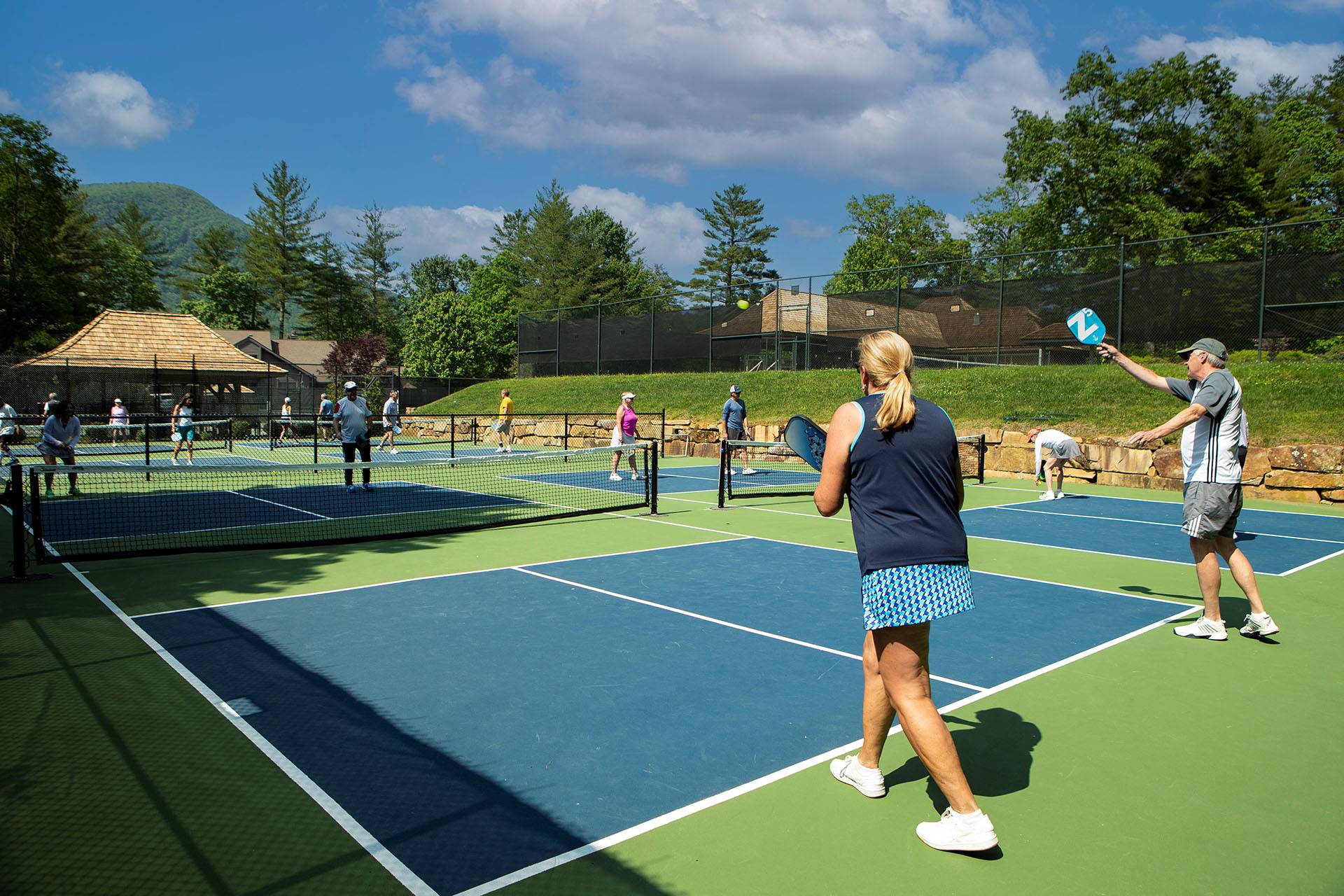
Burlingame Country Club offers another dimension of mountain golf, combining Tom Jackson’s strategic course design with comprehensive amenities including tennis, pickleball, croquet, spa and wellness facilities, and six dining venues. The club’s member-focused approach creates a community atmosphere where golf serves as one part of a complete mountain lifestyle rather than the sole focus.
Whether you’re seeking a single memorable round at one of the area’s public courses or considering membership in a mountain golf community, Cashiers golf delivers experiences that lowland courses simply cannot match. The combination of elevation, terrain, natural beauty, and course design creates golf that challenges your skills while rewarding your senses.
Your private adventure starts here in the mountains of Western North Carolina. Contact Membership Director Jennifer Webb at 828.966.9200 to learn more about Burlingame Country Club, schedule a personal tour, and discover why mountain golf in Cashiers and Sapphire Valley represents The Best of Times.