

Forest Hills Golf Club Overview
Forest Hills Golf Club sits on Augusta’s south side, roughly 10 minutes from downtown and 15 minutes from Augusta National Golf Club. The course occupies rolling piedmont terrain typical of Georgia’s fall line, where the coastal plain meets the Appalachian foothills. This geography creates enough elevation variation to make the layout interesting without the extreme changes found in mountain golf destinations like Burlingame Country Club’s Tom Jackson design at 3,000-3,500 feet elevation in North Carolina’s Blue Ridge Mountains.
Robert Trent Jones designed Forest Hills in 1926 during the early phase of his legendary career. The course predates many of Jones’ more famous designs like Spyglass Hill or Hazeltine, but it demonstrates the strategic principles that defined his work: wide fairways encouraging aggressive play, strategic bunker placement punishing wayward shots, water hazards creating risk-reward decisions, and large greens with subtle contours testing putting skills.
The course earned PGA Tour status when it hosted the Southeastern Open from 1958-1970. Champions during this period included Billy Casper, Doug Sanders, and Tommy Aaron, all respected tour professionals who validated Forest Hills’ championship credentials. While the tour moved on to other venues, the course’s tournament pedigree remains part of its identity and justifies its position among Augusta’s premier public facilities.
Forest Hills operates as a public daily-fee course welcoming all players regardless of membership status. This accessibility makes it popular with both locals seeking their regular course and visitors exploring Augusta golf beyond the exclusive grounds of Augusta National.
Course Statistics and Layout
Forest Hills plays 6,997 yards from the championship tees with a par of 72. The course rating sits at 73.5 with a slope rating of 131 from the tips, indicating a legitimate challenge for scratch golfers while remaining playable for mid-handicappers from appropriate tee boxes.
Four tee options accommodate different skill levels:
Championship Tees (Black): 6,997 yards, 73.5/131 Regular Tees (Blue): 6,463 yards, 71.2/126 Middle Tees (White): 5,974 yards, 68.9/120 Forward Tees (Red): 5,089 yards, 69.8/118
The layout divides into two nines with distinct character. The front nine plays through tighter tree corridors with more water hazards affecting strategy. The back nine opens slightly with wider fairways but introduces more demanding approach shots to elevated or angled greens.
Water comes into play on nine holes, though not always as forced carries. Several holes feature ponds or creeks flanking fairways or greens, creating strategic decisions about aggressive lines versus safer routes. The water hazards aren’t penal in the modern target-golf sense, but they punish poor execution and reward players who think through shot selection.
Bunkers appear strategically rather than decoratively. Jones positioned sand to catch common miss patterns, particularly on approach shots where greenside bunkers guard specific quadrants. The bunkering forces precision on approaches while leaving bail-out areas for players choosing conservative strategies.
Hole-by-Hole Breakdown and Strategy
Front Nine Analysis
Hole 1 – Par 4, 386 yards: The opening hole presents a gentle introduction with a slight dogleg right around mature pines. The fairway bunker on the right catches aggressive drives, while the left side offers safer landing areas. The green sits slightly elevated with bunkers front-left and right, favoring approach shots from the right side of the fairway.
Hole 2 – Par 4, 449 yards: Length defines this hole, playing as the #1 handicap. The tee shot must find the fairway to have any chance of reaching the green in regulation. A pond guards the left side of the green, creating pressure on approach shots. Players struggling with distance should consider laying back to a comfortable wedge distance rather than forcing long irons or hybrids toward the water.
Hole 3 – Par 3, 175 yards: The first par 3 plays over water to a large green with multiple pin positions. Front pins play shorter but require carrying the water all the way. Back pins add 15-20 yards and bring bunkers behind the green into play. Club selection matters more than perfect execution – taking enough club eliminates water while accepting the possibility of a long putt.
Hole 4 – Par 5, 510 yards: The shortest par 5 on the course tempts longer hitters to go for the green in two. The fairway narrows at driver distance, and trees on both sides punish wild misses. The green sits relatively open, but three bunkers guard the front. Most players should lay up to their favorite wedge distance for the best chance at birdie.
Hole 5 – Par 4, 400 yards: A dogleg left around trees creates options off the tee. Aggressive players can cut the corner over trees, but the risk-reward calculation rarely favors this line. The safer play down the right side leaves a longer approach but eliminates the big number from a blocked or lost tee shot.
Hole 6 – Par 4, 365 yards: Distance control matters more than length on this shorter par 4. Big hitters can reach the green with driver, but trees and bunkers surrounding the putting surface create trouble for anything offline. Most players benefit from laying back to a full wedge distance for better distance control into the tight green.
Hole 7 – Par 3, 195 yards: Water left and bunkers right frame this medium-length par 3. The green runs deep with significant slope from back to front. Back pins play much harder than front pins due to putting difficulty. Aim for the middle regardless of pin position and accept two-putt pars.
Hole 8 – Par 5, 555 yards: The longest hole on the course requires three solid shots for most players. Trees line both sides of the fairway, demanding accuracy on all three shots. The green sits elevated with bunkers guarding the front-right. This plays as a true three-shot par 5 where par represents a good score.
Hole 9 – Par 4, 420 yards: The closing hole of the front nine plays as a demanding par 4 with water down the right side from tee to green. The smart play favors the left side on both tee shot and approach, accepting longer distances over water risk. The green slopes back to front, making above-the-hole putts treacherous.
Back Nine Analysis
Hole 10 – Par 4, 390 yards: The back nine opens with a manageable par 4 featuring a wide fairway and relatively open green. This hole offers a scoring opportunity to start the inward nine on a positive note. The green’s size creates club selection challenges on approach, so pay attention to pin location.
Hole 11 – Par 4, 445 yards: Length returns on this demanding par 4. The fairway narrows at landing areas, and the green sits elevated with bunkers front and right. Bogey is an acceptable score here for mid-handicappers, so don’t force aggressive plays chasing par.
Hole 12 – Par 3, 160 yards: The shortest par 3 plays downhill to a green surrounded by bunkers. The elevation drop can fool players into taking too little club, so add a club to your normal 160-yard selection. The green’s tilt creates challenging putts from above the hole.
Hole 13 – Par 5, 540 yards: A reachable par 5 for long hitters who can carry their second shot over the pond fronting the green. For most players, laying up short of the water to a comfortable wedge distance provides the best birdie chance. The green’s size and contours make three-putting possible even from short approaches, so don’t assume wedges guarantee birdie.
Hole 14 – Par 4, 375 yards: Another shorter par 4 where placement matters more than distance. Trees and bunkers crowd the landing area, rewarding accurate driving. The green sits angled to the fairway, favoring approach shots from the left side. This represents one of the better scoring opportunities on the back nine.
Hole 15 – Par 4, 425 yards: A straightaway par 4 with trouble on both sides. The fairway bunker on the right catches fades and slices, while trees left punish pulls and hooks. The large green offers multiple pin positions, creating different approaches based on flag location. Study the pin sheet and plan your approach accordingly.
Hole 16 – Par 3, 210 yards: The longest par 3 demands solid ball-striking to reach the elevated green. Bunkers surround the putting surface, and any shot missing the green faces a difficult up-and-down. Don’t be greedy with back pins; aim for the center and accept whatever length putt results.
Hole 17 – Par 4, 360 yards: The drive zone narrows on this short par 4, with trees pinching from both sides. Many players benefit from hitting 3-wood or long iron off the tee to ensure finding the fairway. The green sits relatively open, so a controlled tee shot sets up a straightforward wedge approach.
Hole 18 – Par 4, 435 yards: The closing hole plays as a strong finishing par 4. Water guards the left side of the fairway and continues to the left of the green. The safe play favors the right side throughout, accepting the longer distance over water risk. The green’s subtle slope from back to front creates three-putt danger on careless approaches.
Difficulty Analysis and Scoring Strategy
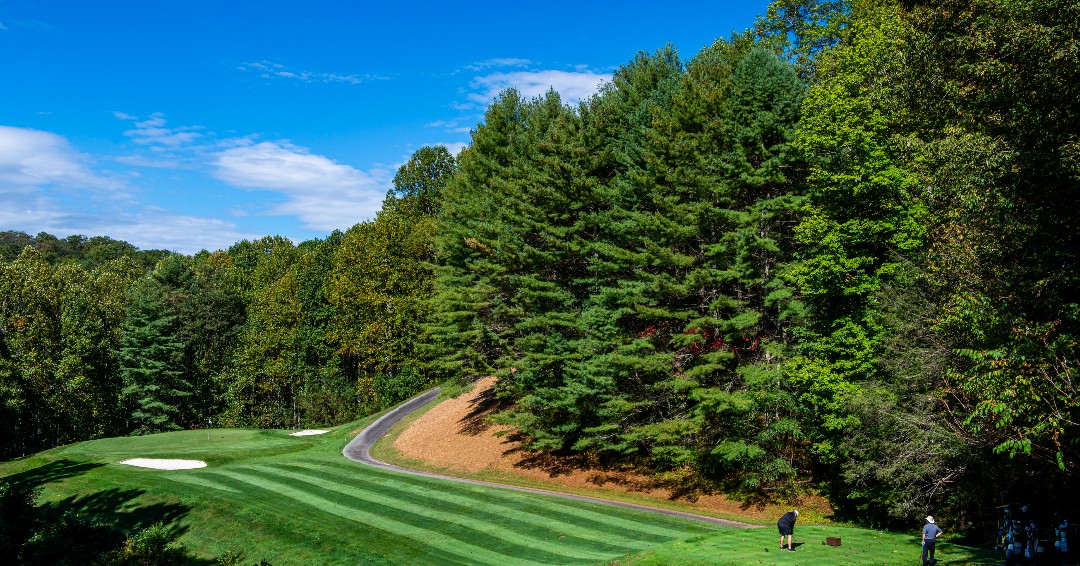
Forest Hills plays to a 131 slope rating from the championship tees, positioning it as a difficult course for better players while remaining accessible to mid-handicappers from appropriate tees. Understanding where difficulty lies helps players develop scoring strategies that maximize their strengths while managing weaknesses.
Key Difficulty Factors
Tree-Lined Fairways: The mature pines and hardwoods lining fairways create tight corridors requiring accuracy off the tee. Wayward drives face blocked approach shots or penalty strokes from out-of-bounds areas. Players who struggle with accuracy should consider hitting less than driver on holes where trees crowd landing zones.
Strategic Water Hazards: Water affects nine holes, though not always as forced carries. The hazards create pressure on both tee shots and approaches, particularly on holes 2, 7, 9, 13, and 18 where water guards greens. Conservative play around water typically outscores aggressive strategies for mid-handicappers.
Large Greens with Subtle Contours: The putting surfaces at Forest Hills appear relatively flat but feature enough slope to create challenging three-putts when approaching from the wrong angle or leaving balls above the hole. Speed control matters more than line reading on many putts, particularly those running downhill.
Length from Championship Tees: At nearly 7,000 yards, the course demands solid distance to score well from the tips. Mid-handicappers improve scoring by moving up to the blue or white tees rather than forcing themselves to play beyond their distance capabilities.
Recommended Scoring Approach by Handicap
Single-Digit Handicaps (0-9): Play aggressively from the championship tees, attacking par 5s for birdie opportunities while accepting occasional bogeys on long par 4s. Target 75-80 as a realistic scoring goal.
Mid-Handicaps (10-18): Play from blue or white tees depending on driver distance. Focus on fairways over distance, lay up on par 5s to favorite wedge yardages, and aim for greens’ centers regardless of pin position. Target 85-92 as a realistic goal.
High Handicaps (19+): Play from white or red tees to keep the course manageable. Prioritize keeping balls in play, avoid forced carries over water when possible, and accept bogey-double bogey as baseline scoring. Target breaking 100 or shooting low 100s depending on specific handicap.
Course Management Tips
Drive for Position: Forest Hills rewards accuracy over distance. Hitting fairways with 3-wood or hybrid often outscores bombing driver into trouble. Identify the 2-3 holes where driver distance provides significant advantage, then club down on tighter holes.
Respect Water Hazards: The water at Forest Hills isn’t decorative; it collects balls. When water guards greens or landing areas, aim away from the hazard accepting longer putts or tougher up-and-downs over penalty strokes.
Study Green Contours: Spend time on the practice putting green before your round learning how balls roll. The subtle breaks fool first-time players who expect flat putting surfaces. Trust gravity more than your eyes when reading putts.
Use the Yardage Book: Forest Hills provides detailed yardage books showing hazard locations, layup distances, and green depths. Study the book before each shot rather than relying on gut feel or cart GPS alone.
Course Conditions and Maintenance
Forest Hills maintains conditions that compete with higher-priced facilities and private clubs. The grounds crew takes pride in presenting the course in tournament condition year-round, though seasonal variations affect playing characteristics.
Fairways
Bermuda grass fairways provide good lies throughout the growing season from late spring through early fall. The turf responds well to warm weather, creating firm conditions that add roll to drives and allow spin on approach shots.
Winter dormancy browns the Bermuda from December through March, though overseeding programs maintain green appearance during cooler months. Lies remain consistent even during dormancy, though the ball doesn’t sit up quite as nicely as summer growth.
Fairway width varies by hole, with some corridors playing generously while others demand precision. The maintenance team mows fairways to appropriate heights maintaining good playability without creating artificially easy conditions.
Greens
Bentgrass greens at Forest Hills represent a rarity in Augusta, where most courses use Bermuda putting surfaces. The bentgrass allows faster speeds and truer rolls than Bermuda, creating putting conditions that rival private clubs.
Greens typically run 10-11 on the stimpmeter during peak season, though winter maintenance may slow surfaces to 9-9.5. The consistent speed throughout the year allows regular players to develop reliable putting touch.
The maintenance team carefully manages moisture levels, keeping greens receptive enough to hold approach shots while firm enough to maintain speed. This balance creates fair conditions where well-struck approaches hold while marginal shots release into collection areas.
Bunkers
Sand bunkers receive regular maintenance including raking, edging, and sand replacement as needed. The sand consistency stays relatively uniform throughout the year, creating predictable playing conditions from bunker shots.
Some bunkers feature steeper faces than others, but none create impossible recovery situations. Standard bunker technique works effectively, with clean contact typically resulting in balls stopping reasonably close to the hole.
Overall Conditioning
Forest Hills’ conditioning reflects the pride staff takes in course presentation. Divots get filled promptly. Tee boxes stay level and well-maintained. Ball marks on greens repair quickly with proper player etiquette.
Comparing conditioning to mountain courses like Burlingame Country Club, Forest Hills delivers similar quality at lower elevation with different grass types adapting to Georgia’s warmer climate. Both facilities demonstrate that public access courses can maintain conditions rivaling exclusive private clubs.
Rate Information and Value Analysis
Forest Hills pricing positions the course as affordable championship golf without sacrificing quality. Understanding the rate structure helps visitors plan budgets and identify the best value opportunities.
Green Fee Structure
Peak Season (March-October):
- Weekend mornings: $55
- Weekend afternoons: $45
- Weekday mornings: $45
- Weekday afternoons: $35
Off-Season (November-February):
- Weekend mornings: $45
- Weekend afternoons: $35
- Weekday mornings: $35
- Weekday afternoons: $30
Twilight Rates: Starting times after 2 PM receive additional $5-10 discounts depending on season and day.
All rates include cart fees. Walking is permitted for players preferring to carry or push their bags, though no walking-only discount applies.
Package and Multi-Round Deals
Forest Hills occasionally offers package rates for multiple rounds booked together. Two-round packages typically save $10-15 compared to booking rounds separately. Three-round packages extend savings to $20-25 total.
Contact the pro shop directly about current package availability, as these deals vary seasonally based on demand and tee sheet availability.
Comparative Value
Comparing Forest Hills rates to other Augusta-area public courses:
Forest Hills ($35-55): Robert Trent Jones design, tournament history, excellent conditions Goshen Plantation ($45-75): Larry Nelson design, comparable quality, higher pricing Champions Retreat ($125-200): Three courses, luxury amenities, significantly higher cost Augusta Municipal ($20-30): Basic municipal course, lower quality, budget pricing
Forest Hills delivers the best value proposition for championship-caliber golf in Augusta. The combination of legendary designer, tournament pedigree, excellent conditioning, and moderate pricing creates value that exceeds the green fee cost.
Amenities and Services
Practice Facilities
The driving range sits adjacent to the clubhouse with grass hitting stations and target greens. Range balls are included in your green fee, allowing adequate warmup before rounds. The range length accommodates full driver swings, and multiple target greens help players dial in distances with various clubs.
The practice putting green near the first tee features similar speed and contour to course greens, making it valuable for developing feel before your round. Spend 15-20 minutes on the practice green testing different break amounts and speeds.
A short game area includes chipping green and practice bunker, allowing players to work on scoring shots near the green. Use this area to warm up your wedge game, as Forest Hills’ strategic design frequently presents short game challenges around greens.
Clubhouse Facilities
The clubhouse includes a full-service pro shop stocking equipment, apparel, and accessories from major golf brands. The staff provides knowledgeable service for club fitting basics, equipment questions, and local course recommendations.
The restaurant and bar serve breakfast starting at 7 AM on weekends, 8 AM on weekdays, with lunch service continuing through afternoon. The menu features classic clubhouse fare including burgers, sandwiches, salads, and daily specials.
The bar stocks local craft beers, standard domestic options, wine selections, and full liquor for cocktails. Post-round, the 19th hole atmosphere encourages golfers to share round stories while enjoying drinks and food.
Locker room facilities include restrooms, lockers for valuables (bring your own lock), and basic amenities. The facilities are clean and functional without luxury upgrades.
Golf Shop Services
The pro shop handles tee time reservations, provides rain checks for weather-impacted rounds, and manages tournament registrations for member and public events.
Club repair services cover basic needs including regripping, loft/lie adjustments, and shaft replacements. For more extensive club work, the staff can recommend local club fitters and repair specialists.
Pull carts are available for rent at minimal cost for players preferring to walk but not wanting to carry bags. Push carts with seats provide comfortable walking alternatives to riding carts.
Tips for First-Time Players
Booking Your Round
Reserve tee times online through the Forest Hills website or by calling the pro shop at least 7-10 days in advance for weekend play. Weekday times show better availability, often with same-week or even next-day openings.
Morning times disappear faster than afternoons, particularly on weekends. If you’re flexible on tee time, afternoon slots offer savings and better availability with the tradeoff of potential afternoon thunderstorms during summer months.
Arrival and Check-In
Arrive 45-60 minutes before your tee time to allow for check-in, warm-up, and starting lineup preparation. The pro shop requires check-in at least 30 minutes before your time to ensure smooth starting procedures.
Use the arrival time to visit the practice facilities, hit balls on the range, work on putting feel, and chip a few balls to the practice green. This preparation improves early-hole performance significantly.
On-Course Strategy
Study the yardage book provided at check-in. The book shows detailed hole layouts including hazard locations, layup zones, and green depths that GPS units don’t always communicate clearly.
Don’t be fooled by seemingly generous fairways. The trees create trouble quickly for offline shots. Favor accuracy over distance, particularly on holes where the course guide or your playing partners identify tight landing areas.
Around the greens, Forest Hills’ subtle contours create more challenging short game shots than expected. When in doubt, use more loft on chips and pitches rather than running balls with lower-lofted clubs where contours can take balls away from holes.
Pace of Play Expectations
Forest Hills expects four-hour rounds or less. Keep pace with groups ahead rather than maintaining specific time requirements. If you fall behind, pick up balls after double par and move to the next hole.
Ready golf speeds play significantly. Hit when ready rather than strictly honoring farthest-from-hole order. Line up putts while others are putting. Drive carts efficiently between shots.
Post-Round
After completing your round, spend time in the clubhouse sharing stories with playing partners over food and drinks. The post-round social experience adds value beyond just the golf itself, particularly when you meet other visitors exploring Augusta golf.
Ask pro shop staff for recommendations on other courses to play during your Augusta visit. The staff’s local knowledge helps visitors plan comprehensive golf trips maximizing quality courses at reasonable rates.
Seasonal Considerations
Spring Golf (March-May)
Spring delivers ideal golf weather with morning temperatures in the 60s warming to 70s and 80s by afternoon. Courses green up completely by late March, and conditioning peaks during April and May.
Masters week (early April) creates premium pricing and limited availability as the entire Augusta golf community focuses on the tournament. Book well in advance for April dates or avoid the first two weeks if seeking normal rates and availability.
May brings increased afternoon thunderstorm activity. Book morning tee times to complete rounds ahead of typical 2-4 PM storm development.
Summer Golf (June-August)
Heat and humidity define summer golf in Augusta. Morning temperatures start in the 70s, quickly warming to 90s by midday. Afternoon heat indices can exceed 100 degrees, making golf uncomfortable for players unaccustomed to Southern summers.
Early morning tee times provide the most comfortable conditions. Plan 7-8 AM starts to complete most of your round before extreme heat arrives.
Afternoon thunderstorms develop regularly during summer months. If booking afternoon times, accept the possibility of weather delays or incomplete rounds. The storms typically pass within 30-45 minutes, allowing completion of suspended rounds.
Stay hydrated aggressively. Drink water throughout your round, not just when thirsty. The cart girl circulates regularly selling cold drinks, or bring your own cooler with water and sports drinks.
Fall Golf (September-November)
Fall delivers Augusta’s best golf weather. Morning temperatures cool to the 60s, afternoon highs moderate to the 70s and 80s, and humidity drops significantly compared to summer.
Course conditions remain excellent through October as grass hasn’t entered full dormancy. November shows some browning but courses stay playable with consistent conditions.
Fall color arrives in November, adding visual appeal to rounds. While not as dramatic as mountain golf at Burlingame’s 3,000+ foot elevation in North Carolina’s Blue Ridge, Augusta’s trees provide pleasant autumn colors framing fairways.
Winter Golf (December-February)
Winter golf works for players comfortable with occasional cool mornings. Temperatures rarely drop below freezing, and sunny days in the 50s and 60s create perfectly playable conditions.
Bermuda fairways enter dormancy, browning significantly though maintaining good lies. Overseeding programs keep some green coverage, but expect brown patches in shaded areas.
Greens slow slightly during winter as maintenance adjusts for cooler temperatures. Expect speeds around 9-9.5 compared to summer’s 10-11 readings.
Winter rates drop to their lowest levels, creating excellent value for players unbothered by brown fairways and cool mornings. The course rarely faces frost delays or closures except during rare ice or snow events.
Your Forest Hills Experience Awaits
Forest Hills Golf Club delivers championship golf at public access pricing in the heart of Augusta’s golf culture. Robert Trent Jones’ 1926 design stands the test of time with strategic principles that remain relevant nearly a century later. The course’s tournament history validates its quality, while current conditioning demonstrates the staff’s commitment to excellence.
For golfers exploring Augusta beyond the famous grounds of Augusta National, Forest Hills represents the best combination of quality, accessibility, and value. The course challenges better players from the championship tees while remaining enjoyable for mid-handicappers from appropriate markers. Strategic variety rewards thoughtful play, and course conditions rival facilities charging significantly higher green fees.
Whether you’re planning a dedicated Augusta golf trip or passing through the area with time for a round, Forest Hills deserves inclusion in your itinerary. The combination of legendary design, excellent maintenance, reasonable rates, and Augusta’s golf-focused culture creates experiences that justify the drive regardless of where you’re traveling from.
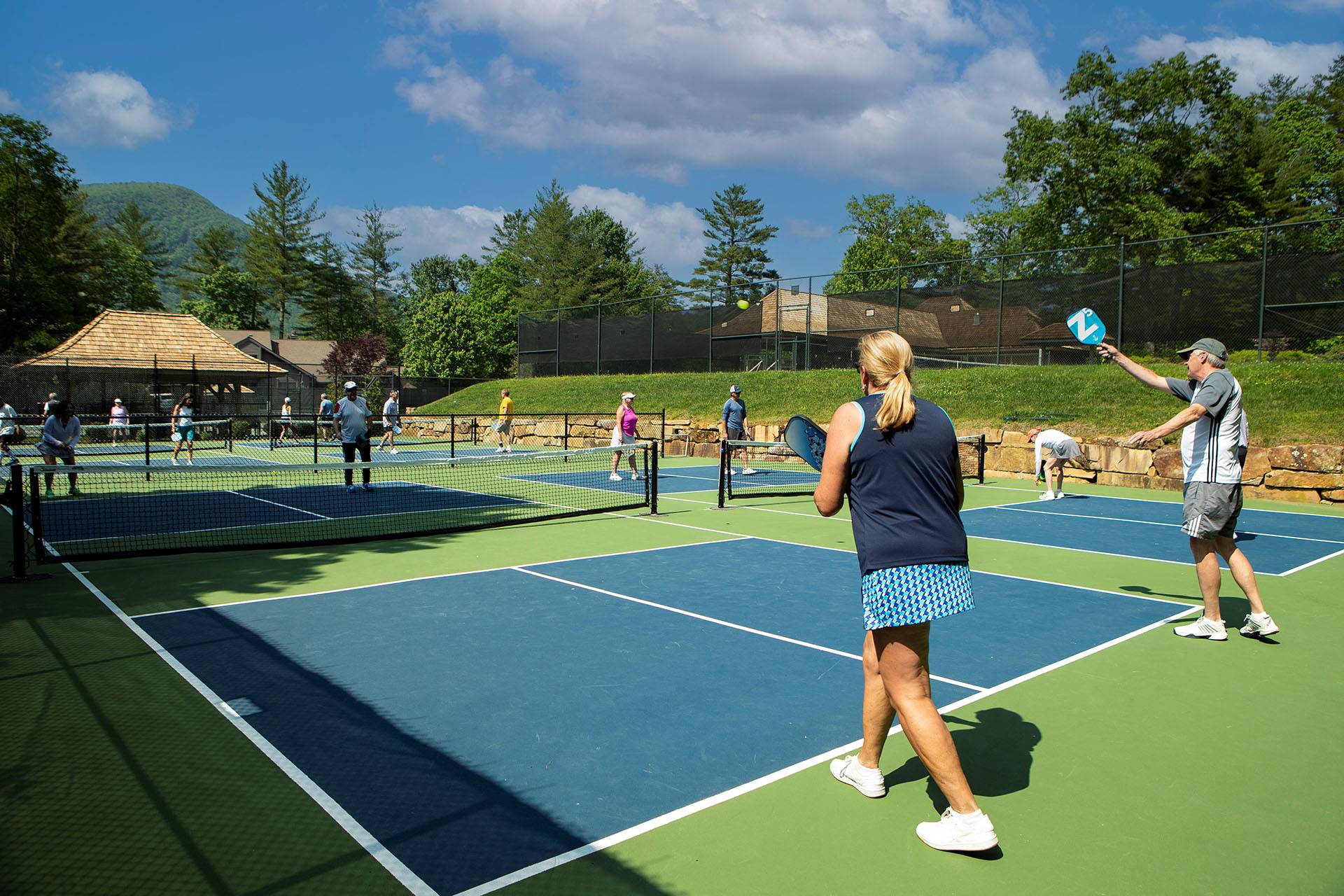
For golfers who appreciate Forest Hills but prefer cooler temperatures and mountain scenery, Burlingame Country Club in North Carolina’s Sapphire Valley offers Tom Jackson’s championship design at 3,000-3,500 feet elevation with comprehensive amenities including tennis, pickleball, croquet, spa and wellness facilities, and six dining venues. Contact Membership Director Jennifer Webb at 828.966.9200 to schedule your tour and explore mountain golf where championship play combines with comprehensive club amenities.