
Why Cashiers Presents Unique Golf Instruction Opportunities
Golf instruction in the Cashiers area addresses challenges and opportunities you won’t find at sea level. The elevation between 3,000 and 3,500 feet changes how balls fly, how greens react to approach shots, and how course management decisions play out on mountain layouts with dramatic elevation changes.
Local golf professionals understand these mountain-specific factors because they teach on courses shaped by natural terrain. At Burlingame Country Club in neighboring Sapphire Valley, for example, Tom Jackson’s design works with the landscape rather than against it, creating instruction opportunities on holes that demand creative shot-making and strategic thinking you can’t replicate on flat terrain.
The instruction available throughout the Cashiers area reflects this mountain golf reality. Teaching professionals here don’t just work on swing mechanics—they help you understand how altitude affects club selection, how mountain breezes influence ball flight, and how to read undulating greens carved into mountainside settings.
Directory of Golf Professionals and Coaches in the Cashiers Region
The Cashiers area hosts PGA professionals and experienced coaches who’ve built their teaching careers on mountain courses. These instructors bring competitive backgrounds, teaching certifications, and deep knowledge of how to play golf successfully at elevation.
John Murphy serves as Head Golf Professional at Burlingame Country Club, bringing extensive competitive experience from his junior career that included winning the North and South Junior at Pinehurst No. 2. His apprenticeship work at prestigious clubs like Old Chatham, Seminole, Jupiter Hills, and Elk River shaped his teaching approach, which emphasizes fundamentals while accounting for mountain course challenges. Students benefit from instruction that combines traditional golf teaching methods with practical strategies for navigating elevated tees, downhill lies, and approach shots to greens built into natural mountain contours.
Other area professionals offer specialized instruction at various Cashiers-area facilities. Many teaching pros maintain relationships with multiple courses, offering flexibility in where lessons take place based on student needs and course conditions. When researching instructors, ask about their competitive background, teaching philosophy, and specific experience with mountain golf instruction.
Private clubs throughout the region typically feature dedicated golf professionals who prioritize member instruction. While these clubs maintain private status, many offer limited instruction opportunities for non-members through reciprocal agreements or special programs. Contact individual facilities to inquire about guest instruction availability.
Types of Golf Lessons Available in Mountain Settings
Golf instruction in Cashiers ranges from traditional private lessons on driving ranges to innovative approaches that leverage technology and on-course playing situations. Understanding the different lesson formats helps you select instruction that matches your learning style and improvement priorities.
Private Instruction
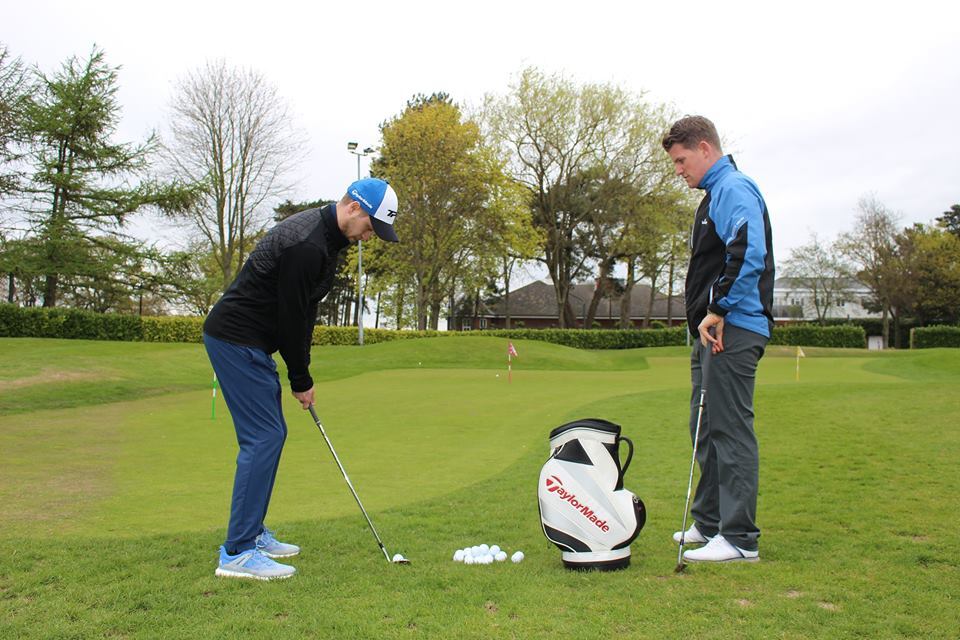
One-on-one lessons with PGA professionals remain the foundation of golf instruction throughout the Cashiers area. These sessions typically last 60 to 90 minutes and focus on specific aspects of your game requiring attention. Private instruction allows teachers to diagnose swing issues, explain concepts in detail, and provide immediate feedback as you implement changes.
Mountain golf adds depth to private instruction. Teaching professionals can address how your swing performs under elevation-specific conditions, helping you understand why certain shots behave differently at 3,000 feet than at lower elevations. Lessons might include practice on elevated tees to experience how downhill ball flight affects club selection, or work on steep lies that replicate what you’ll encounter on mountain fairways.
Group Clinics and Workshops
Group instruction offers cost-effective improvement opportunities while creating social connections with other golfers pursuing similar goals. Clinics typically focus on specific skills—short game fundamentals, driving accuracy, course management strategies—with multiple students receiving instruction simultaneously.
The group format works particularly well for beginners developing basic skills or experienced players refining specific techniques. Instructors can demonstrate proper mechanics, explain common mistakes, and provide individual feedback while maintaining the clinic’s overall pace. Many golfers find that observing other students’ challenges and corrections enhances their own understanding of golf fundamentals.
Group clinics at mountain courses often incorporate elevation-specific topics. A short game clinic might include instruction on how chip shots behave on mountain greens with dramatic slope, or how to control distance on downhill bunker shots where gravity accelerates swing speed.
Video Analysis Sessions
Modern instruction increasingly incorporates video analysis technology that captures your swing from multiple angles, allowing frame-by-frame review of mechanics. These sessions typically involve hitting shots while cameras record your swing, then watching footage with your instructor to identify specific movements causing inconsistency or limiting distance.
Video analysis creates objective evidence of what’s actually happening in your swing versus what you think is occurring. Many golfers discover that their swing differs significantly from their mental picture of it. Instructors can draw lines on screen to show swing plane, measure hip rotation degrees, or compare their positions to tour player swings at similar points in the downswing.
Follow-up video sessions document progress by comparing before-and-after swings, helping you see concrete evidence that swing changes are taking hold. Some instructors provide video files you can review at home, reinforcing proper positions and movements between lessons.
Playing Lessons
Playing lessons occur on the mountain golf course itself, with the instructor accompanying you for nine or 18 holes while providing real-time coaching. This format reveals how your swing holds up under on-course pressure, how you manage course strategy, and where mental game issues might undermine technical proficiency.
Mountain courses present ideal settings for playing lessons because elevation changes, natural hazards, and dramatic terrain create diverse shot challenges within a single round. Your instructor can help you navigate risk-reward decisions on holes where elevation obscures distances, select proper clubs for shots playing uphill or downhill, and develop pre-shot routines that account for mountain wind patterns.
Playing lessons also address the pace of play, course etiquette, and rule situations you might not encounter during range sessions. The format works especially well for golfers preparing for tournaments, members joining new clubs who want strategic guidance specific to their home course, or students whose range performance doesn’t translate to on-course scoring.
Multi-Day Golf Schools and Intensive Programs
Golf schools compress substantial instruction into condensed time frames, typically ranging from two-day weekend formats to five-day intensive programs. These schools attract serious students willing to invest extended time and resources into significant game improvement.
The multi-day format allows instructors to address multiple aspects of your game systematically. Day one might focus on full swing mechanics and ball-striking fundamentals. Day two could emphasize short game techniques and greenside bunker play. Subsequent days might cover specialty shots, course management, and mental game strategies before concluding with on-course playing situations where you apply everything learned.
Intensive programs include substantial practice time between instruction sessions, giving you opportunities to ingrain new techniques with instructor supervision. This structured practice proves more valuable than unsupervised range sessions, where you might reinforce improper movements without realizing it.
Golf schools in mountain locations offer the added benefit of learning in conditions you’ll face on elevation courses. If you regularly play mountain golf or plan golf vacations in elevated regions, instruction at altitude directly translates to on-course improvement. Students from sea-level locations gain exposure to how mountain golf differs from their home courses, preparing them for better performance when they travel to mountain destinations.
Accommodation and meal packages often accompany multi-day programs, creating immersive golf experiences where instruction, practice, and social interaction with fellow students consume your full attention. The format works well for golfers whose busy schedules prevent regular weekly lessons but who can dedicate a long weekend or vacation week to intensive improvement.
Practice Facilities Supporting Instruction Excellence
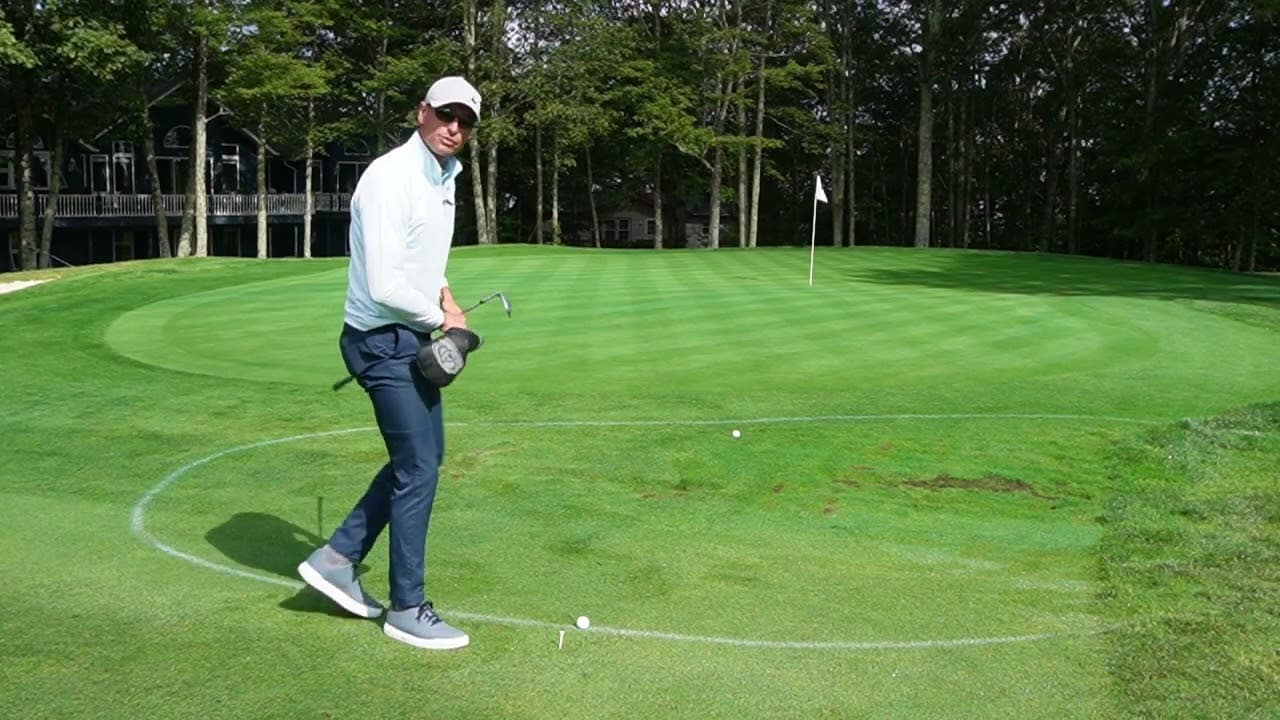
Quality practice facilities amplify instruction value by providing appropriate spaces for working on every aspect of your game. The Cashiers area features practice areas ranging from comprehensive short game complexes to natural settings that replicate on-course shot challenges.
Driving ranges at mountain courses often incorporate elevation changes that mirror what you’ll face during actual rounds. Hitting from elevated tee boxes on the range prepares you for downhill tee shots on the course. Practice areas with both uphill and downhill target greens let you experience how elevation affects distance control and trajectory.
Short game practice areas prove especially valuable in mountain golf regions. Facilities that include varied green contours, multiple bunker types, and tight lies around greens create practice situations matching real course conditions. Students can work on the pitch shots, chip-and-runs, and delicate bunker escapes that save strokes on undulating mountain greens.
Putting greens with significant slope help you develop touch for the fast, breaking putts common on mountain courses. Practice greens should feature varied speeds and contours so you can work on uphill putts that die quickly, downhill putts requiring a soft touch, and breaking putts where reading mountain terrain influences line and speed simultaneously.
Burlingame Country Club’s practice facilities support comprehensive instruction in a natural mountain setting at 3,000 to 3,500 feet. The facilities integrate with Tom Jackson’s course design, providing practice conditions that directly transfer to on-course performance.
Specialized Instruction for Different Skill Areas
Golf instruction becomes most effective when it addresses specific weaknesses or builds on existing strengths. Mountain golf professionals offer specialized coaching in distinct areas of the game.
Short Game and Scoring Zone Expertise
Short game instruction focuses on shots within 100 yards of the green, where most scoring opportunities and stroke-saving situations occur. Specialists in this area teach proper technique for pitch shots, chip shots, bunker play, and putting while emphasizing distance control and shot selection based on lie, green conditions, and pin position.
Mountain courses present unique short game challenges that specialized instruction addresses. Shots from uneven lies on sloped fairways require an adjusted setup and swing path. Greenside bunkers cut into hillsides demand different techniques than flat bunkers. Approach shots to elevated greens need precise distance control to avoid leaving difficult uphill chips or coming up short in hazards.
Driving Accuracy and Course Management
Distance off the tee matters less than finding fairways consistently, especially on mountain courses where off-line drives often find severe trouble on hillside roughs or tree-lined slopes. Driving instruction emphasizes proper setup, swing path, and clubface control that produce reliable ball flight patterns.
Course management coaching helps you think strategically about driver versus fairway wood decisions, identify proper aim points that account for slope and wind, and develop pre-shot routines that promote consistency under pressure. This instruction proves particularly valuable on mountain layouts where dramatic terrain creates intimidating tee shots that tempt poor decisions.
Mental Game and Competitive Performance
Mental game coaching addresses the psychological aspects of golf that undermine technical proficiency during competitive rounds. Instructors who specialize in mental game training teach pre-shot routines, breathing techniques, visualization skills, and strategies for managing emotions when pressure builds.
Mountain golf creates mental challenges beyond what flat courses present. Dramatic elevation changes can intimidate players unsure about club selection. Forced carries over ravines or streams create tension that affects swing rhythm. Spectacular views can distract players from shot execution. Mental game instruction helps you maintain focus and confidence in these unique mountain golf situations.
Typical Instruction Rates and Booking Procedures
Golf instruction rates in the Cashiers area reflect the expertise of PGA professionals, the quality of practice facilities, and the unique value of mountain golf-specific coaching. Understanding typical pricing helps you budget for improvement while recognizing that skilled instruction represents an investment in long-term game development.
Private lessons typically range from $100 to $150 per hour for sessions with experienced teaching professionals. Premium instructors with extensive competitive backgrounds or specialized expertise may charge $150 to $200 per session. These rates align with instruction costs at quality mountain golf facilities throughout resort regions, reflecting both the instructor’s credentials and the desirable mountain setting.
Series packages often provide better value than single lessons. A package of five one-hour lessons might reduce the per-lesson cost by 10 to 15 percent while ensuring regular instruction frequency that supports skill development. Many instructors encourage package purchases because consistent lesson schedules produce better results than sporadic instruction separated by long gaps.
Group clinics provide cost-effective options, typically $50 to $100 per person for two-hour sessions. The per-student cost drops as group size increases, though most instructors limit clinics to maintain adequate individual attention for each participant.
Booking procedures vary by facility but generally require advance scheduling, especially during peak summer months when lesson demand increases. Many golf professionals maintain flexible schedules accommodating member priority while opening available times for non-members. Contact clubs directly to inquire about instructor availability, or visit Burlingame’s contact page to schedule instruction with their experienced golf staff.
Some facilities require prepayment when booking, while others accept payment when lessons occur. Cancellation policies typically require 24 to 48 hours’ notice to avoid charges. During busy seasons, canceling with appropriate notice allows instructors to fill the time slot with other students, maintaining efficient schedule utilization.
Success Stories and Student Development
Golf instruction produces measurable results when students commit to the learning process, and instructors provide quality coaching. While individual results vary based on starting skill level, practice frequency, and natural ability, consistent improvement patterns emerge from effective instruction programs.
Beginners who’ve never played mountain golf often see dramatic initial progress. Learning proper grip, stance, and swing fundamentals under professional guidance helps new golfers avoid the ingrained bad habits that plague self-taught players. Students starting from scratch who commit to regular lessons and structured practice frequently break 100 within their first season, establishing a solid foundation for continued improvement.
Intermediate players typically seek instruction to overcome specific obstacles preventing further score reduction. A mountain golfer stuck shooting in the mid-90s might struggle with inconsistent ball-striking, poor short game performance, or course management mistakes. Targeted instruction addressing these weak areas helps dedicated students break through plateaus. Many intermediate golfers improve by 5 to 10 strokes over a season when they combine regular instruction with focused practice.
Advanced players seeking marginal gains work with instructors on subtle swing refinements, equipment optimization, and competitive mental game strategies. These golfers already possess sound fundamentals but need expert eyes to identify minor inefficiencies or course management improvements that shave additional strokes. Tournament preparation coaching helps competitive players perform their best when scores matter most.
Junior golfers pursuing competitive development benefit from age-appropriate instruction that builds skills progressively while maintaining enjoyment of the game. Young players working with qualified junior instructors often develop repeatable swings and solid fundamentals that position them for high school, college, or competitive amateur golf. The natural learning curves of junior golfers, combined with their physical development and increased strength, often produce rapid visible improvement.
Mountain golf-specific instruction helps all skill levels adjust to elevation conditions more quickly than learning through trial and error. Golfers who’ve played exclusively at sea level often struggle initially with club selection, ball flight behavior, and green speed when they travel to mountain courses. Instruction from professionals who understand these factors accelerates the learning curve, helping students enjoy mountain golf immediately rather than spending valuable playing time frustrated by unexpected shot results.
Resources for Continued Improvement Between Lessons

Effective instruction extends beyond the time spent with your teaching professional. Students who actively work on their games between lessons progress faster than those who only practice during instruction sessions. Multiple resources support continued development.
Practice plans provided by your instructor give structure to range sessions between lessons. Rather than randomly hitting balls without purpose, focused practice on specific drills and movements reinforces what you learned during instruction. Many teachers provide written practice plans or video demonstrations you can reference while working independently.
Golf books and instructional videos supplement in-person teaching, though they work best when aligned with your instructor’s teaching philosophy. Discuss any books or videos you’re studying with your teacher to ensure the information matches rather than contradicts what you’re learning. Conflicting instructions from multiple sources often confuse students and slow improvement.
Burlingame’s comprehensive amenities include practice facilities, on-course playing opportunities, and a community of engaged mountain golfers pursuing improvement. The club environment supports continued development through access to quality practice areas, opportunities for competitive play in member events, and connections with other dedicated golfers.
Mental game exercises you can practice anywhere help develop the psychological skills supporting on-course performance. Visualization practice—imagining yourself executing proper swings and hitting quality shots—strengthens neural pathways that support actual swing execution. Breathing exercises and pre-shot routines practiced at home become automatic habits you deploy on the course.
Physical fitness and flexibility work support golf improvement by increasing your body’s ability to make proper movements. Core strength exercises, flexibility routines targeting golf-specific muscles, and cardiovascular conditioning all contribute to more consistent, powerful swings. Many instructors can recommend golf-specific fitness programs or refer you to trainers who understand golf movement patterns.
Frequently Asked Questions About Golf Instruction in Cashiers
What qualifications should I look for in a golf instructor?
PGA certification indicates that an instructor has completed rigorous training, passed comprehensive testing, and maintains continuing education requirements. PGA professionals understand swing mechanics, teaching methods, and student development strategies that produce results. Many excellent instructors also possess competitive playing backgrounds, having experienced firsthand the challenges they help students overcome.
How often should I take lessons to see improvement?
Lesson frequency depends on your goals, budget, and ability to practice between sessions. Most instructors recommend weekly or biweekly lessons during active improvement phases, providing enough time to work on new concepts while maintaining regular feedback and adjustments. Once you’ve established proper fundamentals, monthly check-in lessons help maintain progress while reducing cost commitment.
Can instruction help my game if I’ve played for years?
Absolutely. Even players with decades of experience benefit from professional instruction that identifies swing flaws they’ve developed over time or introduces modern teaching concepts and technology they haven’t encountered. Many experienced golfers see significant improvement when they finally commit to regular instruction after years of self-teaching.
How does mountain golf instruction differ from sea-level teaching?
Mountain golf professionals understand how elevation affects ball flight, requiring different club selections and swing adjustments. They teach courses with dramatic terrain that creates lies, shots, and strategic situations uncommon on flat layouts. This specialized knowledge helps students succeed specifically in mountain golf environments.
Should I take lessons before or after buying new equipment?
Take lessons first. Proper swing fundamentals influence what equipment works best for your game. An instructor can identify whether swing characteristics require specific club specifications, and many teaching professionals also offer club fitting services or work with qualified club fitters. Buying equipment that matches your swing flaws reinforces bad habits rather than encouraging improvement.
What should I bring to my first lesson?
Bring your golf clubs, comfortable clothes appropriate for range practice, golf shoes or athletic shoes with good traction, a water bottle, and a notepad for recording key points. Come with specific goals in mind—whether addressing particular weaknesses, building a complete swing, or preparing for an upcoming event. Honest communication about your game helps instructors provide targeted coaching.
How long does it take to see results from golf instruction?
Initial improvements often appear within the first few lessons as you understand proper fundamentals and begin implementing them. Sustainable long-term improvement requires consistent practice over weeks and months, with the timeline varying based on starting skill level, natural athletic ability, practice frequency, and complexity of changes being made. Most dedicated students see measurable score improvement within one season of regular instruction.
Can I take lessons if I’m not a member of a private club?
Yes. Many private clubs offer instruction opportunities for non-members, and public facilities throughout the region provide professional teaching services accessible to all golfers. Contact clubs directly to inquire about lesson availability and any restrictions on non-member instruction access.
Taking the Next Step in Your Golf Development

Golf improvement begins with the decision to seek professional instruction. The Cashiers region offers access to qualified teaching professionals, quality practice facilities, and mountain golf conditions that challenge and develop your skills in ways flat courses cannot replicate.
Research instructors whose teaching philosophies and expertise match your improvement needs. Schedule introductory lessons with professionals who’ve demonstrated success working with students at your skill level. Ask about their competitive backgrounds, teaching experience, and specific approaches to mountain golf instruction.
Commit to regular practice between lessons, applying what you learn on the range to on-course situations. Join the community of dedicated golfers pursuing improvement through structured instruction, focused practice, and regular play. The combination produces measurable results that enhance your enjoyment of golf while lowering your scores.
Burlingame Country Club in neighboring Sapphire Valley provides the complete mountain golf experience, combining Tom Jackson’s exceptional course design with comprehensive instruction programs, quality practice facilities, and a welcoming community of over 600 members who share a passion for mountain golf. Contact Burlingame to learn about instruction opportunities, tour the facilities, and discover how professional coaching can transform your mountain golf game.