

The decision to improve your golf game marks the beginning of a journey that transforms frustration into satisfaction, high scores into respectable rounds, and occasional good shots into consistent ball-striking. Highlands Ranch offers instruction options that meet golfers wherever they are in their development, from complete beginners picking up clubs for the first time to accomplished players refining specific aspects of their games.
Quality instruction accelerates improvement in ways that range practice alone cannot. A trained eye identifies swing flaws that feel invisible to the player, proper fundamentals prevent bad habits from taking root, and structured practice focuses effort on changes that actually matter. The challenge lies not in finding instruction but in selecting the right type of lesson, instructor, and program for your specific goals and learning style.
The Value of Professional Golf Instruction
Golf instruction has evolved dramatically from the days when lessons consisted primarily of a professional watching you hit balls and offering occasional tips. Modern instruction combines biomechanical understanding, video analysis technology, and teaching methods refined through decades of research into how people actually learn motor skills.
The return on investment in quality instruction manifests in multiple ways. Lower scores provide the most obvious benefit, but instruction also increases enjoyment by making the game less frustrating, reduces injuries through proper swing mechanics, and speeds improvement that might take years to achieve through trial and error alone. Even accomplished golfers benefit from periodic instruction that prevents compensations and maintains fundamentals that gradually drift without expert oversight.
The instructor-student relationship matters as much as teaching methodology. The best instruction comes from professionals who communicate clearly, adapt their teaching to different learning styles, and understand how to sequence improvements so that early changes don’t overwhelm students. Much like the comprehensive approach to member development at facilities throughout Western North Carolina’s golf communities, successful instruction programs balance technical improvement with maintaining the joy that makes golf worth playing.
Overview of Instruction Options in Highlands Ranch
Highlands Ranch offers several formats for golf instruction, each serving different learning preferences and improvement goals. Understanding these options helps golfers select the most effective approach for their situation.
Private Lessons: Personalized Attention
Private one-on-one lessons provide the most focused instruction available. An instructor dedicates their full attention to analyzing your swing, identifying priority improvements, and creating practice plans specific to your goals. These lessons typically run 30, 45, or 60 minutes, with longer sessions allowing time for both technical work and on-course application.
The typical private lesson structure includes an initial assessment where the instructor watches you hit various clubs to identify swing characteristics, technical instruction focusing on one or two priority improvements rather than overwhelming you with changes, and practice prescription outlining specific drills and focus points for work between lessons. Follow-up lessons track progress, refine changes, and advance to the next improvement priority.
Group Clinics: Learning with Peers
Group clinics gather 4-8 students for instruction on specific topics. These programs cost less per person than private lessons while providing professional guidance and the motivational benefits of learning alongside others. Clinics typically focus on specific skills such as short game techniques, driving fundamentals, or course management strategies.
Many facilities offer progressive clinic series where each session builds on previous instruction. A four-week short game series might cover chipping in week one, pitching in week two, bunker play in week three, and putting in week four. This structured approach ensures comprehensive skill development while maintaining focus on one topic per session.
Video Analysis: Seeing Your Swing
Modern video analysis technology has revolutionized golf instruction. High-speed cameras capture swings at 1000+ frames per second, allowing detailed examination of positions and movements impossible to see in real-time. Software overlays lines, angles, and comparison swings from professional golfers or the student’s own previous swings to highlight changes.
Video analysis works particularly well for visual learners who benefit from seeing their swings rather than just hearing descriptions of what’s happening. The technology also provides objective documentation of improvement, showing students how their swings have changed over time. Many instructors send video clips and analysis to students between lessons, facilitating continued improvement and providing reference material for practice sessions.
The challenge with video analysis lies in avoiding paralysis by analysis. Seeing every position and angle can overwhelm students with information about their swings. Skilled instructors use video strategically, showing students specific positions or movements relevant to current improvement priorities rather than pointing out every deviation from ideal technique.
University of Denver Golf Club: Premier Instruction in Highlands Ranch
The University of Denver Golf Club stands as Highlands Ranch’s flagship golf instruction facility, offering comprehensive programs led by PGA-certified professionals. The club’s instruction program serves golfers throughout the Denver metro area with teaching that combines traditional fundamentals and modern technology.
PGA-Certified Instructors and Teaching Philosophy
The PGA certification process ensures instructors have demonstrated teaching competency, golf knowledge, and business acumen through rigorous testing and apprenticeship. PGA professionals at the University of Denver Golf Club bring diverse backgrounds and teaching styles, allowing students to find instructors whose communication approach matches their learning preferences.
The teaching philosophy emphasizes building proper fundamentals before advancing to complex techniques. Instructors focus on grip, posture, alignment, and ball position—the basics that determine whether more advanced instruction can succeed. This foundation-first approach mirrors the development programs at premier clubs throughout the region, where comprehensive instruction complements exceptional golf facilities.
Instructors adapt their teaching methods to individual students rather than applying one-size-fits-all instruction. A student with an athletic background might progress quickly through basic mechanics, while someone new to sports requires more time developing body awareness and coordination. The best instructors recognize these differences and pace instruction appropriately.
Lesson Packages and Pricing Structure
University of Denver Golf Club offers several lesson package options designed to accommodate different budgets and commitment levels. Single lessons provide introductory instruction or occasional tune-ups for experienced players. Three-lesson packages allow time to implement initial changes and receive follow-up instruction. Five and ten-lesson packages provide the continuity needed for significant swing changes and long-term improvement.
Package pricing reduces per-lesson costs compared to individual sessions. A single 60-minute lesson might cost $125, while a five-lesson package reduces the per-lesson rate to $100, and a ten-lesson package drops it to $90. These discounts reward commitment to the improvement process while making quality instruction more accessible.
Season-long programs offer the most comprehensive instruction option. These packages include regular lessons throughout the golf season, playing lessons, video analysis, and unlimited access to practice facilities. The structure creates accountability and continuity that accelerate improvement while building long-term instructor-student relationships that enhance teaching effectiveness.
Technology and Training Aids
The instruction program at the University of Denver Golf Club incorporates technology that provides insights impossible through visual observation alone. TrackMan launch monitors measure ball flight characteristics, including carry distance, spin rate, and launch angle. This data reveals whether missed shots result from path, face angle, or contact issues, focusing instruction on actual problems rather than assumed causes.
Video analysis systems capture swings from multiple angles, allowing examination of positions throughout the swing. Instructors overlay swing planes, check alignment angles, and compare positions to previous swings or professional models. This visual feedback helps students understand technical concepts that remain abstract without seeing their own movements.
Training aids supplement lessons by providing feedback during practice between instruction sessions. Alignment sticks help maintain proper setup positions, impact bags develop proper release patterns, and weighted clubs build strength and tempo. Instructors recommend specific training aids based on individual improvement needs rather than suggesting every available product.
The practice facilities at the University of Denver Golf Club support the instruction program with grass hitting areas, short game practice zones, and putting greens that simulate course conditions. Quality practice requires quality practice environments, and the club’s facilities allow students to work on all aspects of their games in settings that replicate actual play.
Junior Golf Programs: Building the Next Generation

Junior golf instruction in Highlands Ranch focuses on age-appropriate development that builds skills while maintaining the fun that keeps young players engaged. Programs recognize that children aren’t miniature adults and require teaching methods suited to their developmental stages and attention spans.
Youth Development Philosophy
The junior program at the University of Denver Golf Club emphasizes three core principles: fun first, fundamentals always, and long-term development over short-term results. Young players who enjoy golf continue playing, proper fundamentals established early prevent problematic compensations later, and patient skill development creates better players than rushing children into competition before they’re ready.
Instruction adapts to developmental stages. Young children (ages 5-7) learn through games that develop hand-eye coordination and introduce basic golf movements without formal technical instruction. Middle childhood (ages 8-11) adds structured teaching of fundamentals while maintaining playful approaches that sustain engagement. Teenagers receive instruction similar to adult programs, with additional focus on competitive preparation for those interested in tournament play.
The program uses modified equipment suited to junior sizes and strength levels. US Kids Golf clubs feature appropriate lengths, weights, and flexes for children’s swings, making proper mechanics possible where adult clubs would force compensations. As juniors grow, club fitting ensures equipment matches their developing games.
Age-Appropriate Instruction Methods
University of Denver’s junior program structures instruction around age-appropriate teaching methods that match children’s learning capabilities and attention spans. Young children learn through games that make practicing fun, middle childhood students benefit from small-group instruction with peers, and teenagers respond to more analytical approaches that explain why techniques work.
The youngest groups play games like “golf baseball,” where hitting targets earns bases, or putting contests that emphasize making attempts rather than perfect technique. These activities develop golf skills while maintaining the playful atmosphere children need. As skills improve, games incorporate proper mechanics, gradually transitioning from pure fun to structured learning disguised as play.
Older juniors receive technical instruction similar to adult lessons but with shorter session lengths that match their attention spans. A 30-minute lesson maintains focus better than a 60-minute session that loses children’s engagement halfway through. Instructors break practice time into varied activities, alternating between full swings, short game, and putting to maintain interest.
Junior Camps and Competitive Development
Summer junior camps provide intensive golf instruction in multi-day formats. Half-day or full-day camps combine instruction, practice, and on-course play, giving juniors concentrated exposure to golf fundamentals and course play. These camps serve multiple purposes: introducing new players to golf, accelerating improvement for developing players, and providing structured summer activities that combine athletics with outdoor recreation.
For juniors interested in competitive golf, the University of Denver Golf Club offers pathways to tournament preparation. Advanced instruction covers competitive skills, including pre-shot routines, course management strategies, and mental game development. The program connects serious juniors with tournament opportunities throughthe Colorado Junior Golf Association and US Kids Golf regional events.
The development philosophy recognizes that only a small percentage of junior golfers pursue competitive careers, while the majority play recreationally or stop playing after high school. Programs, therefore, balance competitive preparation for serious players with enjoyable instruction that serves recreational juniors equally well. Much like the family-oriented approach at mountain golf clubs throughout Western North Carolina, quality junior programs make golf accessible to all young players regardless of competitive aspirations.
Adult Beginner Programs: Starting Your Golf Journey
Adult beginners face unique challenges that require specialized instruction approaches. Unlike juniors who learn sports naturally, adult beginners often overthink movements, bring tension from other activities, and experience frustration when immediate results don’t match the effort invested.
New Golfer Orientation
University of Denver Golf Club’s beginner program starts with orientation sessions that introduce golf’s basics without overwhelming new players. These sessions cover essential fundamentals: how to hold the club, basic setup positions, and simple swing thoughts that produce acceptable results without requiring perfect technique.
The orientation addresses common misconceptions that hinder beginners. Many new golfers assume golf requires flexibility, strength, or athleticism they don’t possess. Instruction demonstrates that proper technique matters more than physical attributes, and that recreational golf suits players of all fitness levels and ages. This reassurance helps adults overcome anxiety about starting a new sport.
Equipment recommendations form another crucial orientation component. Beginners don’t need expensive clubs and actually benefit from forgiving game-improvement designs that make solid contact easier. Instructors guide equipment selection, helping beginners avoid both inadequate clubs that make learning impossible and excessive spending on gear they’re not ready to use effectively.
Fundamentals Curriculum
The beginner curriculum at the University of Denver Golf Club follows a logical progression that builds skills systematically. Early lessons focus on short game and putting, where slower swings and visible results build confidence. As basic skills develop, instruction advances to longer clubs and full swing mechanics.
Lesson pacing accommodates adult learning patterns. Adults benefit from understanding why techniques work, so instruction includes explanations of swing mechanics and ball flight laws. However, excessive information creates paralysis by analysis, so instructors balance explanation with simple action items that new golfers can immediately apply.
Practice prescriptions help beginners structure independent practice sessions. New golfers often don’t know what or how to practice effectively, so instructors provide specific drills, practice ratios (example: 60% short game, 30% full swing, 10% putting), and realistic practice schedules that fit adult time constraints. This guidance ensures practice time produces improvement rather than reinforcing improper techniques.
Building Confidence for Course Play
The beginner program includes supervised course play that transitions students from practice facilities to actual golf. Instructors help beginners navigate course etiquette, pace of play expectations, and the mental challenges of playing in front of others. This supported introduction prevents negative experiences that discourage new golfers from continuing.
Beginner-friendly course play uses modified formats that remove pressure and emphasize fun. Scramble formats where partners share best shots reduce individual score pressure. Par-3 courses provide shorter, less intimidating layouts for first-course experiences. Playing selected holes rather than full 18-hole rounds keeps experiences positive by ending before exhaustion or frustration sets in.
The program connects beginners with other new golfers through organized play days and beginner leagues. Playing with peers at similar skill levels reduces intimidation and creates social connections that sustain engagement beyond initial lessons. Many beginners who might quit when practicing alone continue when they’ve built friendships through group programs.
Advanced Player Development: Refining Accomplished Games
Accomplished golfers seeking to lower handicaps or compete at higher levels require different instruction than beginners. Advanced instruction addresses subtle swing characteristics, course management sophistication, and mental game development that separates good golfers from exceptional ones.
Swing Refinement for Lower Handicaps
Advanced players typically possess functional swings that produce acceptable results. Instruction focuses on refining specific positions or movements that prevent further improvement. Changes might involve club path modifications that improve shot shape consistency, impact position adjustments that increase distance, or transition improvements that add power without sacrificing control.
Advanced instruction addresses shot-making capabilities beyond straight ball flight. Working the ball left and right on command, varying trajectory for different wind conditions, and controlling spin for different course situations separate mid-handicappers from single-digit players. Developing these skills requires understanding how swing changes affect ball flight and practicing variations intentionally.
The challenge with advanced instruction lies in avoiding changes that temporarily hurt performance. Accomplished players have grooved compensations that work even if they’re technically imperfect. Making corrections can initially reduce consistency as new patterns replace established movements. Instructors help advanced players manage this transition while maintaining the patience required for long-term improvement.
Course Management Instruction
Lower scores often result more from better decisions than better swings. Course management instruction teaches advanced players to think strategically about each hole, selecting clubs and targets that minimize disaster scores even when missing shots slightly. This mental approach to golf complements technical swing instruction.
Playing lessons provide ideal settings for course management instruction. Walking the course with a professional reveals how accomplished players analyze holes, identify optimal miss locations, and make risk-reward decisions based on their specific shot patterns and current form. This insight into professional-level thinking accelerates strategic development.
Course management addresses several key areas: club selection that emphasizes position over maximum distance, target selection that accounts for likely miss directions, understanding when aggressive play makes sense versus when conservative strategy protects scores, and recognizing when course conditions or personal performance suggest adjusting typical approaches. These strategic skills, developed through both instruction and experience, often matter more than swing mechanics in determining final scores.
Tournament Preparation

Players interested in competitive golf require specialized preparation beyond swing mechanics and course strategy. Tournament preparation covers pre-round routines, managing competitive pressure, maintaining focus over four-hour rounds, and recovering mentally from bad shots or bad holes.
Instruction includes simulating tournament conditions during practice. Playing with score pressure, competing against other students in practice rounds, and intentionally creating difficult situations that require recovery all prepare players for competitive stress. These simulations reveal how students’ games hold up under pressure and identify areas needing additional mental game development.
The mental game receives explicit attention in advanced programs. Visualization techniques, breathing exercises that manage tension, self-talk strategies that maintain confidence, and post-round analysis that focuses on improvement rather than results all contribute to competitive success. Players at clubs throughout premier golf communities, from Highlands Ranch to mountain facilities in Western North Carolina, recognize that mental preparation determines performance as much as physical skill.
Golf Leagues and Organized Play
Leagues provide structured competition, social connection, and motivation to play regularly. Highlands Ranch offers diverse league options that accommodate different skill levels, competitive intensity preferences, and schedule availability.
Men’s League Options
Men’s leagues at the University of Denver Golf Club range from highly competitive flights where handicaps remain single digits to recreational divisions where camaraderie matters more than final scores. Most leagues use handicap systems that level competition, allowing players of different abilities to compete fairly against each other.
Typical men’s league formats include 18-hole stroke play where players post scores for handicap purposes, match play brackets that create head-to-head competition, and team formats like best ball where partners combine scores. Format variety maintains interest throughout the season while testing different aspects of players’ games.
League schedules accommodate working professionals, with most rounds played on weekday evenings or weekend mornings. Flexible make-up policies allow players to complete rounds when business travel or personal commitments prevent playing on scheduled dates. This flexibility makes league participation feasible despite busy adult schedules.
Women’s Golf Leagues
Women’s leagues serve players from beginners to accomplished golfers, with multiple divisions that separate competitive levels. The social aspect often receives equal emphasis with competition, as leagues provide opportunities to meet other women golfers and build friendships centered on shared interest in the game.
Many women’s leagues include instructional components, with teaching professionals conducting clinics before rounds or offering short lessons on specific topics. This combination of instruction and play accelerates improvement while maintaining the social environment that attracts many women to league golf. The format mirrors comprehensive programs at clubs throughout the country that recognize golf serves social functions beyond pure competition.
Women-only leagues create comfortable environments for players who might feel intimidated in mixed-gender competition. The supportive atmosphere encourages risk-taking and learning, as mistakes don’t carry the judgment some women perceive in other competitive settings. This psychological safety accelerates improvement and increases enjoyment.
Couples and Mixed Leagues
Couples leagues provide golf opportunities for partners who want to play together. Formats typically involve team scoring where both players’ contributions matter, creating shared success and friendly competition between couples. These leagues attract pairs at all skill levels, with handicap adjustments ensuring fair competition regardless of individual abilities.
Mixed leagues appeal to players who enjoy coed competition and the social interaction that different dynamics create. Formats might pair men and women randomly each week, creating opportunities to meet and play with various league members. The variety maintains interest while building broader social connections throughout the club community.
League golf develops course management skills through repeated play of the same course under competitive conditions. Players learn which risks pay off, where conservative play protects scores, and how different weather affects various holes. This intimate course knowledge, combined with the competitive pressure that leagues provide, accelerates overall game development more effectively than casual rounds alone.
Practice Facilities: Where Improvement Happens
Quality instruction requires quality practice facilities. Highlands Ranch golf facilities offer comprehensive practice areas that allow players to work on all aspects of their games in settings that simulate course conditions.
Driving Range and Full Swing Practice
Modern driving ranges provide more than just space to hit balls. Quality ranges offer grass hitting areas that replicate course lies, distance markers at multiple yardages for feedback on club distances, and varied target lines that prevent repetitive swings to the same aim point. These features make practice more effective by simulating the variety that actual golf requires.
Range practice should follow structured plans rather than mindlessly hitting balls. Effective practice includes warming up with short clubs before advancing to longer ones, working on specific swing thoughts or positions identified during lessons, hitting to varied targets rather than always aiming at one marker, and incorporating pre-shot routines that replicate on-course preparation. Instructors help students develop practice routines that accelerate improvement.
The challenge with range practice lies in making it replicate course conditions. On the range, you hit the same club repeatedly from a perfect lie with no consequences for missed shots. In the course, you hit each club once with varied lies and significant consequences for errors. Bridging this gap requires intentional practice strategies: changing clubs frequently, visualizing each shot as if playing a specific hole, and creating artificial pressure like attempting to hit 5 consecutive shots inside a target zone.
Short Game Practice Areas
Short game areas allow focused work on shots within 50 yards of greens—the scoring zone where good players separate from average ones. Quality facilities provide sand bunkers with varied depths and lies, chipping greens with different grass types and slopes, and practice areas that allow hitting to multiple targets at varied distances.
Short game practice benefits from specific drills that provide feedback on technique and results. Chipping to alignment sticks or practice circles measures accuracy, bunker shots to varied targets develop distance control, and putting gates ensure solid contact and proper stroke path. These drills, recommended by instructors based on individual needs, make practice time productive.
The short game area usage often reveals commitment differences between improving players and those who plateau. Accomplished golfers typically spend equal or more time on the short game compared to full swing practice, recognizing that up-and-downs save scores more reliably than long drives. Beginners often ignore short game practice, focusing entirely on full swings despite research showing that short game proficiency produces faster handicap improvement.
Putting Greens and Stroke Development
Practice putting greens allow work on stroke mechanics, green reading, and distance control without the time commitment that on-course practice requires. Quality putting greens feature varied contours that replicate course green complexity, holes at multiple locations to create different length putts and break variations, and surfaces that roll true at speeds similar to course greens.
Putting practice should address both technical and tactical aspects. Technical practice includes gate drills that ensure square contact, string lines that verify stroke path, and mirror work that confirms setup positions. Tactical practice develops green reading skills, distance control, and the ability to make putts under pressure. Balancing both types creates complete putting competency.
The putting green provides ideal settings for pre-round practice that prepares players for course conditions. Rolling putts on practice greens reveals green speed, allowing adjustment to stroke tempo before starting rounds. This preparation prevents three-putts on early holes while players calibrate to the day’s conditions.
Much like the comprehensive practice facilities at premier mountain clubs that support member improvement, quality practice areas in Highlands Ranch transform instruction from occasional lessons into sustained development supported by focused practice between sessions.
Success Stories: Real Results from Quality Instruction
While every golfer’s improvement timeline differs, quality instruction consistently produces measurable results. Students at the University of Denver Golf Club report experiences that illustrate how professional teaching accelerates development.
Adult beginners typically break 100 within their first season of regular play and lessons, accomplishing in months what might take years through trial and error. Intermediate players commonly lower their handicaps by 3-5 strokes through swing refinements and improved short game. Advanced players seeking single-digit handicaps find that focused instruction on specific weaknesses produces the incremental improvements that lower their scoring average.
Tournament success provides another measure of instruction effectiveness. Junior students progress from local events to state-level competition. Adult amateur players win club championships and perform well in regional tournaments. While competitive success isn’t every student’s goal, it validates the teaching quality and demonstrates that instruction produces results at multiple levels.
The testimonials from students consistently emphasize the personal connection with instructors as much as technical teaching quality. Students describe instructors who communicate clearly, provide encouragement during difficult learning phases, and celebrate progress while maintaining focus on continued development. These relationships mirror the member-focused culture at quality golf clubs, where personal connections enhance the golf experience.
Starting Your Improvement Journey
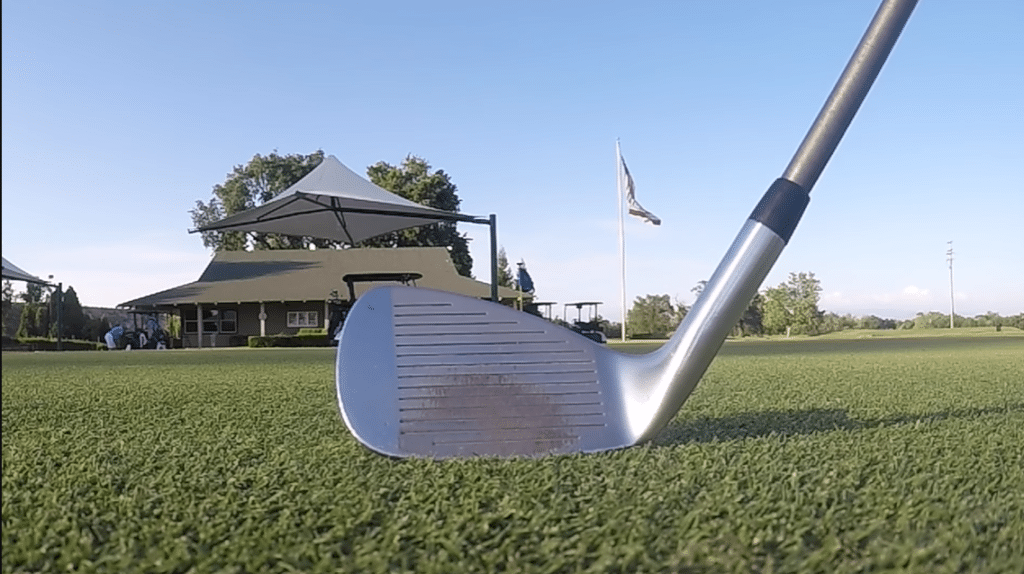
Beginning golf instruction requires minimal preparation beyond commitment to improvement and willingness to practice recommendations between lessons. The process starts with simple steps that lead to significant long-term results.
Booking Lessons and Program Registration
Most instruction programs offer online booking through club websites or apps. The process typically includes selecting an instructor based on teaching philosophy and schedule availability, choosing lesson length and package size, and scheduling the initial session at a mutually convenient time. Many facilities offer introductory sessions at reduced rates, allowing students to experience an instructor’s teaching style before committing to larger packages.
Before the first lesson, students should clarify their goals and experience level. Complete beginners need different instruction than players with established swings seeking specific improvements. Clear communication about objectives helps instructors design appropriate lesson plans and set realistic expectations for improvement timelines.
Equipment assessment often occurs during initial lessons. Instructors evaluate whether current clubs suit the student’s swing and skill level, identifying cases where inappropriate equipment hinders improvement. While expensive club purchases aren’t necessary for beginners, properly fitted clubs eliminate one variable that can prevent progress.
Commitment to Consistent Practice
Lesson frequency matters less than practice consistency. One lesson per month with regular practice produces better results than weekly lessons without practice between sessions. Instructors typically recommend practicing 2-3 times between lessons, applying lesson focus to targeted practice rather than mindlessly hitting balls.
Practice quality outweighs practice quantity. Thirty focused minutes working on specific positions or movements produces more improvement than two hours of unfocused ball-hitting. Instructors provide practice plans that maximize limited practice time, ensuring students know exactly what to work on and how to structure each practice session.
Patience with the Improvement Process
Golf improvement rarely follows linear paths. Students experience breakthroughs where skills suddenly click, plateaus where progress seems stalled, and occasional regression where old habits resurface. Understanding this pattern prevents discouragement during inevitable difficult phases.
Long-term improvement requires patience with short-term frustration. Swing changes feel uncomfortable initially and may temporarily hurt performance before producing improvement. Students must trust the process and maintain focus on practice quality rather than immediate results. This patience, combined with quality instruction and consistent practice, eventually produces the improvement that makes golf more enjoyable.
Much like the comprehensive member development approach at premier clubs, successful golf instruction recognizes that improvement encompasses technical skills, course management, mental game, and social enjoyment. Programs that address all these dimensions create complete golfers who shoot lower scores while genuinely enjoying the game.
Elevating Your Game in Highlands Ranch
Golf instruction in Highlands Ranch provides pathways for improvement regardless of current skill level or golf goals. From beginning programs that introduce fundamentals to advanced coaching that refines accomplished games, quality teaching accelerates development while making the learning process enjoyable.
The key to successful improvement lies in finding the right instruction format and instructor for your learning style, committing to consistent practice between lessons, and maintaining patience through the inevitable challenges that golf presents. Whether seeking to break 100 for the first time, lower your handicap to single digits, or simply make golf more enjoyable, professional instruction provides guidance that independent practice cannot replicate.
Highlands Ranch’s instruction programs, led by PGA-certified professionals and supported by comprehensive practice facilities, offer everything needed for significant golf improvement. The combination of quality teaching, modern technology, and varied lesson formats creates an environment where golfers at all levels can develop skills, build confidence, and discover why golf becomes a lifetime pursuit for those who experience its rewards.