
Sapphire Valley Golf: Playing the Mountains Near Cashiers, NC
Golf in the Sapphire Valley region of North Carolina is something different from what you find on a flatland course. The elevation changes are real, the air is noticeably cooler, and the scenery makes it genuinely difficult to focus on your scorecard. If you’re exploring mountain golf near Cashiers, NC, this page covers everything worth knowing, from course conditions and seasonal play to what private club membership looks like in this part of the Blue Ridge.
Essential Overview
- Sapphire Valley golf offers true mountain conditions at elevations between 3,000 and 3,500 feet in western North Carolina.
- According to the National Golf Foundation, mountain golf courses see 15 to 20 percent shorter driving distances per 1,000 feet of elevation above sea level, meaning your ball carries differently here.
- The Cashiers and Sapphire Valley area offers a mix of private clubs and resort-affiliated courses, with play ranging from early spring through late fall.
- Burlingame Country Club in Cashiers sits along the Horsepasture River and features an 18-hole championship course designed by Tom Jackson.
- Prospective members can connect with Jennifer Webb at (828) 966-9200 to schedule a personal tour of the course and grounds.
Table of Contents
- What Makes Mountain Golf Different
- The Sapphire Valley and Cashiers Golf Region
- Course Conditions and Seasonal Play
- Elevation and How It Changes Your Game
- The Tom Jackson Course at Burlingame
- Golf and the Full Mountain Club Experience
- Practice Facilities and Getting Your Game Ready
- Golf Membership vs. Daily Fee Play
- The Horsepasture River Setting
- What to Expect on Your First Round
- Frequently Asked Questions
- Summary
What Makes Mountain Golf Different
Mountain golf asks more of you, and that’s precisely why golfers who’ve played it tend to prefer it. The terrain is never flat. Every hole presents a decision about elevation, wind direction, and how the ball will behave on a hillside lie. That kind of variety keeps the game interesting in a way that a manicured lowland course simply cannot replicate.
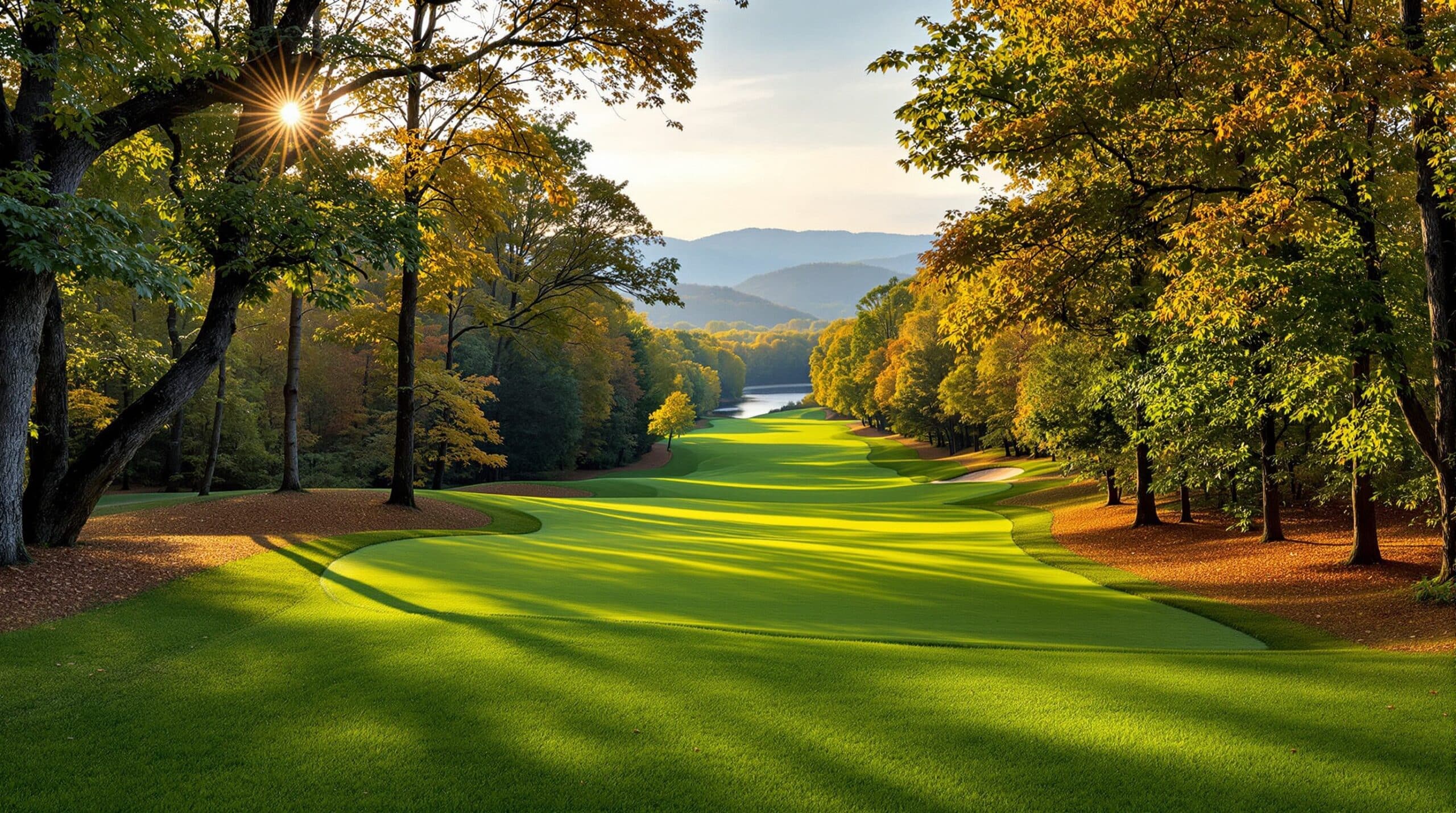
At elevations around 3,000 to 3,500 feet, the air is thinner and the ball carries farther than you’re used to. But the slope and terrain more than compensate. You’ll hit shots you’ve never hit before, not because the course is gimmicky, but because the natural geography demands creativity.
The Appalachian mountain setting also means that the visual experience is part of the round. Ridgelines framing a fairway, morning mist sitting in the valley below, the way afternoon light falls through a stand of hardwoods, all of it is part of playing golf in this region. It’s not incidental to the game. It’s woven into every hole.
The Sapphire Valley and Cashiers Golf Region
The Sapphire Valley and Cashiers corridor in western North Carolina represents one of the most appealing mountain golf destinations in the Southeast. Positioned in Jackson and Transylvania counties, this area sits at the edge of the Nantahala National Forest and draws golfers from Charlotte, Atlanta, and beyond who want a season-long alternative to humid lowland heat.
The region’s geography creates naturally cooler summers, with average highs in the low 70s during July and August according to the NOAA climate database for the western NC mountains. That means golf is genuinely comfortable here when it’s 95 degrees and suffocating two hours away. For golfers who live in or near the Piedmont, Sapphire Valley golf has a practical appeal that goes beyond scenery.
The communities around Cashiers and Sapphire Valley include Lake Toxaway, Glenville, and the Cullowhee area, all of which contribute to a tight-knit mountain golf culture. Members here tend to know each other. Rounds often become social events that extend into dinner, which is one reason a private club experience fits this region especially well.
Course Conditions and Seasonal Play
Mountain courses in the Sapphire Valley area typically open in late March or early April and run through November, weather permitting. The cooler temperatures that make summers comfortable also mean springs arrive a bit later and falls wrap up sooner than you’d see on a Lowcountry or Piedmont course.
Month-by-Month Overview
- March to April: Early season with soft fairways and cooler temperatures, ideal for players who don’t mind a jacket in the morning.
- May to June: Conditions firm up, wildflowers are out, and afternoon thunderstorms are common but brief.
- July to August: Peak season with ideal temperatures, firm greens, and the longest days for late afternoon rounds.
- September to October: Fall foliage begins in late September and peaks in mid-October, which many regulars call the best two weeks of the golf year here.
- November: Shorter days and dropping temperatures, but crisp air and hardwood color make for memorable late-season rounds.
Greens in this region tend to run slightly slower in the shoulder seasons due to cool overnight temperatures affecting bentgrass growth rates. By midsummer, course conditions reach their peak. Most private clubs in the area maintain their own turf programs and schedule aeration windows in spring and late summer, so it’s worth asking about those windows when planning a trip.
Elevation and How It Changes Your Game
Playing at elevation changes your club selections in ways that matter from the first tee. The standard rule of thumb is that a golf ball travels roughly one percent farther for every 1,000 feet above sea level. At 3,500 feet, you might pick up 15 to 20 yards on a well-struck drive compared to sea level.
Practical Adjustments Most Golfers Miss
- Club down on approach shots, especially into elevated greens where the ball will carry longer and land softer.
- Expect more break on downhill putts, since greens on sloped mountain terrain tend to be faster downhill than they appear.
- Factor in sidehill lies more aggressively than you would on a flat course. The ball flight curves more noticeably from uneven stances.
- Wind direction shifts frequently at elevation, especially in the afternoon. Check the treetops, not just the flag.
- Uphill approach shots to elevated greens can play two to three clubs longer than the yardage suggests.
None of this makes the game harder, exactly. It makes it more interesting. Golfers who spend a full season on a mountain course develop a sharper short game and a better read of natural terrain than players who only ever hit from flat lies.
The Tom Jackson Course at Burlingame
Burlingame Country Club’s 18-hole championship course was designed by Tom Jackson, a golf course architect known for courses that work with natural topography rather than against it. The Burlingame layout makes full use of its setting along the Horsepasture River, with holes that follow the natural contours of the Blue Ridge terrain at elevations between 3,000 and 3,500 feet.
Jackson’s design philosophy tends to favor strategic playability over pure difficulty. The course rewards intelligent shot selection and punishes poor course management more than raw distance. That approach suits the mountain setting well, where the terrain already provides enough natural challenge without artificial difficulty.
The routing at Burlingame moves through hardwood groves, along river corridors, and across ridgelines that deliver views most golfers would stop and photograph if they weren’t in the middle of a round. The course changes meaningfully with the seasons, from the open sight lines of early spring to the full canopy of midsummer to the color-saturated weeks of October. Learn more about golf at Burlingame and see what a round here actually looks like.
Golf and the Full Mountain Club Experience
Golf is the anchor, but the full Burlingame experience extends well beyond the 18th green. Members here move through the day in a way that a daily-fee course simply can’t offer. A morning round leads naturally to lunch at one of the six indoor and outdoor dining venues, where the menu draws on seasonal mountain ingredients.
The connection between the golf experience and the broader club lifestyle is one of the things that distinguishes a private mountain club from a resort stop. You’re not a visitor. You’re a member of a community built around shared values around outdoor living, good food, genuine friendship, and the particular kind of contentment that comes from spending a week with nothing more pressing than a tee time and a dinner reservation.
The club also offers tennis and pickleball, fitness facilities, and access to the natural recreation that defines the Cashiers region, including hiking, fly fishing, and swimming. A golf trip to Burlingame can turn into a full week without a single hour of repetition.
Practice Facilities and Getting Your Game Ready
A strong practice setup matters when you’re preparing for mountain terrain. The practice facilities at Burlingame give members space to work on the specific shots the course demands: uphill lies, sidehill chip shots, and long-range irons into elevated targets.
What Good Mountain Practice Looks Like
- Spend time on uneven lies at the practice area before your first round on a new mountain course.
- Work on chip shots from tight mountain rough, which behaves differently than manicured fairway grass.
- Practice three-quarter swings for punch shots under tree canopies, which come up regularly on wooded mountain layouts.
- Roll putts on the practice green with extra attention to the low side of breaking putts, since mountain greens tend to reward playing more break.
- Use range time to recalibrate your distance perception at elevation before committing to club choices on the course.
Members who take the practice facilities seriously tend to drop strokes within the first few rounds. The mountain game rewards preparation, and the transition from flatland golf to mountain terrain takes most players two or three rounds to fully absorb.

Golf Membership vs. Daily Fee Play
The difference between playing mountain golf as a visitor and playing it as a member is hard to overstate. Daily fee courses give you access to a round. Membership gives you access to a community, a home course you know intimately, and the kind of accumulated experience that turns golf from a pastime into something that’s genuinely part of how you live.
| Feature | Daily Fee Play | Private Membership |
|---|---|---|
| Course access | Subject to availability | Priority tee times |
| Knowledge of the course | Builds slowly over visits | Deep familiarity over a season |
| Social connection | Limited to fellow visitors | Full member community |
| Dining and amenities | Clubhouse snack bar access | Full club dining and facilities |
| Event participation | Open tournaments only | Member tournaments, club events |
For golfers who return to the Sapphire Valley and Cashiers area every summer, membership often becomes the natural next step after a few seasons of visiting. The membership options at Burlingame are worth exploring if that describes where you are right now.
The Horsepasture River Setting
The Horsepasture River runs through the Burlingame property, and it shapes the golf experience in ways that go beyond aesthetics. Several holes play along or across the river corridor, and the natural sound and movement of the water creates an atmosphere that’s genuinely different from any course built on reclaimed land or engineered terrain.
The Horsepasture is a designated Wild and Scenic River, which means the land around it carries legal protection that preserves the natural character of the corridor. Playing golf alongside a federally protected river ecosystem is not something you find on many courses. It brings a sense of stewardship to the round, a feeling that you’re a guest in a place worth taking care of.
The river also means wildlife. Great blue herons are a common sight on the lower holes. Wild turkey appear in the early morning. White-tailed deer at dusk are practically guaranteed during the fall season. The course at Burlingame sits inside a living ecosystem, and the game is better for it. You can learn more about the natural setting that surrounds the club.
What to Expect on Your First Round
Your first round at a new mountain course always involves a calibration period. The first few holes of a mountain layout ask you to set aside what you think you know about your distances and read each shot fresh. That’s not a disadvantage. It’s actually one of the things that makes mountain golf so engaging for experienced players who’ve started to find their home course a little too familiar.
At Burlingame, the first-round experience is shaped by the way the routing reveals itself gradually. Holes open up along the river, then climb into the hardwoods, then drop back to the valley floor. The variety within a single round keeps your attention through all 18 holes in a way that flatter courses rarely sustain.
If you’re visiting for the first time, plan to arrive early enough to spend time on the practice green and hit a bucket on the range. The elevation adjustment is real, and 20 minutes of practice before your round is worth two shots per nine. Then plan for dinner afterward. The dining experience at Burlingame is good enough that you’ll want to linger, and there’s no reason to rush back down the mountain.
You can also explore club events and tournaments that give visitors and prospective members a structured way to experience the course alongside the community. Overnight accommodations at the club make a weekend trip practical and genuinely relaxing.
Frequently Asked Questions
What is the elevation of the golf course at Burlingame Country Club?
The course at Burlingame Country Club plays at elevations between 3,000 and 3,500 feet above sea level. That elevation creates cooler summer temperatures and noticeably different ball flight conditions compared to courses at lower elevations. Most golfers find the cooler air and extended carry distance a pleasant adjustment that rewards strategic play.
When is the best time of year to play golf in the Sapphire Valley area?
July and August offer peak conditions with ideal temperatures and firm greens. Many regular players consider mid-September through mid-October the finest golf of the year because fall foliage is at its peak and the air is crisp without being cold. The season typically runs from late March or early April through November.
How does mountain elevation affect golf club selection?
At 3,000 to 3,500 feet, the ball carries roughly three to four percent farther than at sea level, which translates to roughly five to fifteen extra yards depending on your swing speed. Most experienced mountain golfers club down one club on full approach shots, especially when hitting into an elevated green where carry distance and a softer landing both work in your favor.
Is Burlingame Country Club open to non-members for golf?
Burlingame is a private club, and golf access is primarily reserved for members and their guests. Prospective members who are seriously considering joining can arrange a personal tour and introductory round through Jennifer Webb at (828) 966-9200. That’s the right path for anyone who wants to experience the course before making a membership decision.
What other activities are available alongside golf at Burlingame?
The club’s amenities extend well beyond the course. Members have access to tennis and pickleball courts, fitness facilities, six dining venues, the Rejuvenate Spa, and the natural recreation the Cashiers region offers, including hiking, fly fishing on the Horsepasture River, and swimming. A golf-centered stay at Burlingame rarely lacks for ways to fill an afternoon off the course.
Who designed the golf course at Burlingame Country Club?
Tom Jackson designed the 18-hole championship course at Burlingame. Jackson is a golf course architect with a strong regional reputation for designing courses that work with natural terrain rather than imposing artificial features on it. His approach at Burlingame prioritizes strategic shot-making and natural beauty over manufactured difficulty, which suits the mountain setting well.
What is the nearest airport for golfers visiting the Sapphire Valley area?
Asheville Regional Airport is the closest commercial airport and sits roughly 60 to 70 miles from the Cashiers area. Greenville-Spartanburg International Airport in South Carolina is another practical option, particularly for golfers coming from the Atlanta or Charlotte areas. The mountain drive to Cashiers on US-64 is scenic and takes about 90 minutes from Asheville.
Does Burlingame offer accommodations for golf trips?
Yes. Burlingame Country Club offers on-property accommodations that make a golf weekend genuinely easy to plan. Staying on the property means you’re steps from the first tee, the dining venues, and the spa, which removes all the logistics of staying off-site and shuttling back and forth. Explore the accommodations options to see what fits your trip.
Summary
Sapphire Valley golf near Cashiers, NC gives you something most courses can’t: a round shaped by genuine mountain terrain, cooler air, and a setting that makes the game feel worth playing again. The Burlingame Country Club course, designed by Tom Jackson and set along the Horsepasture River, brings all of that together with the added depth of a private club community. According to the National Golf Foundation, mountain golf courses consistently rank among the highest in member satisfaction nationally, which tracks with what golfers who’ve played in this region tend to say. If you’re ready to move past day trips and visitor rounds, a personal tour is the right next step. Connect with Jennifer Webb at (828) 966-9200 and see what a full season here looks like.
Ready to Play the Mountain Course
If a round in the Sapphire Valley region has been on your list for a while, Burlingame is a straightforward place to start. Reach out to Jennifer Webb directly at (828) 966-9200, or take a few minutes to Learn More about what a visit or membership looks like. No pressure, just a genuine conversation about whether this fits the mountain life you’re building.