

Why Western North Carolina Stands Out as a Premier Golf Destination
Western North Carolina has earned its reputation as one of America’s finest mountain golf regions through a combination of natural beauty, golf course architecture excellence, and year-round playability at elevations that transform how the game plays. The Blue Ridge Mountains provide the dramatic backdrop for over 40 championship courses where every round feels like a retreat into nature.
The elevation between 2,000 and 4,000 feet creates unique playing conditions you won’t find at sea level. Balls fly farther in thinner mountain air, requiring club selection adjustments that add strategic depth to familiar shots. Natural terrain provides course architects with elevation changes, mountain streams, and forested corridors that shape memorable holes impossible to replicate on flat land.
Golf in these mountains dates back to the late 1800s when wealthy visitors escaped Southern heat by traveling to cooler elevations, bringing their passion for golf with them. That heritage continues today through courses designed by legendary architects incluing Donald Ross, George W. Cobb, Tom Jackson, and Robert Trent Jones II. These designers understood how to work with rather than against mountain topography, creating layouts that feel organic to their settings.
The mild climate extends the golf season well beyond what you’d find in northern mountain regions. While summer remains peak season, spring blooms from April through May, and fall foliage from September through October provides spectacular playing conditions. Even winter offers golf opportunities during the many mild, sunny days that characterize Western North Carolina’s weather patterns.
Beyond golf, the region supports a complete mountain lifestyle with hiking trails, waterfalls, craft breweries, farm-to-table dining, and vibrant arts communities in towns like Asheville, Brevard, and Highlands. This comprehensive approach to mountain living defines the appeal of golf communities throughout Western North Carolina.
Overview of Western North Carolina Golf Regions
Western North Carolina golf divides into distinct geographic regions, each offering unique characteristics and course options. Understanding these regions helps you plan golf trips that match your preferences for accessibility, course variety, and surrounding attractions.
Asheville Area
Asheville serves as the cultural and economic hub of Western North Carolina, positioned at approximately 2,200 feet in elevation where the French Broad River flows through a mountain valley. The city and its immediate surroundings host numerous golf courses ranging from historic Donald Ross designs to modern resort layouts.
The Asheville region provides the most diverse golf options in Western North Carolina, with public municipal courses, daily-fee facilities, resort courses at destinations like the Omni Grove Park Inn, and private clubs serving local membership. This variety accommodates every budget and access preference, from affordable municipal rounds to premium resort experiences.
Asheville’s location makes it an ideal base for exploring golf throughout the region. You can reach courses in most other Western North Carolina golf regions within a 45-minute to 90-minute drive, allowing you to experience mountain golf diversity while enjoying Asheville’s restaurant scene, breweries, and cultural attractions.
Cashiers-Highlands Region
The Cashiers-Highlands plateau sits at elevations between 3,500 and 4,100 feet, creating some of North Carolina’s highest-elevation golf experiences. This region features predominantly private clubs, including Wade Hampton Golf Club, Cullasaja Club, and High Hampton Resort, with limited public access options.
High Hampton Resort provides public access through its stay-and-play model, while Sapphire National Golf Club historically served as the region’s primary public course before recent operational challenges. The predominance of private clubs reflects the area’s exclusive resort community character and real estate values.
Lake Toxaway Area
Lake Toxaway, located at approximately 3,000 feet elevation between Brevard and Cashiers, centers on the restored Lake Toxaway itself and the historic resort tradition dating to the early 1900s. The area features private clubs and real estate communities where golf integrates with lake activities and mountain recreation.
Lake Toxaway’s moderate elevation provides comfortable summer golf without the extreme altitude of the highest Cashiers-Highlands courses. The mix of water features from the lake and natural mountain terrain creates varied course designs that incorporate both elements into strategic play.
Sapphire Valley
Sapphire Valley encompasses the communities around the Horsepasture River at elevations between 3,000 and 3,500 feet. This region includes Burlingame Country Club, where Tom Jackson’s championship 18-hole design showcases mountain golf architecture at its finest, plus the 9-hole Red Bird Golf Links executive course.
Sapphire Valley’s location between Cashiers and Brevard positions it perfectly for golfers wanting access to multiple regions. The area maintains a more intimate scale than Asheville while offering complete mountain resort amenities, including comprehensive dining, wellness facilities, and lawn sports beyond golf.
Brevard Region
Brevard sits at approximately 2,200 feetin elevation in the French Broad River valley, positioning it at the lower end of Western North Carolina’s mountain golf region. The town serves as a gateway to Pisgah National Forest with its waterfalls, hiking trails, and mountain biking networks.
Connestee Falls Golf Courses, designed by George W. Cobb, provides the primary public golf option in Brevard. This semi-private facility welcomes outside play while serving the Connestee Falls residential community. The course winds through varied mountain terrain with elevation changes and scenic vistas characteristic of Western North Carolina golf.
Top Public and Semi-Private Golf Courses in Western North Carolina
Public and semi-private access courses allow golfers without club memberships to experience Western North Carolina mountain golf. These facilities range from historic layouts to modern designs, each offering distinct character and playing challenges.
Asheville Municipal Golf Courses
Asheville Municipal Golf Courses holds the distinction of being one of Western North Carolina’s oldest courses and the first integrated golf course in North Carolina. Donald Ross designed this historic layout in 1927, and it remains listed on the National Register of Historic Places.
The front nine allows driver use on most holes, creating opportunities for aggressive play. The back nine demands greater precision, favoring accurate iron play over distance. This contrast tests different aspects of your game across the full 18 holes.
Hurricane Helene in September 2024 caused severe damage to the front nine, currently limiting play and requiring eventual restoration work. Check the current status before planning a visit, as the facility adapts to these challenges while working toward full restoration.
Location: 226 Fairway Drive, Asheville, NC 28805 | Contact: (828) 298-1867
Omni Grove Park Inn Golf Courses
The Omni Grove Park Inn operates one of Western North Carolina’s most prestigious resort courses. Originally established in 1899 and redesigned by Donald Ross in 1926, the course has hosted PGA Tour events and maintains its reputation among the region’s finest resort golf experiences.
The course integrates seamlessly with the historic Grove Park Inn Resort, providing stay-and-play packages that combine golf with luxury accommodations and full resort amenities. The setting offers spectacular mountain views while maintaining the parkland character that defines classic resort golf.
Golf Advisor has rated the Grove Park Inn course among North Carolina’s top 100 courses, recognizing both its historical significance and its continued excellence in conditioning and playability. The course serves primarily resort guests and club members, with outside play available based on availability.
Location: Part of Omni Grove Park Inn, Asheville, NC | Contact: Resort for tee times and rates
Reems Creek Golf Club
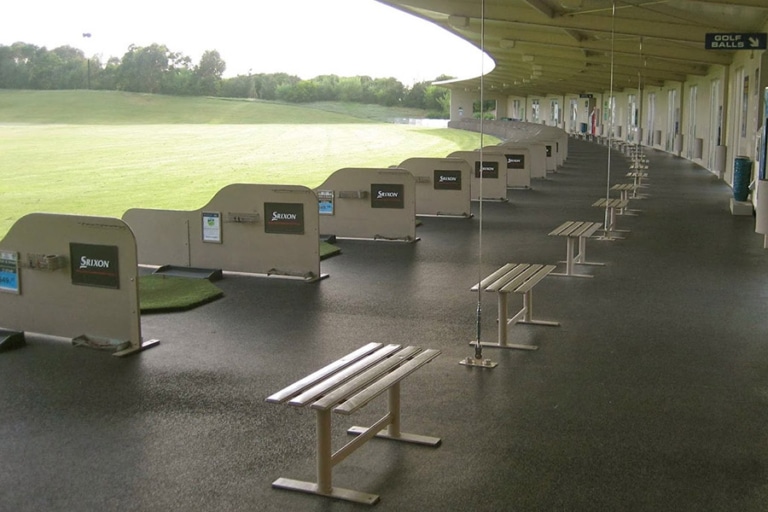
Reems Creek Golf Club sits just north of Asheville in Weaverville, offering a semi-private facility with public tee times available. The course has earned four stars in Golf Digest’s “Places to Play” guide, recognizing its quality conditions and mountain setting.
The layout captures Blue Ridge Mountain splendor in a secluded setting where natural beauty frames the golf experience. Conditioning remains consistently high, with well-maintained fairways, greens, and practice facilities. The course challenges players at multiple skill levels through strategic hole designs that reward smart play.
Membership options provide regular access along with amenities, including pool, tennis, and practice range privileges. Public golfers can book tee times to experience the course, though member play receives priority during peak times.
The Weaverville location places Reems Creek close enough to Asheville for convenient access while maintaining a quieter, more remote mountain feel. The surrounding area features classic mountain scenery without the development density found closer to Asheville proper.
Location: Weaverville, NC (north of Asheville) | Contact: (828) 645-4393
Black Mountain Golf Courses
Black Mountain Golf Courses, established in 1929, provides another historic mountain golf option east of Asheville. The course sits in the town of Black Mountain, approximately 17 miles from downtown Asheville, surrounded by spectacular Blue Ridge Mountain views.
This classic layout offers accessible golf at value pricing, making it popular with locals and visitors seeking quality mountain golf without premium resort rates. The course maintains traditional character dating to its 1929 origins while providing modern conditioning and amenities.
Weather permitting, Black Mountain Golf Courses operates daily except Christmas. The location in the Black Mountain valley creates a microclimate that often allows play when weather affects higher elevation courses. This reliability makes it a good backup option when mountain weather becomes unpredictable.
Location: Black Mountain, NC (17 miles east of Asheville) | Contact: (828) 669-2710
Sequoyah National Golf Club
Sequoyah National Golf Club, located approximately 45 minutes from Asheville in Cherokee, provides access to a Robert Trent Jones II design in the heart of the Great Smoky Mountains. Owned by the Eastern Band of the Cherokee, this public course offers spectacular mountain views on every hole.
Public access allows non-members to book tee times and experience this mountain golf gem. The course maintains tournament-quality conditions that surprise many visitors expecting a municipal-level facility.
Location: Cherokee, NC (approximately 45 minutes from Asheville) | Contact: (828) 497-3000
Connestee Falls Golf Courses
Connestee Falls Golf Courses in Brevard represent George W. Cobb’s mountain golf architecture at its finest. This semi-private course, opened in 1973, welcomes public play while serving the Connestee Falls residential community.
The par-72 layout plays 6,485 yards from the back tees with a course rating of 70.8 and slope of 125. The front nine winds through parkland settings among forests and hillsides, while the back nine features significant elevation changes and panoramic mountain vistas.
Practice facilities include a grass driving range with target greens, putting areas, and short game practice space. The pro shop maintains full equipment and apparel selection. PGA professionals provide instruction, clinics, and tournament coordination.
Location: 98 Overlook Clubhouse Drive, Brevard, NC 28712 | Contact: (828) 885-2005
High Hampton Resort Golf Courses
High Hampton Resort in Cashiers operates a George W. Cobb design that recently underwent renovation by Tom Fazio. The course serves primarily resort guests while accepting outside play based on availability.
The par-71 layout plays up to 6,903 yards from the longest tees with a course rating of 73.4 and slope rating of 140. The course combines natural beauty with strategic challenge, creating an experience that justifies the premium resort pricing.
Resort guests receive priority access as part of stay-and-play packages. Public play availability varies by season and resort occupancy. Premium green fees reflect the resort’s luxury positioning and comprehensive amenities.
Location: 1525 Highway 107 South, Cashiers, NC 28717 | Contact: (828) 743-2450
Red Bird Golf Links
Red Bird Golf Links provides accessible public golf within Sapphire Valley Resort. This 9-hole executive course features six par-3s and three par-4s spanning 32 acres along the scenic Horsepasture River.
Red Bird welcomes public play year-round, weather permitting. The facility offers the most accessible practice and playing opportunities in the immediate Cashiers-Sapphire Valley area, following Sapphire National Golf Club’s operational challenges.
Location: Sapphire Valley Resort, Sapphire, NC | Contact: (828) 743-1991
Notable Private Clubs and Western North Carolina Golf Culture
Private clubs throughout Western North Carolina maintain some of the region’s finest golf facilities while contributing significantly to mountain golf culture and traditions. While these clubs restrict play to members and their guests, understanding their role helps appreciate the complete golf landscape.
Wade Hampton Golf Club
Wade Hampton Golf Club in Cashiers ranks consistently among America’s top 100 golf courses. Tom Fazio’s design works masterfully with natural mountain terrain, creating a course that feels organic to its setting while providing championship challenge.
The club maintains a strict private status with no public play opportunities. Members and their guests experience one of golf’s most exclusive and highly regarded facilities. Wade Hampton’s reputation attracts serious golfers to the region and influences design standards at other mountain courses.
Cullasaja Club
Cullasaja Club, also in Cashiers, features an Arnold Palmer design that showcases Palmer’s approach to mountain golf architecture. The club provides comprehensive amenities beyond golf, supporting a full mountain lifestyle for members.
Palmer’s personal involvement in the layout created a course that balances playability with strategic interest. The design philosophy emphasizes enjoyment across skill levels while maintaining championship credentials.
Burlingame Country Club
Burlingame Country Club in Sapphire Valley represents the premier private club in its region, featuring Tom Jackson’s championship 18-hole design at elevations between 3,000 and 3,500 feet. The course showcases mountain golf architecture excellence through the strategic use of natural terrain.
Jackson’s design philosophy collaborates with Burlingame’s landscape of mountains, vistas, rivers, lakes, waterfalls, and old-growth forests. The result mesmerizes members and guests through golf that feels inseparable from its mountain setting.
The club’s comprehensive amenities extend well beyond golf, including tennis, pickleball, and croquet facilities, six distinct dining venues, Rejuvenate Spa and Wellness Center, and hiking trails throughout the 1,450-acre property. This holistic approach to mountain club life creates a community of over 600 members who share a passion for outdoor activities and mountain living.
The Culture of Mountain Golf in Western North Carolina
Private clubs throughout the region share certain characteristics that define Western North Carolina golf culture. Respect for natural beauty and environmental stewardship guides course maintenance and development decisions. Clubs integrate with rather than dominate their mountain settings.
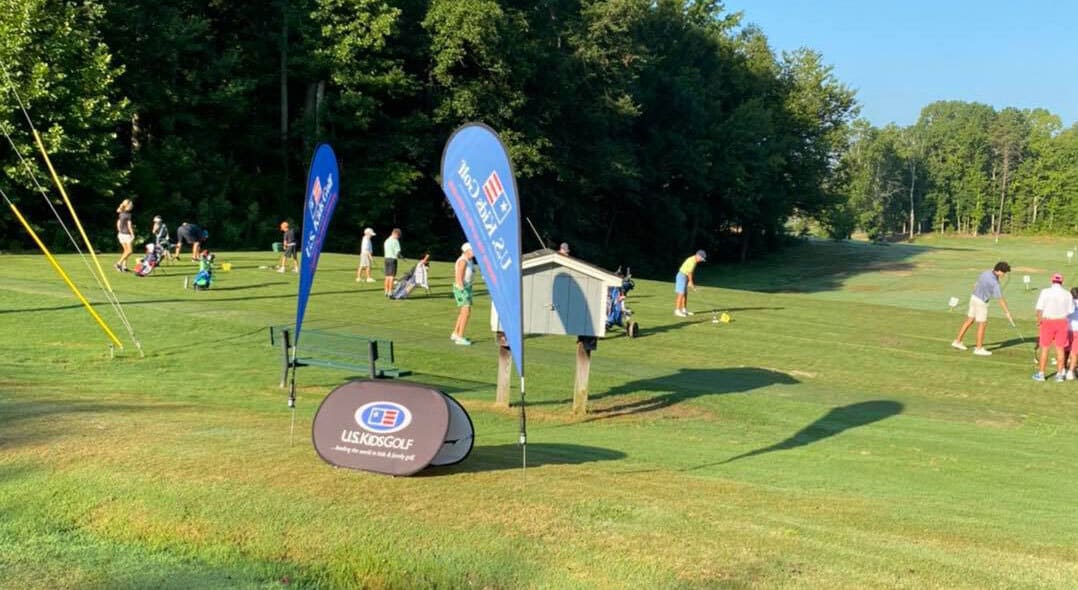
Family programming reflects Mountain Golf’s multi-generational appeal. Junior golf development, family events, and activities beyond golf create inclusive environments where entire families engage with club life. This approach differs from clubs focused primarily on serious competitive golf.
Mountain Golf Characteristics Unique to Western North Carolina
Western North Carolina golf presents playing conditions and strategic challenges distinct from golf at lower elevations. Understanding these characteristics helps you prepare for mountain golf and appreciate what makes it special.
Elevation Effects on Ball Flight and Distance
Approach shots to elevated greens require an additional club beyond what the distance alone suggests. A 140-yard shot climbing 30 feet of elevation might play like 155 yards. Conversely, downhill shots travel farther than the yardage indicates, sometimes requiring two clubs less than the measured distance.
Wind affects ball flight more dramatically at elevation, where reduced air density means less stabilization of the spinning ball. A breeze that would barely influence shots at sea level can move balls significantly on mountain courses. Reading wind and adjusting aim points becomes more important.
Terrain and Lie Variations
Mountain courses present lies you rarely encounter on flat layouts. Sidehill lies where the ball sits above or below your feet require stance adjustments and compensation for the ball’s tendency to curve. Uphill and downhill lies affect swing plane and distance control.
Rocky soil and faster drainage mean firmer conditions than you might find on courses built in clay or loamy soils. Balls release more upon landing, requiring different trajectory management than courses where shots spin and stop quickly.
Strategic Elements from Natural Terrain
Course architects working with mountain terrain incorporate natural features that shape strategic decisions. Ravines and stream corridors create forced carries that demand sufficient distance to clear hazards. These natural penalties can’t be removed or modified like man-made bunkers.
Green complexes built into natural terrain feature more severe slopes and falloff areas than greens constructed on flat land. Missing on the wrong side might mean the ball rolls 30 yards away into the collection areas. Knowing where to miss becomes as important as hitting greens in regulation.
Scenic Beauty as Distraction and Inspiration
Mountain vistas, waterfall sounds, and dramatic natural settings create both distraction and inspiration. The spectacular 13th hole at Sapphire National, with its waterfall backdrop, or the panoramic views from elevated tees throughout the region, can break concentration if you’re not disciplined.
Successful mountain golf requires balancing appreciation for natural beauty with focus on shot execution. Take in the views between shots, then narrow your concentration to the immediate task. This mental discipline separates golfers who score well on mountain courses from those who let scenery undermine performance.
Weather and Climate Considerations
Mountain weather changes rapidly, with afternoon thunderstorms common during the summer months. Morning tee times often provide better conditions with clearer skies before afternoon heating triggers storm development. Lightning safety becomes a serious concern in exposed mountain settings.
Temperature variations with elevation create different playing conditions at courses separated by just a few miles. A hot day in Asheville at 2,200 feet might be perfectly comfortable at 3,800 feet in Cashiers. Layer clothing to adjust as temperatures change throughout your round.
Best Times to Play Golf in Western North Carolina
Timing your Western North Carolina golf visit affects conditions, rates, crowds, and overall experience. Each season offers distinct advantages and challenges.
Spring Golf Season (April – May)
Spring brings mountain golf courses back to life after winter dormancy. April typically marks reliable golf weather, though early April can still see cold mornings and occasional frost delays. By mid-April, conditions stabilize with daytime temperatures reaching comfortable 60s and 70s.
Flowering mountain vegetation creates beautiful settings in late April and May. Dogwoods, azaleas, rhododendrons, and other native flowers add color throughout courses. The natural beauty rivals fall foliage for visual appeal.
Weather variability remains higher in spring than in summer. Pack layers and rain gear even when forecasts look favorable. Mountain weather systems can develop quickly, turning sunny mornings into afternoon showers.
Peak Summer Season (June – August)
Summer brings Western North Carolina golf to peak conditions and peak demand. Courses operate at full capacity with maintained greens running at the fastest speeds, firm fairways providing maximum roll, and comprehensive daily conditioning that keeps facilities in tournament shape.
Weather reliability reaches its highest during the summer months. While afternoon thunderstorms remain possible, mornings typically provide excellent playing conditions. The elevation keeps temperatures more moderate than those in lower elevations, making summer golf comfortable when coastal areas become oppressively hot.
Fall Golf Season (September – October)
Fall represents many golfers’ favorite Western North Carolina season. Foliage begins changing color in late September at higher elevations, progressing to peak brilliance in mid-October before leaves drop by early November. The natural beauty creates unforgettable golf settings.
Weather becomes more variable in late October with frost possible at higher elevations. Early morning tee times might face delays until the frost melts. Pack additional layers for morning rounds, even when afternoon temperatures reach comfortable levels.
Winter Golf Season (November – March)
Winter brings the most unpredictable conditions and limited reliable golf opportunities. Lower elevation courses around Asheville and Brevard offer the best winter golf prospects with more frost-free days than higher elevation facilities.
Courses maintain basic conditioning but don’t achieve summer quality. Dormant Bermuda grass at some facilities creates brown fairways. Cart path-only rules are common to protect wet or soft conditions. Lower expectations for course conditions prevent disappointment.
Experience Championship Golf at Burlingame Country Club in Sapphire Valley

Burlingame Country Club exemplifies Western North Carolina mountain golf at its finest. Tom Jackson’s championship 18-hole design integrates seamlessly with the natural mountain landscape at elevations between 3,000 and 3,500 feet, creating golf that challenges and inspires.
Beyond golf, Burlingame presents comprehensive mountain club amenities that support active lifestyles. Tennis, pickleball, and croquet facilities provide lawn sports options. Six dining venues offer everything from quick lunches to multi-course wine society dinners. The Rejuvenate Spa and Wellness Center delivers fitness, yoga, massage, and therapeutic services.
The community of over 600 members shares a passion for mountain living and outdoor adventure. The club balances exclusivity with genuine warmth, creating an environment where members share memories and traditions rather than just amenities. From seasonal celebrations to impromptu gatherings, life at Burlingame emphasizes connection to nature, to each other, and to the timeless rhythms of mountain living.
Contact Burlingame Country Club to schedule a personal tour and discover why members call it “The Best of Times.” Experience firsthand how championship golf combines with comprehensive amenities and a welcoming community to create Western North Carolina’s premier private club.
Frequently Asked Questions About Western North Carolina Golf
What makes Western North Carolina golf different from golf at sea level?
Elevation between 2,000 and 4,000 feet creates thinner air that reduces resistance on golf balls, increasing carry distance 5 to 10 percent beyond sea level performance. Natural mountain terrain provides elevation changes, uneven lies, and dramatic settings impossible to replicate on flat courses. The combination of altitude effects and terrain variations demands strategic adjustments and club selection changes throughout mountain rounds.
Are there public golf courses in the Cashiers-Highlands area?
Public access in the Cashiers-Highlands region is extremely limited. High Hampton Resort offers golf primarily to resort guests through stay-and-play packages. Red Bird Golf Links in Sapphire Valley provides the most accessible public option nearby. Sapphire National Golf Club historically served as the primary public course, but currently faces operational challenges. The region features predominantly private clubs with restricted member-only access.
Can I walk the Western North Carolina mountain courses?
Walking depends on specific course policies and terrain severity. Some courses allow walking at all times, others restrict walking during peak periods, or require carts due to extreme elevation changes between holes. Courses like Black Mountain Golf Courses and Red Bird Golf Links are walkable for players in reasonable fitness. Courses with severe elevation and long distances between holes make walking impractical. Verify individual course walking policies when booking tee times.