
Key Takeaways
Mountain family traditions in Western NC are shaped by the region’s four-season climate, its forests, rivers, and the kind of slower rhythm that pulls generations back year after year. From firefly-lit summer evenings to frost-covered autumn mornings, these rituals grow roots. They become the stories families tell long after the mountains fade from view.
- Western NC’s elevation and seasonal variety create natural anchors for family rituals across every age group
- Outdoor traditions like fly fishing, hiking, and stargazing are woven into the region’s cultural identity
- Multi-generational gatherings thrive here because the mountains offer something meaningful for every member of the family
- Community settings in Sapphire Valley support traditions that feel both spontaneous and time-honored
- The climate itself, with cool summers and vivid autumn color, becomes part of the tradition
Where the Mountains Make the Memory
There is something about the air in Western North Carolina that slows everything down. The elevation, somewhere between 3,000 and 4,700 feet across much of the region, softens summer heat into something almost gentle. Mornings carry a chill even in July. Evenings smell of pine and creek water. And somewhere in that particular combination of climate and landscape, families find themselves exhaling in a way they rarely do anywhere else.
Mountain family traditions in Western NC are not invented. They are discovered, usually on the second or third visit, when the rhythm of the place starts to feel familiar. The grandfather who wakes early to sit on the porch with coffee. The children who run to the same creek bend every single time. The grandmother who knows exactly where the best autumn color breaks along the ridge. These are not scheduled events. They are what happens when a place becomes yours.
According to FEMA’s community resilience resources, strong place-based community ties measurably improve mental well-being across generations, a truth mountain families in this region seem to have known intuitively for a very long time. The mountains of Western NC do not just host your vacation. Over time, they hold your story. For complete coverage of how the seasons shape life here, see our Western NC Mountain Weather and Climate: A Complete Guide resource on Western NC mountain weather and climate.
Summer Evenings That Belong in a Photograph
Summer in Western NC arrives softly. Unlike the heavy, pressing heat of the Carolina piedmont below, the mountain summer is a different season entirely. Average high temperatures in Cashiers and the Sapphire Valley hover around 75 to 80 degrees Fahrenheit, which means afternoons spent outdoors without counting the minutes until shade. According to the ASHRAE climate data resources, the Western NC highlands qualify as one of the few genuinely temperate summer zones east of the Rockies.
What do families actually do on summer evenings in the mountains?
They gather. That is the short answer. They drag Adirondack chairs to the edge of the lawn and watch the light change on the ridgeline. They set up lawn games that started as a distraction for the children and ended with grandparents winning. They grill things slowly. They stay outside later than planned because nobody wants to be the one to say it is over. There is a particular quality to a Western NC summer evening, full of fireflies, full of the sound of water somewhere close, that makes leaving feel impossible.
How does the climate support outdoor family traditions in summer?
The cool air and lower humidity create a window of outdoor comfort that stretches from May through September. Families can hike in the morning, eat outside at noon, and still be comfortable on the porch at nine in the evening. That kind of all-day outdoor access is rarer than people realize, and it becomes the scaffolding on which traditions are built. The fishing trip becomes a morning ritual. The evening walk becomes the day’s quiet close.
The Long Romance of Autumn Color
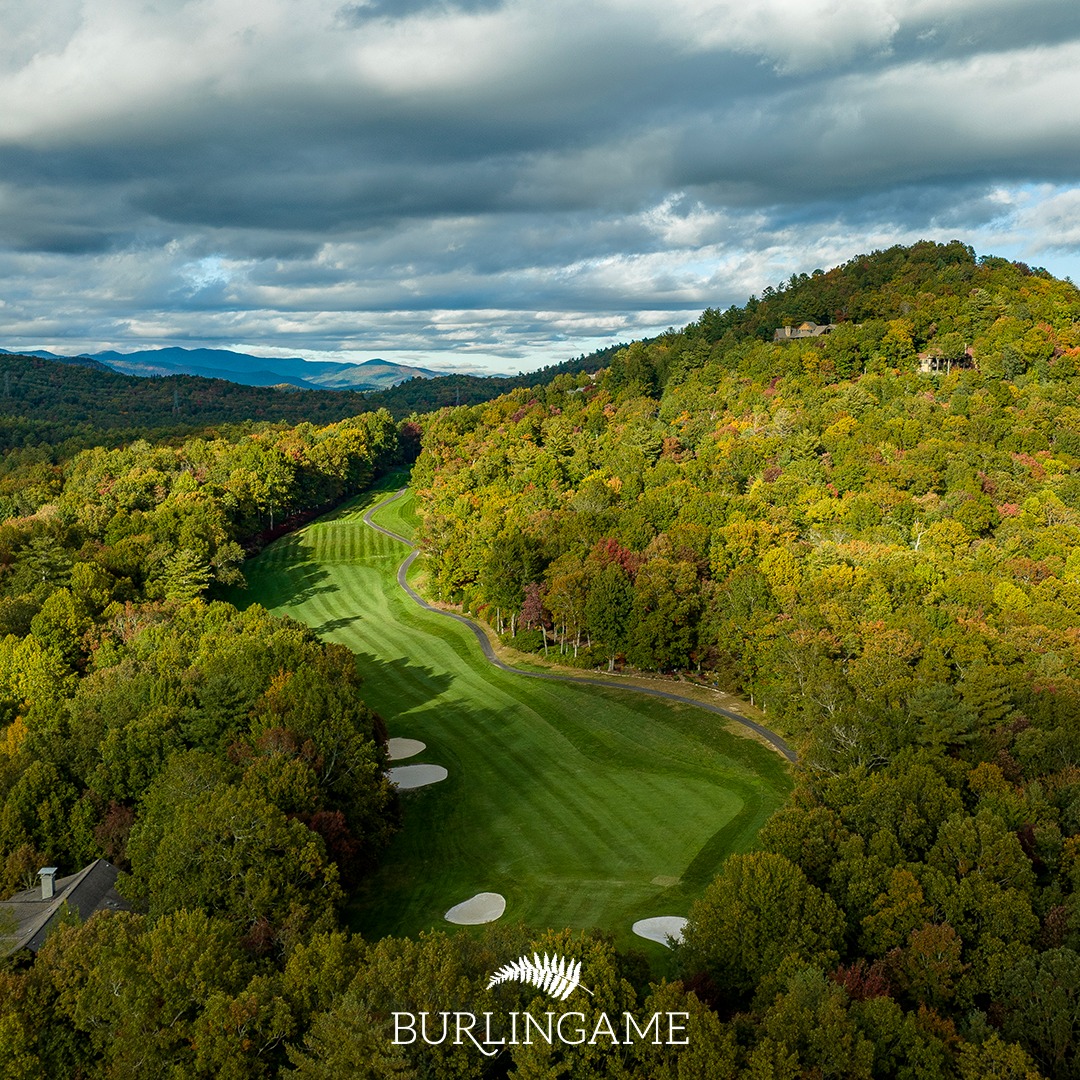
If summer is the season of doing, autumn in Western NC is the season of seeing. The color arrives in waves, starting at the highest elevations in late September and working its way down through October. Yellows and oranges and reds stack against each other on the ridgelines in a display that people plan trips around, sometimes years in advance. According to the U.S. Forest Service, Western NC contains some of the most diverse hardwood forest in the eastern United States, which directly produces the range and intensity of fall color the region is known for.
Why do families return every autumn to the same places?
Because the color is never exactly the same twice. The timing shifts. The specific trees change year to year. There is always something new to see along a route you have walked a dozen times before. And there is something about chasing that particular beauty together, parents pointing out a burning red maple to children who will one day point it out to their own, that stitches generations together in a very quiet way.
What autumn traditions are common among mountain families in this region?
Apple picking and cider pressing still happen at small orchards throughout the region. Families hike to overlooks they have claimed as their own. They drive the same winding roads slowly, windows down, arguing pleasantly about which stretch is the most beautiful. They eat soup at the same table they have eaten soup at every October for years. These are small rituals, but they accumulate into something that holds.
Cold Mornings and the Quiet of Winter
Western NC winters are not severe by mountain standards, but they are genuinely cold. Overnight temperatures in Cashiers regularly drop into the low 20s from December through February. Snow falls, sometimes significantly, and when it does, the mountains become a different world entirely. Quiet. White. Slow in the best possible way.
What do families do in winter months in the mountains?
They slow down with the landscape. Winter in the mountains is a season of fires in the fireplace and long dinners and board games that go three rounds longer than expected. It is the season when the community feel of a place like the Sapphire Valley tightens, because everyone who is still here in January is here because they genuinely love it. Burlingame Country Club offers year-round programming that keeps mountain families connected through the colder months, with indoor fitness, dining, and social events designed for the members who call this place home in every season.
Is winter a good time to introduce the next generation to mountain life?
It is, actually. Children raised on winter mountain weekends develop a relationship with cold and quiet that serves them well. They learn to read the sky for snow. They learn what a creek sounds like when it is half-frozen. They learn that comfort does not always require warmth, that sometimes the best feeling is the cold outside air and the warm room waiting at the end of a walk.
Fly Fishing as a Family Rite of Passage
Western NC has some of the finest trout water in the eastern United States. The rivers and streams of the region, fed by consistent mountain rainfall and cooled by elevation, support wild trout populations that draw serious anglers from across the country. According to EPA data on watershed health, the Southern Appalachians contain over 3,700 miles of streams considered high-quality coldwater habitat. That is the kind of water that turns a fishing trip into a tradition.
How does fly fishing become a family tradition across generations?
It starts with someone teaching someone else how to read the water. Where the current breaks. Where the fish hold. Where to place the fly so it drifts naturally. That act of teaching is itself a ritual, passed from grandparent to parent to child over years of standing in the same cold river. The river becomes the classroom. The patience required becomes the lesson. And at some point, the child who once fidgeted on the bank is standing in the current, teaching someone younger.
What rivers and streams are part of Western NC’s fly fishing culture?
The Tuckasegee, the Davidson, the Chattooga headwaters, and dozens of smaller tributaries wind through the region. Many are accessible with a guide, and several communities in the Sapphire Valley area have private water access that makes quiet, unhurried fishing possible. The experience of fishing water that is not crowded, where the only voices are family voices, is something that does not translate into photographs but lodges permanently in memory.
Stargazing and the Sky That Belongs to No One
One of the least expected gifts of Western NC mountain life is the sky. Elevation and low light pollution combine to produce a night sky that most urban families have genuinely never seen. On a clear mountain night, the Milky Way is not a metaphor. It is a literal river of light overhead, and it stops people in their tracks every single time.
Why does stargazing become a lasting family tradition?
Because it requires nothing and gives everything. No equipment is needed, though telescopes and binoculars add layers of discovery. The ritual is simply walking outside after dinner, letting eyes adjust to the dark, and looking up. Grandparents name constellations they learned decades ago. Children ask questions nobody can fully answer. The sky creates the same sense of wonder in everyone, regardless of age, and that shared wonder is exactly what family traditions are made of.
How does the mountain climate support good stargazing conditions?
Cool, dry air at elevation means less atmospheric interference than in lowland areas. The region averages significant clear-sky nights through summer and fall. According to EPA environmental quality data, the Southern Appalachian highlands consistently register among the cleanest air quality zones in the eastern United States, which correlates directly with exceptional nighttime visibility. Families who discover this often build entire trip itineraries around a clear-night forecast.
Community Gatherings and the Ritual of Belonging
There is a kind of gathering that only happens in places where people have chosen each other, not just proximity. Mountain communities in Western NC, particularly in planned residential settings, have a way of becoming genuine families. The neighbors who appear with an extra pie at Thanksgiving. The families whose children grew up swimming in the same pool and now bring their own children back. The older members who remember when the trees were smaller.
Burlingame Country Club, located in Cashiers, NC, has served as that kind of gathering place for families across generations, a place where the social calendar is built around seasons and shared experience rather than obligation. According to Insurance Information Institute lifestyle research, community belonging is among the top factors cited by retirees when choosing a permanent second home location, outranking climate and amenities in many surveys. The mountains of Western NC tend to offer all three.
What kinds of community traditions develop in mountain club settings?
They are modest and consistent. The Fourth of July gathering at the water. The fall cookout when the leaves peak. The holiday party that runs two hours longer than planned because nobody wants to leave. These are not elaborate productions. They are the quiet accumulation of shared experience, and they become the traditions that members describe when asked why they keep coming back.
For families interested in Highlands NC private club membership, the social fabric of Western NC mountain communities is one of the most consistently cited reasons people choose this region over others. The mountains attract people who want to be known, not just seen.
Frequently Asked Questions
What makes Western NC mountain traditions different from other mountain regions?
Western NC’s particular combination of temperate climate, biological diversity, and tight-knit community culture creates conditions for traditions that are both nature-based and socially rooted. The region’s elevation produces four genuinely distinct seasons, each offering its own outdoor opportunities. Families return not just for scenery but for the specific rhythm of life that the mountains here make possible, one that is slower, more intentional, and more connected to land and community than most American landscapes allow.
When is the best season to start family mountain traditions in Western NC?
Summer is the most common entry point because the climate is so welcoming, with cool temperatures and long days suited to outdoor activity. However, families who first visit in autumn often find the color and crispness immediately addictive. The most deeply rooted mountain families tend to have traditions in multiple seasons, returning in summer for outdoor activity and in autumn for the color, with some making winter visits part of the ritual as well.
How does the mountain climate affect what traditions families can build?
Significantly. The cool summers allow for all-day outdoor activity without heat interruption. The vivid autumn creates a natural annual anchor. The winter cold encourages the slower, interior traditions of fireside gathering and long meals. Each season has a different emotional register, and families who spend time in the mountains across multiple seasons often find that they have developed distinct traditions for each one, with different activities, different rhythms, and different family members taking the lead.
Are multi-generational mountain traditions common in the Sapphire Valley area?
They are among the most defining features of the community. The Sapphire Valley and surrounding areas attract families specifically because the landscape and community structure support multi-generational engagement. Grandparents can participate in the same outdoor experiences as grandchildren, scaled appropriately. The fly fishing trip, the evening walk, the porch gathering, these are not age-segmented activities. They are shared ones, which is why they persist across generations and become the stories families carry forward.
What outdoor activities anchor family traditions in Western NC?
Fly fishing, hiking, kayaking, swimming in mountain lakes, stargazing, and fall foliage drives are among the most common. Many families also build traditions around specific locations, a particular overlook, a favorite picnic spot, a bend in a river, returning to the same place year after year. The activity matters less than the repetition. Tradition is made of return, and the mountains of Western NC give families beautiful reasons to return.
How do mountain community clubs support family traditions across generations?
Community clubs in mountain settings provide the social infrastructure that sustains traditions over time. Swimming pools become the place where every summer begins. Dining rooms become where holiday meals happen when the family is at the mountain house. Tennis courts and fitness facilities keep multiple generations active and engaged across age ranges. The club calendar also creates community-wide traditions, shared events that individual families weave into their own seasonal rhythms, giving private traditions a public counterpart.
Does Western NC have enough seasonal variety to support year-round family visits?
Yes, and that variety is one of the region’s most distinctive features. Each of the four seasons offers genuinely different experiences, not simply variations on the same theme. Summer delivers outdoor recreation and community gathering. Autumn delivers visual spectacle and harvest traditions. Winter delivers quiet, cold beauty and interior warmth. Spring delivers waterfalls at peak flow and wildflowers along every trail. Families who commit to the full calendar often find the mountains become their most consistent anchor point, the place where the year is measured and marked.
Begin Your Own Mountain Story This Season
The traditions that last are the ones that start simply. A morning walk before breakfast. A spot by the water that becomes yours. A gathering that happens without much planning and ends with nobody wanting to leave. Western NC’s mountains are full of those beginnings, waiting for families who are ready to show up and let the place do what it does best. The elevation, the seasons, the rivers and ridgelines and night skies, they ask very little and give an enormous amount back. Please Contact Jennifer Webb – Membership Director for more information. Please use the form below or call 828.966.9200