
Key Takeaways
Sapphire Valley in Western North Carolina offers four genuinely distinct seasons, each shaping daily life, outdoor activity, and the rhythm of mountain community. From snow-dusted winters to wildflower springs, blazing summer afternoons, and fiery autumn color, the climate here runs on its own ancient calendar that draws families back year after year.
- Sapphire Valley sits at roughly 3,400 feet elevation, producing cooler summers and snowier winters than lowland Carolina
- Each season unlocks different outdoor pursuits, from waterfall hiking in spring to leaf-peeping drives in October
- Summer temperatures average in the low 70s°F, making the valley a natural refuge from Piedmont and coastal heat
- Winter snowfall averages 20 to 30 inches annually, creating a true four-season community feel
- The shoulder seasons, spring and fall, offer some of the most dramatic and intimate mountain experiences of the year
What Sapphire Valley Feels Like Across All Four Seasons
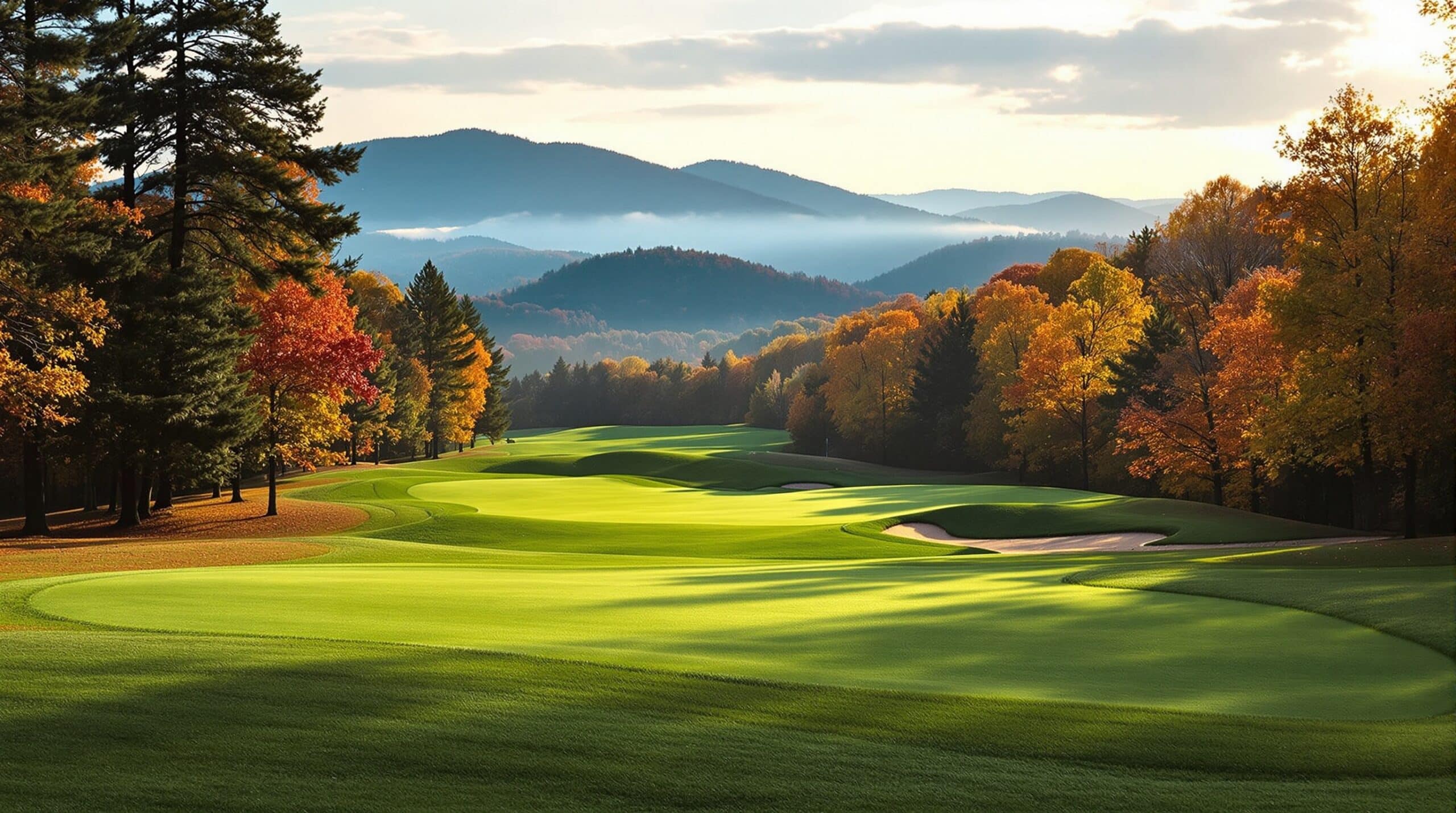
There is a moment in late October when the ridgelines above Sapphire Valley catch fire. Maples go amber and crimson. Sourwoods blush deep red. The whole valley seems to hold its breath, then exhale color down every slope and hollow. That moment is not an accident. It is the product of a climate as layered and deliberate as the geology beneath your feet, a place where the seasons do not merely change but transform the entire character of the land.
Sapphire Valley occupies a high plateau in Western North Carolina, tucked into the Blue Ridge Mountains at elevations hovering near 3,400 feet. That altitude is the engine behind everything. It keeps summer air cool and clean when the rest of the Southeast swelters. It draws moisture from passing storm systems and turns it into snow in January and February. It amplifies the spring wildflower bloom because the growing season comes later and slower here, each flower given more time to mean something.
According to the National Oceanic and Atmospheric Administration, mountain locations above 3,000 feet in the Southern Appalachians can run 10 to 15 degrees cooler than valley floors just 20 miles away. That difference is not trivial. It is the reason families have been returning to the Sapphire Valley area for generations, seeking relief and beauty in equal measure. Burlingame Country Club sits within this same storied landscape, and the rhythms of Sapphire Valley’s four seasons shape everything that happens here across the year.
For complete coverage, see our Western NC Mountain Weather and Climate: A Complete Guide resource on Western NC mountain weather and climate.
Spring in Sapphire Valley: When the Mountain Wakes Slowly
Why does spring feel different at 3,400 feet than at lower elevations?
Spring in the lowlands arrives in a rush. Daffodils in February, dogwoods by March, summer heat knocking on the door by April. In Sapphire Valley, spring takes its time. Frosts can linger into late April. The hardwoods leaf out in waves, the understory first and the canopy last, so the forest stays open and walkable longer than you might expect. Trillium, bloodroot, and lady slipper orchids bloom in sequence along trail edges as if the mountain is turning pages in a book it wrote itself.
Average high temperatures in April hover near 58°F, climbing to around 65°F by May. Nights still carry a chill that makes the morning fire feel necessary and good. Rainfall picks up through spring, feeding the waterfalls and streams that thread through the Sapphire Valley landscape. Whitewater Falls and Drift Falls run full and loud, audible from the trail before you ever see them.
What outdoor activities come alive in the spring months?
Spring hiking is perhaps the finest the valley offers. Trails that were muddy or icy in February become firm and fragrant. Wildflower spotters treat the woods like a gallery, checking known spots for bloodroot and Solomon’s seal. Fishing opens in earnest on the local trout streams, where cold, clear water runs fast off the snowmelt. According to the U.S. Fish and Wildlife Service, Southern Appalachian brook trout streams rank among the most ecologically significant cold-water habitats in the eastern United States.
Golf courses in the area, including the course at Burlingame Country Club, return to full playability as the ground firms up. The elevation means fairways stay cooler and the air carries that particular spring mountain freshness that makes every round feel like a small occasion.
Summer in Sapphire Valley: The Season That Draws Everyone In
How cool does Sapphire Valley actually stay during peak summer?
July and August average high temperatures in Sapphire Valley range from 72°F to 76°F. Mornings routinely start in the mid-50s, cool enough for a sweater on the porch. Afternoons are warm and bright, but rarely oppressive. Afternoon thunderstorms, common in the Southern Appalachians, roll through quickly and leave the air smelling of wet stone and forest damp.
The contrast with Charlotte, Atlanta, or Columbia is stark. Those cities average high temperatures above 90°F in July. The same week that has urban families retreating indoors, Sapphire Valley residents are hiking, paddling, and sitting on screened porches well past sundown. The CDC’s guidance on heat-related illness highlights that sustained temperatures above 90°F carry real health risks, which makes the mountain climate more than just comfortable. It is genuinely restorative.
What does a typical summer day in the valley look like for families?
It starts early. The light comes over the ridge around 7 a.m. and falls gold across the meadows. Mornings belong to the golfers, the hikers, and the people sitting quietly with coffee watching mist lift from the hollows. By mid-morning, the lake and pool draw the children. Afternoons drift toward tennis, pickleball, and long slow conversations on porches. Then the thunderstorm comes, if it comes, and everyone gathers inside for an hour before the sky clears and the light turns that particular honeyed amber of a mountain summer evening. Dinner runs late. No one is in a hurry. This is what summer in Sapphire Valley actually is.
Fall in Sapphire Valley: The Season People Drive Hours to See
When does fall color peak in the Sapphire Valley area?
Peak fall color in Sapphire Valley typically arrives between mid-October and late October, though the exact timing shifts year to year based on summer rainfall and September temperatures. The high ridges turn first, then color moves downslope over two to three weeks. At full peak, the valley holds more shades of orange, red, gold, and bronze than any paint chart could catalog.
According to the U.S. Forest Service, the Southern Appalachians host more than 80 native tree species, a diversity that produces some of the richest fall color displays in North America. Sapphire Valley sits inside this forest mosaic, surrounded by national forest land that amplifies and extends the color show in every direction.
What makes autumn the favored season for long-term mountain residents?
People who have spent many seasons in the valley often say fall is when the place reveals itself most honestly. The summer crowds have thinned. The air carries a clarity that feels like a gift. Hiking trails that were busy in August become quiet again. Temperatures settle into that ideal range, highs in the 60s, lows in the 40s, cool enough to feel like autumn but warm enough to spend all day outside without discomfort. Fires in the evenings stop being a novelty and become the natural center of the day’s end. The mountain is generous with its beauty in October, and residents here know to receive that generosity slowly.
Winter in Sapphire Valley: Quieter, Colder, Genuinely Beautiful
How much snow does Sapphire Valley typically receive each winter?
Snowfall in the Sapphire Valley area averages between 20 and 30 inches per season, though individual storms can deliver 8 to 12 inches in a single event. December through February are the primary snow months, with January historically the snowiest. The high elevation intercepts moisture from Gulf systems that pass to the south, wringing out snow that might fall as rain just 20 miles away at lower elevations.
Roads in the area can close temporarily after significant snowfall, and residents who stay through the winter describe a particular intimacy the season creates. The community draws closer. Neighbors check on neighbors. The valley’s population thins, but those who remain often say winter is when they feel most genuinely connected to the place.
Is Sapphire Valley a year-round community or a seasonal one?
Increasingly, both. Many property owners historically used Sapphire Valley as a summer destination, but that pattern is shifting. Remote work flexibility, improved road maintenance, and the growing appeal of four-season living have brought more year-round and near-year-round residents into the community. The U.S. Census Bureau has tracked consistent population growth in mountain counties across Western North Carolina over the past decade, reflecting broader movement toward mountain living as a primary lifestyle rather than a seasonal escape. Winter in Sapphire Valley rewards those willing to stay for it.
How Elevation Shapes the Daily Experience of Mountain Weather
Why does elevation matter more than latitude in the Southern Appalachians?
The Southern Appalachians sit at roughly the same latitude as Los Angeles, which tells you almost nothing useful about their climate. What matters here is elevation. Every thousand feet of altitude drops average temperature by approximately 3.5°F, a rule of thumb that atmospheric scientists call the environmental lapse rate. At 3,400 feet, Sapphire Valley runs significantly cooler than the surrounding lowlands year-round. This elevation effect also increases precipitation and extends the frost season at both ends of winter.
For those drawn to the Highlands NC private club membership lifestyle, understanding how elevation shapes daily conditions is the starting point for planning around the seasons rather than against them. The mountain rewards those who learn its rhythms.
What should newcomers know about adjusting to mountain weather patterns?
The first thing is that afternoon weather in the Southern Appalachians moves fast. A clear morning can become a thunderstorm by 3 p.m. in summer, then clear again by evening. Locals carry a layer even in July. They check the sky before long hikes. They know which ridgelines collect clouds first and what that means for the next few hours. This attentiveness to weather is not anxiety. It is a form of intimacy with the land that longtime mountain residents wear like second nature.
Planning Mountain Life Around the Four Seasons
How do residents structure their year around Sapphire Valley’s seasons?
People who have lived in and around Sapphire Valley for many years develop a seasonal calendar that flows naturally from the land’s own schedule. Spring means wildflower hikes and the return of golf. Summer fills with family visits, lake afternoons, and long evening gatherings on porches and decks. Fall becomes a deliberate season of appreciation, drives along the Blue Ridge Parkway, and the particular pleasure of watching the forest change from a familiar vantage point. Winter offers quieter pleasures: reading, fires, good food, and the occasional snowfall that makes the whole valley look freshly made.
According to ASHRAE technical resources, proper building design for high-elevation mountain climates accounts for both heating loads in winter and passive cooling strategies in summer. Homes and club facilities built with this in mind stay comfortable across all four seasons without excessive energy use, which matters for communities that take environmental stewardship seriously.
What seasonal considerations matter most for families with children?
Summer remains the peak family season in Sapphire Valley, when school breaks allow extended stays and the outdoor programming is richest. But families who discover the other seasons often find their attachment to the place deepens. Spring hikes with children, pointing out wildflowers and learning creek names, build a kind of place literacy that lasts. Fall color drives become family rituals. Even a winter visit that catches a snowstorm can become the story children tell for years. The four seasons are not just weather. They are the structure around which mountain memories get made.
Frequently Asked Questions
What is the average summer temperature in Sapphire Valley NC?
Sapphire Valley averages high temperatures between 72°F and 76°F in July and August, with morning lows frequently in the mid-50s°F. The elevation of roughly 3,400 feet keeps the valley significantly cooler than the surrounding Piedmont and coastal areas, which often exceed 90°F during the same weeks. This natural air conditioning is one of the primary reasons families have sought out the valley for summer retreats across multiple generations.
Does Sapphire Valley NC get snow in winter?
Yes. Sapphire Valley typically receives between 20 and 30 inches of snowfall per season, with January as the snowiest month on average. Individual winter storms can deliver 8 to 12 inches at a time. The high elevation intercepts Gulf moisture systems and converts rain to snow that might fall elsewhere as rain. Significant storms can temporarily close mountain roads, so residents plan accordingly and generally embrace the season rather than work around it.
When is the best time to see fall foliage in Sapphire Valley?
Peak fall color in the Sapphire Valley area typically runs from mid-October through late October, though yearly variation in summer rainfall and September temperatures can shift the timing by a week in either direction. High ridgelines turn first, with color moving downslope over two to three weeks. The Southern Appalachians host more than 80 native tree species, producing one of the most diverse and extended fall color displays in eastern North America.
Is Sapphire Valley a good place to live year-round?
Increasingly, yes. While Sapphire Valley was historically a seasonal summer retreat, more residents now live there year-round or near-year-round. Improved road maintenance, remote work flexibility, and the genuine appeal of four distinct seasons have driven that shift. The U.S. Census Bureau has documented consistent growth in Western North Carolina mountain counties over the past decade, reflecting broader lifestyle migration toward mountain communities as primary residences rather than secondary getaways.
How does Western NC mountain weather differ from the rest of North Carolina?
Western North Carolina’s mountain climate differs dramatically from the rest of the state due to elevation. While Raleigh and Charlotte average summer highs above 90°F and receive occasional light winter snow, communities like Sapphire Valley at 3,400 feet run 10 to 15 degrees cooler in summer and receive 20 to 30 inches of annual snow. Rainfall is also higher in the mountains, feeding the region’s dense network of waterfalls, rivers, and cold-water trout streams.
What outdoor activities are available in Sapphire Valley across all four seasons?
Each season offers its own distinct outdoor options. Spring brings wildflower hiking, trout fishing, and the return of golf. Summer fills with lake activities, trail hiking, tennis, pickleball, and extended family outdoor gatherings. Fall offers leaf-peeping drives, ridge hikes with dramatic views, and cooler-weather trail running. Winter brings snowshoeing, quiet walks on empty trails, and occasional cross-country skiing conditions. The four-season outdoor calendar is one of the primary draws for families seeking a mountain community with depth beyond summer alone.
How does elevation affect health and wellness in Sapphire Valley?
Moderate high elevation, like Sapphire Valley’s 3,400 feet, is well within comfortable range for healthy adults and most active families. The cooler temperatures reduce heat stress risk compared to lowland summer conditions, and the clean mountain air quality is consistently high. Some newcomers notice mild adjustments during the first few days, particularly during vigorous physical activity, but the elevation here does not present the altitude challenges associated with the higher mountain ranges of the American West.
What is the rainfall pattern in Sapphire Valley through the year?
Sapphire Valley receives significant rainfall throughout the year, with late spring and summer seeing the most frequent precipitation in the form of afternoon thunderstorms. Annual precipitation totals in the Sapphire area often exceed 70 inches, well above the national average, because the mountain ridges intercept and wring moisture from passing weather systems. This high rainfall is the reason the surrounding forests stay lush and green, waterfalls run full through summer, and the landscape retains a particular richness and density of plant life.
Come Find Your Season in the Valley
Every family finds a different season that first captures them in Sapphire Valley. For some it is the July afternoon when the air feels like a cool hand on a warm day and the children come up from the lake laughing, dripping, entirely themselves. For others it is the October morning when the fog sits in the hollow below the porch and the ridgeline above is burning gold. The valley holds all of these moments, season after season, year after year, patient as the old stone beneath the forest floor. This is not a place that rushes you. It is a place that keeps you coming back until it becomes part of your story. Burlingame Country Club sits inside this same ancient mountain calendar, shaped by the same four seasons, open to those who want to know the valley across all of them, not just the warm months. Please Contact Jennifer Webb, Membership Director for more information. Please use the form below or call 828.966.9200.