
Some homes don’t just occupy land—they own views. They command ridgelines. They frame sunsets through floor-to-ceiling glass where the mountains themselves become the art. At Burlingame Country Club in Sapphire Valley, North Carolina, luxury estates represent more than square footage and finish quality. They represent architecture that respects elevation, design that celebrates natural surroundings, and living spaces where $2 million buys something increasingly rare: genuine exclusivity without pretension.

The most exclusive properties in Burlingame’s 1,450 mountain acres share certain characteristics—extensive square footage deployed thoughtfully across challenging lots, architectural distinction that elevates beyond typical luxury construction, strategic positioning capturing either golf course frontage or commanding mountain vistas, and outdoor living spaces designed as carefully as interior rooms. These aren’t homes that could exist anywhere. They’re mountain estates that could only exist here.
What Defines a Luxury Estate at Burlingame
The jump from premium property to genuine luxury estate isn’t gradual—it’s marked. Square footage crosses 5,000 square feet. Lot sizes exceed two acres. Materials shift from quality to exceptional: hand-hewn timber framing, natural stone work measured in tons rather than square feet, custom metalwork throughout. The architectural vision extends beyond the structure to embrace site work that creates seamless transitions between the built environment and the mountain forest.
Price positioning for luxury estates starts around $1.8 million for properties approaching but not fully realizing the category, extends through the $2 to $2.5 million range where most true luxury estates transact, and reaches beyond $3 million for properties combining multiple premium factors: spectacular views, extensive square footage, golf course frontage, and architectural distinction that creates genuine uniqueness.
Summit Estates: Where Views Justify Everything
At Burlingame’s highest accessible elevations, luxury estates command positions that lesser properties can’t reach. These summit locations sacrifice some convenience—longer drives from the clubhouse, steeper access roads that challenge winter navigation—for views that shift the very experience of mountain living. Waking up where multiple ridgelines stretch toward Tennessee creates a perspective impossible to replicate at lower elevations.
Outdoor living spaces at summit properties deploy across multiple levels, each capturing different view angles and serving distinct purposes. Lower terraces might include infinity-edge pools that visually connect to distant valleys. Mid-level decks provide covered dining with a mountain backdrop. Upper observation decks offer nothing but exposure—sky, ridgelines, and weather systems rolling across the peaks.
Representative Property Profile: The Ridgeview Estate
At 6,200 square feet across three levels, this contemporary mountain estate commands views toward multiple peaks from 3,400 feet. Heavy timber posts and beams frame massive windows capturing panoramic vistas, while walls of local stone anchor the structure to its ridgetop position.
Interior spaces flow around a central great room with 24-foot ceilings and a fireplace constructed from 20 tons of native stone. The primary suite occupies the entire upper level, incorporating a bedroom, a sitting area, a morning coffee space, and a spa bathroom with a soaking tub positioned before windows framing sunrise over distant ridges.
Golf Course Estates: Where Sport Meets Architecture
Living adjacent to Tom Jackson’s championship layout means morning coffee accompanied by golfers addressing approach shots, afternoon views of tournament play during member events, and evening strolls where your round critique happens from your own terrace. Golf course frontage at Burlingame commands premium pricing because it delivers daily entertainment and positions properties within the community’s social center.
Architecture along the fairways leans traditional—Craftsman elements, timber and stone combinations, designs that honor mountain building heritage while incorporating modern spatial planning and systems. These homes acknowledge their role as backdrop to the golf experience, complementing rather than competing with the natural setting.
Showcased Property: Fairway Manor
Positioned at the dogleg of #7 with unobstructed views across multiple holes, this 5,800-square-foot Craftsman estate exemplifies golf course luxury. Tapered stone columns support deep covered porches wrapping the front elevation, while exposed timber brackets and detailed woodwork throughout reference historic mountain architecture.
The property sold for $2.4 million to a family from Atlanta seeking a mountain retreat with immediate golf access. Their primary residence remains in Georgia, but they spend May through October at Burlingame, participating fully in club tournaments and social events.
Riverside Luxury: Properties Along the Horsepasture
The Horsepasture River creates natural boundaries through Burlingame, and luxury properties positioned along its banks trade golf course proximity for something more fundamental—daily presence of mountain water. These estates appeal to buyers who consider river sounds essential to mountain living, who fish from their own banks, and who value privacy over constant connection to club activity.
Riverside luxury architecture embraces rustic elements: rough-sawn timber siding, extensive stone foundations appearing to grow from river rock, and designs incorporating native materials throughout. These homes feel less like country club properties and more like sophisticated wilderness retreats that happen to include championship golf access.
Featured Property: River’s Edge Retreat
At 5,400 square feet on three acres of riverside land, this estate maximizes water connection while maintaining a comfortable distance from seasonal flooding. Heavy timber frame construction creates open great room spaces with exposed beam work and cathedral ceilings, drawing the eye upward before massive windows redirect attention to the river below.
Interior design balances rustic architecture with contemporary comfort. The kitchen incorporates custom cabinetry, stone countertops, and commercial-grade appliances within a space that maintains cottage warmth rather than showroom sterility. The primary suite occupies a private wing with a sitting area, a fireplace, and a bathroom featuring a stone shower and a copper soaking tub.
Listed at $2.1 million, the property attracted multiple offers within two weeks. The buyers, fly-fishing enthusiasts from Florida, prioritized river access over golf course proximity—for them, the Horsepasture’s daily presence justified the purchase more than any other single factor.
Architectural Distinction: Properties That Define Style
Some luxury estates transcend location advantages through pure architectural achievement. These properties become known by design rather than address—the timber frame masterpiece, the contemporary glass house, the stone fortress. They represent collaborations between owners with a clear vision and architects capable of executing designs that respect the mountain context while creating genuine distinction.
Contemporary luxury at Burlingame walks a careful line—modern design principles that celebrate clean lines and extensive glass must still acknowledge the mountain setting and weather realities. The most successful contemporary estates incorporate local materials, respect site topography, and create forms that complement rather than clash with the surrounding forest.
Architectural Showcase: The Glass House on Summit Ridge
This 5,600-square-foot contemporary estate proves modern design can honor mountain context. Steel frame construction supports extensive glass walls capturing 270-degree views across multiple ridgelines. But the design avoids generic modernism through thoughtful details: local stone used for base walls and interior elements, wood soffits and accents warming steel and glass, and roof forms that respond to mountain building traditions even while maintaining a contemporary profile.
Designed by a Charlotte-based architect known for contemporary mountain work, this property represents three years from concept to completion. Custom everything—windows, cabinetry, steel work, stone selection—drove the budget to $2.9 million, but created something genuinely unique rather than merely expensive.
Estate Amenities: What $2 Million+ Includes
Luxury properties at Burlingame incorporate amenities that shift from optional upgrades to expected features. Understanding what defines the category helps distinguish genuine luxury estates from merely expensive homes.
Wine Storage and Display
Serious wine collections require controlled environments. Luxury estates incorporate temperature and humidity-controlled wine cellars ranging from 500 to 2,000+ bottle capacity. The best designs include tasting areas with proper seating, display racks for favorite vintages, and adequate space for adding to collections. Some feature glass walls showcasing collections as interior design elements.
Beyond basic storage, luxury wine cellars incorporate proper racking systems that minimize vibration, LED lighting that doesn’t generate heat, and adequate inventory management systems for collections exceeding 1,000 bottles. Many owners engage wine cellar design specialists during construction rather than treating storage as an afterthought.
Home Theater Excellence
Luxury estates approach home theater as seriously as professional installations. This means acoustic treatment of walls and ceilings to optimize sound, proper equipment—projectors, screens, and audio systems specified by integration specialists, and seating that prioritizes viewing comfort over furniture showroom aesthetics. Theater spaces in luxury homes often include bar areas, separate equipment rooms isolating equipment noise, and lighting control, creating a true cinema experience.
The investment in a proper home theater runs $75,000 to $150,000+, depending on room size and equipment quality. But for families who value movie nights and sports viewing, the amenity pays daily dividends in entertainment value and family gathering opportunities.
Outdoor Kitchens and Entertainment Spaces
Mountain living demands outdoor spaces that extend the usable season beyond summer months. Luxury estates incorporate covered outdoor kitchens with professional-grade grills, refrigeration, and food prep areas, heating elements (infrared or fire features) creating comfort through cool evenings, and multiple seating zones supporting different activities—dining for twelve, intimate conversation areas, and casual gathering spaces.
The best outdoor entertainment areas feel like extensions of interior space rather than afterthoughts. Expect stone or tile flooring, overhead lighting, and weatherproof sound systems. Many include outdoor televisions in weatherproof enclosures for game watching. The goal is creating spaces used regularly rather than occasionally—an investment that justifies itself through constant use.
Wellness and Exercise Facilities
As wellness amenities become central to luxury living, estate homes incorporate dedicated fitness spaces. This might include equipment rooms with cardio machines and weights, yoga studios with appropriate flooring and mirror walls, or spa bathrooms featuring steam showers, saunas, and soaking tubs. Some estates include indoor pools or swim spa installations for year-round aquatic exercise.
The wellness trend reflects buyers wanting home environments supporting healthy lifestyles without requiring trips to club facilities for every workout. Private spaces allow exercise on personal schedules while still utilizing Burlingame’s comprehensive Rejuvenate Wellness Center for classes and social fitness activities.
Guest Accommodations
Luxury estates accommodate visiting family and friends comfortably. This means separate guest wings with private bathrooms, sitting areas, and exterior access, allowing guests independence from the main household. Some properties incorporate detached guest houses with kitchenettes, living areas, and multiple bedrooms—effectively small homes within the estate grounds.
Living the Luxury Estate Lifestyle at Burlingame
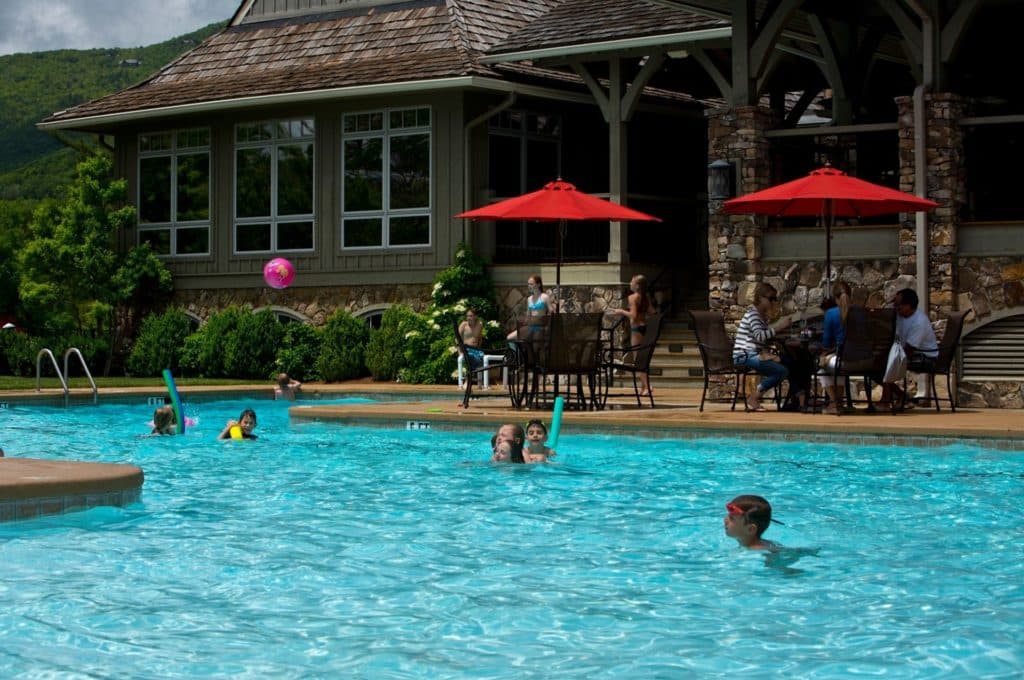
Owning a luxury estate means more than impressive square footage—it means full integration into Burlingame’s member community and access to amenities that extend property value beyond real estate alone.
Club Membership and Social Integration
Burlingame Country Club membership transfers with property ownership, but luxury estate owners often take leadership roles in club governance and committee service. They host member gatherings, sponsor tournament holes, and participate in social programming that builds community beyond casual member interaction.
The club’s social calendar includes member tournaments, wine dinners, holiday celebrations, and themed events throughout the season. Estate owners frequently host post-tournament gatherings, wine society meetings, or casual dinners for member friends—their homes becoming an extension of the club’s social fabric.
Dining and Culinary Access
Six distinct dining venues within the clubhouse complex provide estate owners with restaurant-quality meals without leaving the property. From casual lunch at Elevation 3042 to formal dinners in the Overlook Room, options accommodate everything from solo meals to celebratory gatherings. The outdoor dining deck becomes a summer evening destination where members gather for sunset views and mountain-inspired menus.
Many estate owners develop relationships with Executive Chef Gerry Fong, requesting off-menu items, arranging private wine pairings, or discussing seasonal menu planning. The kitchen accommodates dietary preferences and restrictions, making club dining a viable option rather than an occasional indulgence.
Wellness Programming and Facilities
The Rejuvenate Wellness Center provides amenities rivaling standalone spa resorts: therapeutic massage, facial treatments, personal training, yoga and fitness classes, and aqua fitness programming in the pool complex. Estate owners integrate these services into weekly routines, combining home wellness facilities with club offerings for comprehensive health support.
Private fitness sessions, specialized yoga instruction, and therapeutic massage become regular commitments rather than occasional treats. The investment in estate ownership includes access to wellness professionals who understand individual goals and limitations—personalized service enhancing rather than replacing home fitness capabilities.
Seasonal Programming and Activities
Beyond golf and wellness, Burlingame provides year-round activity programming: guided hiking trips to Sapphire Valley waterfalls, fishing clinics and group outings, seasonal celebrations and themed events, and lawn sports leagues and tournaments. Estate owners participate based on interest rather than feeling obligated to attend everything—the variety ensures options for diverse interests.
Summer brings peak activity with full tournament schedules, regular social gatherings, and family programming. Fall offers hiking-focused programming as colors peak. Winter shifts to indoor activities and holiday celebrations. Spring welcomes members back with course opening events and renewal of seasonal routines.
Investment Considerations for Luxury Estate Buyers
Purchasing a $2+ million mountain property requires understanding factors beyond basic real estate fundamentals. Several considerations specific to luxury estate investment merit attention.
Property Value Retention
Luxury estates represent top-tier Burlingame inventory, historically showing strong value retention even during broader market softness. The combination of location scarcity (limited luxury inventory), amenity access, and architectural distinction creates a demand buffer protecting values. Properties selling for $2 million+ in 2015 have appreciated 25-35% through 2024, outpacing both regional appreciation and lower-tier Burlingame properties.
The key is buying quality—architecturally distinguished homes on superior lots with proper maintenance retain value better than merely large homes in adequate positions. Location factors (summit views, golf frontage, river access) prove more important to long-term value than interior finish details that can date.
Tax Implications
North Carolina property taxes remain moderate compared to neighboring states. Jackson County’s current rate runs approximately 0.72% of assessed value, meaning a $2 million estate carries roughly $14,400 annual property tax. This compares favorably to similar-value properties in South Carolina or Georgia.
For buyers using estates as vacation properties, the mortgage interest deduction and property tax deduction provide federal tax benefits (subject to current tax law limits). Those renting properties can deduct operating expenses against rental income, though IRS rules regarding vacation home rentals require careful compliance.
Estate Planning Considerations
Luxury mountain properties often become family legacy assets—places where multiple generations gather and create memories. Estate planning for these properties requires addressing ownership succession, potential buy-out arrangements if multiple heirs have different preferences regarding property retention, and ongoing expense coverage if heirs can’t afford carrying costs.
Many families establish LLCs or family trusts owning properties, creating governance structures for shared use and expense allocation. These arrangements work best when documented clearly before any succession events rather than negotiated during grief or family stress.
The Purchase Process for Luxury Estates
Buying luxury property in Burlingame involves additional complexity beyond typical home transactions. Understanding the process helps buyers navigate smoothly.
Finding Available Inventory
Luxury estates rarely appear on public MLS listings before selling. The most desirable properties move through quiet marketing—realtors contacting qualified buyers directly rather than broadly advertising availability. Buyers serious about luxury estate acquisition benefit from establishing relationships with Burlingame-specialized realtors who access this hidden inventory.
Some luxury sales happen before owners formally list—conversations during member events where purchase interest emerges, leading to private negotiations. Being present in the community and engaged with the member network creates opportunities that pure financial qualification alone doesn’t provide.
Due Diligence Specifics
Luxury estate due diligence extends beyond standard home inspection:
Architectural Review: If buyers plan any modifications, preliminary architectural committee consultation confirms feasibility before purchase. Some luxury estates have exhausted the allowable building envelope, limiting future additions.
Systems Assessment: Luxury homes incorporate complex mechanical, electrical, and technology systems requiring specialized inspection. Geothermal systems, whole-house audio/video, lighting control, and sophisticated security systems need expert evaluation beyond general inspector capabilities.
Environmental Compliance: Properties near streams, on steep slopes, or with extensive site work should confirm full compliance with current environmental regulations. Previous owners may have received grandfathered approvals that don’t transfer to major renovations.
Title and Easement Review: Luxury estates occasionally include private road easements, utility easements, or access agreements with neighbors. A thorough title review identifies all restrictions and obligations before purchase.
Financing Luxury Mountain Property
Mortgage lending for $2+ million mountain properties involves different qualification standards than conventional financing. Portfolio lenders (banks holding loans rather than selling to the secondary market) often provide the most competitive terms for luxury property financing.
Expect 20-30% down payment requirements and extensive financial documentation. Mountain location and potentially limited comparable sales can complicate the appraisal process. Working with lenders experienced in luxury mountain property streamlines financing approval.
Many luxury buyers purchase with substantial cash down or outright purchases, avoiding lending complications and eliminating monthly mortgage obligations. This approach makes sense for affluent buyers wanting a true vacation retreat rather than an investment property with positive cash flow requirements.