Own the Serve: Unlocking Power and Precision in Your Tennis Game
The Ultimate Guide to Choosing the Best Tennis Gear to Improve Your Game copy

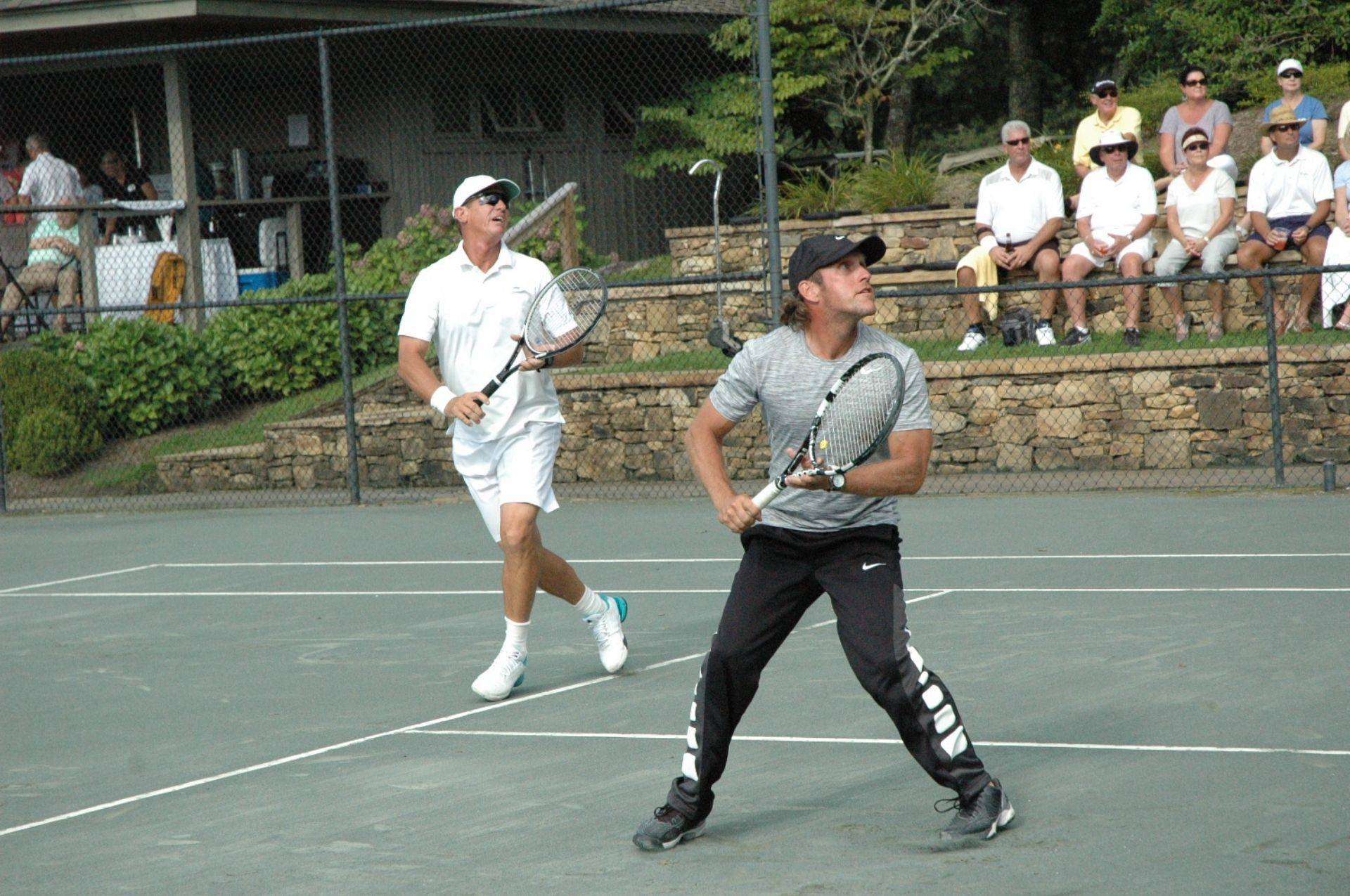
The serve is the only shot in tennis that’s entirely on your terms—no reaction, no rally, just you and the ball. But even at the highest levels of play, it remains one of the most technical and challenging shots to master. When it’s on, it sets the tone. When it’s off, everything else feels just a bit harder.

At Burlingame Country Club, where precision and performance are always top of mind, the serve continues to be a focus for players looking to elevate their game. Whether you’re fine-tuning mechanics or sharpening your edge for match play, revisiting the fundamentals can make all the difference.
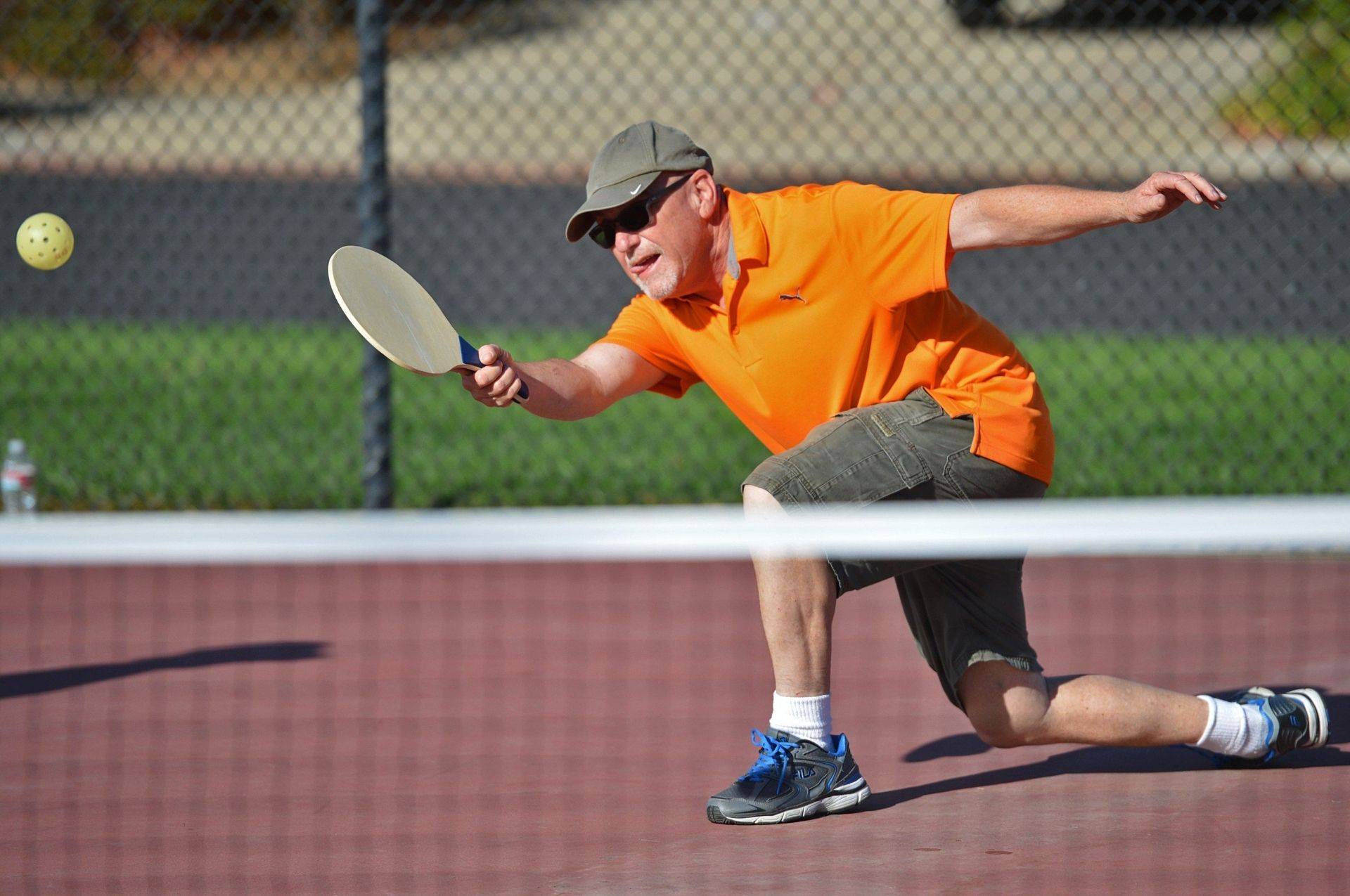
Set the Foundation

Everything starts with your stance. How you position your body will set up your balance, rotation, and power. For right-handed players, the front foot should point toward the right net post, and the back foot should be parallel to the baseline. Keep about a foot of space between your feet—enough to allow your hips and shoulders to rotate freely.

Your grip matters just as much. Use the continental grip, which may feel unfamiliar at first, but it’s essential for generating spin and keeping your wrist relaxed. Other grips might feel easier temporarily, but they limit your long-term development and control.

Flow Through the Motion

The serve isn’t just about power—it’s about sequence. Think of it as a chain reaction:

  • Let the racket swing back naturally like a pendulum.

  • Keep it loose—try holding it with just two fingers during practice to feel that freedom.
  • As you rise into the trophy position, keep the hitting side of the racket facing down. Imagine you could balance a ball on the top edge.

One of the biggest pitfalls is the “waiter’s tray” mistake—flipping the palm up and pushing the racket forward like you’re serving dessert. Instead, allow the racket to drop behind you from the trophy position naturally. This isn’t about forcing it—it’s about letting it flow.

From there, the acceleration begins. The racket whips up and forward, fueled by your legs, core, and timing—not just your arm.

Dial in the Toss

The toss is often overlooked, but it’s absolutely vital. A bad toss throws off everything.

  • Hold the ball loosely in your fingertips, not deep in your palm.

  • Release it in sync with your weight shift, around the time your arm reaches shoulder height.
  • Follow the ball with your tossing arm for balance and alignment.

Ideally, the toss should land slightly in front of you and a bit to the right (for right-handers), at the highest point you can comfortably reach. Picture placing your racket on the ground where you usually bounce the ball before serving—that’s your target zone.

Finish Strong

At contact, reach up fully and strike the ball at its peak. Your racket should move through the ball and finish across your body. Drive into the court with your body—not just your arm—and let momentum carry you forward. As you follow through, focus on maintaining balance and a steady posture, which are essential for consistent shot-making. Integrating principles from golf techniques for beginners, such as proper grip and body alignment, can further enhance your performance on the court. Remember, refining your mechanics takes practice, so dedicate time to drills that reinforce these fundamental skills.

A solid follow-through isn’t just an afterthought. It ensures the serve has direction, spin, and energy. A serve that ends well usually started right.

Find Your Rhythm

Great servers don’t rush. They flow. Think of a roller coaster: slow and deliberate up the hill, then a fast, smooth drop. That’s your serve rhythm.

  • Start with a slow, controlled backswing.

  • Transition into an explosive but fluid upward swing.
  • Stay loose, especially in your grip and shoulders.

When the rhythm clicks, the pieces connect. That’s when the serve becomes a weapon, not a liability.

Play Smart with Your Serve

First serves win points. Especially in doubles, getting that first serve in puts your team in control—stats show that over 75% of points are won by the serving team when the first serve lands.

Second serves? They come with pressure. In singles, a strong first serve keeps your opponent neutral. A weak second serve puts you on the back foot. In doubles, it affects what your partner can do at the net. That’s why practicing second serves is just as important—focus on depth and location, not just getting it in.

Try mixing it up during practice:

  • Target different zones.

  • Stick with the continental grip.
  • Vary your spin, but always aim for depth and consistency.

Revisit, Refine, Repeat

Most players grow attached to their serving habits, even if they’re flawed. But improvement often means being willing to take a step back and reassess. Small adjustments to grip, toss, timing, or rhythm can lead to major breakthroughs.

And yes, practice matters. A lot. But not just any practice. Intentional, focused, detail-oriented practice. Film yourself. Break it down. Experiment. Get coaching if possible. Your serve is worth the investment.
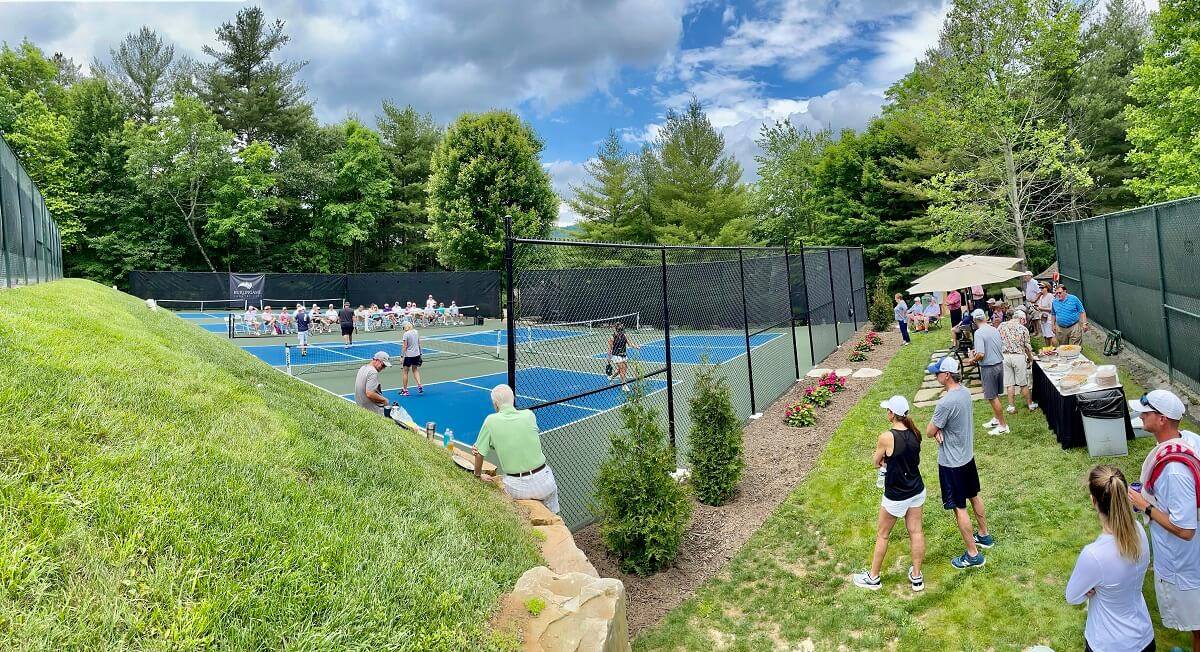
Bring Your Serve to Life at Burlingame Country Club

When your serve works, your whole game feels better. You start points with purpose, play with more freedom, and carry more confidence. It’s not just a stroke, it’s a statement.

If you’re looking to strengthen your serve with private lessons from one of our experienced coaches, or you simply want to put in focused reps on one of our four Har-Tru tennis courts, click here to get started at Burlingame Country Club.


Pro Tips from the Fairway: Mark Calcavecchia’s Guide to Better Golf

The Ultimate Guide to Choosing the Best Tennis Gear to Improve Your Game copy

When it comes to golf, few know the ins and outs of the game better than Mark Calcavecchia. A major champion and winner of 13 PGA Tour events—most notably his victory at the 1989 Open Championship—Mark now brings his wealth of experience to the serene mountain setting of Burlingame Country Club, where he and his family are proud members.

Drawing from his years on tour, Calcavecchia offers practical advice that resonates with golfers of all levels. Whether you’re a weekend warrior or an aspiring pro, his tips are rooted in the fundamentals that made him a success on golf’s biggest stages.

Short Game is Everything

Calcavecchia emphasizes the importance of putting in the work around the green. He recommends focusing on chipping out of bunkers and learning how to consistently get down in two putts from just off the green. Sharpening this part of your game can make a significant difference in scoring and consistency.

Think Your Way Around the Course

Course management is another pillar of his philosophy. Driving the ball in the fairway is essential—but so is caution on the greens. Putting from above the hole? Tread carefully. A smart approach can save strokes even when your swing isn’t perfect.

Start Strong

The first few holes often dictate the rhythm of a round. Calcavecchia stresses the importance of a solid opening stretch—especially the first four holes—as a way to build confidence and momentum.

Confidence is Key

Calcavecchia underscores the value of believing in your game, especially when the pressure is on. Confidence, he believes, is a critical ingredient for playing well—whether you’re competing in a major or just trying to finish strong in a casual round. A positive mindset can go a long way in helping golfers perform their best when it counts.

Practice with Purpose

Instead of spending endless hours hitting balls on the range, Calcavecchia recommends quality over quantity. Young golfers, in particular, benefit more from focused, thoughtful practice than mindless repetition. This approach allows them to refine their skills and develop a deeper understanding of their game. Additionally, utilizing golf handicap calculation tools can provide valuable insights into their progress, helping them set realistic goals and track improvement over time. By concentrating on meaningful practice sessions, young golfers can accelerate their development and enhance their overall performance on the course.

Play Often at Burlingame Country Club

Finally, there’s no substitute for time on the course. He advises playing at least once or twice a week to keep your skills sharp and instincts fresh.

At Burlingame, Mark continues to enjoy the game he loves as part of the club’s vibrant golfing community. Whether you’re chasing birdies, aiming to follow in the footsteps of players like Calcavecchia, or simply looking to sharpen your skills and keep your handicap in check, there’s no better place to play, learn, and grow your game. Click here to connect with us and discover how you can become part of the Burlingame experience—where exceptional golf and unforgettable moments go hand in hand. As you enhance your skills, you’ll have the opportunity to participate in various tournaments and events tailored to all skill levels. Many members find that mastering golf slope rating not only improves their game but also deepens their understanding of the sport’s more technical aspects. Join us and experience the camaraderie and competitive spirit that make our community truly special.

The Ultimate Guide to Choosing the Best Tennis Gear to Improve Your Game

The Ultimate Guide to Choosing the Best Tennis Gear to Improve Your Game copy

Precision Meets Paradise

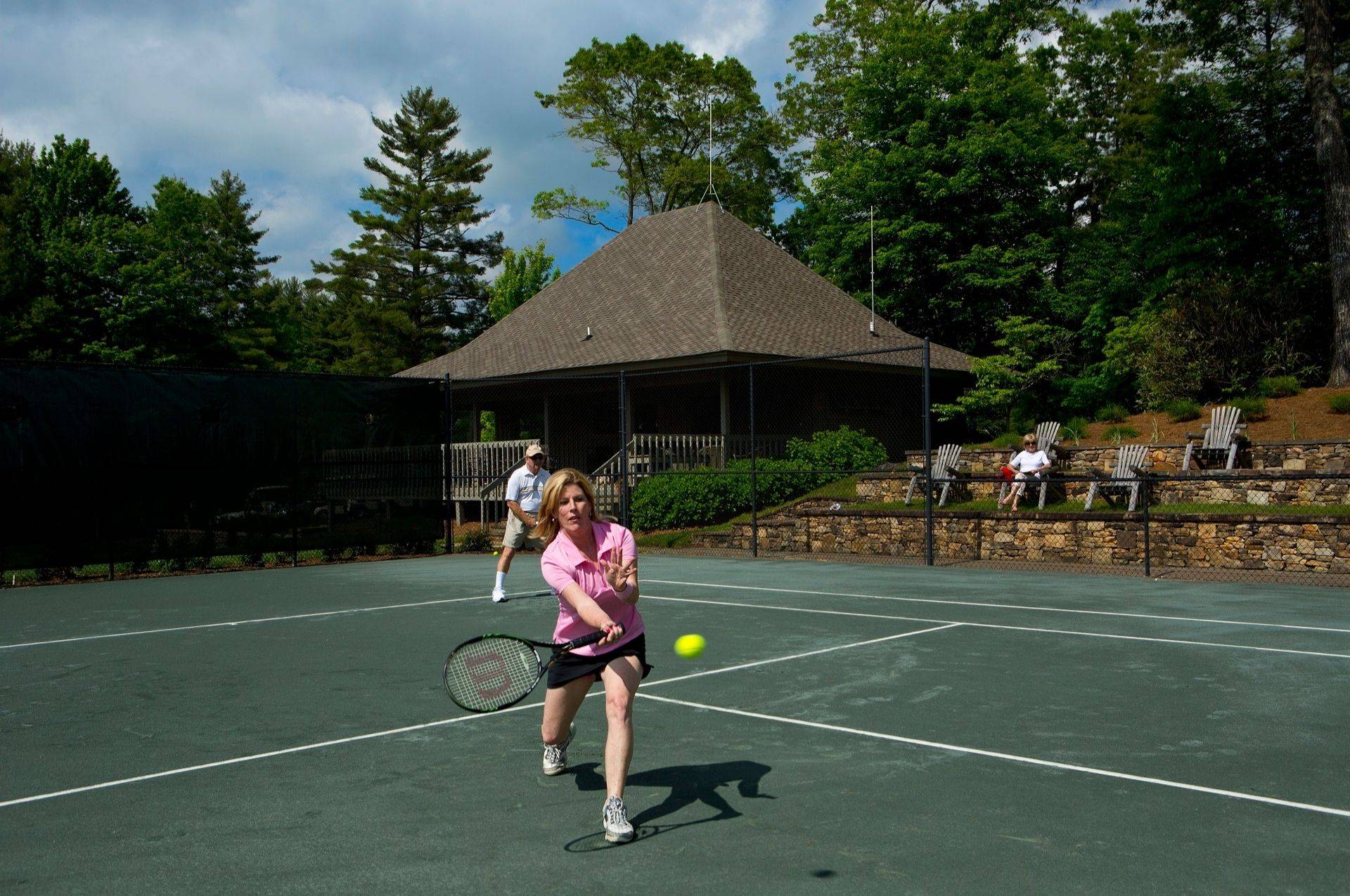
Tennis is a sport of precision, strategy, and endurance, and having the right gear can make all the difference in taking your game to the next level. Whether you’re fine-tuning your swing, working on your footwork, or building consistency in your shots, selecting the right equipment is just as important as practice. From choosing a racket that enhances power and control to investing in quality shoes that support quick lateral movements, every detail matters. At Burlingame Country Club, the premier mountain destination for tennis enthusiasts, you’ll have the perfect setting to refine your skills. With access to four Har-Tru tennis courts set against the breathtaking backdrop of the Blue Ridge Mountains, players of all levels can elevate their game in an unparalleled environment.

1. Selecting the Right Tennis Racket

Your racket is the most critical piece of equipment when it comes to improving your game. The right choice depends on factors like weight, balance, head size, and string pattern—all of which impact power, control, and maneuverability.

  • Racket Weight and Balance: A heavier racket (11-12 ounces) provides more power and stability, making it ideal for advanced players. Lighter rackets (9-10 ounces) allow for quicker swings and better maneuverability, which can benefit intermediate and improving players. Head-light rackets offer better control, while head-heavy ones provide added power.
  • Head Size: A larger head size (100+ sq. inches) provides a bigger sweet spot, making it more forgiving for off-center shots, while a smaller head size (85-98 sq. inches) offers more precision for experienced players.
  • String Pattern: An open string pattern (16×19) allows for greater spin potential, while a dense pattern (18×20) offers more control and durability.

Recommended Rackets for Performance Players

  • Yonex Ezone 100 – A great balance of power and control, ideal for intermediate players.
  • Dunlop FX 500 – Excellent for players with a flatter shot looking for more power.
  • Wilson Blade 100 V9 – A versatile option that offers both control and spin.

2. The Importance of Quality Strings

Once you’ve chosen the right racket, the next step is optimizing your string setup. Strings significantly impact how your racket performs, influencing power, control, and comfort. Finding the right material and tension can enhance your game while reducing strain on your arm.

  • String Material: Multifilament strings like Tecnifibre X-One or Head Velocity MLT are softer, more comfortable, and ideal for players who want a balance of power and control.
  • Tension: Higher string tension provides better control, while lower tension increases power. Experimenting with tension levels allows players to fine-tune their racket’s performance to match their playing style.

3. Choosing the Right Tennis Balls

Not all tennis balls are created equal, and using the right type can affect your consistency, spin, and overall performance on the court. The level of compression, felt durability, and brand choice can all make a difference in how the ball responds during play.

  • Compression Levels: Beginners often start with red or orange balls, which are larger, softer, and have lower compression for easier control. More advanced players should use standard yellow balls, which have higher compression for faster, more challenging rallies.
  • Best Tennis Balls for Competitive Play: Wilson US Open Tennis Balls are a top choice for their durability and consistent bounce, making them a favorite among seasoned players.

4. Footwear and Apparel for Optimal Performance

Tennis demands quick movements, sudden stops, and rapid directional changes, making the right footwear and clothing essential for comfort and injury prevention. Choosing tennis-specific shoes and performance apparel can enhance agility and endurance during long matches.

  • Tennis Shoes: The Adidas Barricade 13 is a popular choice, designed for lateral movement and arch support.
  • Apparel: Look for moisture-wicking fabrics to keep you cool and comfortable. Prioritizing functionality over fashion ensures freedom of movement and peak performance. Brands like Lululemon offer advanced quick-dry technology and are designed for ultimate comfort and performance.

5. Training Aids to Sharpen Your Game

Improving your tennis game isn’t just about practice—it’s about practicing smart. The right training aids can help refine your technique, increase consistency, and give you a competitive edge.

  • Topspin Pro – Helps players develop topspin and refine their strokes.
  • Swing Analyzers – Devices that attach to your racket, tracking metrics like swing speed and angle for performance improvements.

Take Your Tennis Game to the Next Level at Burlingame Country Club

At Burlingame Country Club, improving your tennis game isn’t just about the right gear—it’s about playing on exceptional courts and having access to expert instruction. Our four Har-Tru tennis courts provide the ideal surface for both practice and competitive play, while our full-time pro, lessons, tournaments, and interclub play offer opportunities for players to grow their skills and enjoy the sport at every level. Whether you’re perfecting your serve, competing in a friendly match, or training with a coach, Burlingame delivers an unmatched tennis experience in the heart of the mountains. In addition to our outstanding tennis facilities, we offer access to mastering highelevation golf equipment, ensuring that athletes can elevate their performance in both sports. Our comprehensive training programs and state-of-the-art resources are designed to support players in refining their skills while enjoying the breathtaking mountain views. Join us at Burlingame Country Club, where a passion for tennis and golf meets a commitment to excellence.

Click here to connect with us to learn more, and join us at Burlingame Country Club for your next and best tennis match.

The Rise of Croquet: A Sport for Everyone

The Rise of Croquet - A Sport for Everyone

Croquet: A Growing Phenomenon

Croquet is experiencing a resurgence in popularity, drawing players of all ages and skill levels. Unlike many other sports, croquet is both competitive and social, offering a unique blend of strategy and accessibility. Whether for friendly backyard matches, competitive tournaments, or a leisurely game at Burlingame’s well-kept lawns, croquet provides an enjoyable way to socialize while engaging in an outdoor activity.

A Sport for Everyone

One of croquet’s greatest strengths is its inclusivity. Unlike many sports that require intense physical exertion, croquet is accessible to individuals of all ages and fitness levels. Men and women compete on equal footing, and the game’s social nature makes it a favorite for gatherings, from family-friendly matches to organized club play. The lack of physical barriers allows players to focus on skill and strategy rather than athleticism, making it a game that truly anyone can enjoy.

Croquet is also known for fostering a sense of community. Many clubs and social groups revolve around the sport, providing opportunities for new friendships and meaningful connections. Whether played recreationally or in a competitive setting, croquet promotes camaraderie, patience, and good sportsmanship. Additionally, its relaxed pace allows for conversation and interaction, making it an ideal activity for social events. Many communities, such as Burlingame, have embraced croquet as a way to bring people together, and organizations like Community Finder have recognized its increasing appeal by listing Burlingame Country Club among the top master-planned communities with USCA regulation croquet lawns.

The History of Croquet

Croquet’s roots trace back to 13th-century France, where individuals fashioned mallets and wooden balls to play a primitive version of the game. By the 19th century, croquet had evolved into a structured pastime, first gaining traction in Ireland before making its way to England in the 1850s. A sporting goods manufacturer, John Jaques, helped popularize the game by producing and selling croquet sets, leading to its widespread adoption among the British upper class.

As croquet spread across British colonies and beyond, it became a favored social activity, particularly among young Victorian women who enjoyed the opportunity to mingle away from chaperones. Though its popularity waned with the rise of lawn tennis, croquet found renewed interest in the mid-20th century, particularly in the United States. The game has since grown into a recognized competitive sport, with professional-grade equipment and governing organizations such as the United States Croquet Association overseeing tournaments. Today, croquet is played in over 20 countries, and its competitive scene continues to expand.

Learning How to Play Croquet

While there are multiple variations of croquet, the most common forms include nine-wicket backyard croquet and the more competitive six-wicket version. Players take turns hitting their ball through a set course of wickets, aiming to score points while also strategically blocking opponents. The game is easy to grasp but requires precision and strategy to master, making it appealing for both casual and competitive players.

For those looking to advance their skills, six-wicket croquet offers a more structured, competitive experience. Played on a regulation lawn with precise wickets and weighted balls, this version emphasizes strategic shot placement and defensive play. Whether enjoying a relaxed match with friends or competing in an organized event, croquet offers a rewarding experience for players of all levels.

Golf Croquet is yet another version of croquet. The equipment is the same, the order of wickets is the same, but only one ball goes through any one wicket, earning its shooter one point. The players advance to the next wicket, with a winning score usually being the first player or team to achieve seven points. Many clubs teach this form of the game first. Players can play immediately and think more about shot-making than the more complex game of Six Wickets. Golf Croquet has gained popularity not only for its simplicity but also for its social atmosphere, making it accessible to players of all ages and skill levels. As players enjoy the game, they often find themselves intrigued by golf history and evolution, exploring how various forms of croquet and golf have influenced one another over time. This curiosity can enhance their appreciation of both sports, fostering a deeper connection to the rich traditions that surround them.

Croquet’s combination of strategy, accessibility, and social appeal makes it a standout pastime. From casual backyard play to high-level competition, the game continues to capture the interest of players worldwide. As more communities recognize its value, croquet is sure to remain a beloved sport for years to come.

Burlingame: The Place to Play Croquet

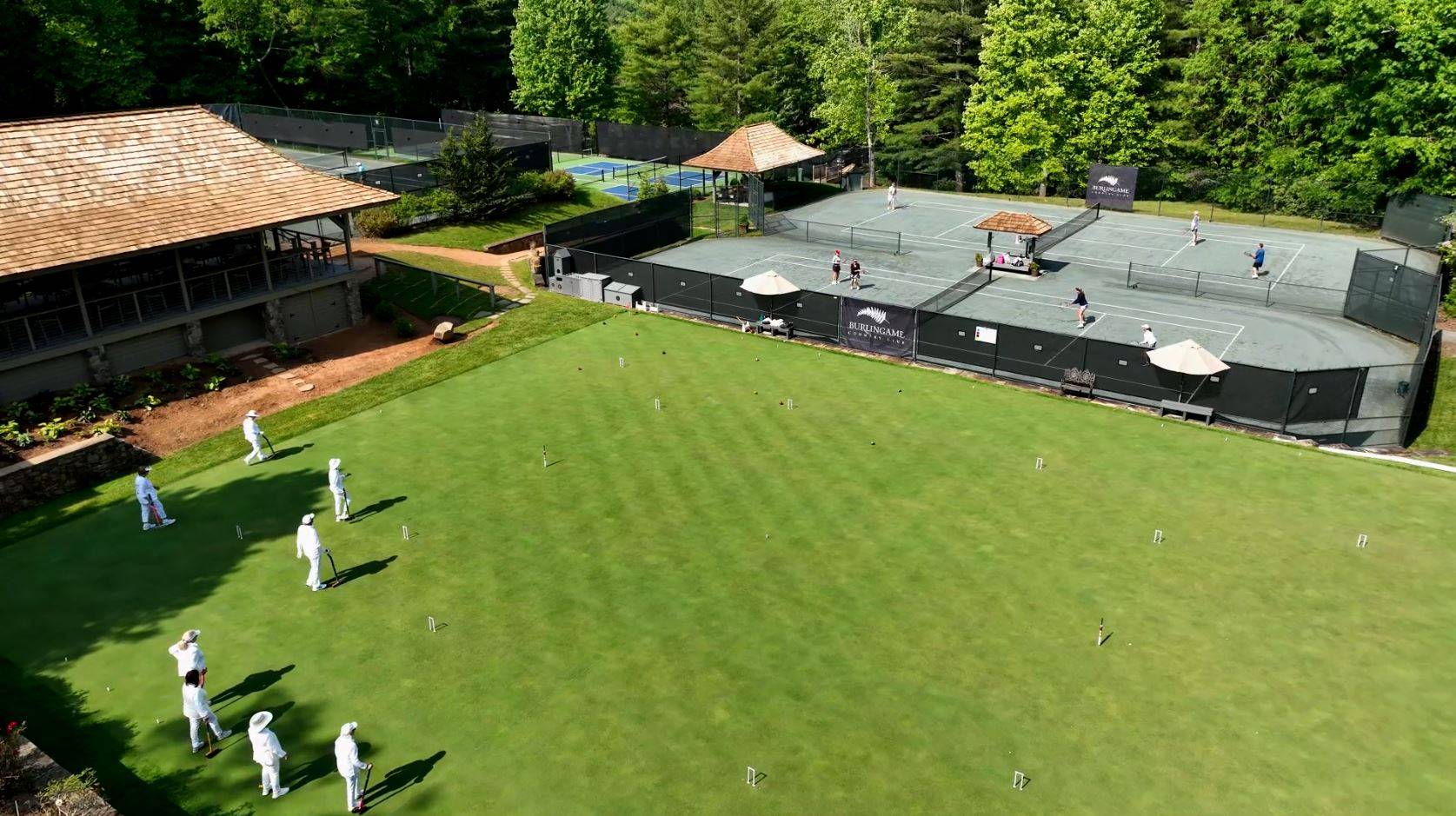
As croquet continues to grow in popularity, more communities are incorporating dedicated playing areas. Burlingame Country Club, for example, boasts well-maintained croquet lawns that provide residents and visitors with a perfect setting to enjoy the game. Whether you’re a beginner looking to learn, a casual player enjoying a friendly match, or a seasoned competitor seeking a challenge, Burlingame Country Club provides an exceptional venue for croquet.

Bring your best game to our meticulously manicured, regulation-size croquet lawn. Enjoy interclub play, take a lesson, compete in a tournament, or root on your friends. Click here to learn more and join us at Burlingame Country Club for your next winning croquet game!

Mastering Pickleball: 7 Game-Changing Tips and Tricks to Elevate Your Play

Mastering Pickleball - 7 Game-Changing Tips and Tricks to Elevate Your Play

Unlock Your Potential on the Court

Pickleball is more than just a game—it’s a strategic and dynamic sport that requires skill, precision, and smart decision-making, and there’s no better place to enjoy it than at Burlingame. Whether you’re a beginner looking to level up or an experienced player refining your technique, improving your game takes dedication and the right approach. Here are seven essential tips that helped transform my skills from a 3.0 to a 3.5 player, and they can do the same for you.

1. Prioritize Drills Over Games

While playing full matches is undoubtedly more fun, true improvement comes from drilling. The best players dedicate 80-90% of their court time to practice drills, only playing games for the remaining 10-20%. Drilling allows you to focus on repetition and muscle memory, ensuring you master key shots like the third-shot drop much faster than you would in a standard match.

To keep things engaging, turn drills into friendly competitions with your partner by keeping score or setting challenge-based goals. This adds a game-like intensity to your practice while honing essential techniques.

2. Hit with Purpose

Instead of reacting aimlessly, every shot you take should have intention behind it. Before hitting, ask yourself:

  • Am I targeting my opponent’s weakness, like their backhand dink?
  • Can I strategically move them around the court?
  • What’s my highest-percentage shot in this moment?

Training yourself to think ahead will enhance your shot accuracy and decision-making, giving you the upper hand during competitive play.

3. Use Wall Drills for Solo Practice

If you don’t have a practice partner, a simple wall can be your best training tool. Mark a line at about 34-36 inches high and use it as a target for your shots. Start with backhand volleys, focusing on clean contact in the center of your paddle, then switch to forehands.

This drill may seem straightforward, but it’s more challenging than it looks. Maintaining a steady rhythm while keeping the ball in play will push your coordination and reaction time to the next level.

4. Keep Your Eye on the Ball

Many players rely on peripheral vision when hitting, which often results in mishits. Instead, train yourself to track the ball all the way to the point of contact. The ‘sweet spot’ at the center of your paddle offers the best control and power, creating a trampoline effect for a stronger shot.

Losing sight of the ball can lead to errors like hitting too close to the paddle’s edge or missing entirely. Focus, and your precision will dramatically improve.

5. Perfect Your Grip

The right grip makes all the difference. Most players use the ‘continental’ grip, also known as the ‘handshake grip,’ as it offers stability and flexibility for various shots. To achieve this grip, hold your paddle with your non-dominant hand and shake hands with it as if greeting someone. Imagine holding a hammer, and you’ll naturally fall into the proper positioning.

6. Stay Low and Ready

Pickleball is all about quick reflexes and strong defensive positioning. To stay agile, maintain an athletic stance with your feet shoulder-width apart and a slight bend in your knees.

When at the net, lower yourself into a squat to reach those crucial dink shots and prevent the ball from bouncing. If your opponent is preparing for an overhead smash, take a step back, lower your body, and get your paddle into a defensive position to return low shots effectively.

7. Play Smart: High-Percentage Shots Win Games

Pickleball isn’t about flashy, low-percentage shots—it’s about consistency and patience. A solid player only takes shots they can reliably make at least 80% of the time.

Even professional players avoid risky shots unless they’ve mastered them in drills. A lower-rated player can defeat a stronger opponent simply by making fewer mistakes and maintaining a steady, calculated approach.

Take Your Skills to the Next Level at Burlingame Country Club

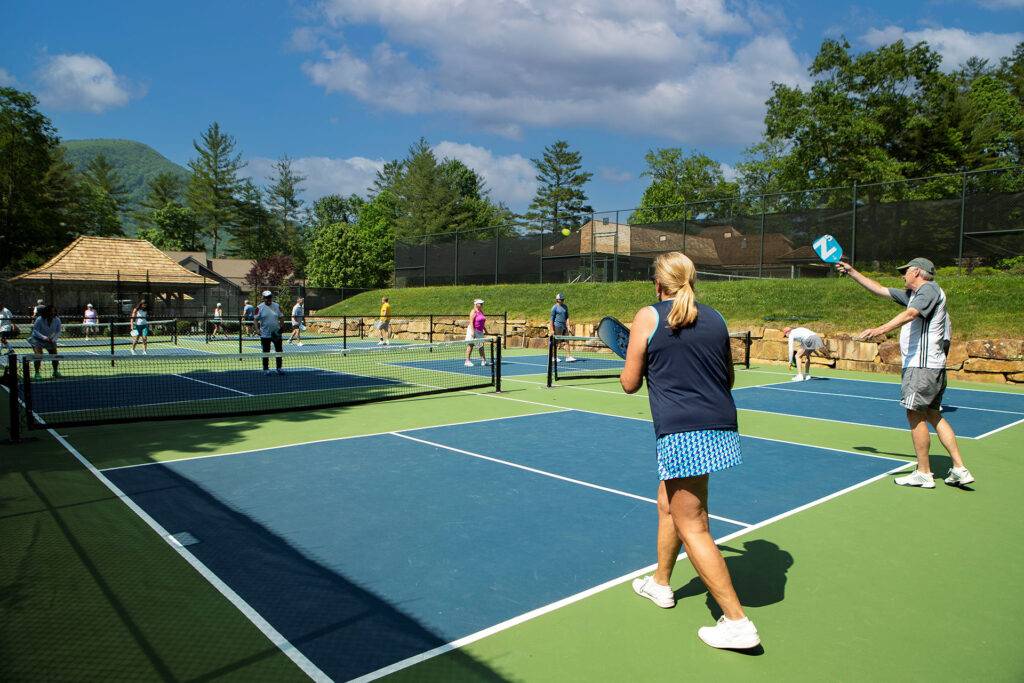
At Burlingame Country Club, you have the perfect opportunity to put these game-changing pickleball tips into action on our four premier courts. Whether you’re drilling to refine your technique, practicing wall shots for improved control, or honing your grip and stance, these strategies will help you elevate your game. Use these expert-approved techniques to enhance your precision, speed, and decision-mak

Experience Pickleball Excellence at Burlingame Country Club

Whether you’re looking to sharpen your skills, play for fun, or compete in tournaments, Burlingame Country Club offers the perfect setting to enjoy pickleball. With four state-of-the-art courts, you can rally with friends, challenge yourself in competitions, or refine your game with personalized lessons from our experienced Lawn Sports Professional. Click here to learn more and join us and take your pickleball journey to the next level!