Swimming for Fitness: Why the Pool at Burlingame Is More Than a Place to Cool Off
Swimming for Fitness Why the Pool at Burlingame Is More Than a Place to Cool Off

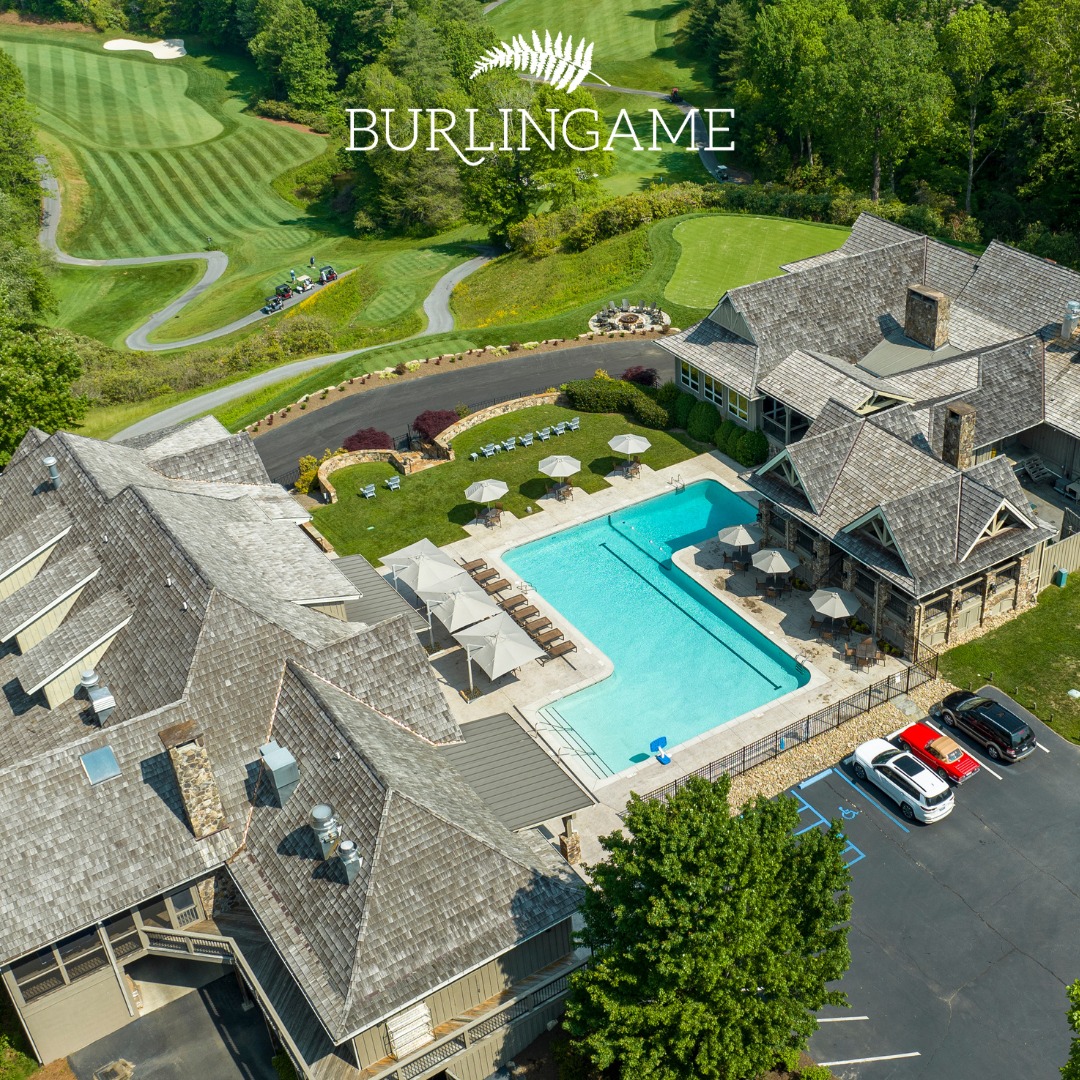
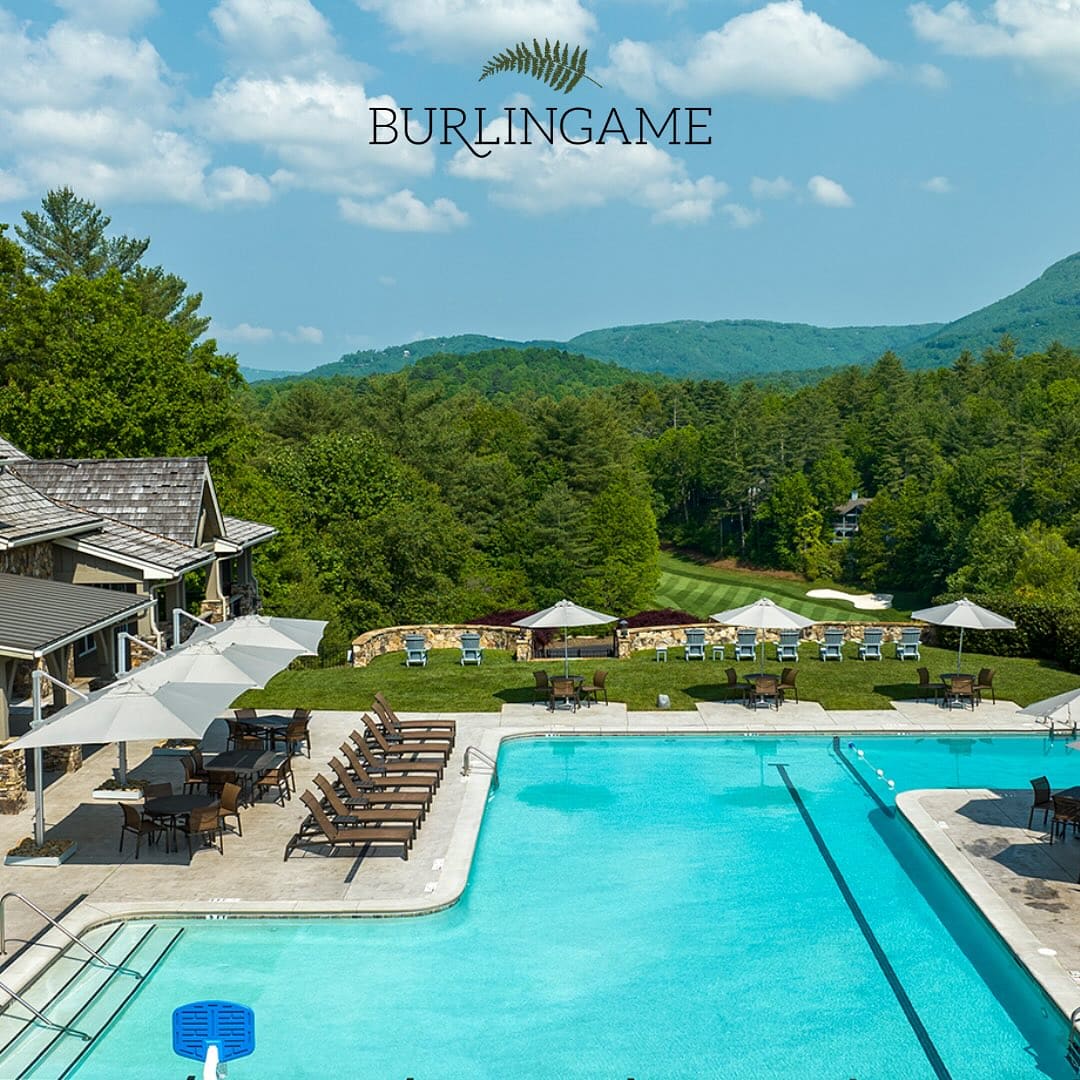
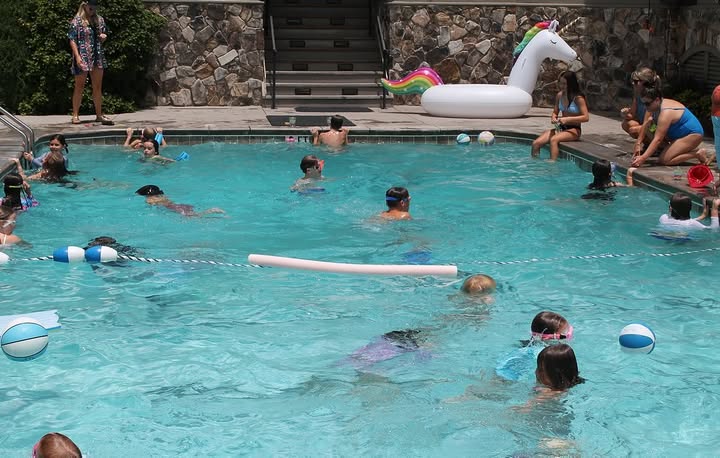
The pool at Burlingame Country Club gets plenty of use during a summer afternoon. Kids in the water, members relaxing on the deck, the kind of easy social energy that a mountain pool in July naturally produces. What’s easy to miss is that some of those members showing up earlier in the morning or during quieter hours are treating the same pool as one of the better fitness tools on the property.

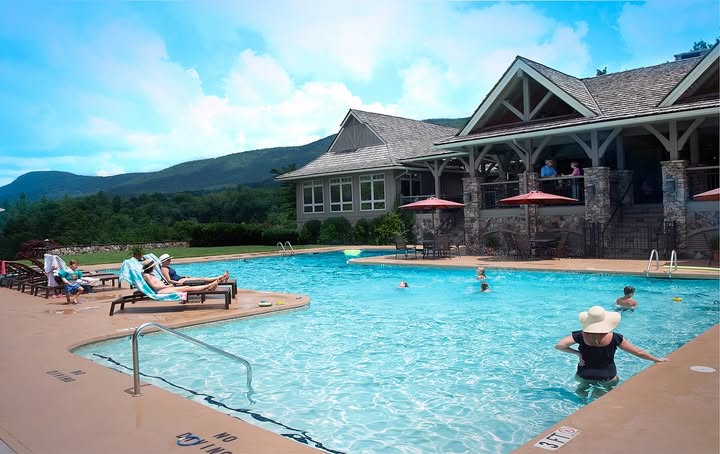
Swimming for fitness occupies a specific and valuable niche in an active person’s routine. It works your cardiovascular system hard, it’s genuinely full-body, and it puts almost no mechanical stress on your joints. For the golfer whose knees don’t love walking 18 holes every day, or the tennis player managing a shoulder that needs rest from serving, the pool offers a way to maintain fitness without making anything worse.
Why the Pool at Burlingame Is More Than a Place to Cool Off

Why Swimming Works the Way It Does

Water is about 800 times denser than air. Moving through it requires constant muscular effort in a way that land-based exercise doesn’t. Even at a moderate pace, swimming engages your core, your upper body, your hips, and your legs in coordinated fashion for the entire duration of the workout.

The resistance is also proportional to your effort, which is one of swimming’s more useful qualities. Push harder, and the water pushes back proportionally. This means you can self-regulate intensity without any equipment adjustments, and the same pool works for a beginner doing easy laps and an experienced swimmer doing hard interval sets.

The cardiovascular demand is real. Swimming at a moderate steady pace will get your heart rate into an aerobic training zone and keep it there. More intense intervals, where you sprint a length and rest briefly before going again, create the same kind of high-intensity work that coaches use with competitive athletes.

Breathing is the thing that challenges most new swimmers. Unlike running or cycling, swimming requires deliberate breath management. You can’t just breathe when you need to. This forces a level of body awareness and controlled exhalation that, over time, actually improves the quality of your breathing in other activities. Athletes who add swimming to their routine often report that their stamina feels better across the board, not just in the pool.

The Joint-Friendly Advantage

At Burlingame, where members are generally active across multiple sports and the average golfer or tennis player is dealing with some accumulated wear on their body, joint-friendly fitness options matter.

The buoyancy of water reduces effective body weight by about 90 percent when submerged to the neck. A person who weighs 180 pounds on land weighs about 18 pounds in the pool. That means the repetitive impact that accumulates during running, tennis footwork, or repeated golf swings is almost entirely absent.

For anyone in recovery from a lower-body injury, managing chronic knee or hip pain, or simply trying to give their body a break between harder sessions, swimming provides a genuine workout without the inflammation trigger that high-impact exercise creates.

The rotator cuff is worth mentioning separately because so many tennis and pickleball players are managing some degree of shoulder sensitivity. Swimming has a mixed reputation here. Done correctly with good stroke technique, freestyle swimming builds balanced shoulder strength and doesn’t aggravate most rotator cuff conditions. Done incorrectly, particularly with poor rotation technique that creates impingement at the top of the stroke, it can irritate the shoulder. If you’re managing a shoulder issue, start conservatively and get a few pointers on technique before committing to long sets.

What a Fitness-Focused Pool Session Looks Like

You don’t need to have been a competitive swimmer to use the pool for real fitness. A simple structure works well.

A basic workout might look like this: start with four easy lengths to warm up and find your rhythm. Move into the main set, alternating moderate-effort lengths with slightly harder ones. Finish with a few easy lengths to cool down and let your heart rate settle. Total time in the water: 30 to 45 minutes.

As your fitness in the water develops, you can add structure. Interval sets, where you swim a specific number of lengths at high effort and rest for a fixed time between repetitions, are particularly effective for cardiovascular conditioning. Technique drills, like single-arm freestyle or kicking sets with a board, build the specific strength that makes your stroke more efficient.

You don’t have to do freestyle the entire time. Backstroke is easier on the shoulders for many people and works your posterior chain differently. Breaststroke is lower intensity and can serve as active recovery within a session. Even alternating strokes keeps things more interesting than 40 lengths of the same movement.

The Aqua Fitness Option

Burlingame’s Rejuvenate program includes non-impact aqua fitness classes that use the pool for structured group exercise. These sessions are not light or easy, despite the absence of impact. Water resistance makes exercises that would feel simple on land significantly more challenging, and the class format keeps intensity consistent across the workout.

Aqua fitness is particularly well-suited for members who want a guided workout without solo laps, those managing lower-body pain or arthritis, and anyone who finds lap swimming too solitary or technically demanding. The instructor keeps pace, adjusts for different fitness levels within the group, and provides the same social accountability that any group fitness class offers.

If you haven’t tried it because it doesn’t sound hard enough, try it once and reconsider. The class will challenge your cardiovascular system and work muscles that most land-based routines miss.

The Pool as a Recovery Tool

Beyond structured fitness, the pool serves a recovery function that active members should take advantage of.

Cold water immersion after intense exercise reduces muscle inflammation and speeds recovery. At Burlingame, where a mountain morning means pool temperatures that tend toward the cool side, a post-exercise swim or soak provides some of this benefit naturally.

Easy laps the morning after a long round of golf, a hard tennis match, or a full day of pickleball can actually accelerate how quickly your legs and shoulders feel normal again. The combination of gentle movement and water pressure promotes circulation and helps clear the metabolic byproducts that create post-exercise soreness.

This isn’t complicated. Twenty minutes of easy freestyle the morning after a demanding day on the courts or course will make your body feel better than the same twenty minutes spent sitting on the couch. Members who build this habit find their recovery time shortens noticeably.
The pool at Burlingame Country Club gets plenty of use during a summer afternoon.

The Social Side

The pool at Burlingame has always been a gathering place. The deck sees afternoon conversation, the kind of easy club social life that builds friendships over repeated seasons. Getting in the water adds a different dimension to that, because regular swimmers naturally start to recognize each other during morning laps and the pool deck before a workout has its own informal social rhythm.

It’s a different crowd than the golf course or the tennis courts, and getting to know members across multiple activities is part of what makes a club feel like a community rather than a collection of separate groups using the same property.

For more information about pool hours, aqua fitness class schedules, and Rejuvenate programming, call Burlingame Country Club at (828) 966-9200.
Swimming for fitness occupies a specific and valuable niche in an active person's routine.

Why Mountain Club Living Is Different: Burlingame vs. Traditional Lowland Country Clubs

Why Mountain Club Living Is Different

If you’ve spent time at a traditional country club, you have a picture in your head of what private club membership looks like. A flat course, a formal dining room with a specific dress code, a calendar of events that runs through the social season, and a community built primarily around golf. Some of those clubs are excellent. The question worth asking before you compare Burlingame Country Club to them is whether you’re actually comparing the same thing.

You’re not.

Mountain club living at 3,000 feet in Western North Carolina operates differently from a traditional lowland club, and the differences go deeper than the setting. They affect what you do with your time, how the community forms, what your body feels like after a week there, and what it means to be a member. This is an honest comparison between the two, not a dismissal of one in favor of the other, but an attempt to be clear about which experience is actually better for a particular kind of person.

Burlingame vs. Traditional Lowland Country Clubs

The Weather and What It Changes

A traditional lowland club in the Southeast operates in summer temperatures that limit outdoor activity to the early morning and late afternoon, with the middle of the day unsuitable for sustained exertion unless you’re comfortable with heat and humidity.

Burlingame sits at elevations between 3,000 and 3,500 feet. Summer temperatures here run 15 to 20 degrees cooler than the surrounding lowlands. The humidity is lower. The air is noticeably different in a way that people often comment on within an hour of arriving. You can play 18 holes in July at midday and not be destroyed by it.

This sounds like a practical advantage, and it is. But it’s also a philosophical one. The mountain climate doesn’t force you to schedule your life around avoiding the outdoors. You can use the property at any hour of the day and find conditions that make outdoor activity a pleasure rather than something to be survived.

For members who use a mountain retreat specifically to escape the lowland summer, this is the primary environmental advantage, and it’s not a small one.

The Course Itself

Golf on a flat course is a different game than golf in the mountains. Neither is inherently superior. They ask different things of you.

Tom Jackson’s 18-hole championship course at Burlingame uses terrain that no lowland architect has access to. The elevation changes, the river crossings, the views that open up on holes that crest ridgelines, and the way the mountain winds influence shot selection on certain holes create a course that demands a different kind of thinking than a flat layout does.

Playing well at Burlingame requires reading terrain. Managing altitude effects on ball flight. Understanding how mountain wind behaves differently from sea-level wind. Making decisions about elevation change on approach shots that don’t exist on a flat course.

This adds a layer of complexity and interest that some golfers love and others find frustrating. The honest answer is that you should play the course before making it central to your membership decision. Most people who do play it once come back because the combination of natural beauty and strategic challenge is genuinely compelling.

At elevations ranging from 3,000 to 3,500 feet, you also hit the ball farther. About 10 percent farther than at sea level. New members discover this on the first tee box and spend a few holes adjusting their expectations upward.

The Activity Range

A traditional private golf club offers golf, usually tennis, often a pool, and dining. These are the core amenities and most clubs do them well.

Burlingame offers all of those, but the mountain setting adds a category of activity that flat courses can’t replicate. Hiking trails that cover significant terrain and connect to hidden waterfalls. Fly fishing on the Horsepasture River, a legitimate trout fishery that flows through the property. A dog park. Croquet on a regulation USCA lawn. Mountain views available from most parts of the property on most days.

The range of activities at Burlingame means that non-golfing family members, or members who want to do something other than play golf on a given day, have real options rather than polite alternatives. A spouse who doesn’t golf can spend a full day at Burlingame and use the property well. Grandchildren have things to do that aren’t just sitting by the pool.

This matters in practice more than it might seem when you’re evaluating a membership. The question of whether the whole family can use and enjoy the property, rather than just the primary golfer, is one of the more practical membership considerations there is.

The Community Character

Traditional lowland clubs often have a formality to their community that reflects the history and demographics of private club culture. That formality has a real appeal for members who value tradition, dress codes, and clear social structure. The rituals of a formal club carry meaning.

Burlingame’s community character is different. Members describe it consistently with words like warm, unpretentious, genuine, and welcoming. The dining is excellent but the atmosphere is not restrictive. The golf is championship quality but nobody is making you feel underdressed. The social events are well-attended because people actually want to go, not because the calendar demands it.

This isn’t the same as casual or lacking in quality. The food, the course conditions, the facilities, and the staff are all maintained at a level that reflects genuine investment in the member experience. The difference is that none of it comes with the social weight of formality. You’re welcome here because of who you are, not because of how you present.

For the member who wants excellence without pretension, this is a meaningful distinction.

The Mountain Retreat Dynamic

Many Burlingame members use the club as their primary mountain retreat, whether as seasonal residents, second-home owners near Lake Toxaway or in Cashiers, or frequent visitors who stay in the area for extended periods.

The mountain retreat context changes how you relate to a club. You’re not stopping by for a quick round on the way home from work. You’re here for the week, or the month, and the club is the center of your social life during that time. The density of activities available matters differently when you have extended time to use them.

Traditional lowland clubs often serve members who are fitting club activities into a regular working schedule. The round is scheduled around work, the dinner is an evening out. The club is one element in a week with many competing demands.

At Burlingame, when members are in residence, the club can be the organizing principle of the week rather than an element within it. That’s a different relationship with a private club, and it’s one that most members who experience it find they prefer.

Why Mountain Club Living Is Different Burlingame vs. Traditional Lowland Country Clubs

The Honest Comparison

Traditional private golf clubs offer something real. The stability of a flat course you know in detail. The social traditions of a formal club. A community rooted in a particular local context.

Burlingame offers something different. A mountain environment that changes the physical experience of being outside. A course that demands more varied thinking. A community that formed around shared appreciation for a specific place rather than shared geography of a suburb or city. And a range of activities that keeps the entire family engaged.

The question of which is right for you depends on what you’re actually looking for. If you want a traditional club experience close to your primary residence and a course you’ll play three times a week year-round, Burlingame may not be it. The mountain location is a defining constraint as much as a defining advantage.

But if you want a mountain retreat built around an exceptional golf course, with a community that consistently surprises new members by how genuine it feels, with amenities that extend well beyond the 18th green, and with a natural setting that makes every activity feel like it’s happening in the right place, there isn’t a comparable option in Western North Carolina.

The members who call Burlingame “The Best of Times” aren’t being hyperbolic. They’re describing an experience that a different kind of club, however excellent, doesn’t produce.

To find out whether Burlingame is the right fit for your family,

Burlingame Country Club serves as a perfect setting for learning the game of golf.

Croquet Etiquette and Club Play: What Every New Player Should Know

Croquet Etiquette and Club Play

Croquet Etiquette

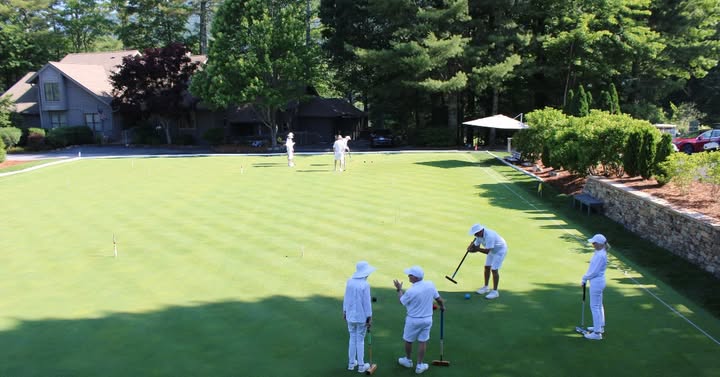
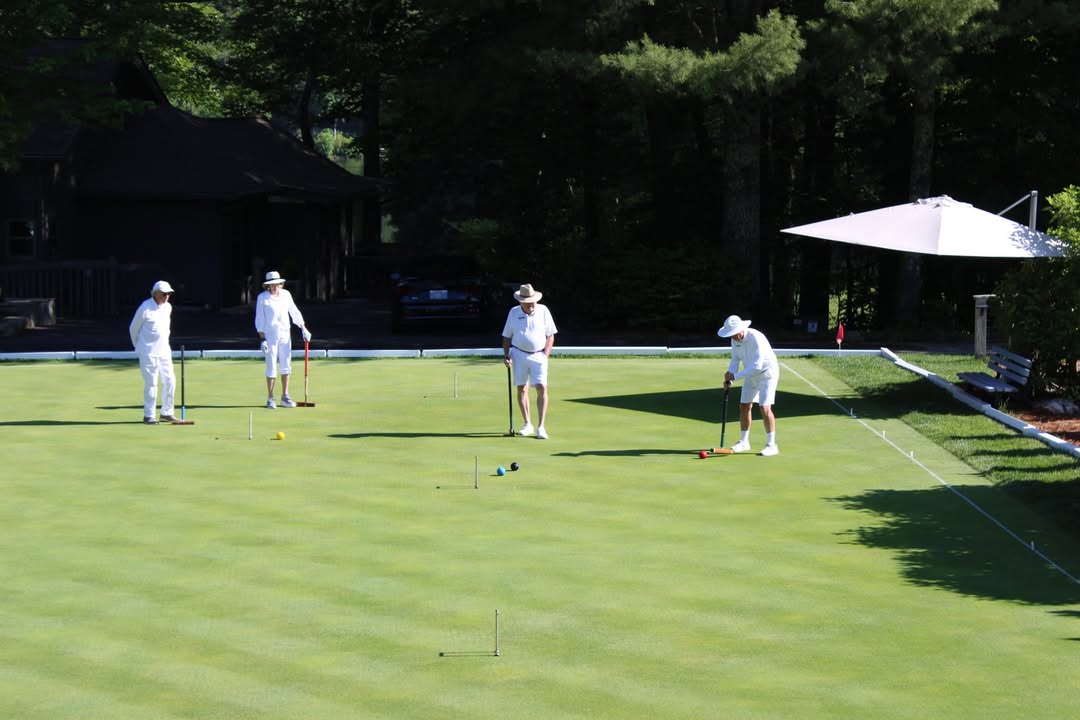
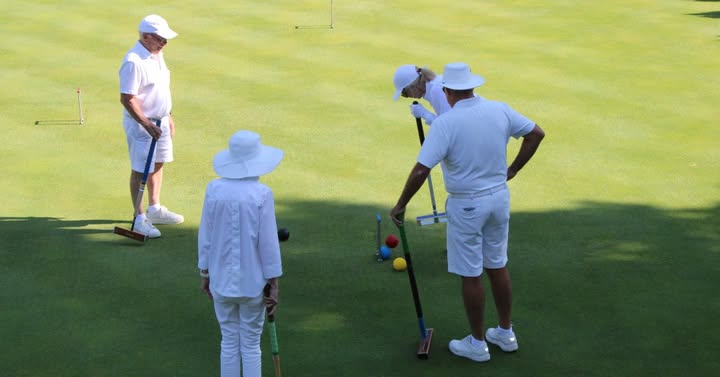
Stepping onto Burlingame Country Club’s beautiful regulation croquet lawn for the first time can feel intimidating. Beyond learning the rules and techniques, there’s an etiquette to croquet—particularly in club settings—that helps maintain the game’s civilized atmosphere and ensures everyone enjoys their time on the lawn.

Croquet etiquette isn’t about stuffy formality. It’s about respect, courtesy, and creating an environment where players of all levels feel welcome and competitive play remains fair and enjoyable.

Croquet Etiquette at Burlingame

Before You Step on the Lawn

Arrive Prepared: Show up on time for scheduled games or lessons. Being late disrupts others’ plans and shows disrespect for their time.

Proper Attire: While croquet isn’t as strict as tennis about clothing, wear appropriate athletic or casual attire. Soft-soled shoes that won’t damage the lawn are essential—no hard heels or cleats. Many clubs have “whites” traditions for tournament play, but regular play at Burlingame allows comfortable, appropriate clothing.

Equipment Respect: If using club equipment, handle mallets with care. Don’t lean on them, drag them across the lawn, or treat them roughly. Place them gently on the grass between shots, not dropped carelessly.

During Game Play

Silence During Shots: When an opponent is preparing to shoot, maintain silence. Don’t talk, walk in their sight line, or create distractions. This courtesy is fundamental to croquet.

Stand Still: While an opponent shoots, stand still and away from their line of vision. Movement catches peripheral vision and disrupts concentration.

Prompt Play: Keep pace moving. While you should take time for important shots, don’t dawdle unnecessarily. If you’re uncertain about a shot, decide within a reasonable timeframe.

Concede Obvious Shots: When an opponent has an unmissable 6-inch tap-in, concede it verbally. Making them actually hit obvious shots wastes time and appears petty.

Call Your Own Faults: Croquet relies on honesty. If you commit a fault (foot in hoop, moving a ball accidentally, etc.), call it immediately even if no one else noticed.

Communication and Sportsmanship

Compliment Good Shots: “Nice shot” or “Well played” after an opponent’s excellent play shows good sportsmanship. Croquet tradition includes acknowledging skillful execution.

Don’t Coach During Games: Unless specifically asked, don’t offer advice to opponents during play. Between games or during practice is fine, but during competition, let players figure things out themselves.

Accept Defeats Graciously: Shake hands, thank your opponents, and congratulate winners sincerely. Never make excuses or blame conditions/equipment for losses.

Celebrate Wins Modestly: When you win, be gracious. Acknowledge your opponent’s good play and attribute some success to fortunate breaks. Excessive celebration or gloating violates croquet spirit.

Tournament Considerations

Know the Rules: Before tournament play, ensure you understand croquet rules thoroughly. Asking basic rule questions mid-tournament slows play and frustrates others.

Dress Code: Tournaments often have specific dress codes (typically all white or club colors). Confirm requirements beforehand and comply.

Arrive Early: Tournament players should arrive 20-30 minutes before start time to warm up and check in properly.

Accept Referee Decisions: If a referee makes a ruling you disagree with, accept it gracefully during play. You can discuss it privately afterward if truly necessary.

Time Management: Tournament play often includes time limits. Manage your time responsibly and don’t slow down excessively to gain advantage.

Care of the Lawn

Repair Ball Marks: If your shot creates a visible mark or divot, repair it gently. Use your foot to press grass back into position.

Walk Carefully: Don’t drag your feet or pivot unnecessarily. Walk with normal strides that minimize lawn wear.

No Food or Drinks: Never bring food or open beverages onto the playing lawn. Spills damage grass and attract pests.

Equipment Placement: When not in use, place mallets on grass gently. Don’t pile multiple mallets in one spot, which can damage grass underneath.

Doubles Play Etiquette

Communicate with Your Partner: Brief, quiet strategy discussions are fine between shots, but don’t have extended conversations that slow play.

Don’t Blame Partners: If your partner makes a mistake, stay positive. Criticism or visible frustration damages team morale and violates etiquette.

Equal Participation: Even if one partner is stronger, both should have input in decisions. Don’t dominate or exclude your partner from strategy.

Interacting with Other Court Users

Yield When Appropriate: If another group is mid-shot and balls might cross paths, wait until they complete their shot before proceeding.

Retrieve Balls Promptly: If your ball rolls onto another court, wait for an appropriate pause in their play, then quickly retrieve it with apology.

Schedule Respect: If you’ve booked court time, arrive promptly and end promptly. Don’t run over into the next group’s scheduled time.

Learning and Asking Questions

Ask Before, Not During: If you’re learning and have rule questions, ask before the game or during breaks, not while someone’s trying to shoot.

Watch Experienced Players: One of the best ways to learn etiquette is observing how experienced players conduct themselves.

Accept Instruction Graciously: If someone (particularly a more experienced player or official) corrects your etiquette, thank them and adjust. Don’t argue or take it personally.

Social Aspects

Post-Game Socializing: Croquet tradition includes socializing after play. Join others for refreshments when time permits. This builds club community.

Welcome Newcomers: If you’re established at the club, go out of your way to welcome new players. Introduce yourself, offer encouragement, and help them feel included.

Offer to Play: Don’t wait to be asked. If you see someone looking for a game, invite them to join. Croquet thrives on inclusivity.

What Not to Do

Don’t Give Unsolicited Advice: Unless someone specifically asks for help, keep swing tips and strategy suggestions to yourself during play.

Don’t Complain About Conditions: Everyone plays on the same lawn in the same weather. Complaining about conditions appears weak and annoying.

Don’t Deliberately Slow Play: Using slow play to gain psychological advantage or throw off opponents is unsportsmanlike.

Don’t Celebrate Opponent Errors: When opponents miss shots, maintain neutral expression. Visible pleasure at their mistakes is poor form.

Don’t Walk Through Active Games: If cutting across croquet lawns to reach another area, wait for appropriate breaks and walk around game areas, not through them.

Croquet Etiquette - What Every New Player Should Know

The First Tee Moment

You’ve done the work. Your body is prepared, your mind is clear, and you’ve practiced the shots you’ll need. Now it’s time to play.

Take one last deep breath on the first tee. Feel the mountain air, appreciate the view, and remember why you’re here. You’re about to play a championship golf course in one of the most beautiful settings in Western North Carolina. That’s worth celebrating regardless of what the scorecard says.

Trust your preparation. Your warmup has given your body the best chance to perform. Now let it happen.

A proper pre-round warmup doesn’t guarantee a great round, but it dramatically increases your odds. At Burlingame Country Club, where the mountain terrain and elevation present unique challenges, taking these 30 minutes seriously can be the difference between posting your best score and fighting your game all day.

Your body is an athlete’s tool. Treat it with respect, prepare it properly, and it will reward you with better golf and fewer aches after the round. That’s a win-win worth committing to.

Ready to put these warmup strategies into action on one of the finest mountain golf courses in the region? Call Burlingame Country Club at (828) 966-9200 to schedule your tee time and experience championship golf where preparation meets elevation.

Burlingame Country Club serves as a perfect setting for learning the game of golf.

Wildlife at Burlingame: What You Might Encounter on the Course and Trails

Wildlife at Burlingame What You Might Encounter on the Course and Trails copy

Late one morning on the back nine, a doe walked out of the old-growth forest along the 12th fairway and stood there long enough for the group behind her to stop their carts and watch. She wasn’t particularly concerned. She moved off eventually, unhurried, back into the hemlocks. Nobody talked about their round for a few minutes after that.

This is the kind of thing that happens at Burlingame Country Club, and it happens regularly enough that long-time members have their own catalog of encounters. The bear that sat in the rough on 7 one September morning. The red fox that trotted across the first fairway as the sun came up. The great blue heron that stands in the same bend of the Horsepasture River so reliably that members treat it like a landmark.

The land at Burlingame was chosen and developed with a specific philosophy of stewardship, of paying attention to what was already here and building around it rather than over it. The wildlife that lives on and around the property is one of the more direct results of that approach.

Burlingame's Six Dining Venues

The Animals You’re Likely to See

White-tailed deer are the most frequently encountered mammals on the property. They move through the course early and late in the day, feeding along the fairway edges and in the open spaces between tree lines. During the rut in October and November, bucks become more visible and less cautious than usual. Fawns in late spring are a regular sight along the quieter holes.

Black bears are present in the mountains throughout Western North Carolina, and Burlingame is no exception. Most bear sightings are brief. The bear is doing something, it notices you, and it moves away. Black bears are not aggressive toward humans by nature, and the encounters members typically describe amount to a mutual acknowledgment and a quick departure in opposite directions.

The thing to understand about bears is that they’re opportunistic rather than threatening. An unsecured trash can or a food source left in a cart is far more interesting to them than a person. They’re not coming toward you. They’re going toward something they want.

Wild turkey move in flocks, often a dozen or more birds crossing a fairway or trail in single file with a kind of unhurried dignity. They’re more common than people expect before they’ve spent time in the mountains. Toms in the spring, displaying and calling in the early morning, are one of the more striking wildlife displays the property offers.

Coyotes are present but not often seen. They move mostly at night and are genuinely shy. You’re more likely to hear one calling in the evening than to see one during daylight hours.

Foxes, both red and gray, appear occasionally on the course and trails. They’re quick and quiet and don’t often linger. The red fox in particular, with its rust-colored coat against green fairways, has an appearance that stops golfers mid-swing.

The Bird Life

The Horsepasture River corridor and the old-growth forest sections of the property support a diversity of bird life that serious birders recognize as genuinely special.

The great blue heron is almost certainly the most watched individual bird on the property. It fishes the same stretches of the Horsepasture consistently and stands still long enough that you can approach to a respectful distance and actually observe its behavior. It’s a big bird, easily four feet tall when standing, and it moves with the kind of unhurried patience that distinguishes animals that are very good at what they do.

Belted kingfishers work the river too. They’re smaller than the heron, more dramatic in flight, and announce themselves with a distinctive rattling call before they arrive. Watch for them hovering over a pool and then plunging straight down.

Wood ducks are among the most visually striking birds in North America, and the wooded waterways near the Horsepasture hold them well. The males in breeding plumage are almost unreasonably colorful.

Wild turkey, mentioned above as ground wildlife, are also worth noting as birds specifically because of the spring gobbler behavior. Males display with fanned tails and calling that carries a long distance in mountain air.

Pileated woodpeckers work the larger dead trees on the property, and their scale surprises people who haven’t seen one. They’re crow-sized birds with a red crest, and the excavations they create in dead wood are substantial. You’re more likely to find one by hearing the hammering before you see the bird.

Songbirds in migration use Burlingame’s tree cover as stopover habitat. Spring and fall bring species that aren’t present in summer, and mornings during peak migration can produce a surprising variety of warblers, thrushes, and other small birds moving through.

Raptors

Broad-winged hawks gather over the mountains during fall migration in numbers that occasionally produce visible kettles, groups of dozens or hundreds of birds riding thermals overhead. The migration peaks in mid-September, and in good years it’s visible from the course and the trails with no special equipment.

Red-tailed hawks are present year-round and visible from the open areas of the course, hunting the rough edges for small mammals. Sharp-shinned hawks and Cooper’s hawks move through during migration. Ospreys appear occasionally along the river.

Barred owls are common at Burlingame and often call during daylight hours in autumn. Their call is the classic “who cooks for you” pattern that’s recognizable once you’ve heard it.

Coexisting Thoughtfully

The wildlife at Burlingame is part of what the property is, and most members think of it that way. A few habits help maintain that relationship.

Don’t approach nesting birds or animals with young. A doe with a fawn is not a danger, but getting between her and the fawn is a situation worth avoiding. The same applies to any wild animal with offspring.

Don’t feed anything. This is the rule that protects wildlife most directly. Animals that associate humans with food change their behavior in ways that eventually require intervention. The deer and bears and foxes at Burlingame are wild, and keeping them that way requires that they remain uninterested in people as a food source.

Keep trash secured, particularly around the clubhouse and in carts. This applies specifically to bears. The easiest way to avoid bear encounters near buildings is to give them no reason to be there.

If you encounter a black bear on the course or trail, give it space and let it move away on its own. Don’t run. Don’t make sudden movements. Talk in a calm, normal voice so it identifies you as a human. It will leave.

Slow down on property roads and cart paths in low-light hours. Deer in particular move most actively at dawn and dusk and will cross paths unexpectedly.

Driving Directions to Every Public Golf Course in Highlands, NC (4)

What the Land Stewardship Philosophy Actually Means

Burlingame was built with a stated commitment to nature and a respect for the land it sits on. The language in the club’s own materials about stewardship for future generations isn’t just phrasing. It describes a genuine orientation toward the property.

Maintaining the Horsepasture River corridor in a natural state gives the fishery and the wildlife that depend on it what they need to thrive. Preserving the old-growth sections of the forest provides habitat that younger stands can’t replicate. The trails and the parks within the community create corridors that allow wildlife to move.

The result is that Burlingame holds a richness of wildlife that you don’t find on properties that were developed differently. The doe on the 12th fairway isn’t an accident. She’s there because the land around her supports her.

That’s worth protecting, and most members who spend time on the course and trails understand it instinctively.

For trail maps and information about Burlingame’s outdoor offerings, call (828) 966-9200.

Yoga for Athletes: How Burlingame’s Classes Help Golfers, Tennis Players, and Pickleball Enthusiasts Move Better

Yoga for Athletes at Burlingame

​Most athletes come to yoga reluctantly. They’ve heard it’s good for them, someone at the club mentioned it, maybe they’re nursing a tight hip or a cranky lower back. They show up expecting to feel out of place and leave surprised by how hard it actually is and how much better their body feels the next morning.

At Burlingame Country Club’s Rejuvenate Wellness Center, yoga classes are designed with exactly that person in mind. Not the experienced yogi. The golfer who hasn’t touched their toes in a decade. The tennis player whose shoulder stops rotating the way it used to. The pickleball regular whose knees are talking back after a long week on the courts.

The connection between yoga and racquet and club sports is more direct than most people realize. It’s not about relaxation, though that’s a benefit. It’s about building the physical qualities that make you move better on the course and the court.

Yoga Fitness for Athletes at Burlingame

What Yoga Actually Does for Athletic Performance

Flexibility gets most of the attention, and it matters. But yoga does several other things that athletic bodies specifically need.

It builds functional strength in positions that gym machines can’t replicate. Holding a warrior pose for sixty seconds requires leg, hip, and core engagement that transfers directly to the athletic stance you hold during a rally or the setup position at address.

It trains proprioception, which is your body’s awareness of where it is in space. Balancing poses that feel simple until you try them develop the same neural pathways that keep you stable on an uneven lie or help you change direction quickly on the court.

It teaches controlled breathing under physical stress. When you’re working through a difficult sequence and you focus on keeping your breath steady, you’re practicing the same regulation that keeps you calm over a four-foot putt or during a tiebreak.

And it creates body awareness that shows up in useful ways. Golfers who practice yoga regularly start to notice exactly what their hips are doing at transition. Tennis players feel the difference between a loose shoulder turn and a restricted one. These aren’t things you can think your way into. You have to feel them first.

For Golfers

The golf swing requires a specific combination of mobility and stability that most training approaches don’t develop particularly well. You need your thoracic spine to rotate freely while your lower body stays anchored. You need open hips to complete your backswing without swaying. You need enough hamstring flexibility to maintain your spine angle through impact.

Yoga addresses all of these, and it does it through movement rather than isolated stretching.

The thoracic rotation work in yoga classes, the twists and the chest-opening poses, directly improves your ability to coil in the backswing. Players with restricted mid-back mobility compensate by swaying or lifting, which throws off the whole swing. Even two or three months of regular yoga practice can produce noticeable improvement here.

Hip mobility is the other big one for golfers. Pigeon pose, lizard pose, and their variations open the hip flexors and external rotators in ways that feel uncomfortable at first and then become something you look forward to. More hip mobility translates to a fuller turn and better weight transfer, which is the physical foundation of consistent ball-striking.

Lower back tightness is one of the most common complaints among club golfers. The combination of long drives, walking uneven terrain, and the repetitive rotation of the golf swing puts real demands on the lumbar spine. Yoga’s emphasis on core strength and spinal flexibility builds the support structure that keeps that area healthy.

For Tennis Players

The shoulder is the most obvious area of concern for tennis players, and yoga works well here. The rotator cuff requires both strength and flexibility to move through the ranges of motion a serve demands, and poses that open the chest and work internal and external shoulder rotation help maintain that balance.

But the bigger gift yoga offers tennis players might be in the hips and hamstrings. The explosive lateral movement of tennis shortens and tightens the hip flexors and adductors over time. Stiff hips mean restricted footwork, and restricted footwork means late contact and reduced court coverage.

Yoga’s hip work counters this directly. The lunge variations teach the body to open up through the hip crease under load, which is the same motion you need when stretching wide for a backhand on the run. Players who add yoga to their routine often notice the difference in court coverage before they notice it anywhere else.

Balance training in yoga also helps tennis players specifically. Single-leg balance poses develop the proprioceptive stability that allows you to hit from open stances and recover position quickly. The ability to load weight onto one leg without wobbling makes a real difference when you’re sliding wide on clay and need to push back to center.

For Pickleball Players

Pickleball puts different demands on the body than either golf or tennis. The game is played mostly close to the kitchen line, which means a lot of time in a bent-knee, forward-lean stance. That’s a hip flexor and quad workout whether you realize it or not, and it can compress the lower back if the supporting muscles aren’t doing their job.

The core work in yoga builds the anti-rotation strength and hip stability that supports that stance for extended play. Players who have done yoga regularly often find they can sustain longer sessions without the lower back fatigue that used to show up by the third game.

Hand and wrist flexibility matter in pickleball more than in most sports because of how much dinking and reset work involves touch at unusual angles. Yoga’s wrist stretches and the weight-bearing on the hands in poses like downward dog build both flexibility and supporting strength in the forearms and wrists.

Quick lateral changes of direction, the defining physical demand of pickleball, rely on ankle stability and hip mobility working together. Yoga builds both. The balance poses and the deep lunge variations specifically address the foot and ankle proprioception that keeps you stable when you’re lunging for a wide dink or sliding to cut off an angle.

The Three Yoga Offerings at Rejuvenate

Burlingame’s Rejuvenate Wellness Center offers three distinct yoga classes, which reflects the reality that one format doesn’t work for everyone.

The general yoga class covers a full range of poses and sequences that work for athletes at any flexibility level. If you haven’t done yoga before, this is the starting point.

Private yoga coaching is available for members who want personalized instruction. This is particularly useful if you have specific athletic goals, a recurring injury pattern you’re working around, or simply want individual attention to make sure you’re building the right habits from the start.

The third offering combines yoga with targeted stretching sequences designed specifically for golf and tennis. If you want yoga’s benefits but want them connected directly to your sport, this is the format worth trying.

The Rejuvenate team can walk you through which class makes the most sense for where you are right now. Nothing about what they offer requires prior experience or a certain level of fitness.

Best Golf Pros for Lessons in Highlands, NC (3)

Starting Without Overthinking It

The most common reason athletes don’t try yoga is that they expect to be bad at it. You will be. That’s entirely normal and not the point. The point is that the areas of your body you struggle with in yoga are almost always the same areas limiting your athletic performance.

Tight hips in warrior pose? Your golf swing is probably restricted there too. Shaky single-leg balance? Your footwork on the court is likely compensating for the same instability. The class shows you exactly where you need work, and then it works on it.

Start with one class per week and give it six weeks before deciding how you feel about it. Most athletes who commit to that initial window come out the other side with better mobility, less stiffness, and at least one thing about their sport that feels noticeably freer.

To learn more about yoga classes and scheduling at Rejuvenate, call Burlingame Country Club at (828) 966-9200.
Croquet Etiquette - What Every New Player Should Know