Swimming for Fitness: Why the Pool at Burlingame Is More Than a Place to Cool Off
Swimming for Fitness Why the Pool at Burlingame Is More Than a Place to Cool Off

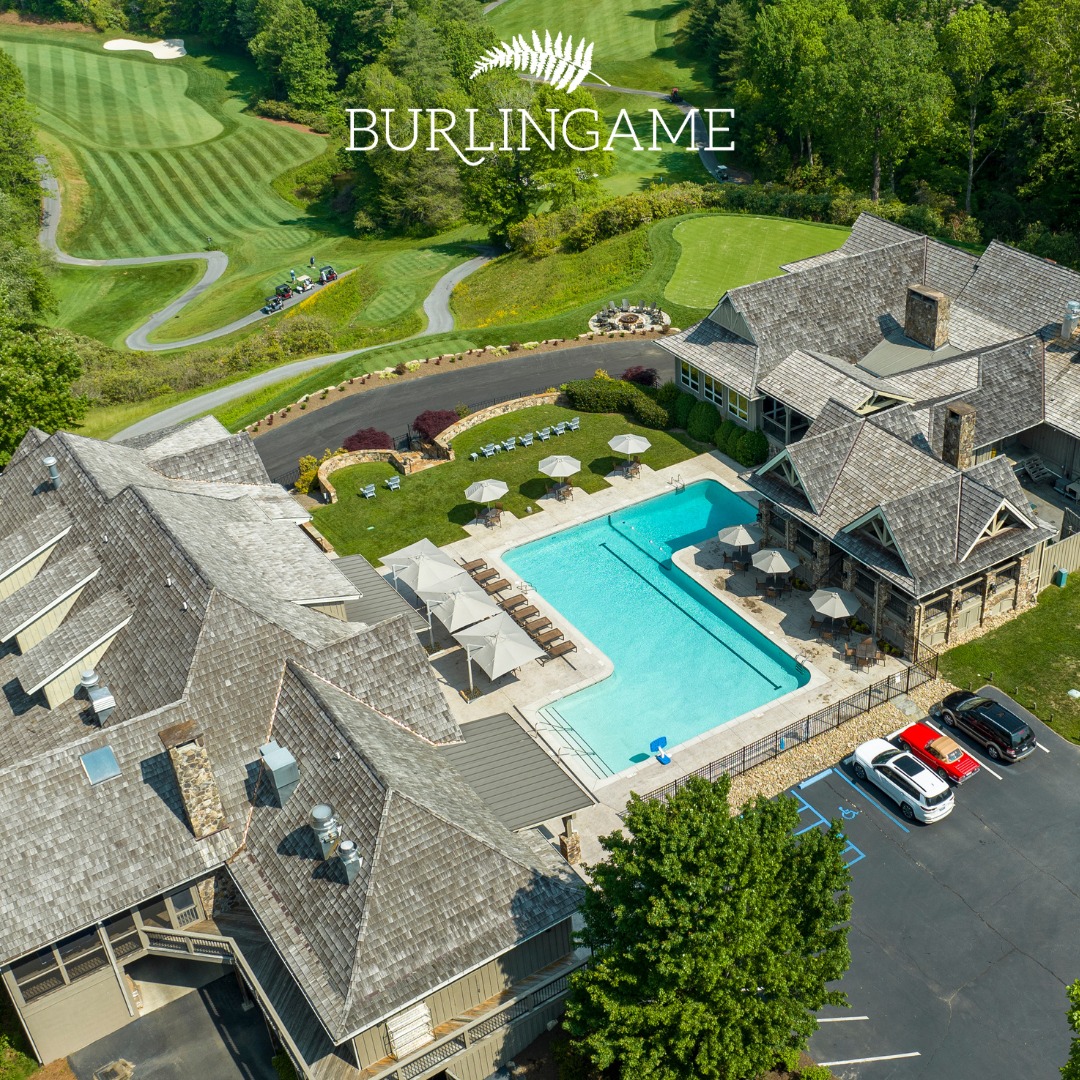
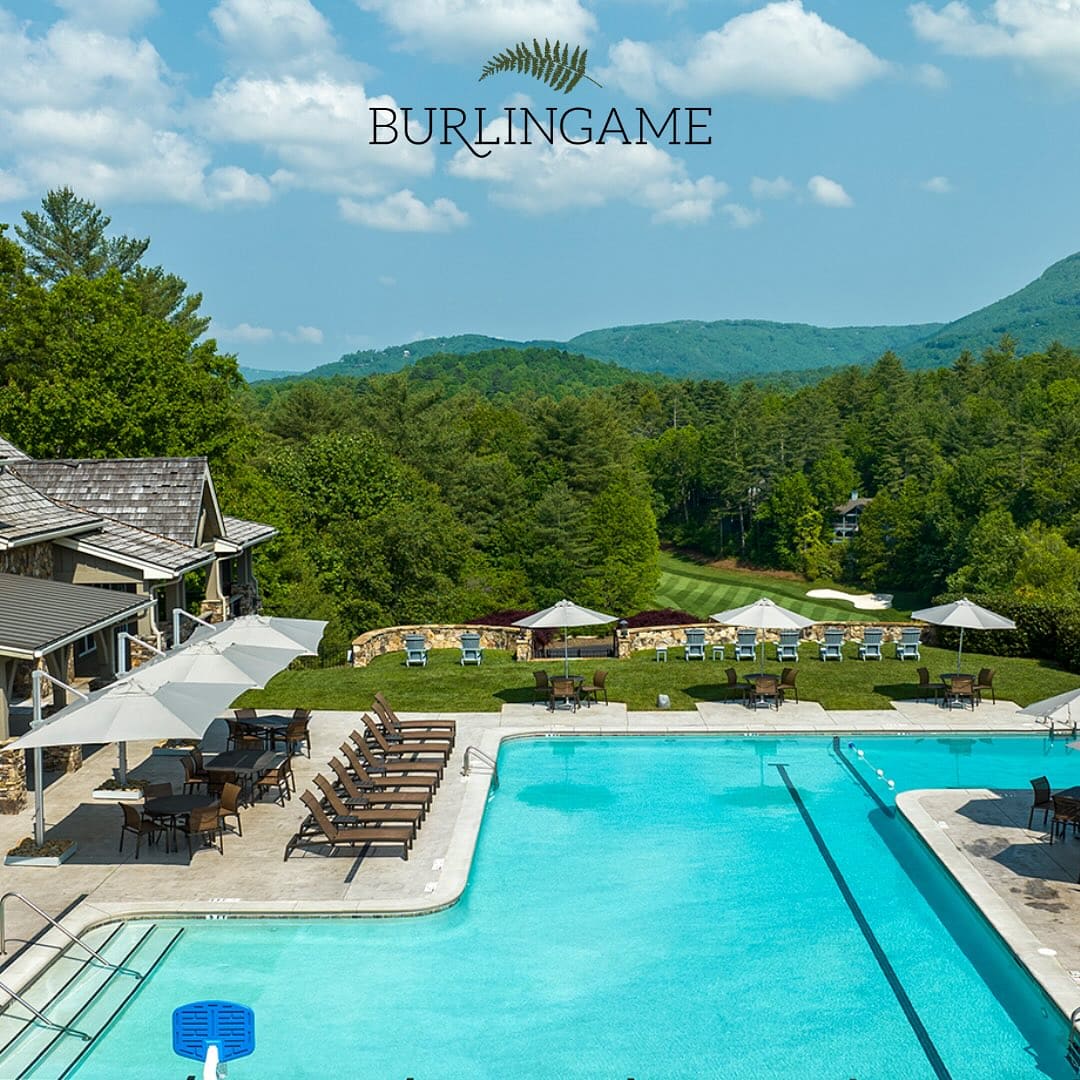
The pool at Burlingame Country Club gets plenty of use during a summer afternoon. Kids in the water, members relaxing on the deck, the kind of easy social energy that a mountain pool in July naturally produces. What’s easy to miss is that some of those members showing up earlier in the morning or during quieter hours are treating the same pool as one of the better fitness tools on the property.

Swimming for fitness occupies a specific and valuable niche in an active person’s routine. It works your cardiovascular system hard, it’s genuinely full-body, and it puts almost no mechanical stress on your joints. For the golfer whose knees don’t love walking 18 holes every day, or the tennis player managing a shoulder that needs rest from serving, the pool offers a way to maintain fitness without making anything worse.
Why the Pool at Burlingame Is More Than a Place to Cool Off

Why Swimming Works the Way It Does

Water is about 800 times denser than air. Moving through it requires constant muscular effort in a way that land-based exercise doesn’t. Even at a moderate pace, swimming engages your core, your upper body, your hips, and your legs in coordinated fashion for the entire duration of the workout.

The resistance is also proportional to your effort, which is one of swimming’s more useful qualities. Push harder, and the water pushes back proportionally. This means you can self-regulate intensity without any equipment adjustments, and the same pool works for a beginner doing easy laps and an experienced swimmer doing hard interval sets.

The cardiovascular demand is real. Swimming at a moderate steady pace will get your heart rate into an aerobic training zone and keep it there. More intense intervals, where you sprint a length and rest briefly before going again, create the same kind of high-intensity work that coaches use with competitive athletes.

Breathing is the thing that challenges most new swimmers. Unlike running or cycling, swimming requires deliberate breath management. You can’t just breathe when you need to. This forces a level of body awareness and controlled exhalation that, over time, actually improves the quality of your breathing in other activities. Athletes who add swimming to their routine often report that their stamina feels better across the board, not just in the pool.

The Joint-Friendly Advantage

At Burlingame, where members are generally active across multiple sports and the average golfer or tennis player is dealing with some accumulated wear on their body, joint-friendly fitness options matter.

The buoyancy of water reduces effective body weight by about 90 percent when submerged to the neck. A person who weighs 180 pounds on land weighs about 18 pounds in the pool. That means the repetitive impact that accumulates during running, tennis footwork, or repeated golf swings is almost entirely absent.

For anyone in recovery from a lower-body injury, managing chronic knee or hip pain, or simply trying to give their body a break between harder sessions, swimming provides a genuine workout without the inflammation trigger that high-impact exercise creates.

The rotator cuff is worth mentioning separately because so many tennis and pickleball players are managing some degree of shoulder sensitivity. Swimming has a mixed reputation here. Done correctly with good stroke technique, freestyle swimming builds balanced shoulder strength and doesn’t aggravate most rotator cuff conditions. Done incorrectly, particularly with poor rotation technique that creates impingement at the top of the stroke, it can irritate the shoulder. If you’re managing a shoulder issue, start conservatively and get a few pointers on technique before committing to long sets.

What a Fitness-Focused Pool Session Looks Like

You don’t need to have been a competitive swimmer to use the pool for real fitness. A simple structure works well.

A basic workout might look like this: start with four easy lengths to warm up and find your rhythm. Move into the main set, alternating moderate-effort lengths with slightly harder ones. Finish with a few easy lengths to cool down and let your heart rate settle. Total time in the water: 30 to 45 minutes.

As your fitness in the water develops, you can add structure. Interval sets, where you swim a specific number of lengths at high effort and rest for a fixed time between repetitions, are particularly effective for cardiovascular conditioning. Technique drills, like single-arm freestyle or kicking sets with a board, build the specific strength that makes your stroke more efficient.

You don’t have to do freestyle the entire time. Backstroke is easier on the shoulders for many people and works your posterior chain differently. Breaststroke is lower intensity and can serve as active recovery within a session. Even alternating strokes keeps things more interesting than 40 lengths of the same movement.

The Aqua Fitness Option

Burlingame’s Rejuvenate program includes non-impact aqua fitness classes that use the pool for structured group exercise. These sessions are not light or easy, despite the absence of impact. Water resistance makes exercises that would feel simple on land significantly more challenging, and the class format keeps intensity consistent across the workout.

Aqua fitness is particularly well-suited for members who want a guided workout without solo laps, those managing lower-body pain or arthritis, and anyone who finds lap swimming too solitary or technically demanding. The instructor keeps pace, adjusts for different fitness levels within the group, and provides the same social accountability that any group fitness class offers.

If you haven’t tried it because it doesn’t sound hard enough, try it once and reconsider. The class will challenge your cardiovascular system and work muscles that most land-based routines miss.

The Pool as a Recovery Tool

Beyond structured fitness, the pool serves a recovery function that active members should take advantage of.

Cold water immersion after intense exercise reduces muscle inflammation and speeds recovery. At Burlingame, where a mountain morning means pool temperatures that tend toward the cool side, a post-exercise swim or soak provides some of this benefit naturally.

Easy laps the morning after a long round of golf, a hard tennis match, or a full day of pickleball can actually accelerate how quickly your legs and shoulders feel normal again. The combination of gentle movement and water pressure promotes circulation and helps clear the metabolic byproducts that create post-exercise soreness.

This isn’t complicated. Twenty minutes of easy freestyle the morning after a demanding day on the courts or course will make your body feel better than the same twenty minutes spent sitting on the couch. Members who build this habit find their recovery time shortens noticeably.
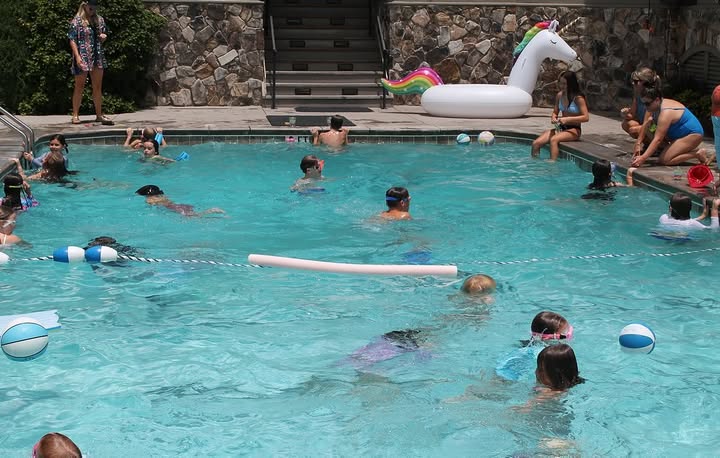
The pool at Burlingame Country Club gets plenty of use during a summer afternoon.

The Social Side

The pool at Burlingame has always been a gathering place. The deck sees afternoon conversation, the kind of easy club social life that builds friendships over repeated seasons. Getting in the water adds a different dimension to that, because regular swimmers naturally start to recognize each other during morning laps and the pool deck before a workout has its own informal social rhythm.

It’s a different crowd than the golf course or the tennis courts, and getting to know members across multiple activities is part of what makes a club feel like a community rather than a collection of separate groups using the same property.

For more information about pool hours, aqua fitness class schedules, and Rejuvenate programming, call Burlingame Country Club at (828) 966-9200.
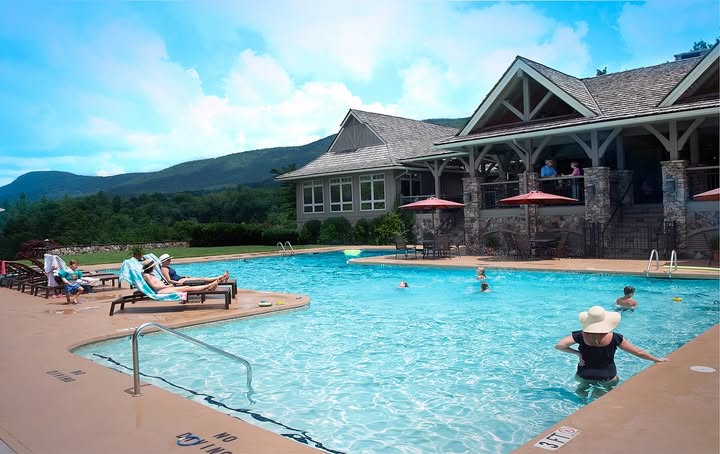
Swimming for fitness occupies a specific and valuable niche in an active person's routine.

The Mental Side of Golf: How to Stop Sabotaging Your Own Round

The Mental Side of Golf How to Stop Sabotaging Your Own Round

You’ve hit the shot a hundred times on the range. Smooth takeaway, solid contact, ball goes where you aimed it. Then you step onto the 14th tee at Burlingame with the Horsepasture valley dropping away to your left, your playing partner watching, and two bogeys already on the card. Suddenly the swing that felt automatic feels like you’re operating borrowed equipment.

That’s golf. And it’s almost entirely in your head.

The physical skills matter, obviously. But most golfers at the club level already have enough technique to score better than they do. What holds them back isn’t the swing. It’s the thinking that happens between shots, over the ball, and after mistakes. Fix that, and you’ll shoot lower without changing a single mechanical thing.

How to Stop Sabotaging Your Own Round

The Interval Problem

In baseball, a batter faces a pitch roughly every 20 seconds. A basketball player rarely has more than a few seconds between touches. In golf, you might hit the ball once every four or five minutes. The rest of the time, you’re walking, riding, waiting, and thinking.

Most of that thinking isn’t helpful.

The brain doesn’t distinguish well between imagining something bad and actually experiencing it. When you spend the cart ride to your ball replaying the snap hook you just hit, or worrying about the water hazard on the next hole, your nervous system responds with low-grade stress that tightens your grip, shortens your backswing, and makes you swing faster than you should.

The mental game is largely about managing those intervals. Not filling them with positive affirmations or fake confidence. Just keeping them neutral and present rather than backward-looking or anxious.

Build a Pre-Shot Routine and Protect It

A pre-shot routine is the single most effective mental skill in golf. It’s not superstition. It’s a mechanism for transitioning your brain from general thinking mode into execution mode, and doing it the same way every time builds consistency because the routine itself becomes a trigger.

A good routine has a few elements:

Assessment happens behind the ball. Stand behind the shot line, pick your target, consider the wind, choose your club, and commit to what you’re doing. This is your thinking window. Use it fully.

Visualization comes next. See the shot you want. Ball flight, landing spot, shape. This doesn’t need to take long. Five seconds of clear mental imagery is enough. You’re not trying to will the ball there. You’re just pointing your brain in the right direction.

Address is automatic. Once you step into the shot, your analytical mind should step back. Set your feet, take your grip, and go. The more time you spend standing over the ball thinking, the worse you’ll hit it. Trust the preparation that happened behind the ball.

One swing thought maximum. If you have a mechanical thing you’re working on, one thought is fine. More than one creates paralysis. Pick the most important one and let the rest go until after the round.

The key is doing this the same way every time. Same sequence, same timing, same feel. Under pressure, your routine is what keeps you anchored.

How to Handle Bad Holes Without Letting Them Become Bad Rounds

Every golfer has a version of this: a bad hole turns into two bad holes, which turn into a bad back nine, which turn into a story you’re telling over dinner about how you had it and lost it.

The hole is over when you write down the score. That’s it. Whatever happened is done, and the next tee box has no memory of it.

This sounds obvious. It isn’t easy. Here’s what actually helps.

Give yourself one full minute to be frustrated. Seriously. Walk off the green, feel whatever you feel, say something under your breath if you need to. Let it out. Then, by the time you reach your bag or the cart, it’s done. You’ve had your minute. You move on.

The players who recover from bad holes fastest are the ones who do this consistently. Not the ones who pretend they’re not bothered, and not the ones who carry it for three holes. One minute of honest reaction, then full release.

What you’re walking toward matters more than what you’re walking away from. Shift your attention to the next shot, not the last one.

Water, OB, and the Shots That Scare You

Certain holes just get in your head. You’ve hit the water on 7 twice before, and now you stand on that tee box thinking about the water before you’ve even pulled a club. That’s a self-fulfilling situation if you let it develop.

The fix is specific. Don’t tell yourself “don’t hit it in the water.” Your brain processes the word “water” and fixates on it regardless of the “don’t.” Instead, identify exactly where you want the ball to go and think only about that target. The big oak tree on the right side of the fairway. The left edge of the bunker. A specific point in the distance. Your mind will follow a clear positive target better than it follows a warning.

Commit to the shot you’ve chosen. Indecision at address is a guaranteed miss. If you’re between a 6 and 7 iron and you step up to the ball still thinking “maybe I should have gone with the 6,” back off and make the decision. Then step back in with full commitment. Half-hearted swings produce half-hearted results.

Managing Expectations on the Course

A lot of self-inflicted mental damage comes from expecting to shoot better than you’re capable of right now.

If you’re a 15-handicap, your expected score is around 87. That means you should expect a mix of bogeys, a few doubles, an occasional par, and maybe a birdie if things are going well. When a double bogey appears on the card, that’s not a catastrophe. It’s a 15-handicap having a 15-handicap hole.

Expecting to make pars on every hole you don’t birdie creates pressure that doesn’t belong there. Play to your actual game, not the game you think you should have.

At Burlingame specifically, where the mountain terrain creates shots you don’t practice anywhere else, give yourself extra grace on holes that genuinely challenge you. An awkward sidehill lie above 3,000 feet isn’t the same as a flat lie at your home course. Bogey on those holes is fine golf.

The Score-Watching Trap

Most golfers track their score too closely during the round. You’re on the 11th hole, you’ve done the math, and you know you need to go 2-over on the back nine to break 90 for the first time. That knowledge doesn’t help you hit the next shot. It adds weight to it.

Try this: don’t calculate your total until the round is over. Play hole by hole. Your only job on any given shot is to play that shot. One shot. Not the hole, not the back nine, not the total.

This is genuinely easier said than done, but it’s trainable. When you catch yourself doing the math, notice it, and deliberately return your attention to the target in front of you. That redirect is the skill. You’ll have to do it dozens of times during a round, especially at first.

After the Round

How you talk about your round matters. Players who immediately catalog every mistake they made, replaying bad shots in detail, are reinforcing those patterns in their memory. What you narrate becomes what you remember.

Acknowledge what went wrong briefly. Then spend more time on what worked. The chip you got up and down on 6. The long par putt you made on 9. The drive on 16 that went exactly where you aimed it. Your brain learns from what you pay attention to.

This isn’t self-deception. It’s deliberate attention management. The bad shots happened. You don’t need to relive them to learn from them.

Mountain Golf - Essential Stretches and Range Drills

The First Tee Moment

You’ve done the work. Your body is prepared, your mind is clear, and you’ve practiced the shots you’ll need. Now it’s time to play.

Take one last deep breath on the first tee. Feel the mountain air, appreciate the view, and remember why you’re here. You’re about to play a championship golf course in one of the most beautiful settings in Western North Carolina. That’s worth celebrating regardless of what the scorecard says.

Trust your preparation. Your warmup has given your body the best chance to perform. Now let it happen.

A proper pre-round warmup doesn’t guarantee a great round, but it dramatically increases your odds. At Burlingame Country Club, where the mountain terrain and elevation present unique challenges, taking these 30 minutes seriously can be the difference between posting your best score and fighting your game all day.

Your body is an athlete’s tool. Treat it with respect, prepare it properly, and it will reward you with better golf and fewer aches after the round. That’s a win-win worth committing to.

Ready to put these warmup strategies into action on one of the finest mountain golf courses in the region? Call Burlingame Country Club at (828) 966-9200 to schedule your tee time and experience championship golf where preparation meets elevation.

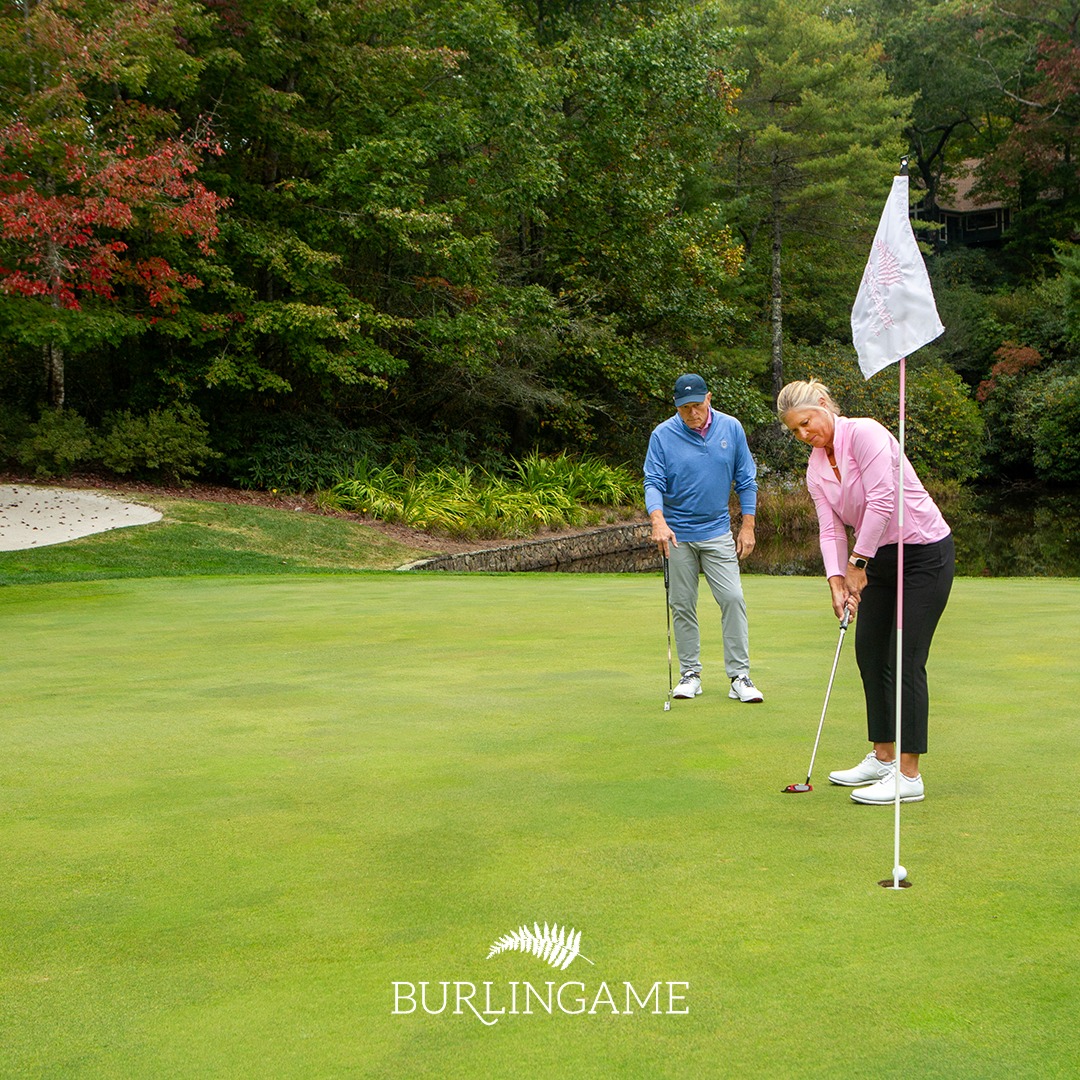
Burlingame Country Club serves as a perfect setting for learning the game of golf.

Why Mountain Club Living Is Different: Burlingame vs. Traditional Lowland Country Clubs

Why Mountain Club Living Is Different

If you’ve spent time at a traditional country club, you have a picture in your head of what private club membership looks like. A flat course, a formal dining room with a specific dress code, a calendar of events that runs through the social season, and a community built primarily around golf. Some of those clubs are excellent. The question worth asking before you compare Burlingame Country Club to them is whether you’re actually comparing the same thing.

You’re not.

Mountain club living at 3,000 feet in Western North Carolina operates differently from a traditional lowland club, and the differences go deeper than the setting. They affect what you do with your time, how the community forms, what your body feels like after a week there, and what it means to be a member. This is an honest comparison between the two, not a dismissal of one in favor of the other, but an attempt to be clear about which experience is actually better for a particular kind of person.

Burlingame vs. Traditional Lowland Country Clubs

The Weather and What It Changes

A traditional lowland club in the Southeast operates in summer temperatures that limit outdoor activity to the early morning and late afternoon, with the middle of the day unsuitable for sustained exertion unless you’re comfortable with heat and humidity.

Burlingame sits at elevations between 3,000 and 3,500 feet. Summer temperatures here run 15 to 20 degrees cooler than the surrounding lowlands. The humidity is lower. The air is noticeably different in a way that people often comment on within an hour of arriving. You can play 18 holes in July at midday and not be destroyed by it.

This sounds like a practical advantage, and it is. But it’s also a philosophical one. The mountain climate doesn’t force you to schedule your life around avoiding the outdoors. You can use the property at any hour of the day and find conditions that make outdoor activity a pleasure rather than something to be survived.

For members who use a mountain retreat specifically to escape the lowland summer, this is the primary environmental advantage, and it’s not a small one.

The Course Itself

Golf on a flat course is a different game than golf in the mountains. Neither is inherently superior. They ask different things of you.

Tom Jackson’s 18-hole championship course at Burlingame uses terrain that no lowland architect has access to. The elevation changes, the river crossings, the views that open up on holes that crest ridgelines, and the way the mountain winds influence shot selection on certain holes create a course that demands a different kind of thinking than a flat layout does.

Playing well at Burlingame requires reading terrain. Managing altitude effects on ball flight. Understanding how mountain wind behaves differently from sea-level wind. Making decisions about elevation change on approach shots that don’t exist on a flat course.

This adds a layer of complexity and interest that some golfers love and others find frustrating. The honest answer is that you should play the course before making it central to your membership decision. Most people who do play it once come back because the combination of natural beauty and strategic challenge is genuinely compelling.

At elevations ranging from 3,000 to 3,500 feet, you also hit the ball farther. About 10 percent farther than at sea level. New members discover this on the first tee box and spend a few holes adjusting their expectations upward.

The Activity Range

A traditional private golf club offers golf, usually tennis, often a pool, and dining. These are the core amenities and most clubs do them well.

Burlingame offers all of those, but the mountain setting adds a category of activity that flat courses can’t replicate. Hiking trails that cover significant terrain and connect to hidden waterfalls. Fly fishing on the Horsepasture River, a legitimate trout fishery that flows through the property. A dog park. Croquet on a regulation USCA lawn. Mountain views available from most parts of the property on most days.

The range of activities at Burlingame means that non-golfing family members, or members who want to do something other than play golf on a given day, have real options rather than polite alternatives. A spouse who doesn’t golf can spend a full day at Burlingame and use the property well. Grandchildren have things to do that aren’t just sitting by the pool.

This matters in practice more than it might seem when you’re evaluating a membership. The question of whether the whole family can use and enjoy the property, rather than just the primary golfer, is one of the more practical membership considerations there is.

The Community Character

Traditional lowland clubs often have a formality to their community that reflects the history and demographics of private club culture. That formality has a real appeal for members who value tradition, dress codes, and clear social structure. The rituals of a formal club carry meaning.

Burlingame’s community character is different. Members describe it consistently with words like warm, unpretentious, genuine, and welcoming. The dining is excellent but the atmosphere is not restrictive. The golf is championship quality but nobody is making you feel underdressed. The social events are well-attended because people actually want to go, not because the calendar demands it.

This isn’t the same as casual or lacking in quality. The food, the course conditions, the facilities, and the staff are all maintained at a level that reflects genuine investment in the member experience. The difference is that none of it comes with the social weight of formality. You’re welcome here because of who you are, not because of how you present.

For the member who wants excellence without pretension, this is a meaningful distinction.

The Mountain Retreat Dynamic

Many Burlingame members use the club as their primary mountain retreat, whether as seasonal residents, second-home owners near Lake Toxaway or in Cashiers, or frequent visitors who stay in the area for extended periods.

The mountain retreat context changes how you relate to a club. You’re not stopping by for a quick round on the way home from work. You’re here for the week, or the month, and the club is the center of your social life during that time. The density of activities available matters differently when you have extended time to use them.

Traditional lowland clubs often serve members who are fitting club activities into a regular working schedule. The round is scheduled around work, the dinner is an evening out. The club is one element in a week with many competing demands.

At Burlingame, when members are in residence, the club can be the organizing principle of the week rather than an element within it. That’s a different relationship with a private club, and it’s one that most members who experience it find they prefer.

Why Mountain Club Living Is Different Burlingame vs. Traditional Lowland Country Clubs

The Honest Comparison

Traditional private golf clubs offer something real. The stability of a flat course you know in detail. The social traditions of a formal club. A community rooted in a particular local context.

Burlingame offers something different. A mountain environment that changes the physical experience of being outside. A course that demands more varied thinking. A community that formed around shared appreciation for a specific place rather than shared geography of a suburb or city. And a range of activities that keeps the entire family engaged.

The question of which is right for you depends on what you’re actually looking for. If you want a traditional club experience close to your primary residence and a course you’ll play three times a week year-round, Burlingame may not be it. The mountain location is a defining constraint as much as a defining advantage.

But if you want a mountain retreat built around an exceptional golf course, with a community that consistently surprises new members by how genuine it feels, with amenities that extend well beyond the 18th green, and with a natural setting that makes every activity feel like it’s happening in the right place, there isn’t a comparable option in Western North Carolina.

The members who call Burlingame “The Best of Times” aren’t being hyperbolic. They’re describing an experience that a different kind of club, however excellent, doesn’t produce.

To find out whether Burlingame is the right fit for your family,

Burlingame Country Club serves as a perfect setting for learning the game of golf.

Twilight Golf at Burlingame: Why Late-Afternoon Rounds Are Worth Setting Down Your Drink For

Croquet Etiquette and Club Play

Late-Afternoon Rounds

There’s a window of time at Burlingame Country Club, usually somewhere around 5 o’clock on a summer evening, when the mountain light goes amber and the course turns quiet. The morning crowd has finished up. The afternoon heat has backed off. The Horsepasture River catches the last of the sun through the trees, and you’ve got the back nine largely to yourself.

If you haven’t played a twilight round at Burlingame, you’re missing one of the better things this club has to offer.

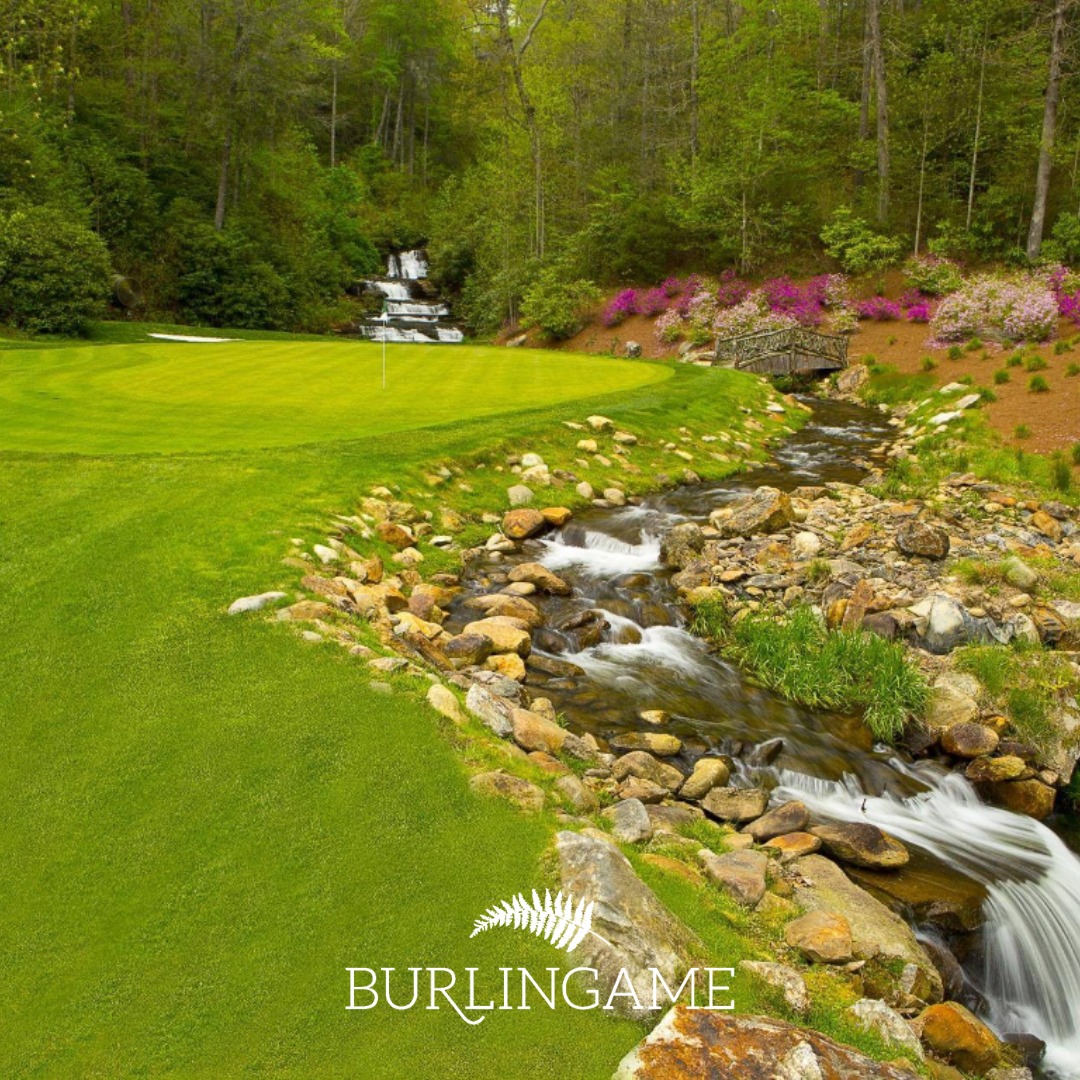
Golf at Burlingame (2)

What Makes Twilight Golf Different

The obvious draw is pace. Fewer players on the course means you’re not waiting on every tee box, not watching the group ahead of you spend four minutes finding a ball in the rough. You walk up, you play, you move on. A round that might take four and a half hours in the morning can come in under three in the evening.

But it’s more than just speed.

The light at 3,000 feet in late afternoon does something that’s hard to describe until you’ve seen it. The shadows get long and sharp across the fairways. The ridgelines pick up a blue-gray tint. The greens look almost luminescent against the darker tree lines behind them. You’re playing the same holes you’ve played a hundred times, but they look completely different.

Temperature is another thing entirely. Burlingame runs cool compared to the flatlands even in July, but by 5 or 6 in the evening, you’ve dropped another five to ten degrees. A light layer is often welcome by the time you finish. That’s not a complaint.

How to Adjust Your Game for Evening Conditions

A few things change when you play in the evening that are worth knowing before you tee it up.

Shadows and depth perception. Long shadows running across fairways can mess with your depth perception, especially on approach shots. A shadow cutting across the fairway between you and the green can make a 150-yard shot look shorter or longer than it is. Trust your rangefinder or GPS, not your eyes.

On the greens, shadows can either help or hurt your read. Sometimes the relief in the terrain shows up more clearly in low-angle light, which actually makes green reading easier. Other times, a shadow across the line of your putt creates an optical illusion about break. Pay attention to the actual slope, not the visual line created by shadow.

Green speed tends to pick up. As the temperature drops and the dew hasn’t yet settled, evening greens often run a touch faster than they did at midday. The grass isn’t stressed from heat, and the surface firms up as the day cools. Expect your putts to be slightly quicker, especially downhill.

The wind changes. Mountain evenings bring a consistent downhill flow as cooler air slides off the higher ridges. If you’ve played Burlingame in the morning, you’ll recognize that the wind is often coming from a completely different direction by evening. Check it on the first couple of holes and adjust your club selection accordingly.

Ball flight looks different. This is subtle but real. Against a brighter sky, it can be harder to track your ball in the air. Wear sunglasses if the sun is still in the west and you’re hitting into it. Colored balls, yellow in particular, are easier to track in lower light.

Pacing Yourself Through a Twilight Round

Twilight rounds are usually nine holes, though 18 is sometimes possible depending on the time of year and when you tee off. If you’re playing 18, know your cutoff time and let the pro shop help you plan accordingly. There’s nothing fun about being stuck on 14 when the light is truly gone.

If you’re playing nine, think carefully about which nine. The back nine at Burlingame tends to play more dramatic as the light fades because of the elevation changes and the river holes. A lot of members will tell you the back nine in the evening is as good as golf gets here.

Bring a light jacket in your bag regardless of how warm it feels when you start. You’ll want it by the last few holes.

And slow down a little, even though the course is open. Twilight rounds have a way of getting rushed because you’re watching the light and thinking about finishing. That’s the wrong instinct. The pace is the whole point. Let yourself stand on a tee box and actually look at what’s around you before you hit.

A Few Practical Things to Know

Twilight rates are typically lower than standard green fees, which makes evening rounds an easy choice if you’re already out at the club later in the day. Check with the pro shop on current pricing and available tee times.

Carts are usually still available, though walking a twilight round is genuinely worth trying if your legs are up for it. The quiet of an evening walk on a nearly empty mountain course is one of those simple pleasures that’s hard to replicate.

Keep your eye on the clock. As beautiful as the evening light is, playing in actual darkness isn’t something the course or your scorecard needs. Give yourself enough time to finish comfortably.

Twilight Golf at Burlingame Why Late-Afternoon Rounds Are Worth Setting Down Your Drink For

The 19th Hole Has a Different Feel After a Twilight Round

There’s something particularly good about coming off the course at dusk, slightly cooler than when you started, and sitting down at the Overlook Lounge or the Deck with the last of the mountain light fading out over the fairways. The course empties, the evening settles in, and the conversation that happens after a good round with good company is exactly what a club is supposed to be for.

Twilight golf at Burlingame isn’t a consolation prize for people who couldn’t get a morning tee time. For a lot of members, it’s the preferred way to play.

Ready to book your next round? Call the pro shop at (828) 966-9200 and ask about twilight availability. You might find it becomes your new favorite time to play.

Burlingame Country Club serves as a perfect setting for learning the game of golf.

Croquet Etiquette and Club Play: What Every New Player Should Know

Croquet Etiquette and Club Play

Croquet Etiquette

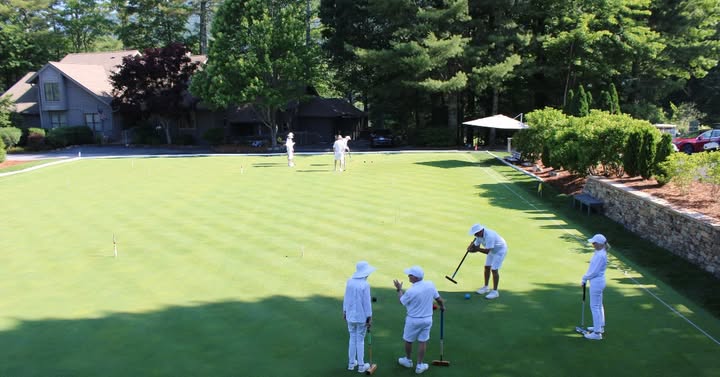
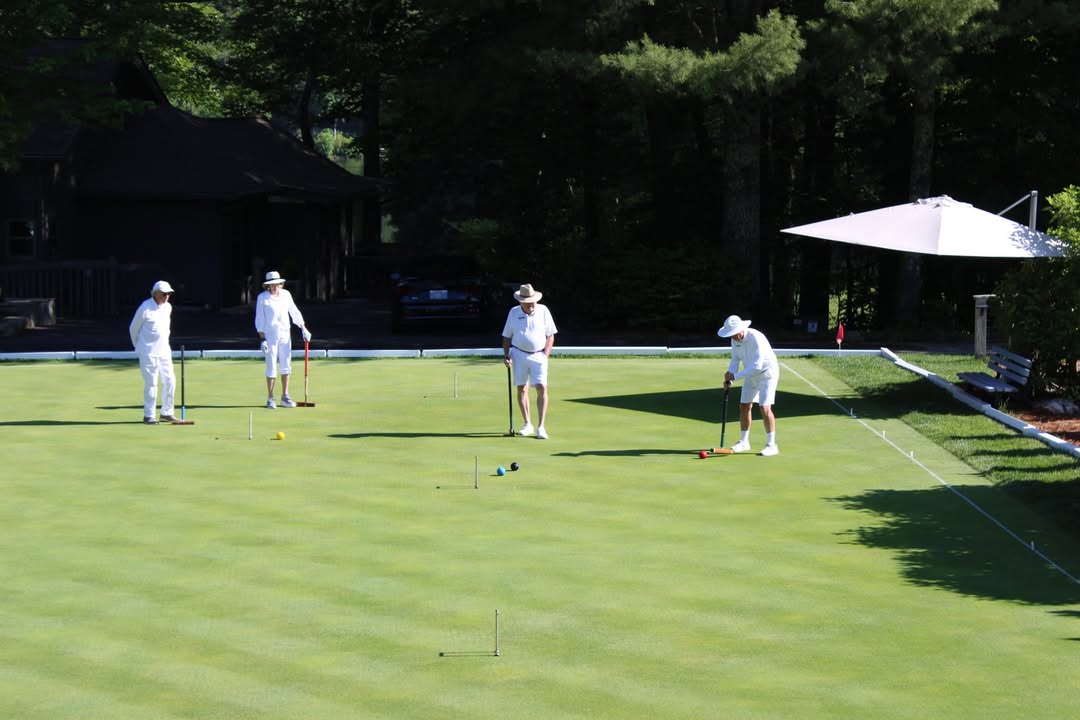
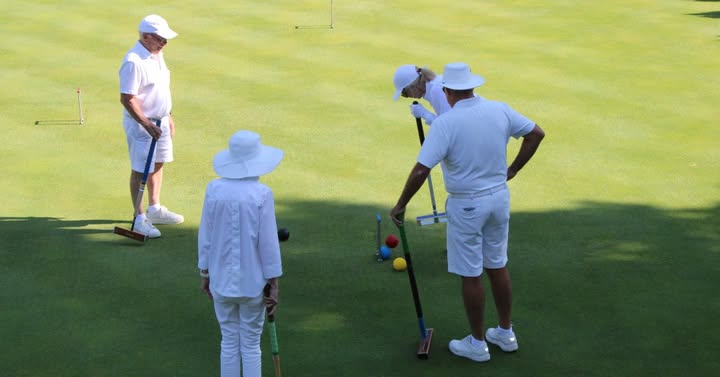
Stepping onto Burlingame Country Club’s beautiful regulation croquet lawn for the first time can feel intimidating. Beyond learning the rules and techniques, there’s an etiquette to croquet—particularly in club settings—that helps maintain the game’s civilized atmosphere and ensures everyone enjoys their time on the lawn.

Croquet etiquette isn’t about stuffy formality. It’s about respect, courtesy, and creating an environment where players of all levels feel welcome and competitive play remains fair and enjoyable.

Croquet Etiquette at Burlingame

Before You Step on the Lawn

Arrive Prepared: Show up on time for scheduled games or lessons. Being late disrupts others’ plans and shows disrespect for their time.

Proper Attire: While croquet isn’t as strict as tennis about clothing, wear appropriate athletic or casual attire. Soft-soled shoes that won’t damage the lawn are essential—no hard heels or cleats. Many clubs have “whites” traditions for tournament play, but regular play at Burlingame allows comfortable, appropriate clothing.

Equipment Respect: If using club equipment, handle mallets with care. Don’t lean on them, drag them across the lawn, or treat them roughly. Place them gently on the grass between shots, not dropped carelessly.

During Game Play

Silence During Shots: When an opponent is preparing to shoot, maintain silence. Don’t talk, walk in their sight line, or create distractions. This courtesy is fundamental to croquet.

Stand Still: While an opponent shoots, stand still and away from their line of vision. Movement catches peripheral vision and disrupts concentration.

Prompt Play: Keep pace moving. While you should take time for important shots, don’t dawdle unnecessarily. If you’re uncertain about a shot, decide within a reasonable timeframe.

Concede Obvious Shots: When an opponent has an unmissable 6-inch tap-in, concede it verbally. Making them actually hit obvious shots wastes time and appears petty.

Call Your Own Faults: Croquet relies on honesty. If you commit a fault (foot in hoop, moving a ball accidentally, etc.), call it immediately even if no one else noticed.

Communication and Sportsmanship

Compliment Good Shots: “Nice shot” or “Well played” after an opponent’s excellent play shows good sportsmanship. Croquet tradition includes acknowledging skillful execution.

Don’t Coach During Games: Unless specifically asked, don’t offer advice to opponents during play. Between games or during practice is fine, but during competition, let players figure things out themselves.

Accept Defeats Graciously: Shake hands, thank your opponents, and congratulate winners sincerely. Never make excuses or blame conditions/equipment for losses.

Celebrate Wins Modestly: When you win, be gracious. Acknowledge your opponent’s good play and attribute some success to fortunate breaks. Excessive celebration or gloating violates croquet spirit.

Tournament Considerations

Know the Rules: Before tournament play, ensure you understand croquet rules thoroughly. Asking basic rule questions mid-tournament slows play and frustrates others.

Dress Code: Tournaments often have specific dress codes (typically all white or club colors). Confirm requirements beforehand and comply.

Arrive Early: Tournament players should arrive 20-30 minutes before start time to warm up and check in properly.

Accept Referee Decisions: If a referee makes a ruling you disagree with, accept it gracefully during play. You can discuss it privately afterward if truly necessary.

Time Management: Tournament play often includes time limits. Manage your time responsibly and don’t slow down excessively to gain advantage.

Care of the Lawn

Repair Ball Marks: If your shot creates a visible mark or divot, repair it gently. Use your foot to press grass back into position.

Walk Carefully: Don’t drag your feet or pivot unnecessarily. Walk with normal strides that minimize lawn wear.

No Food or Drinks: Never bring food or open beverages onto the playing lawn. Spills damage grass and attract pests.

Equipment Placement: When not in use, place mallets on grass gently. Don’t pile multiple mallets in one spot, which can damage grass underneath.

Doubles Play Etiquette

Communicate with Your Partner: Brief, quiet strategy discussions are fine between shots, but don’t have extended conversations that slow play.

Don’t Blame Partners: If your partner makes a mistake, stay positive. Criticism or visible frustration damages team morale and violates etiquette.

Equal Participation: Even if one partner is stronger, both should have input in decisions. Don’t dominate or exclude your partner from strategy.

Interacting with Other Court Users

Yield When Appropriate: If another group is mid-shot and balls might cross paths, wait until they complete their shot before proceeding.

Retrieve Balls Promptly: If your ball rolls onto another court, wait for an appropriate pause in their play, then quickly retrieve it with apology.

Schedule Respect: If you’ve booked court time, arrive promptly and end promptly. Don’t run over into the next group’s scheduled time.

Learning and Asking Questions

Ask Before, Not During: If you’re learning and have rule questions, ask before the game or during breaks, not while someone’s trying to shoot.

Watch Experienced Players: One of the best ways to learn etiquette is observing how experienced players conduct themselves.

Accept Instruction Graciously: If someone (particularly a more experienced player or official) corrects your etiquette, thank them and adjust. Don’t argue or take it personally.

Social Aspects

Post-Game Socializing: Croquet tradition includes socializing after play. Join others for refreshments when time permits. This builds club community.

Welcome Newcomers: If you’re established at the club, go out of your way to welcome new players. Introduce yourself, offer encouragement, and help them feel included.

Offer to Play: Don’t wait to be asked. If you see someone looking for a game, invite them to join. Croquet thrives on inclusivity.

What Not to Do

Don’t Give Unsolicited Advice: Unless someone specifically asks for help, keep swing tips and strategy suggestions to yourself during play.

Don’t Complain About Conditions: Everyone plays on the same lawn in the same weather. Complaining about conditions appears weak and annoying.

Don’t Deliberately Slow Play: Using slow play to gain psychological advantage or throw off opponents is unsportsmanlike.

Don’t Celebrate Opponent Errors: When opponents miss shots, maintain neutral expression. Visible pleasure at their mistakes is poor form.

Don’t Walk Through Active Games: If cutting across croquet lawns to reach another area, wait for appropriate breaks and walk around game areas, not through them.

Croquet Etiquette - What Every New Player Should Know

The First Tee Moment

You’ve done the work. Your body is prepared, your mind is clear, and you’ve practiced the shots you’ll need. Now it’s time to play.

Take one last deep breath on the first tee. Feel the mountain air, appreciate the view, and remember why you’re here. You’re about to play a championship golf course in one of the most beautiful settings in Western North Carolina. That’s worth celebrating regardless of what the scorecard says.

Trust your preparation. Your warmup has given your body the best chance to perform. Now let it happen.

A proper pre-round warmup doesn’t guarantee a great round, but it dramatically increases your odds. At Burlingame Country Club, where the mountain terrain and elevation present unique challenges, taking these 30 minutes seriously can be the difference between posting your best score and fighting your game all day.

Your body is an athlete’s tool. Treat it with respect, prepare it properly, and it will reward you with better golf and fewer aches after the round. That’s a win-win worth committing to.

Ready to put these warmup strategies into action on one of the finest mountain golf courses in the region? Call Burlingame Country Club at (828) 966-9200 to schedule your tee time and experience championship golf where preparation meets elevation.

Burlingame Country Club serves as a perfect setting for learning the game of golf.

The Third Shot Drop vs. The Third Shot Drive: Choosing Your Weapon

Pickleball at Burlingame County Club

Choosing Your Weapon

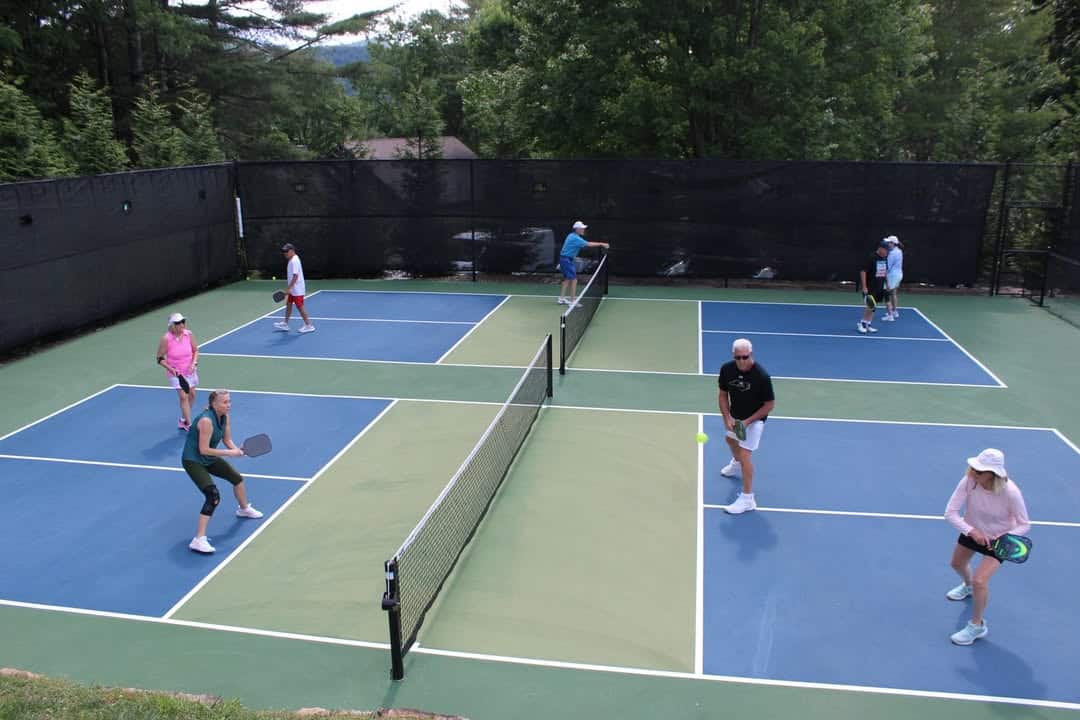
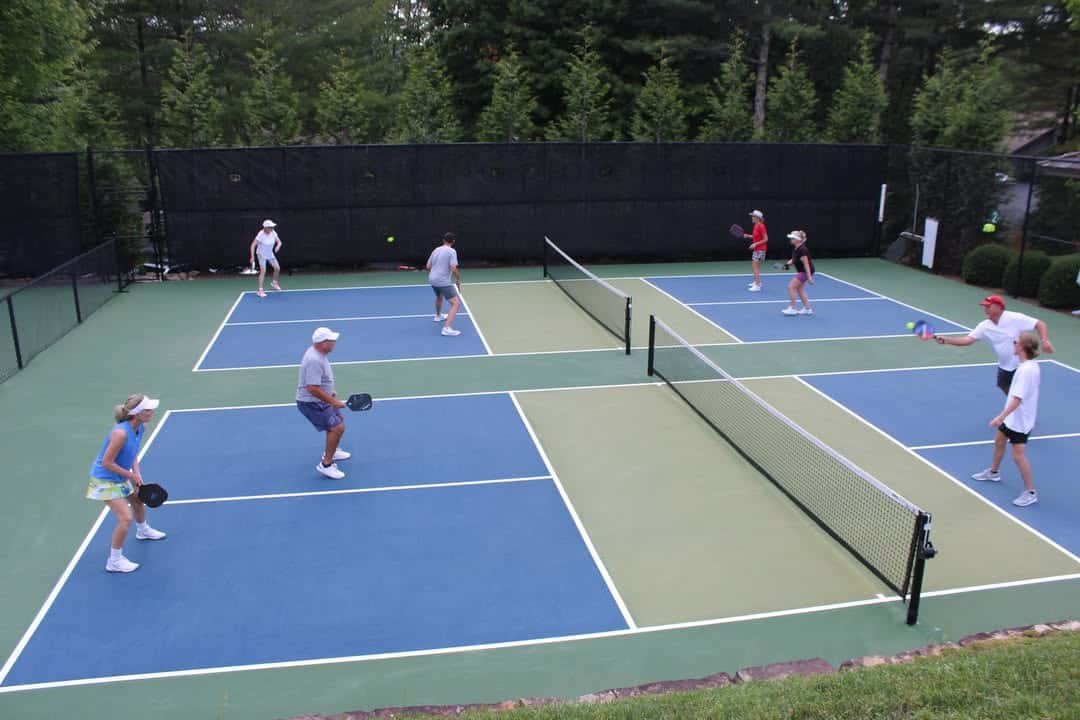
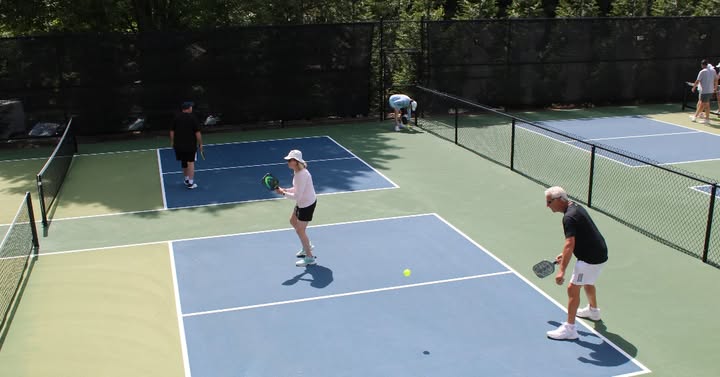
The third shot in pickleball might be the most important shot in the game. After the serve and return, this shot determines whether you’re moving forward to take control of the net or stuck on the baseline playing defense. At Burlingame Country Club’s four pickleball courts, players who master both the third shot drop and the third shot drive—and know when to use each—consistently outperform those who rely on just one option.

Here’s the reality: there’s no “better” shot between the drop and the drive. Each has its place, its strengths, and its ideal moments. The best players carry both weapons and choose strategically based on the situation, opponent, and score.

Pickleball at Burlingame County Club

Understanding the Third Shot Drop

The third shot drop is a soft, controlled shot that arcs over the net and lands in your opponents’ kitchen, ideally close to the kitchen line. The goal isn’t to win the point outright—it’s to neutralize your opponents’ advantage at the net and allow you and your partner to move forward.

When It Works Best: The drop is your go-to shot when opponents are positioned well at the net, ready to attack anything you hit with pace. By taking pace off the ball and placing it low in the kitchen, you force them to hit up, which gives you time to advance to the net yourself.

The Margin for Error: The beauty of the drop is its forgiveness. Even a drop that’s slightly high or slightly short is usually playable by you—it might not be perfect, but it keeps you in the point. Contrast this with a drive that goes long or into the net, which ends the point immediately.

Movement Advantage: The drop allows you to start moving forward immediately after hitting it. You know the ball is going to land soft in the kitchen, giving you time to take several steps toward the net before your opponents can hit their next shot.

Executing the Perfect Drop

The drop shot requires touch and feel more than power.

Stand with knees slightly bent, paddle face open (angled slightly upward), and make contact with the ball at or below waist level. Use a short, compact swing with minimal backswing. Think “push” rather than “swing.”

The ball should arc upward over the net, peak just past the net, and then drop sharply into the kitchen. Aim for the back third of the kitchen, near the kitchen line. This gives you margin for error—if you’re slightly short, it still lands in the kitchen; if you’re slightly long, it clears the line but forces your opponents to return from a difficult position.

Your weight should transfer forward through the shot, and you should immediately begin moving toward the net after contact. Don’t admire your shot—move.

Understanding the Third Shot Drive

The third shot drive is a low, hard groundstroke aimed at your opponents’ feet or at the middle between them. Unlike the drop, which seeks to neutralize, the drive seeks to pressure and potentially force an error or weak return.

When It Works Best: The drive is most effective when opponents are out of position, when you’ve received a short return that allows you to contact the ball aggressively, or when opponents have slow reflexes and struggle with pace.

The Risk-Reward: The drive is higher risk than the drop. If you execute perfectly, you might win the point outright or get a weak pop-up you can attack. If you miss slightly, the ball either goes long, into the net, or sits up for your opponents to put away.

Keeping Opponents Honest: Even if you primarily use the drop, occasionally mixing in a drive keeps opponents from creeping too close to the kitchen line. If they know you’ll never drive, they can position aggressively for drops.

Executing the Effective Drive

The drive requires controlled aggression.

Contact the ball between knee and waist level with a firm wrist. Unlike the drop, your swing has more backswing and follow-through. Drive through the ball with topspin to keep it from sailing long.

Aim low—at your opponents’ knees or feet. A ball hit at chest height is easy to volley; a ball at the feet must be lifted, giving you time to move forward. Target the middle between your opponents when possible, creating confusion about who should take it.

After hitting a drive, be ready to react. Your opponents might block it back firmly, requiring you to hit a volley or half-volley. Don’t blindly charge forward after a drive the way you would after a drop—read the return first.

When to Choose the Drop

Opponent Positioning: When both opponents are set up well at the net, knees bent, paddles up, ready to attack, the drop is your friend. Driving into this setup is playing into their hands.

Wind Conditions: In windy conditions, the drop is more reliable. The drive’s lower trajectory makes it more susceptible to wind pushing it long or off target.

When You’re Out of Position: If you’re forced deep or wide by a good return, the drop gives you time to recover position before the next shot. A drive from poor position is high risk.

Score Situations: When ahead in a game and playing to maintain your lead, the drop’s lower risk profile makes sense. Why force the issue when consistency wins?

Against Bangers: Players who love to hit hard often struggle with soft shots. If your opponents want pace, deny it to them with drops.

When to Choose the Drive

Short Returns: When you receive a return that lands short (inside the baseline), you have a prime opportunity to drive. You’re contacting the ball higher and can generate more pace safely.

Opponents Out of Position: If one or both opponents are caught out of position—too far back, leaning the wrong way, or off-balance—the drive can exploit that vulnerability immediately.

Momentum Shifts: When you need to change the pace and momentum of a game, the occasional drive shakes things up and keeps opponents from getting too comfortable.

Against Slow Reflexes: Some opponents struggle with pace. They can handle soft shots all day but freeze when you drive. Test this early and exploit it if true.

Surprise Element: Even if you’re primarily a drop player, the occasional drive out of nowhere can win you easy points because opponents aren’t expecting it.

The Setup: Reading the Return

Your decision between drop and drive often depends on the return you receive.

Deep Returns: When the return lands deep, near or behind your baseline, you’re contacting the ball from a defensive position. The drop is almost always the right choice here—driving from deep is low percentage.

Short Returns: Returns that land shallow (service line or shallower) give you an offensive opportunity. This is when the drive becomes viable because you can contact the ball higher and more forward in your stance.

High Returns: A return with significant height allows you to contact the ball at a comfortable height and generate pace. Consider the drive.

Low Returns: Returns that barely clear the net force you to hit up regardless of which shot you choose. The drop is slightly easier to execute from this position.

Combining Both in Sequences

Advanced players don’t choose one shot for the entire point—they adjust based on what each shot creates.

Start with a drop to neutralize and move forward. If your opponents give you a high return, drive the next ball. If they keep it low, continue dropping. The sequence might be: drop, drop, drive. Or drop, drive, drop. There’s no set pattern—read and react.

The ability to seamlessly transition between drops and drives within a single point keeps opponents off balance. They can’t settle into a rhythm if they don’t know what’s coming.

Practice Drills for Both Shots

Drop Drill: Have a partner at the net feed you balls from the baseline. Focus on getting 10 consecutive drops to land in the kitchen without missing. Increase difficulty by having your partner vary the feed depth and pace.

Drive Drill: Same setup, but practice driving balls at your partner’s feet or at the middle. Work on control and keeping balls low. Your partner gives immediate feedback on ball height and placement.

Decision Drill: Have your partner randomly feed you balls—some deep, some short, some high, some low. You must decide in real-time whether to drop or drive based on the feed. This simulates game conditions.

Sequence Drill: Play out points where you must hit a drop, then a drive, then a drop again, forcing you to switch between shots fluidly.

Common Mistakes to Avoid

Overusing One Shot: If you drop 100% of the time, opponents will position aggressively for it. If you drive constantly, you’ll make more errors than necessary. Mix them strategically.

Driving from Poor Position: The temptation to drive when you’re deep or off-balance is strong, but it’s low percentage. Have the discipline to drop when the situation calls for it.

Not Moving After Drops: The drop only works if you follow it forward. Hitting a drop and staying at the baseline wastes the shot’s purpose.

Predictable Patterns: If you always drop on the first third shot and always drive on short returns, opponents will read this and anticipate. Vary your patterns.

Mental Approach to Shot Selection

Stay adaptable. Before each third shot, quickly assess: Where are my opponents? Where am I? What kind of return did I get? What’s the score? These factors guide your decision.

Trust your instincts. With practice, shot selection becomes intuitive. You’ll feel when a drive is right versus when a drop is safer. Trust that feel.

Don’t get frustrated if one shot isn’t working. If your drops are getting attacked all game, shift to more drives. If your drives are sailing long, rely more on drops. Adjust based on results.

Pickleball - The Third Shot Drop vs. The Third Shot Drive Choosing Your Weapon

The Bottom Line

The third shot drop and third shot drive are both essential weapons in your pickleball arsenal. Great players at Burlingame’s courts don’t debate which is better—they master both and choose wisely based on the situation.

Practice both shots until they’re reliable. Develop the judgment to know when each is appropriate. Stay flexible and adjust based on opponents, conditions, and how your shots are performing that day.

The player who can drop when needed and drive when the opportunity arises is far more dangerous than the player who only has one option. Give yourself both tools, and watch your pickleball game rise to the next level.

Ready to master both the third shot drop and drive under expert guidance? Burlingame Country Club’s pickleball professionals can help you develop both shots and the strategic sense to use them effectively. Call (828) 966-9200 to schedule your lesson.

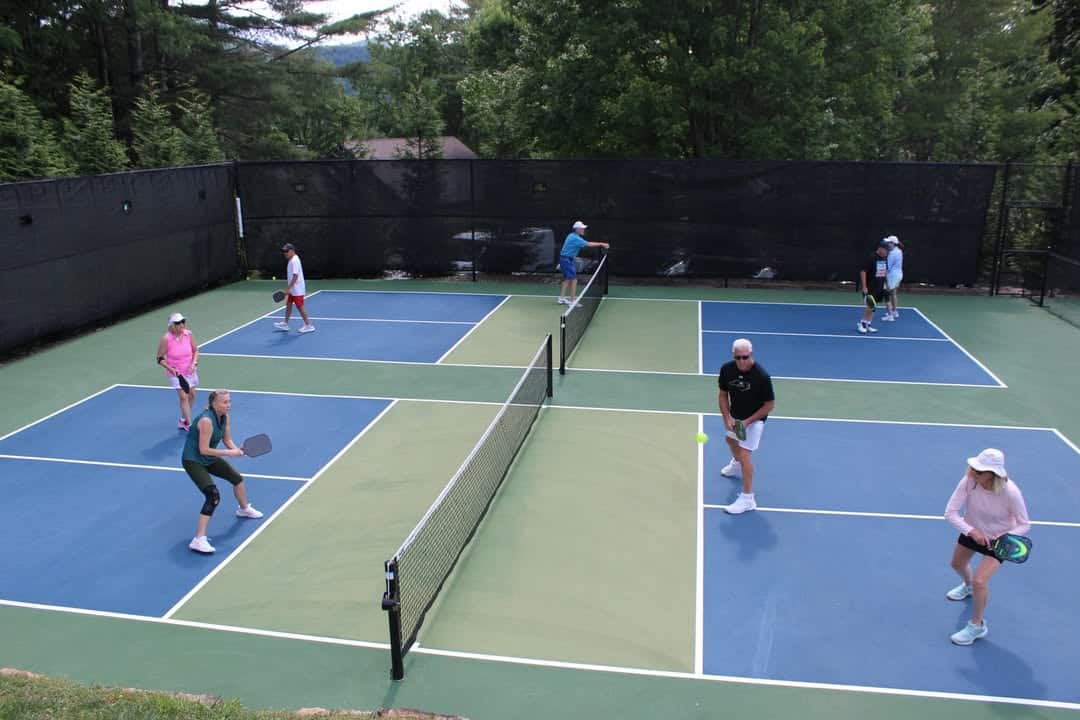
Burlingame Country Club's four pickleball courts