
Croquet Etiquette
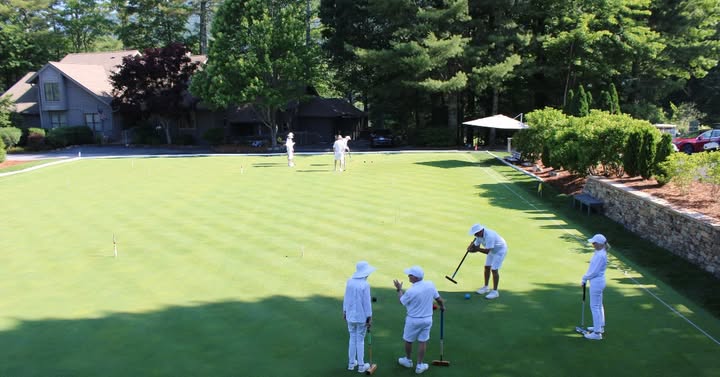
Stepping onto Burlingame Country Club’s beautiful regulation croquet lawn for the first time can feel intimidating. Beyond learning the rules and techniques, there’s an etiquette to croquet—particularly in club settings—that helps maintain the game’s civilized atmosphere and ensures everyone enjoys their time on the lawn.
Croquet etiquette isn’t about stuffy formality. It’s about respect, courtesy, and creating an environment where players of all levels feel welcome and competitive play remains fair and enjoyable.
Before You Step on the Lawn
Arrive Prepared: Show up on time for scheduled games or lessons. Being late disrupts others’ plans and shows disrespect for their time.
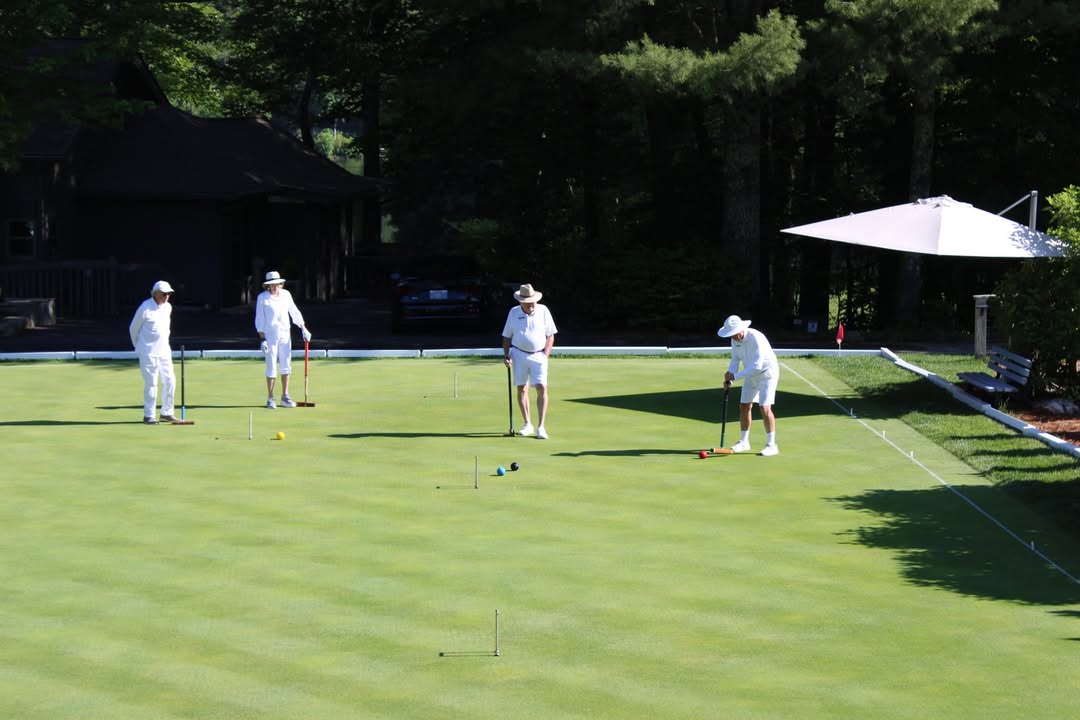
Proper Attire: While croquet isn’t as strict as tennis about clothing, wear appropriate athletic or casual attire. Soft-soled shoes that won’t damage the lawn are essential—no hard heels or cleats. Many clubs have “whites” traditions for tournament play, but regular play at Burlingame allows comfortable, appropriate clothing.
Equipment Respect: If using club equipment, handle mallets with care. Don’t lean on them, drag them across the lawn, or treat them roughly. Place them gently on the grass between shots, not dropped carelessly.
During Game Play
Silence During Shots: When an opponent is preparing to shoot, maintain silence. Don’t talk, walk in their sight line, or create distractions. This courtesy is fundamental to croquet.
Stand Still: While an opponent shoots, stand still and away from their line of vision. Movement catches peripheral vision and disrupts concentration.
Prompt Play: Keep pace moving. While you should take time for important shots, don’t dawdle unnecessarily. If you’re uncertain about a shot, decide within a reasonable timeframe.
Concede Obvious Shots: When an opponent has an unmissable 6-inch tap-in, concede it verbally. Making them actually hit obvious shots wastes time and appears petty.
Call Your Own Faults: Croquet relies on honesty. If you commit a fault (foot in hoop, moving a ball accidentally, etc.), call it immediately even if no one else noticed.
Communication and Sportsmanship
Compliment Good Shots: “Nice shot” or “Well played” after an opponent’s excellent play shows good sportsmanship. Croquet tradition includes acknowledging skillful execution.
Don’t Coach During Games: Unless specifically asked, don’t offer advice to opponents during play. Between games or during practice is fine, but during competition, let players figure things out themselves.
Accept Defeats Graciously: Shake hands, thank your opponents, and congratulate winners sincerely. Never make excuses or blame conditions/equipment for losses.
Celebrate Wins Modestly: When you win, be gracious. Acknowledge your opponent’s good play and attribute some success to fortunate breaks. Excessive celebration or gloating violates croquet spirit.
Tournament Considerations
Know the Rules: Before tournament play, ensure you understand croquet rules thoroughly. Asking basic rule questions mid-tournament slows play and frustrates others.
Dress Code: Tournaments often have specific dress codes (typically all white or club colors). Confirm requirements beforehand and comply.
Arrive Early: Tournament players should arrive 20-30 minutes before start time to warm up and check in properly.
Accept Referee Decisions: If a referee makes a ruling you disagree with, accept it gracefully during play. You can discuss it privately afterward if truly necessary.
Time Management: Tournament play often includes time limits. Manage your time responsibly and don’t slow down excessively to gain advantage.
Care of the Lawn
Repair Ball Marks: If your shot creates a visible mark or divot, repair it gently. Use your foot to press grass back into position.
Walk Carefully: Don’t drag your feet or pivot unnecessarily. Walk with normal strides that minimize lawn wear.
No Food or Drinks: Never bring food or open beverages onto the playing lawn. Spills damage grass and attract pests.
Equipment Placement: When not in use, place mallets on grass gently. Don’t pile multiple mallets in one spot, which can damage grass underneath.
Doubles Play Etiquette
Communicate with Your Partner: Brief, quiet strategy discussions are fine between shots, but don’t have extended conversations that slow play.
Don’t Blame Partners: If your partner makes a mistake, stay positive. Criticism or visible frustration damages team morale and violates etiquette.
Equal Participation: Even if one partner is stronger, both should have input in decisions. Don’t dominate or exclude your partner from strategy.
Interacting with Other Court Users
Yield When Appropriate: If another group is mid-shot and balls might cross paths, wait until they complete their shot before proceeding.
Retrieve Balls Promptly: If your ball rolls onto another court, wait for an appropriate pause in their play, then quickly retrieve it with apology.
Schedule Respect: If you’ve booked court time, arrive promptly and end promptly. Don’t run over into the next group’s scheduled time.
Learning and Asking Questions
Ask Before, Not During: If you’re learning and have rule questions, ask before the game or during breaks, not while someone’s trying to shoot.
Watch Experienced Players: One of the best ways to learn etiquette is observing how experienced players conduct themselves.
Accept Instruction Graciously: If someone (particularly a more experienced player or official) corrects your etiquette, thank them and adjust. Don’t argue or take it personally.
Social Aspects
Post-Game Socializing: Croquet tradition includes socializing after play. Join others for refreshments when time permits. This builds club community.
Welcome Newcomers: If you’re established at the club, go out of your way to welcome new players. Introduce yourself, offer encouragement, and help them feel included.
Offer to Play: Don’t wait to be asked. If you see someone looking for a game, invite them to join. Croquet thrives on inclusivity.
What Not to Do
Don’t Give Unsolicited Advice: Unless someone specifically asks for help, keep swing tips and strategy suggestions to yourself during play.
Don’t Complain About Conditions: Everyone plays on the same lawn in the same weather. Complaining about conditions appears weak and annoying.
Don’t Deliberately Slow Play: Using slow play to gain psychological advantage or throw off opponents is unsportsmanlike.
Don’t Celebrate Opponent Errors: When opponents miss shots, maintain neutral expression. Visible pleasure at their mistakes is poor form.
Don’t Walk Through Active Games: If cutting across croquet lawns to reach another area, wait for appropriate breaks and walk around game areas, not through them.
The First Tee Moment
You’ve done the work. Your body is prepared, your mind is clear, and you’ve practiced the shots you’ll need. Now it’s time to play.
Take one last deep breath on the first tee. Feel the mountain air, appreciate the view, and remember why you’re here. You’re about to play a championship golf course in one of the most beautiful settings in Western North Carolina. That’s worth celebrating regardless of what the scorecard says.
Trust your preparation. Your warmup has given your body the best chance to perform. Now let it happen.
A proper pre-round warmup doesn’t guarantee a great round, but it dramatically increases your odds. At Burlingame Country Club, where the mountain terrain and elevation present unique challenges, taking these 30 minutes seriously can be the difference between posting your best score and fighting your game all day.
Your body is an athlete’s tool. Treat it with respect, prepare it properly, and it will reward you with better golf and fewer aches after the round. That’s a win-win worth committing to.
Ready to put these warmup strategies into action on one of the finest mountain golf courses in the region? Call Burlingame Country Club at (828) 966-9200 to schedule your tee time and experience championship golf where preparation meets elevation.