
Beyond the Buzzwords
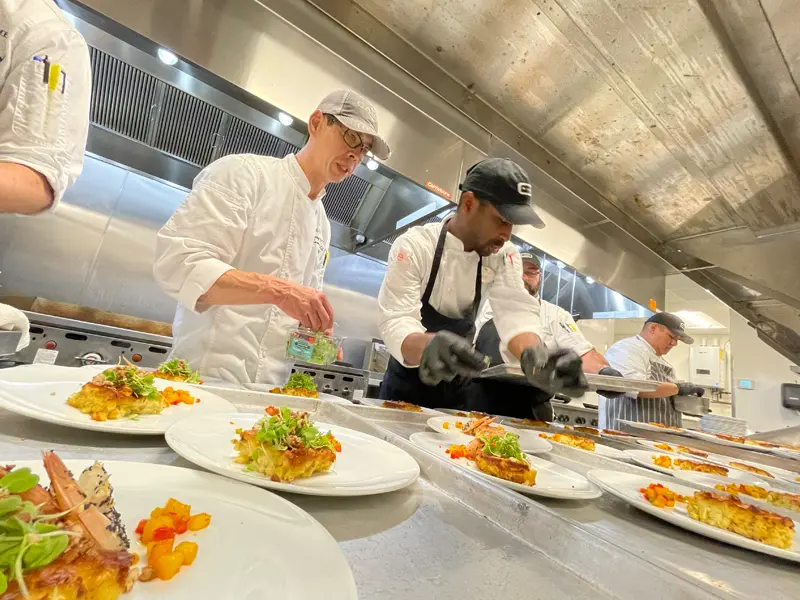
“Farm-to-table” has become restaurant marketing speak, slapped on menus from coast to coast regardless of whether the food actually comes from local farms or not. At Burlingame Country Club, Executive Chef Gerry Fong doesn’t talk much about farm-to-table philosophy because he’s too busy living it—building relationships with mountain farmers, adjusting menus to what’s actually ripe this week, and creating dishes that honor both the ingredients and the people who grow them.
The difference between authentic farm-to-table cuisine and the marketing version becomes obvious the moment you taste it. Real, seasonal ingredients picked at peak ripeness and prepared within days (sometimes hours) of harvest have flavors that simply can’t be replicated with produce trucked across the country.
The Mountain Advantage
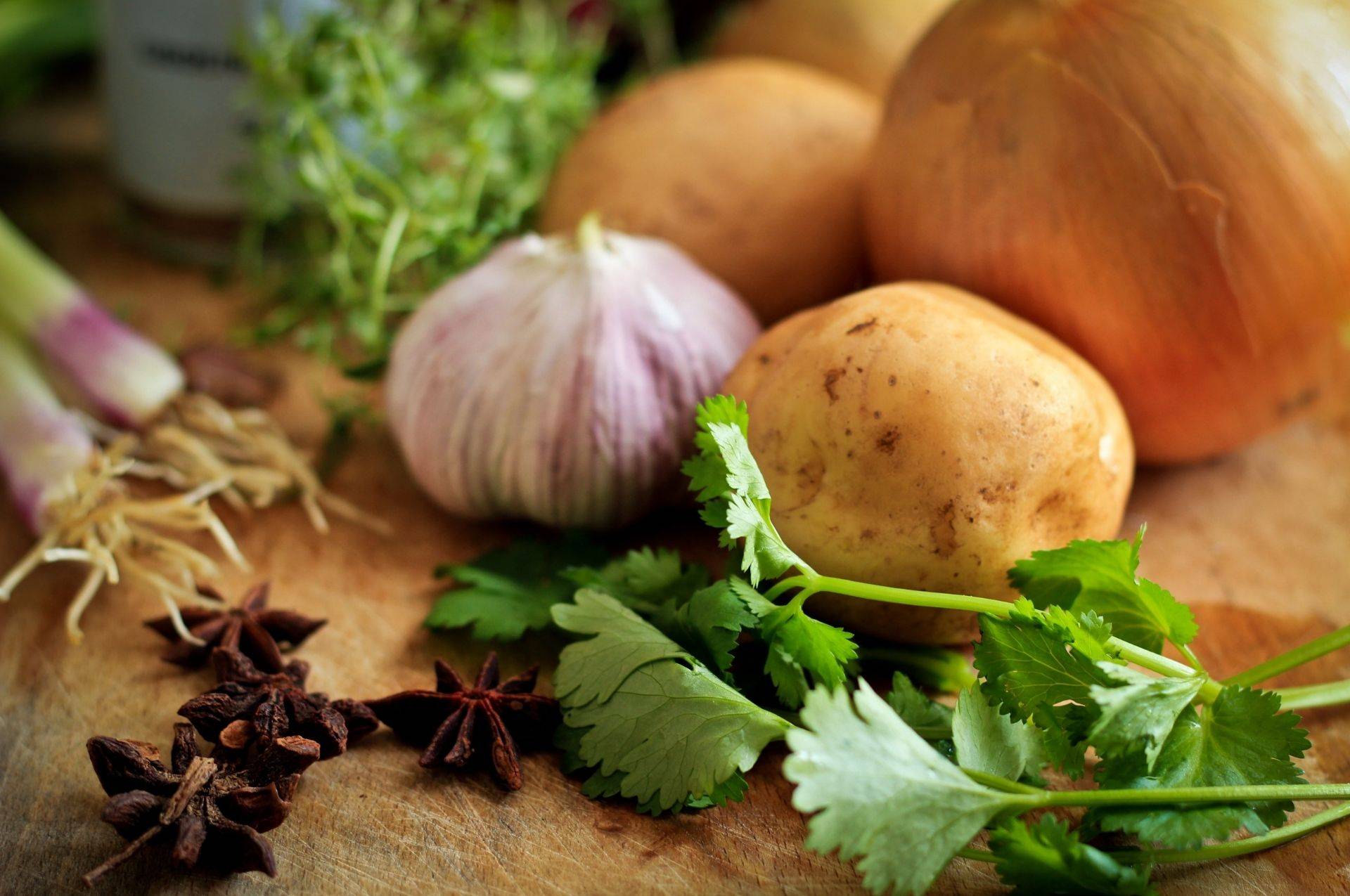
Western North Carolina’s mountain geography creates a unique culinary landscape. The elevation and climate support crops that struggle in warmer regions. The short growing season concentrates flavors. The rich, ancient soil contributes mineral complexity to everything grown here.
Our location at 3,000+ feet means we have access to both mountain microclimates and nearby valley farms. Spring arrives at different times depending on elevation, extending the season for fresh ingredients. Summer’s heat is moderated by altitude, creating perfect conditions for cool-weather crops like lettuce and herbs that would bolt in warmer regions.
This geographic diversity means Chef Fong can source truly local ingredients year-round, not just during summer’s peak. Even in winter, mountain farms provide storage crops, greenhouse greens, and preserved products that reflect the mountain terroir.
Building Relationships, Not Just Supply Chains
The foundation of Chef Fong’s approach isn’t ingredient lists or cooking techniques—it’s relationships with the people who grow food. He knows the farmers by name. He visits their operations. He understands their growing practices and seasonal challenges.
These relationships allow true collaboration. A farmer might call when an unexpected early crop of asparagus comes in. Chef Fong can adjust that week’s menu to feature it at peak quality. When a late spring frost threatens tender crops, he can shift purchasing to support farmers through the loss.
This flexibility works both ways. Farmers grow specialty items specifically for Burlingame’s kitchen, knowing they have a committed buyer who understands the value of heritage varieties and unusual crops that larger markets won’t support.
What Seasonal Really Means
Everyone claims to cook seasonally, but few restaurants genuinely structure their menus around what’s available now rather than what’s available always. At Burlingame, seasonal cooking means the menu changes not just quarterly, but weekly, sometimes daily, as ingredients reach peak quality.
Spring: The Season of Anticipation
After a long mountain winter, spring’s first crops arrive with excitement that never gets old. Tender lettuces, peppery arugula, and delicate pea shoots appear while snow still lingers on the highest peaks. These early greens have intensity that summer growth can’t match.
Ramps, the wild leeks that grow in mountain coves, arrive for a brief three-week window. Chef Fong uses them everywhere during their season—in omelets at breakfast, as a garnish for trout at dinner, pickled to preserve their flavor for later months.
Spring also brings fresh eggs with deep orange yolks from hens finally back on pasture after winter. The difference between these and grocery store eggs is dramatic—richer flavor, firmer whites, yolks that stand tall rather than spreading flat.
Summer: Peak Abundance
Mountain summer is intense but brief. Everything ripens seemingly at once, and the kitchen becomes a theater of preservation—freezing, canning, and pickling to capture summer’s flavors for darker months ahead.
Tomatoes from valley farms arrive by the case. Cherokee Purples, Brandywines, and Green Zebras—heritage varieties grown for flavor rather than shipping durability. At their peak, they need nothing more than salt and good olive oil.
Summer squash in a dozen varieties moves from field to plate in less than 24 hours, still firm and sweet rather than watery and bland. Fresh herbs grow so vigorously that Chef Fong uses them by the handful rather than the pinch.
Stone fruits—peaches, nectarines, plums—come from orchards at varying elevations, extending the season and providing different varieties as summer progresses. Desserts follow the harvest, featuring whatever is ripest this particular week.
Fall: The Glory Season
Autumn in the mountains is spectacular for more than just leaf colors. The intense mountain sun and cool nights concentrate sugars in vegetables, creating peak flavors. Fall is when mountain farming really shines.
Apples from mountain orchards appear in everything from morning pastries to pork dishes at dinner. With dozens of varieties ripening across several weeks, each has specific culinary uses—some for eating fresh, others for cooking, still others for cider.
Winter squash—butternut, acorn, delicata—develop deep, sweet flavors after light frosts. Root vegetables like turnips, beets, and carrots convert starches to sugars as temperatures drop, becoming sweeter and more complex.
Mushrooms explode after fall rains. Foragers bring hen of the woods, lion’s mane, and other wild varieties that Chef Fong features in seasonal specials, knowing they’ll be gone by next week.
Winter: Creativity from Constraint
Winter mountain cooking requires creativity. Fresh local options narrow, but they don’t disappear. Greenhouse operations provide salad greens and herbs year-round. Storage crops like potatoes, winter squash, and cabbage remain in excellent condition for months.
This is when last summer’s preservation work pays off. Tomatoes canned at peak ripeness in August form the base for winter sauces. Frozen berries become desserts. Pickled vegetables add brightness to rich winter dishes.
Winter is also when Chef Fong features proteins more prominently—locally raised beef, pork, and chicken, plus mountain trout from nearby cold-water streams. These proteins complement the richer, earthier flavors of winter vegetables.
The True Meaning of Local
“Local” means different things to different restaurants. For Chef Fong, local means Western North Carolina—a geographic region sharing similar climate, soil, and growing conditions. It’s close enough that relationships with farmers are personal and logistics are simple.
Some ingredients simply don’t grow here. Coffee, chocolate, citrus, and certain spices come from elsewhere because they must. But when mountain farms can provide an ingredient, they do. The goal isn’t purity of localism; it’s supporting regional agriculture while creating the best possible food.
This commitment extends beyond produce. Dairy comes from North Carolina creameries. Trout comes from mountain streams. Honey comes from hives maintained by club members. Beef is raised on mountain pastures by farmers who sell directly to restaurants committed to paying fair prices for superior products.
The Flavor Difference
Skeptics sometimes question whether local seasonal ingredients actually taste better, or if it’s just pretentious marketing. Anyone who’s compared a tomato picked yesterday from a nearby farm to one picked green two weeks ago in another state knows the answer immediately.
Fresh, local ingredients have flavors that commodity agriculture can’t replicate. Varieties are chosen for taste rather than shipping durability. Produce is picked when ripe rather than when it can survive transcontinental shipping. The time from harvest to plate is measured in hours or days rather than weeks.
But there’s more than just taste. There’s the satisfaction of knowing where your food comes from. There’s the connection to place and season that grounds you in the current moment rather than the eternal summer of supermarket produce sections.
Sustainability Without Preaching
Chef Fong doesn’t preach about sustainability because sustainable practices are simply how he cooks. When you build menus around what local farms produce seasonally, you automatically support environmentally sound agriculture.
Small, diversified mountain farms use fewer chemicals, build soil health, and maintain biodiversity better than industrial operations. By buying from these farms, Burlingame supports agricultural practices that protect the mountain environment for future generations.
Food waste is minimized through careful planning and creative use of every ingredient. Trout bones become stock. Vegetable scraps go to composting programs. Nothing is casually discarded.
The Role of Technique
Outstanding ingredients are the foundation, but technique transforms them into memorable meals. Chef Fong’s background includes formal training at the Culinary Institute of America and years in fine dining kitchens, but his cooking at Burlingame emphasizes letting ingredients speak rather than overwhelming them with complexity.
Sometimes this means simple preparations that highlight quality: grilled mountain trout with lemon and herbs, grass-fed beef with chimichurri, roasted vegetables with olive oil and salt. The ingredients are so good they need little enhancement.
Other times it means drawing on global techniques and flavors to create dishes that are simultaneously rooted in place and creatively inspired. Asian flavor profiles meet mountain ingredients. Classic French techniques elevate familiar regional products.
Cultural Inspirations, Local Ingredients
Chef Fong’s training and experience span multiple culinary traditions. Rather than limiting himself to regional Southern cuisine, he draws on techniques and flavor combinations from around the world while sourcing locally.
A summer dish might feature local tomatoes with burrata and basil in the Italian tradition, but the tomatoes are Cherokee Purples from a farm five miles away, and the basil was picked this morning from the club’s herb garden.
Fall menus might include miso-glazed mountain trout or Korean-inspired short ribs made with local beef. The techniques and flavors are global, but the ingredients are mountain-grown.
This approach reflects how people actually eat today—drawing on global food cultures while caring about ingredient quality and sourcing. It’s not fusion for fusion’s sake; it’s using the best techniques regardless of origin to highlight local ingredients.
The Six Dining Venues
Burlingame’s newly renovated clubhouse complex includes six distinct dining experiences, each with its own character but all featuring Chef Fong’s commitment to seasonal, local ingredients.
From the casual Elevation 3042 offering breakfast and grab-and-go options, to the elegant main dining room with panoramic mountain views, the same philosophy applies: quality ingredients, expert preparation, and genuine hospitality.
The outdoor dining deck in summer becomes one of the region’s most spectacular settings, where excellent food and stunning views combine for memorable evenings. Even a quick lunch at the turn reflects the same care and attention to ingredients.
Wine Pairings from the Cellar
Chef Fong works closely with our sommeliers to pair wines with seasonal menus. The club’s fully stocked cellar provides options that complement both the ingredients and the season.
Spring’s delicate vegetables and fresh flavors call for lighter wines—crisp whites and elegant rosés. Summer grilling pairs with fuller whites and medium-bodied reds. Fall’s richer foods match with bigger reds and aged whites. Winter comfort foods find partners in structured reds and fortified wines.
Many wine selections feature North Carolina and regional wineries, extending the local philosophy to beverages where possible.
Special Events and Wine Society
Monthly wine society dinners showcase Chef Fong’s abilities to create multi-course experiences where each dish progresses logically from the previous one while featuring seasonal ingredients at their peak.
These events follow the harvest calendar. A summer dinner might highlight tomatoes prepared five different ways across multiple courses. A fall event could feature game and mushrooms. Winter might focus on preserved summer ingredients and hearty winter vegetables.
Learning from the Chef
Chef Fong occasionally offers cooking demonstrations and classes for members, sharing techniques and philosophies that home cooks can apply in their own kitchens. These sessions often focus on how to select quality ingredients, work with what’s seasonal, and use simple techniques to let ingredients shine.
The goal isn’t training amateur chefs to replicate restaurant cuisine; it’s teaching an approach to cooking that values ingredients, seasonality, and simplicity over complicated recipes and exotic imports.
The Future of Mountain Cuisine
As more chefs embrace local sourcing and seasonal cooking, mountain cuisine is developing its own identity distinct from broader Southern food traditions. It’s shaped by the ingredients that thrive here, the people who grow them, and chefs like Gerry Fong who translate mountain agriculture into memorable meals.
This evolution benefits farmers, diners, and the broader community. Farmers gain committed buyers for quality products. Diners experience food that’s fresher and more flavorful. The community maintains agricultural traditions and protects farmland from development.

Experience It Yourself
The philosophy behind Chef Fong’s kitchen can be explained, but it can only truly be understood through tasting. The difference between commodity ingredients and local seasonal products becomes obvious immediately.
Whether you’re enjoying a casual lunch after golf, a sophisticated dinner with friends, or a special wine society event, you’re experiencing food that reflects a particular place and time. This meal, in this moment, using these ingredients won’t exist exactly this way again.
Ready to experience mountain cuisine done right? Call Burlingame Country Club at (828) 966-9200 to make a reservation or learn more about membership and access to Chef Gerry Fong’s seasonal menus.