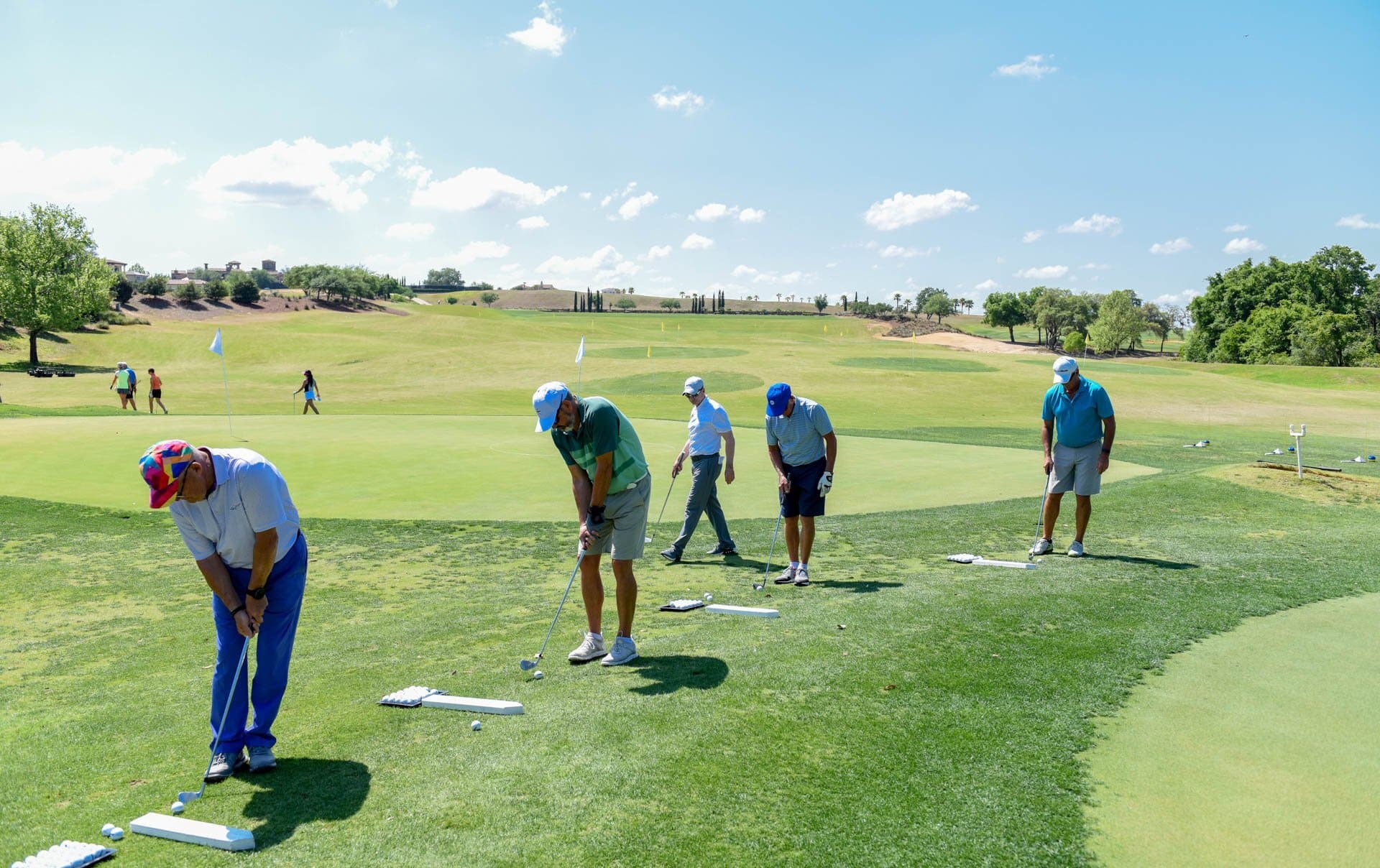
Knee pain doesn’t have to mean the end of your active life at Burlingame. For a lot of members, it just means thinking more carefully about how you move, what you ask your body to do, and how you recover. Done right, staying active through knee pain not only keeps your fitness up, it often helps the knee itself.
That said, this isn’t medical advice, and if you’re dealing with significant, sudden, or worsening knee pain, seeing an orthopedic doctor or physical therapist is the right first step. What follows is practical guidance for the many members managing mild to moderate chronic knee pain who want to stay on the course, the courts, and the trails without making things worse.
Understanding Why Knees Take the Brunt
The knee is a hinge joint that sits between two long lever arms, your thigh above and your lower leg below. It handles enormous loads during everyday activity and even larger ones during sport. Walking uphill loads the knee at roughly three times body weight. Going downhill or descending stairs can push that to five or six times body weight.
At Burlingame, where the terrain involves real elevation change and the course itself covers significant uphill and downhill ground, the knee takes on loads it wouldn’t face on a flat course or an urban walking path. The mountain environment is part of what makes the club special, and it’s also why knee health is a real topic of conversation among active members.
The most common sources of knee pain in active adults are osteoarthritis (cartilage wear over time), patellofemoral pain (around the kneecap, often from muscle imbalances), IT band issues (outer knee, usually from repetitive activities like running or cycling), and tendinitis of the patellar or quadriceps tendons. Each of these responds somewhat differently to exercise and modification, which is why a professional evaluation is worth having if you don’t already know what’s going on.
What Usually Helps
Strengthening the muscles around the knee, specifically the quads, hamstrings, and glutes, is consistently the most effective long-term management strategy for most types of knee pain. Stronger muscles take over load that would otherwise go straight to the joint itself.
The glutes in particular are underappreciated here. Weak glutes shift load onto the knee in ways that create or worsen pain. Single-leg exercises like step-ups, split squats, and single-leg deadlifts build glute strength in a way that transfers directly to walking, climbing, and sport movement. The Rejuvenate fitness center at Burlingame has everything you need to do this work, and private coaching sessions are available if you want guidance.
Low-impact cardiovascular activity maintains fitness and promotes circulation without the impact loading that can aggravate the joint. Swimming is excellent. Cycling, either stationary or on trails, is another good option. Walking on even ground at a moderate pace is generally fine and beneficial. These activities keep you fit and moving without creating the cumulative impact that running or court sports involve.
Maintaining a healthy weight reduces joint load significantly. Every pound of body weight translates to roughly four pounds of force on the knee during walking. This isn’t about aesthetics. It’s pure mechanics.
Anti-inflammatory habits matter too. Sleep, stress management, good nutrition, and limiting alcohol all affect systemic inflammation levels, which in turn affects how much pain and stiffness you experience day to day. These aren’t dramatic interventions, but they accumulate over time.
Modifying Golf for Knee Health
Golf is generally knee-friendly compared to running or court sports, but the walking and the terrain at Burlingame can create real challenges for someone managing knee pain.
Cart use is the obvious modification. There’s no shame in riding when your knee is having a hard week. Getting through 18 holes in a cart still means you’re outside, playing the game you enjoy, and giving the knee a break that it might need.
When you do walk, poles can help on steeper terrain. Walking sticks or trekking poles reduce knee load substantially on descents, which is usually when knee pain is most noticeable on the course.
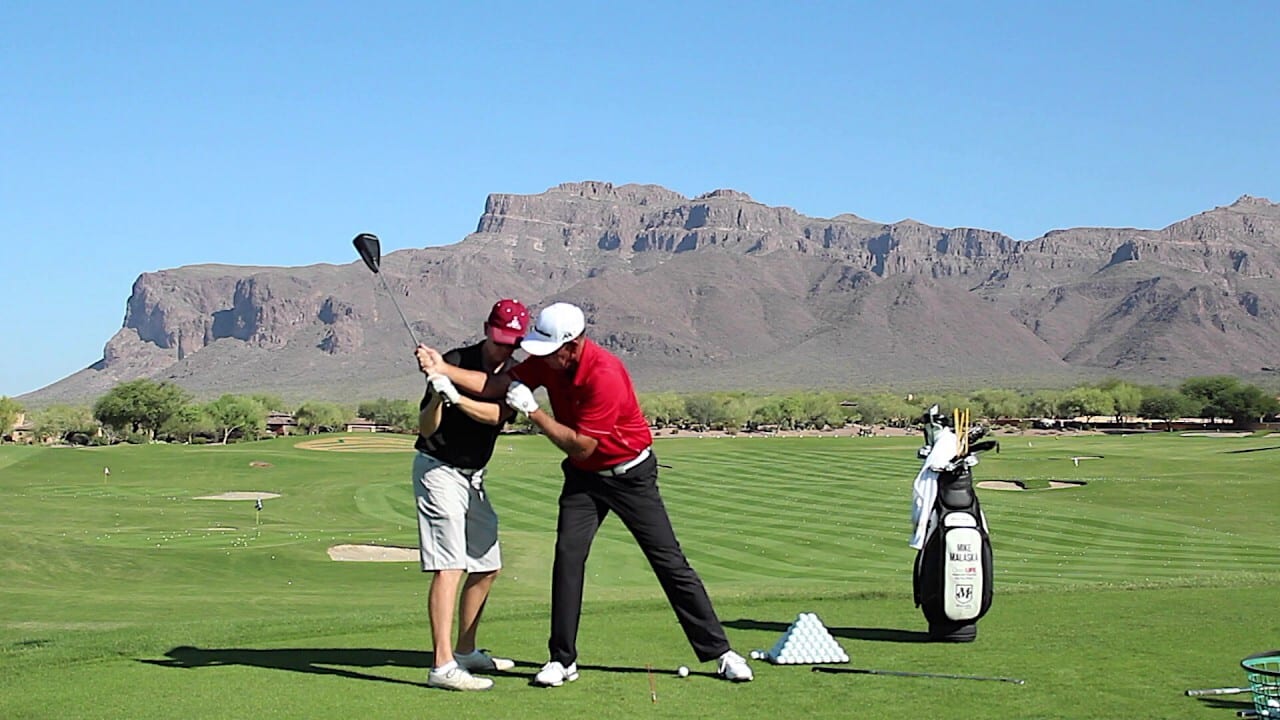
Swing mechanics can also contribute to knee stress. If your lead knee collapses inward through impact, that’s a rotational load that an already-irritated knee doesn’t need. A swing lesson that addresses knee position through the swing isn’t just a performance improvement. It can be a pain management intervention.
Compression sleeves worn during a round provide light support and proprioceptive feedback that many golfers with knee issues find helpful. They don’t fix anything, but they often make walking more comfortable and reduce the instability sensation some people experience.
Modifying Tennis for Knee Health
Hard stops and lateral cuts are the primary knee stressors in tennis. On Har-Tru courts, the sliding technique that clay surfaces allow is actually kinder to the knee than the abrupt stops required on hard courts. Burlingame’s Har-Tru surface is a genuine advantage for members managing lower-body joint issues.
Playing doubles rather than singles reduces the distance you need to cover per point and eliminates the most physically demanding court coverage demands of the game. Doubles played at a club level is still a real workout. It’s just one that doesn’t ask the same things of your knees.
Appropriate footwear matters more than most people account for. Worn-out court shoes lose their cushioning and lateral support, which shifts load to the joints. Replace court shoes when the midsole starts to feel compressed, usually every six months of regular play.
Stretching your hip flexors, IT band, and calf muscles before and after play addresses tightness patterns that often contribute to knee pain. These structures pull on the knee from above and below, and keeping them flexible reduces the load the joint carries.
Modifying Pickleball for Knee Health
Pickleball’s smaller court and shorter rallies make it more knee-friendly than tennis in most respects. The sport has become genuinely popular among members who’ve had to step back from tennis because of joint issues.
The kitchen line positioning that good pickleball requires, standing in a low, athletic stance for extended periods, does place some demand on the quad and the patellar tendon. If kneecap pain is your issue, be conscious of how long you’re holding that bent-knee stance and stand up fully between points.
Paddle grip weight affects how you load your arm and shoulder, but choosing a lighter paddle can also reduce the energy expenditure of play generally, which means less overall fatigue on the knee over time.
Playing two games instead of three and stopping before you’re significantly fatigued is smarter than gutting through four or five games and paying for it the next morning. Know your stopping point and honor it.
The Trail and Hiking Question
Burlingame’s trails are one of the property’s real pleasures, and some of them involve meaningful elevation change. For members managing knee pain, the uphill portions of trail hiking are usually fine or even beneficial. The descents are where the load spikes.
Going downhill slowly, using a switchback pattern rather than heading straight down, and using trekking poles all reduce descent loads substantially. Taking shorter strides and keeping your knee slightly bent (rather than locking it straight on each step) also helps by engaging the quad to share the load rather than letting it fall entirely onto the joint.
Flat and gently rolling trails are available options on days when the knee needs a lower-demand experience. A 45-minute walk on easier terrain is better for both fitness and joint health than forcing your way up and down a steep route and being sore for three days afterward.
When to Back Off
Pain during activity that scores more than a 3 or 4 on a ten-point scale is your body asking you to stop. Persistent swelling after activity, pain that wakes you up at night, or pain that’s getting progressively worse over weeks are all signals to see a professional before continuing.
Staying active through mild discomfort is generally fine and often beneficial. Pushing through significant pain is not. The distinction matters, and learning to read your own body’s signals accurately is a skill worth developing.
The goal is a long, active life at Burlingame across decades. Protecting that requires being honest about what your knee is telling you on any given day.
For information about personal training, private fitness sessions, and the wellness offerings at Rejuvenate, call Burlingame Country Club at (828) 966-9200.