Highlands NC Private Club Membership Worth the Scenic Drive

Highlands NC private club membership

Key Takeaways

A Highlands NC private club membership opens doors to the full Cashiers-Highlands plateau experience, and Burlingame Country Club sits just a short, winding drive away from Highlands along roads flanked by hardwood canopy and mountain air. Families, retirees, and seasonal residents find that Burlingame offers championship golf, lake recreation, dining, tennis, pickleball, croquet, aquatics, and a community that feels less like a club and more like a gathering of old friends.

  • The drive from Highlands to Burlingame in Cashiers runs approximately 12 to 15 minutes along US-64, making daily access genuinely practical for Highlands residents and seasonal homeowners.
  • Membership tiers at plateau private clubs typically range from social to full golf, with initiation fees and annual dues that reflect the breadth of amenities available year-round.
  • Championship mountain golf at elevation produces cooler playing temperatures, dramatic terrain changes, and course conditions that differ meaningfully from lowland courses.
  • Lake recreation, including paddleboarding, kayaking, and fishing on Lake Fairfield, adds a water dimension that few mountain clubs in Western North Carolina can match.
  • Multi-generational programming, from junior golf clinics to croquet on manicured lawns, means the entire family finds reasons to visit together throughout the year.
  • Dining, social events, and themed member evenings create a community rhythm that builds genuine relationships over seasons and years.
  • Burlingame Country Club serves the broader Cashiers-Highlands plateau, welcoming members who call either town, or the surrounding countryside, home.

Why the Highlands-Cashiers Plateau Draws Private Club Seekers

The Cashiers-Highlands plateau sits between 3,400 and 4,118 feet above sea level, producing summers that average 10 to 15 degrees cooler than Charlotte or Atlanta. That single geographic fact draws tens of thousands of seasonal residents and retirees each year, and many of them arrive with a clear intention: they want a private club that matches the quality of the landscape they have chosen. A Highlands NC private club membership is not simply a purchase of amenities. It is a decision about how one wants to spend long summer afternoons, crisp October mornings, and unhurried holiday weekends. The plateau offers old-growth forest, cascading waterfalls, and ridgelines that seem to hold the sky up. People who choose to live here, even part of the year, are looking for a community that honors that setting rather than ignores it. Burlingame Country Club, situated in Cashiers just minutes from Highlands along US-64, has grown into exactly that kind of place over its history. The club draws members from both towns and the many quiet roads and coves that connect them, creating a membership that reflects the full character of the plateau rather than any single neighborhood. Understanding why mountain club living is different from lowland alternatives helps explain why so many plateau residents find Burlingame to be precisely the fit they were looking for. For additional perspective on mountain community living, see resources from Highlands, North Carolina on Wikipedia.

Highlands NC private club membership

The Drive From Highlands: Shorter Than You Think, Better Than You Expect

The road between Highlands and Cashiers is one of those drives that earns its own reputation. US-64 East from Highlands runs approximately 12 to 15 minutes under normal conditions, threading through canopies of oak, maple, and rhododendron that change color with every season. In July the road is green and cool. In October it burns orange and gold. In December bare branches open the sky and reveal ridgelines that summer hides. This is not a commute. It is a short passage from one beautiful place to another.

Is the drive from Highlands to Burlingame practical for daily or frequent use?

For most members who live in or near Highlands, the answer is yes without qualification. At roughly 8 miles, the drive falls well inside the range that plateau residents already travel for groceries, restaurants, and medical appointments. Many members make the drive three to five times per week during their active season, treating the road itself as part of the Burlingame experience rather than an obstacle to it. The route passes the Whiteside Mountain trailhead and crosses the headwaters of the Chattooga River, so even the approach carries its own quiet rewards. Members who enjoy the outdoors beyond the club itself often pair their drive with a stop along one of the Burlingame scenic trails and hidden waterfalls that make this corridor remarkable in every season.

Does proximity to Highlands affect membership demographics at the club?

Meaningfully so. A sizable portion of Burlingame members maintain primary or secondary residences in or near Highlands, and this geographic spread gives the club a social breadth that single-town clubs rarely achieve. Members bring different neighborhood perspectives, different social circles, and different ideas about how a plateau season should unfold. The result is a membership that feels like the plateau itself: varied, layered, and worth exploring slowly.

Are there seasonal or weather-related access considerations on US-64?

The plateau receives occasional winter weather, and US-64 can see light snow or ice from late November through early March. The North Carolina Department of Transportation typically treats and clears the road within hours of any accumulation. Most seasonal residents on the plateau are present primarily from May through October, when the road is fully reliable in all conditions. Year-round members and full-time residents account for weather in their planning the same way any mountain community resident does, as a normal and even welcome part of living at elevation.

Championship Mountain Golf as the Anchor Amenity

Golf at elevation is a different game than golf on flat coastal or piedmont terrain. Shots fly farther in thinner air, elevation changes of 30 to 60 feet between tee and green require deliberate club selection, and morning dew on bentgrass greens at 3,500 feet lingers longer than a golfer accustomed to lowland courses might expect. Burlingame Country Club’s golf course in Cashiers sits within this mountain golf tradition, offering fairways that wind through old-growth forest corridors, water features fed by natural mountain streams, and a layout that asks for genuine course management rather than raw power. According to the Burlingame Country Club golf course Cashiers NC full guide, the course presents a championship experience suited to both beginners finding their footing in mountain golf and experienced players seeking the strategic complexity that plateau terrain naturally produces.

What makes mountain golf different from courses at lower elevations?

At 3,500 feet, golf balls travel approximately 5 to 10 percent farther than at sea level due to reduced air density. Elevation changes between tee boxes and fairways, and between fairways and greens, require players to read mountain greens and how elevation changes everything about putting in ways that simply do not exist on flat courses. Morning fog can roll through fairways until 9 or 10 a.m., creating atmospheric conditions that feel cinematic. Greens at elevation tend to hold approach shots well because cool nights keep turf firmer and more receptive than warm-weather coastal greens. For more information on golf course management and best practices, visit the National Institutes of Health resources on physical activity and wellness.

What practice facilities and instruction options does a full golf membership include?

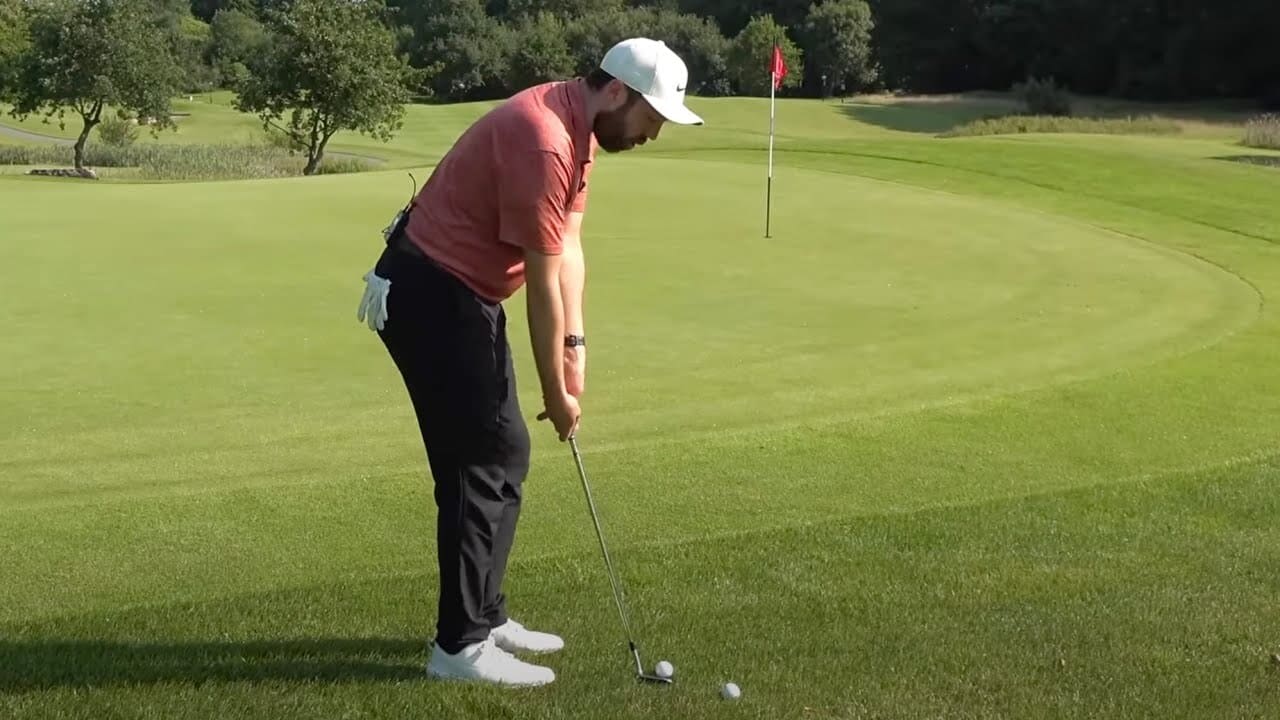
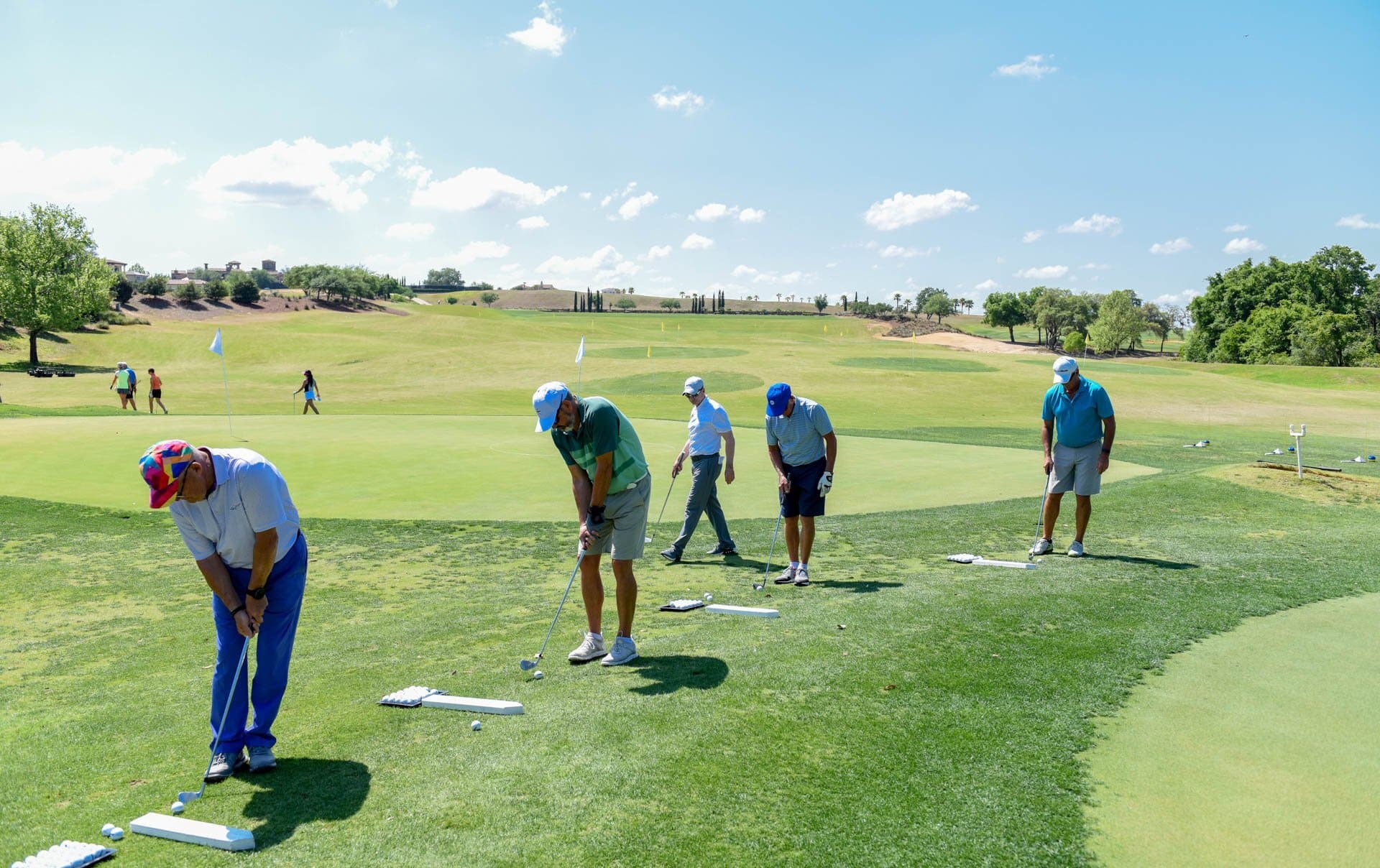
A full golf membership at a plateau private club of Burlingame’s caliber typically includes access to a driving range, short game practice areas, putting greens, and individual or group instruction from PGA professionals on staff. Junior golf programming, generally running in 4 to 6 week seasonal sessions, introduces young players to the game through age-appropriate formats and equipment. Club storage, bag drop service, and access to the pro shop round out the practical infrastructure that serious golfers expect from a full membership investment. Members looking to sharpen their game before heading out will find that a structured pre-round warmup for mountain golf makes a measurable difference in how the first several holes unfold.

How many rounds per season does the average Burlingame golf member play?

This varies by individual, but plateau golf season runs reliably from April through October, with November and March playable on most years. A member who visits the plateau 12 to 16 weekends per season and plays two rounds per visit accumulates 24 to 32 rounds annually, a figure that compares favorably with the per-round cost calculus of public golf in the region, where greens fees at quality mountain courses range from $95 to $175 per round.

Lake Recreation on Lake Fairfield: The Water Dimension

Mountain lakes at plateau elevation carry qualities that lowland lakes cannot replicate. The water is colder, clearer, and surrounded by old-growth forest that produces reflections and ambient quiet. For guidance on safe water recreation practices, see resources from the Centers for Disease Control and Prevention. The water is colder, clearer, and surrounded by old-growth forest that produces reflections and ambient quiet.

Burlingame Country Club Golf Course Cashiers NC: Full Guide

Burlingame Country Club golf course Cashiers NC

Key Takeaways

The Burlingame Country Club golf course , down the road from Cashiers, NC,  sits at elevations above 3,000 feet, threading through old-growth hardwoods and along mountain streams. Prospective members and homes buyers evaluating Western North Carolina will find a private championship course where the land itself shapes every round, and where the game becomes something closer to a ritual than a recreational outing.

  • Championship mountain golf at elevations above 3,000 feet creates cooler summer temperatures and dramatic elevation changes throughout the round.
  • The course winds through old-growth forests and alongside rushing mountain streams, with natural topography shaping every hole.
  • Membership grants access to a full private club experience including conditioning standards maintained for competitive and recreational play alike.
  • The Cashiers area sits at the confluence of several mountain ridgelines, producing weather patterns that make summer golf genuinely comfortable.
  • Prospective homesite buyers can evaluate the course and surrounding community as part of a broader membership and land ownership conversation.

Championship Mountain Golf in the Heart of the Cashiers – Highlands Plateau, NC

The Burlingame Country Club golf course outside Cashiers, NC delivers a playing experience shaped entirely by the mountain terrain surrounding it. Elevations from  3,000 to over 3,500 feet means summer temperatures routinely run 10 to 15 degrees cooler than lowland courses across the Southeast. Fairways move through stands of white oak, tulip poplar, and rhododendron. Mountain streams cross several holes, not as artificial features but as living parts of the landscape. This is golf as the land intended it, where course designers worked with the mountain rather than against it, and where every round carries the particular quality of light and air that Western North Carolina produces in abundance. For more information about mountain geography and climate in this region, see Sapphire, North Carolina on Wikipedia. Beginners and experienced players alike find the terrain engaging rather than punishing, and those looking to sharpen their approach before heading out would do well to review essential stretches and range drills for mountain golf before their first round.

Burlingame Country Club golf course Cashiers NC

Course Design and the Language of the Mountain Landscape

Designing a championship course into mountain terrain requires a different vocabulary than flattening a field and routing holes across it. At Burlingame Country Club, the design reads the land first. Ridge lines establish natural corridors. Stream valleys create low points that collect morning mist and frame approach shots with moving water. Elevation changes within individual holes ask players to think vertically as well as horizontally, calculating how altitude affects carry distances and how slope affects ball behavior after landing. Understanding how elevation changes everything about your putting game becomes essential once you begin to read these greens seriously.

The course uses native grasses and maintained turf varieties selected for mountain conditions, which produces firm, consistent surfaces throughout the playing season. Greens hold approach shots without becoming soft and unpredictable. Tee boxes sit at angles that frame the surrounding ridgelines, so even a poor shot happens against a backdrop worth remembering. The routing respects old-growth trees as permanent anchors rather than obstacles to be removed, which gives the course a maturity that newer mountain developments rarely achieve in their first decades.

Elevation and Playing Conditions

Golf at elevation behaves differently. At altitudes above 3,000 feet, the thinner air reduces aerodynamic drag on the ball, extending carry distances by roughly 5 to 7 percent compared to sea-level play. Wind patterns shift as thermal currents rise from the valley floors each afternoon. Morning rounds often begin in cool stillness before breezes develop across the ridges by midday. Members who understand how wind, weather, and smart club selection factor into mountain play develop a course-specific fluency that becomes part of the pleasure of belonging to a private club rather than rotating through public courses. For environmental context on mountain weather patterns, consult the U.S. Environmental Protection Agency.

Conditioning Standards and the Private Club Difference

Private golf conditioning differs from what most golfers encounter on public tracks. Access is controlled, which means the number of rounds per day stays within the turf’s recovery capacity. Maintenance crews work early morning hours before members arrive, so the course presents at its daily best throughout the playing window. Fairway widths remain consistent through the season because cart traffic is managed and rotated across recovery areas rather than channeled into permanent ruts.

As Dr. Michael Hurdzan, a golf course architect and environmental designer, noted in published research on course ecology: “The best mountain courses succeed because they accept the land’s limitations rather than engineering around them.” That philosophy describes the Burlingame Country Club approach precisely. The course is maintained to standards that reward precise play without making casual rounds feel like a test. Greens speeds, fairway firmness, and rough height are calibrated seasonally to match the mountain climate’s natural rhythms rather than forcing year-round uniformity that the terrain cannot honestly support. For additional information on turf management science, visit the National Institutes of Health.

The Member Experience Beyond the Scorecard

Golf at Burlingame Country Club sits inside a larger community experience rather than standing alone as an amenity. Members walk off the 18th green and move back into a world that includes family, neighbors, and the particular ease of knowing a place well. The clubhouse functions as a gathering point where conversations begun on the course continue over a meal or a drink looking out at the ridgeline that just provided hours of mountain theater. Members looking to extend their evening on the course might also explore why late-afternoon rounds at Burlingame are worth setting down your drink for, as the mountain light at dusk creates a playing atmosphere unlike any other time of day.

Golf instructor and author Harvey Penick wrote in his published teaching notes that “good golf is mostly about going to the right places with the right people.” The private club format makes the “right people” part easier to sustain over years rather than leaving it to chance. Members develop familiarity with one another across seasons, across generations, and across the full range of life events that a residential mountain community witnesses. A round at the Burlingame Country Club golf course in Sapphire, NC carries all of that context alongside the scorecard, and those who want to perform their best will find that understanding the mental side of golf is just as important as any physical preparation.

Multi-Generational Play on a Mountain Course

Mountain courses with varied topography naturally accommodate different skill levels across the same round. Parents, grandparents, and children can compete meaningfully from different tee positions without the gap feeling theatrical. The elevation changes that challenge low-handicap players also create memorable visual moments for newer players who are learning what the game feels like when the land cooperates. Multiple tee options allow family groups to customize the challenge without splitting into separate foursomes. This quality makes the course genuinely useful across a family’s golfing life, not just during peak competitive years. Members also find that the surrounding trails and wildlife you might encounter on the course and trails give younger family members a reason to love the mountain property well beyond the fairways. 


Managing Knee Pain While Staying Active: A Guide for Mountain Club Members

Best Golf Pros for Lessons in Highlands, NC (3)

Knee pain doesn’t have to mean the end of your active life at Burlingame. For a lot of members, it just means thinking more carefully about how you move, what you ask your body to do, and how you recover. Done right, staying active through knee pain not only keeps your fitness up, it often helps the knee itself.

That said, this isn’t medical advice, and if you’re dealing with significant, sudden, or worsening knee pain, seeing an orthopedic doctor or physical therapist is the right first step. What follows is practical guidance for the many members managing mild to moderate chronic knee pain who want to stay on the course, the courts, and the trails without making things worse.

Biltmore Forest Country Club vs. Mountain Clubs: Different Worlds of Membership

Understanding Why Knees Take the Brunt

The knee is a hinge joint that sits between two long lever arms, your thigh above and your lower leg below. It handles enormous loads during everyday activity and even larger ones during sport. Walking uphill loads the knee at roughly three times body weight. Going downhill or descending stairs can push that to five or six times body weight.

At Burlingame, where the terrain involves real elevation change and the course itself covers significant uphill and downhill ground, the knee takes on loads it wouldn’t face on a flat course or an urban walking path. The mountain environment is part of what makes the club special, and it’s also why knee health is a real topic of conversation among active members.

The most common sources of knee pain in active adults are osteoarthritis (cartilage wear over time), patellofemoral pain (around the kneecap, often from muscle imbalances), IT band issues (outer knee, usually from repetitive activities like running or cycling), and tendinitis of the patellar or quadriceps tendons. Each of these responds somewhat differently to exercise and modification, which is why a professional evaluation is worth having if you don’t already know what’s going on.

What Usually Helps

Strengthening the muscles around the knee, specifically the quads, hamstrings, and glutes, is consistently the most effective long-term management strategy for most types of knee pain. Stronger muscles take over load that would otherwise go straight to the joint itself.

The glutes in particular are underappreciated here. Weak glutes shift load onto the knee in ways that create or worsen pain. Single-leg exercises like step-ups, split squats, and single-leg deadlifts build glute strength in a way that transfers directly to walking, climbing, and sport movement. The Rejuvenate fitness center at Burlingame has everything you need to do this work, and private coaching sessions are available if you want guidance.

Low-impact cardiovascular activity maintains fitness and promotes circulation without the impact loading that can aggravate the joint. Swimming is excellent. Cycling, either stationary or on trails, is another good option. Walking on even ground at a moderate pace is generally fine and beneficial. These activities keep you fit and moving without creating the cumulative impact that running or court sports involve.

Maintaining a healthy weight reduces joint load significantly. Every pound of body weight translates to roughly four pounds of force on the knee during walking. This isn’t about aesthetics. It’s pure mechanics.

Anti-inflammatory habits matter too. Sleep, stress management, good nutrition, and limiting alcohol all affect systemic inflammation levels, which in turn affects how much pain and stiffness you experience day to day. These aren’t dramatic interventions, but they accumulate over time.

Modifying Golf for Knee Health

Golf is generally knee-friendly compared to running or court sports, but the walking and the terrain at Burlingame can create real challenges for someone managing knee pain.

Cart use is the obvious modification. There’s no shame in riding when your knee is having a hard week. Getting through 18 holes in a cart still means you’re outside, playing the game you enjoy, and giving the knee a break that it might need.

When you do walk, poles can help on steeper terrain. Walking sticks or trekking poles reduce knee load substantially on descents, which is usually when knee pain is most noticeable on the course.

Swing mechanics can also contribute to knee stress. If your lead knee collapses inward through impact, that’s a rotational load that an already-irritated knee doesn’t need. A swing lesson that addresses knee position through the swing isn’t just a performance improvement. It can be a pain management intervention.

Compression sleeves worn during a round provide light support and proprioceptive feedback that many golfers with knee issues find helpful. They don’t fix anything, but they often make walking more comfortable and reduce the instability sensation some people experience.

Modifying Tennis for Knee Health

Hard stops and lateral cuts are the primary knee stressors in tennis. On Har-Tru courts, the sliding technique that clay surfaces allow is actually kinder to the knee than the abrupt stops required on hard courts. Burlingame’s Har-Tru surface is a genuine advantage for members managing lower-body joint issues.

Playing doubles rather than singles reduces the distance you need to cover per point and eliminates the most physically demanding court coverage demands of the game. Doubles played at a club level is still a real workout. It’s just one that doesn’t ask the same things of your knees.

Appropriate footwear matters more than most people account for. Worn-out court shoes lose their cushioning and lateral support, which shifts load to the joints. Replace court shoes when the midsole starts to feel compressed, usually every six months of regular play.

Stretching your hip flexors, IT band, and calf muscles before and after play addresses tightness patterns that often contribute to knee pain. These structures pull on the knee from above and below, and keeping them flexible reduces the load the joint carries.

Modifying Pickleball for Knee Health

Pickleball’s smaller court and shorter rallies make it more knee-friendly than tennis in most respects. The sport has become genuinely popular among members who’ve had to step back from tennis because of joint issues.

The kitchen line positioning that good pickleball requires, standing in a low, athletic stance for extended periods, does place some demand on the quad and the patellar tendon. If kneecap pain is your issue, be conscious of how long you’re holding that bent-knee stance and stand up fully between points.

Paddle grip weight affects how you load your arm and shoulder, but choosing a lighter paddle can also reduce the energy expenditure of play generally, which means less overall fatigue on the knee over time.

Playing two games instead of three and stopping before you’re significantly fatigued is smarter than gutting through four or five games and paying for it the next morning. Know your stopping point and honor it.

The Trail and Hiking Question

Burlingame’s trails are one of the property’s real pleasures, and some of them involve meaningful elevation change. For members managing knee pain, the uphill portions of trail hiking are usually fine or even beneficial. The descents are where the load spikes.

Going downhill slowly, using a switchback pattern rather than heading straight down, and using trekking poles all reduce descent loads substantially. Taking shorter strides and keeping your knee slightly bent (rather than locking it straight on each step) also helps by engaging the quad to share the load rather than letting it fall entirely onto the joint.

Flat and gently rolling trails are available options on days when the knee needs a lower-demand experience. A 45-minute walk on easier terrain is better for both fitness and joint health than forcing your way up and down a steep route and being sore for three days afterward.

Best Golf Pros for Lessons in Highlands, NC (3)

When to Back Off

Pain during activity that scores more than a 3 or 4 on a ten-point scale is your body asking you to stop. Persistent swelling after activity, pain that wakes you up at night, or pain that’s getting progressively worse over weeks are all signals to see a professional before continuing.

Staying active through mild discomfort is generally fine and often beneficial. Pushing through significant pain is not. The distinction matters, and learning to read your own body’s signals accurately is a skill worth developing.

The goal is a long, active life at Burlingame across decades. Protecting that requires being honest about what your knee is telling you on any given day.

For information about personal training, private fitness sessions, and the wellness offerings at Rejuvenate, call Burlingame Country Club at (828) 966-9200.

Best Golf Pros for Lessons in Highlands, NC (3)