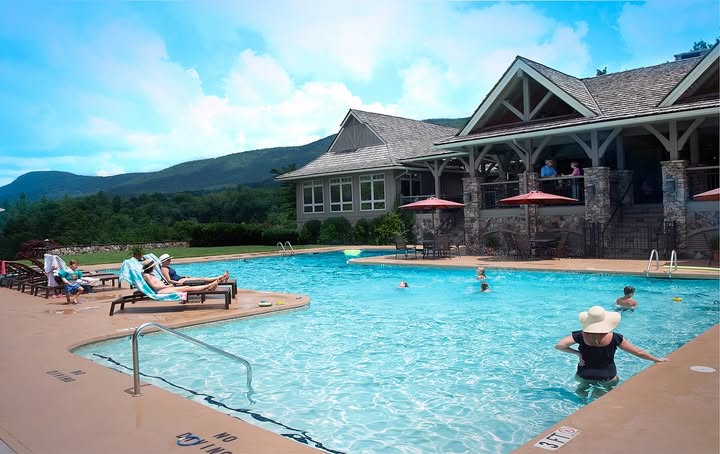
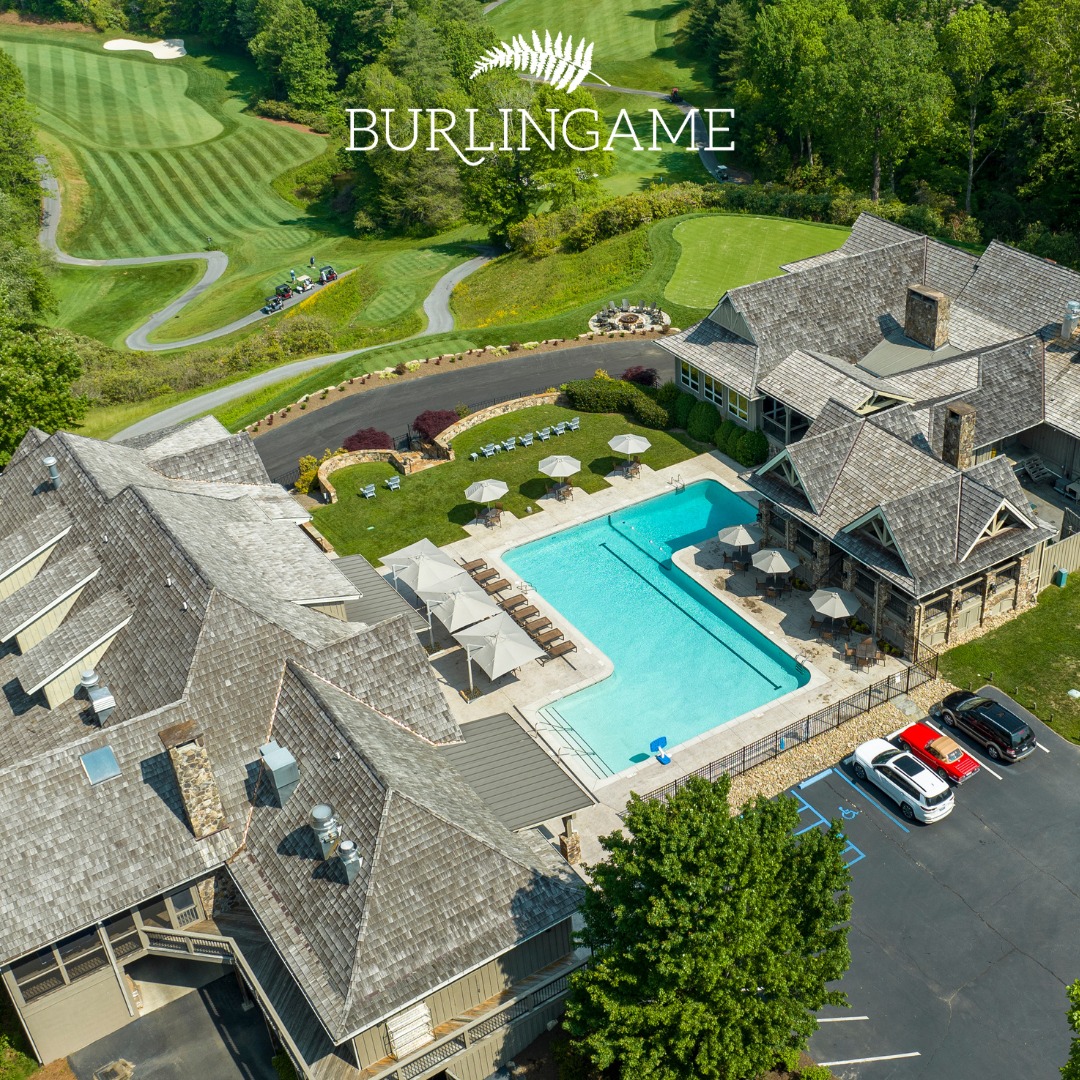
The pool at Burlingame Country Club gets plenty of use during a summer afternoon. Kids in the water, members relaxing on the deck, the kind of easy social energy that a mountain pool in July naturally produces. What’s easy to miss is that some of those members showing up earlier in the morning or during quieter hours are treating the same pool as one of the better fitness tools on the property.
Swimming for fitness occupies a specific and valuable niche in an active person’s routine. It works your cardiovascular system hard, it’s genuinely full-body, and it puts almost no mechanical stress on your joints. For the golfer whose knees don’t love walking 18 holes every day, or the tennis player managing a shoulder that needs rest from serving, the pool offers a way to maintain fitness without making anything worse.
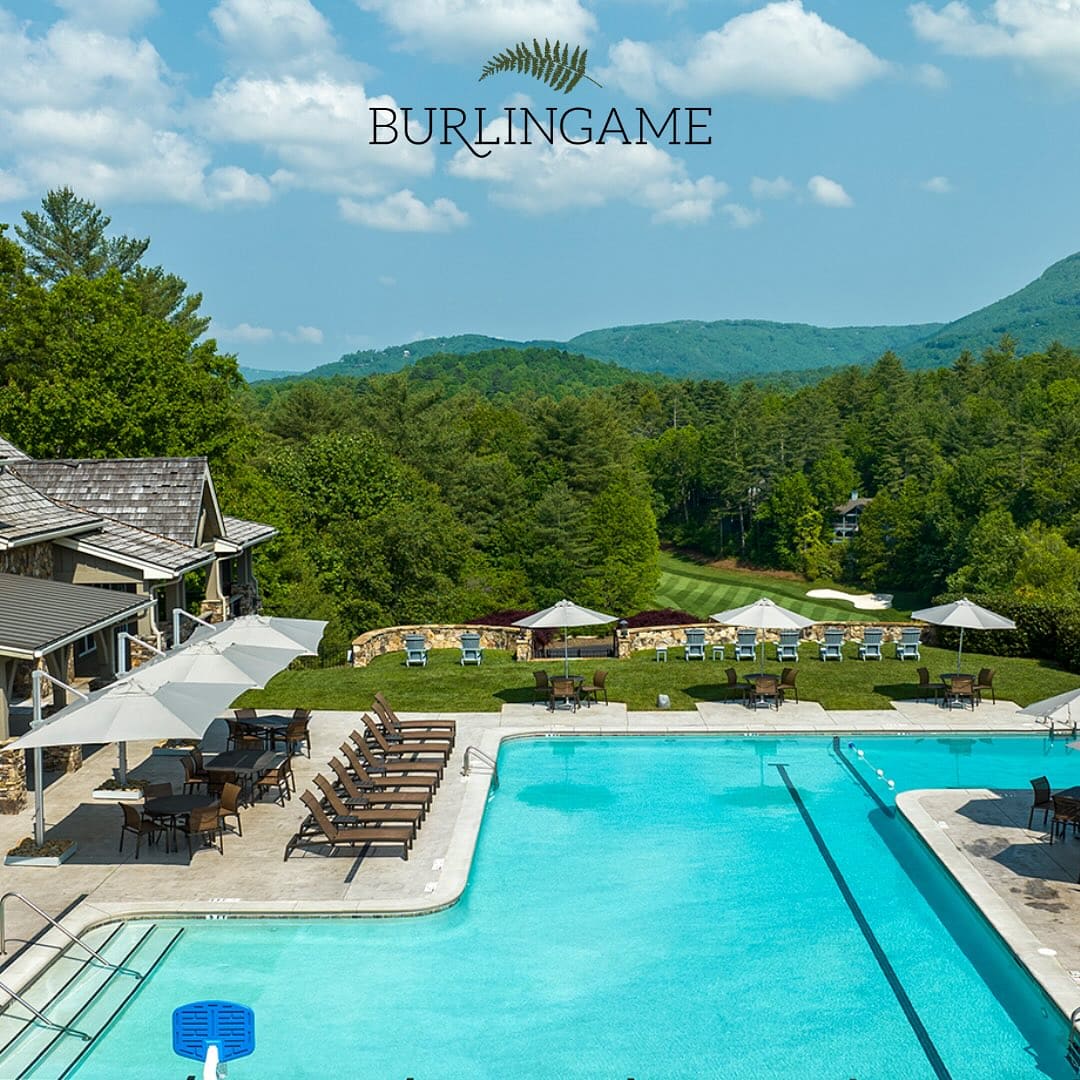
Why Swimming Works the Way It Does
Water is about 800 times denser than air. Moving through it requires constant muscular effort in a way that land-based exercise doesn’t. Even at a moderate pace, swimming engages your core, your upper body, your hips, and your legs in coordinated fashion for the entire duration of the workout.
The resistance is also proportional to your effort, which is one of swimming’s more useful qualities. Push harder, and the water pushes back proportionally. This means you can self-regulate intensity without any equipment adjustments, and the same pool works for a beginner doing easy laps and an experienced swimmer doing hard interval sets.
The cardiovascular demand is real. Swimming at a moderate steady pace will get your heart rate into an aerobic training zone and keep it there. More intense intervals, where you sprint a length and rest briefly before going again, create the same kind of high-intensity work that coaches use with competitive athletes.
Breathing is the thing that challenges most new swimmers. Unlike running or cycling, swimming requires deliberate breath management. You can’t just breathe when you need to. This forces a level of body awareness and controlled exhalation that, over time, actually improves the quality of your breathing in other activities. Athletes who add swimming to their routine often report that their stamina feels better across the board, not just in the pool.
The Joint-Friendly Advantage
At Burlingame, where members are generally active across multiple sports and the average golfer or tennis player is dealing with some accumulated wear on their body, joint-friendly fitness options matter.
The buoyancy of water reduces effective body weight by about 90 percent when submerged to the neck. A person who weighs 180 pounds on land weighs about 18 pounds in the pool. That means the repetitive impact that accumulates during running, tennis footwork, or repeated golf swings is almost entirely absent.
For anyone in recovery from a lower-body injury, managing chronic knee or hip pain, or simply trying to give their body a break between harder sessions, swimming provides a genuine workout without the inflammation trigger that high-impact exercise creates.
The rotator cuff is worth mentioning separately because so many tennis and pickleball players are managing some degree of shoulder sensitivity. Swimming has a mixed reputation here. Done correctly with good stroke technique, freestyle swimming builds balanced shoulder strength and doesn’t aggravate most rotator cuff conditions. Done incorrectly, particularly with poor rotation technique that creates impingement at the top of the stroke, it can irritate the shoulder. If you’re managing a shoulder issue, start conservatively and get a few pointers on technique before committing to long sets.
What a Fitness-Focused Pool Session Looks Like
You don’t need to have been a competitive swimmer to use the pool for real fitness. A simple structure works well.
A basic workout might look like this: start with four easy lengths to warm up and find your rhythm. Move into the main set, alternating moderate-effort lengths with slightly harder ones. Finish with a few easy lengths to cool down and let your heart rate settle. Total time in the water: 30 to 45 minutes.
As your fitness in the water develops, you can add structure. Interval sets, where you swim a specific number of lengths at high effort and rest for a fixed time between repetitions, are particularly effective for cardiovascular conditioning. Technique drills, like single-arm freestyle or kicking sets with a board, build the specific strength that makes your stroke more efficient.
You don’t have to do freestyle the entire time. Backstroke is easier on the shoulders for many people and works your posterior chain differently. Breaststroke is lower intensity and can serve as active recovery within a session. Even alternating strokes keeps things more interesting than 40 lengths of the same movement.
The Aqua Fitness Option
Burlingame’s Rejuvenate program includes non-impact aqua fitness classes that use the pool for structured group exercise. These sessions are not light or easy, despite the absence of impact. Water resistance makes exercises that would feel simple on land significantly more challenging, and the class format keeps intensity consistent across the workout.
Aqua fitness is particularly well-suited for members who want a guided workout without solo laps, those managing lower-body pain or arthritis, and anyone who finds lap swimming too solitary or technically demanding. The instructor keeps pace, adjusts for different fitness levels within the group, and provides the same social accountability that any group fitness class offers.
If you haven’t tried it because it doesn’t sound hard enough, try it once and reconsider. The class will challenge your cardiovascular system and work muscles that most land-based routines miss.
The Pool as a Recovery Tool
Beyond structured fitness, the pool serves a recovery function that active members should take advantage of.
Cold water immersion after intense exercise reduces muscle inflammation and speeds recovery. At Burlingame, where a mountain morning means pool temperatures that tend toward the cool side, a post-exercise swim or soak provides some of this benefit naturally.
Easy laps the morning after a long round of golf, a hard tennis match, or a full day of pickleball can actually accelerate how quickly your legs and shoulders feel normal again. The combination of gentle movement and water pressure promotes circulation and helps clear the metabolic byproducts that create post-exercise soreness.
This isn’t complicated. Twenty minutes of easy freestyle the morning after a demanding day on the courts or course will make your body feel better than the same twenty minutes spent sitting on the couch. Members who build this habit find their recovery time shortens noticeably.
The Social Side
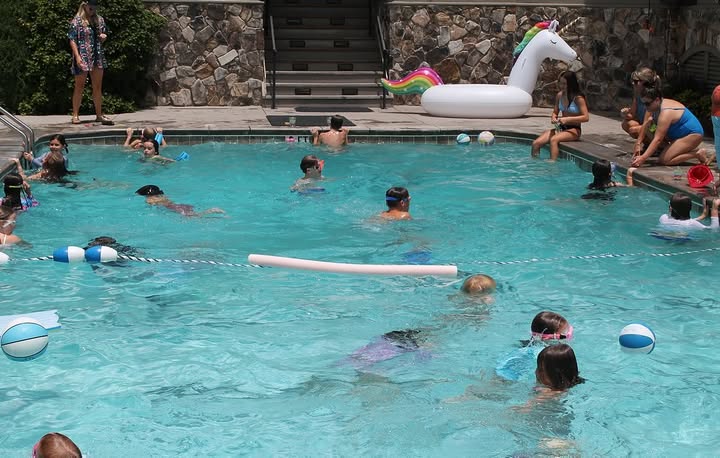
The pool at Burlingame has always been a gathering place. The deck sees afternoon conversation, the kind of easy club social life that builds friendships over repeated seasons. Getting in the water adds a different dimension to that, because regular swimmers naturally start to recognize each other during morning laps and the pool deck before a workout has its own informal social rhythm.
It’s a different crowd than the golf course or the tennis courts, and getting to know members across multiple activities is part of what makes a club feel like a community rather than a collection of separate groups using the same property.
For more information about pool hours, aqua fitness class schedules, and Rejuvenate programming, call Burlingame Country Club at (828) 966-9200.