
Key Takeaways
Sapphire Valley in Western North Carolina offers retirees a rare combination of mountain beauty, mild four-season climate, and close-knit community living. With elevations around 3,500 feet, lower costs than many coastal retirement destinations, and access to outdoor recreation year-round, the region draws families and empty nesters seeking something more lasting than a vacation home.
- Sapphire Valley sits at roughly 3,500 feet elevation in Western NC, producing cooler summers than most of the Southeast
- Property taxes in Jackson County, where Sapphire Valley lies, run among the lower rates in the state
- The area offers hiking, fishing, golf, and community programming within a short drive of medical facilities in Sylva and Brevard
- Private club communities in the region provide multi-generational amenities that support both active retirees and visiting grandchildren
- Western NC mountain communities combine natural stewardship values with genuine neighborly culture, not just resort-style services
What Makes Sapphire Valley a Retirement Destination Worth Knowing
The mountains do not announce themselves. They simply appear, ridge after ridge, folding into one another like pages of a very old book. Sapphire Valley sits inside that story, tucked into the Nantahala National Forest corridor of Western North Carolina, where the air cools by late afternoon even in July and the creeks run clear over ancient stone. For retirees weighing where to spend the years they have actually earned, this place offers something that a glossy brochure cannot quite capture: the feeling that you have arrived somewhere real.
Sapphire Valley is an unincorporated community in Jackson County, roughly 11 miles southwest of Cashiers along US-64. Its elevation hovers around 3,500 feet, which means summer highs rarely push past the low 80s while most of the Southeast bakes. That climate alone draws thousands of retirees northward from Florida, Georgia, and South Carolina each year. But the climate is just the beginning of what Western North Carolina retirement can offer. For complete coverage, see our Western NC Retirement Communities: Mountain Living Guide resource on western NC retirement communities, which maps out everything from healthcare access to property tax structures across the region.
Burlingame Country Club, located in Cashiers NC, sits just minutes from Sapphire Valley and represents one of the anchoring community institutions that gives this corridor its particular character. Many retirees in the area find that belonging to a mountain club community is less about exclusivity and more about having a front porch wide enough to share with people who feel like family.
What Does the Climate Actually Feel Like Through All Four Seasons?
People talk about four seasons in Western NC the way others talk about a good marriage: you have to live it to believe it. Spring arrives in late March with redbud and dogwood blooming against the grey ridgelines. Wildflowers carpet the forest floor by April. Temperatures climb slowly, topping out in the mid-70s most days through June. Summer is the season that surprises newcomers most. While Charlotte records heat index readings above 100 degrees Fahrenheit some July afternoons, Sapphire Valley often sits 15 to 20 degrees cooler at the same hour. That difference is not a small comfort. It is the difference between staying inside and walking out your door.
How cold does winter get, and is it manageable for older adults?
Winter in the Sapphire Valley area means nights that drop into the 20s from December through February, with occasional snow events that dust the ridges in white and make everything look like a watercolor. Most years see three to five significant snow events, usually clearing within a day or two at valley level. Retirees who have lived through harsh Midwest or Northeast winters often describe the mountain winters here as gentle by comparison, cold enough to be cozy but not punishing. Roads in unincorporated Jackson County can ice, so ground-floor living or communities with maintenance support are worth factoring into housing decisions.
Does the elevation affect health for retirement-age residents?
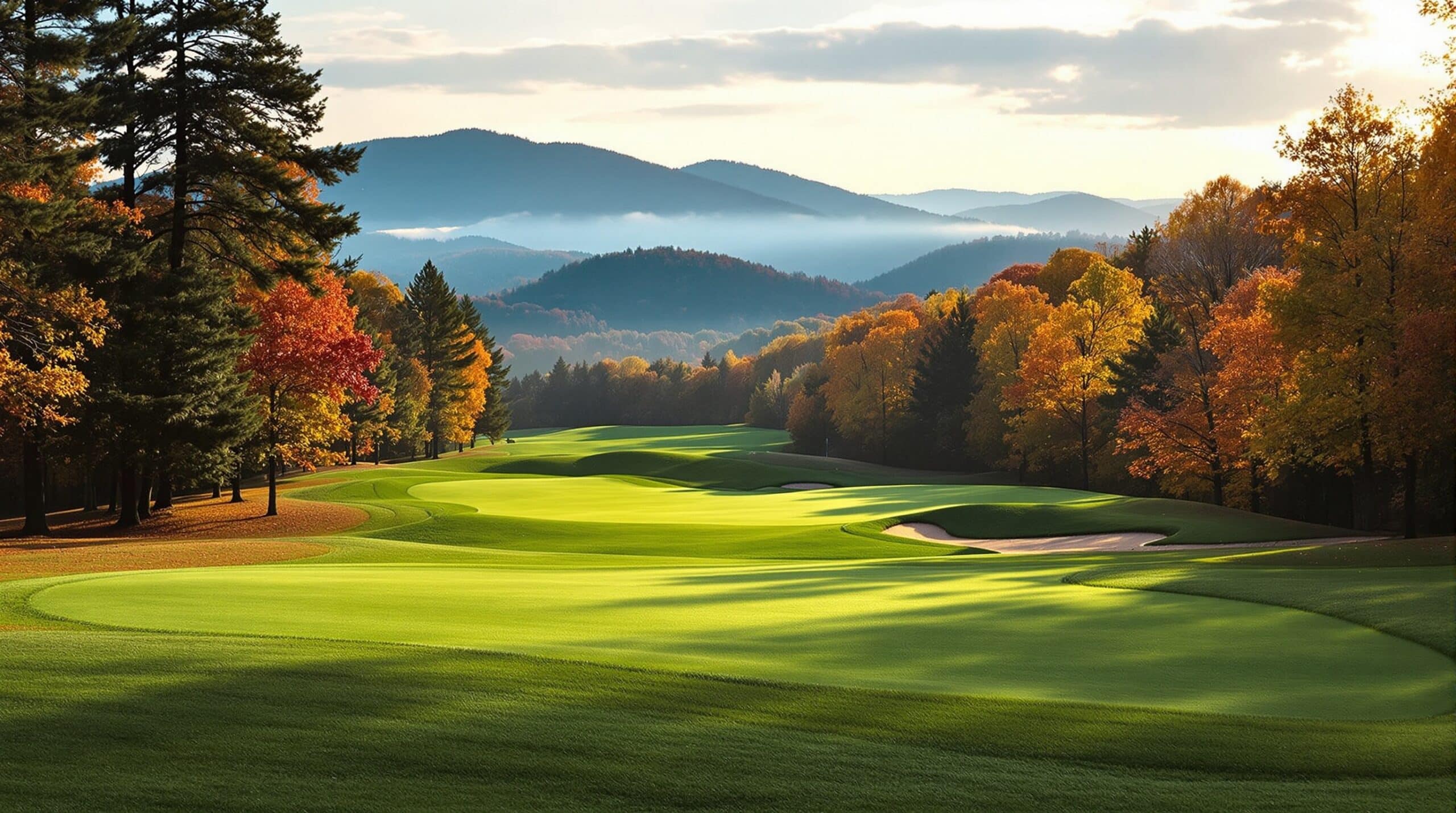
At 3,500 feet, the elevation in Sapphire Valley is well within the range most healthy adults adapt to without difficulty. Some newcomers notice mild breathlessness during the first week, particularly during uphill walks, but the body adjusts within days to a couple of weeks for most people. The cooler, lower-humidity air is frequently cited by residents as beneficial for respiratory comfort compared to low-elevation Southern climates. Anyone with significant cardiac or pulmonary conditions should consult a physician before relocating to any elevated environment, but for the general retirement population, Sapphire Valley’s elevation is an asset rather than a concern. The health benefits of mountain living in Western NC extend well beyond simple comfort, with research increasingly supporting the advantages of cleaner air and cooler temperatures for long-term wellness.
What Are the Real Cost-of-Living Benefits for Retirees in This Area?
Retirement finances demand honesty, and Western NC holds up well under that scrutiny. North Carolina does not tax Social Security income at the state level. The state income tax rate is a flat 4.75 percent as of recent legislation, lower than many neighboring states. Jackson County property tax rates have historically stayed below the state average, though rates shift with county budget cycles and should be verified directly with the Jackson County Tax Administration office before any purchase decision.
How does home pricing in Sapphire Valley compare to other retirement markets?
Residential property in the Sapphire Valley corridor spans a wide range. Modest mountain cabins and condominiums start in the $250,000 to $350,000 range. Single-family homes with acreage and mountain views typically run $500,000 to $1.2 million depending on lot size, finishes, and proximity to amenities. Compared to coastal South Carolina retirement markets like Hilton Head, where median home prices have climbed past $600,000 for entry-level properties, Sapphire Valley still offers relative value for the lifestyle it delivers. According to the North Carolina Department of Revenue, retirees benefit from the state’s exemption of Social Security income and a retirement income deduction that can reduce taxable income significantly for those over 65.
Are there ongoing membership or HOA costs retirees should budget for?
Depending on the community or private club a retiree joins, annual dues and assessments vary. Private club memberships in the Cashiers and Sapphire area range from approximately $8,000 to $20,000 per year when combining dues with minimum food and beverage commitments. Understanding what is included in a country club membership is an important step before committing to any community. HOA fees in planned communities run $2,000 to $6,000 annually on average. These numbers matter in retirement planning and should be layered into any long-term budget alongside healthcare, travel, and home maintenance reserves.
What Outdoor and Recreational Benefits Does Sapphire Valley Offer Retirees?
The water draws people here the way it always has. Sapphire Valley sits near Lake Fairfield, and the entire Jackson and Transylvania County corridor is threaded with waterfalls, trout streams, and hiking trails managed under the Nantahala National Forest. Whitewater Falls, just 20 miles south, drops 411 feet making it one of the tallest waterfalls in the eastern United States. Retirees here do not watch nature through a window. They walk out into it.
What hiking and trail options exist near Sapphire Valley?
The Panthertown Valley trail system, sometimes called the Yosemite of the East, lies within 15 miles of Sapphire Valley and offers more than 30 miles of trails ranging from easy creek-side walks to moderate ridgeline scrambles. The Foothills Trail connects to the region from the south. Those new to the area will find that Burlingame’s most scenic trails and hidden waterfalls offer a rewarding introduction to mountain hiking at a measured pace. According to the Nantahala National Forest, the forest encompasses over 530,000 acres in Western NC, providing public land access that supplements any private community amenity package a retiree might choose.
Is golf accessible year-round for retirees in the Sapphire Valley area?
Golf is a serious part of the culture here. The Cashiers and Sapphire Valley corridor hosts several private and semi-private courses that stay playable from late March through November. Burlingame Country Club’s golf course in Cashiers offers championship mountain golf on terrain that shifts elevation dramatically hole to hole, which makes for a playing experience quite different from flatter Piedmont or coastal courses. The mountain golf season runs roughly 220 to 240 days per year depending on winter severity, giving retirees far more playing time than they might expect from a high-elevation location.
How Does Healthcare Access Factor Into Retirement Planning Here?
Living beautifully matters less if you cannot get to a doctor when you need one. The nearest hospital to Sapphire Valley is Harris Regional Hospital in Sylva, approximately 25 miles northeast, a drive of about 35 to 40 minutes on mountain roads. Transylvania Regional Hospital in Brevard lies roughly 30 miles to the east. Both facilities offer emergency services and inpatient care. Mission Health in Asheville, a full-service regional medical center affiliated with HCA Healthcare, sits about 65 miles north and handles complex cases including cardiac surgery and oncology.
Are specialist physicians available locally for retirees with ongoing health needs?
Primary care is available in Sylva and Cashiers, with several practices accepting Medicare patients. Specialist services are concentrated in Asheville and increasingly in Sylva as the region’s retirement population grows. Telemedicine has expanded access significantly since 2020, allowing many follow-up and specialty consultations to happen from home. According to Medicare’s official site, beneficiaries can compare local providers, check acceptance status, and review star ratings for facilities in any ZIP code, which is a practical first step for anyone evaluating a specific mountain community.
What should retirees with mobility considerations look for in Sapphire Valley homes?
Mountain terrain means slopes, and that is worth thinking about early. Flat, single-story homes on gentle lots exist throughout the Sapphire Valley corridor but require searching. Many mountain properties feature multi-level designs that work well for active retirees in their 60s but can become challenging later. One-level construction, wider doorways, and zero-step entries are worth specifying in any home search. Some private communities offer maintenance services that reduce the burden of exterior upkeep, which matters more as residents age in place. Retirees managing joint discomfort will also find guidance on managing knee pain while staying active in a mountain club setting particularly useful as they plan their day-to-day routines.
What Community and Social Life Can Retirees Expect?
There is a particular pleasure in knowing your neighbors’ names, and in the mountains of Western NC, that pleasure is still accessible. Sapphire Valley and the surrounding Cashiers plateau have the feel of a place where people choose to show up for each other. Community events, local arts programs, farmers markets, and club activities fill the social calendar without demanding anything from anyone. The pace here is chosen, not imposed.
What kinds of community events and clubs exist near Sapphire Valley?
The Cashiers area supports a surprising depth of cultural life for its population size. The Highlands Performing