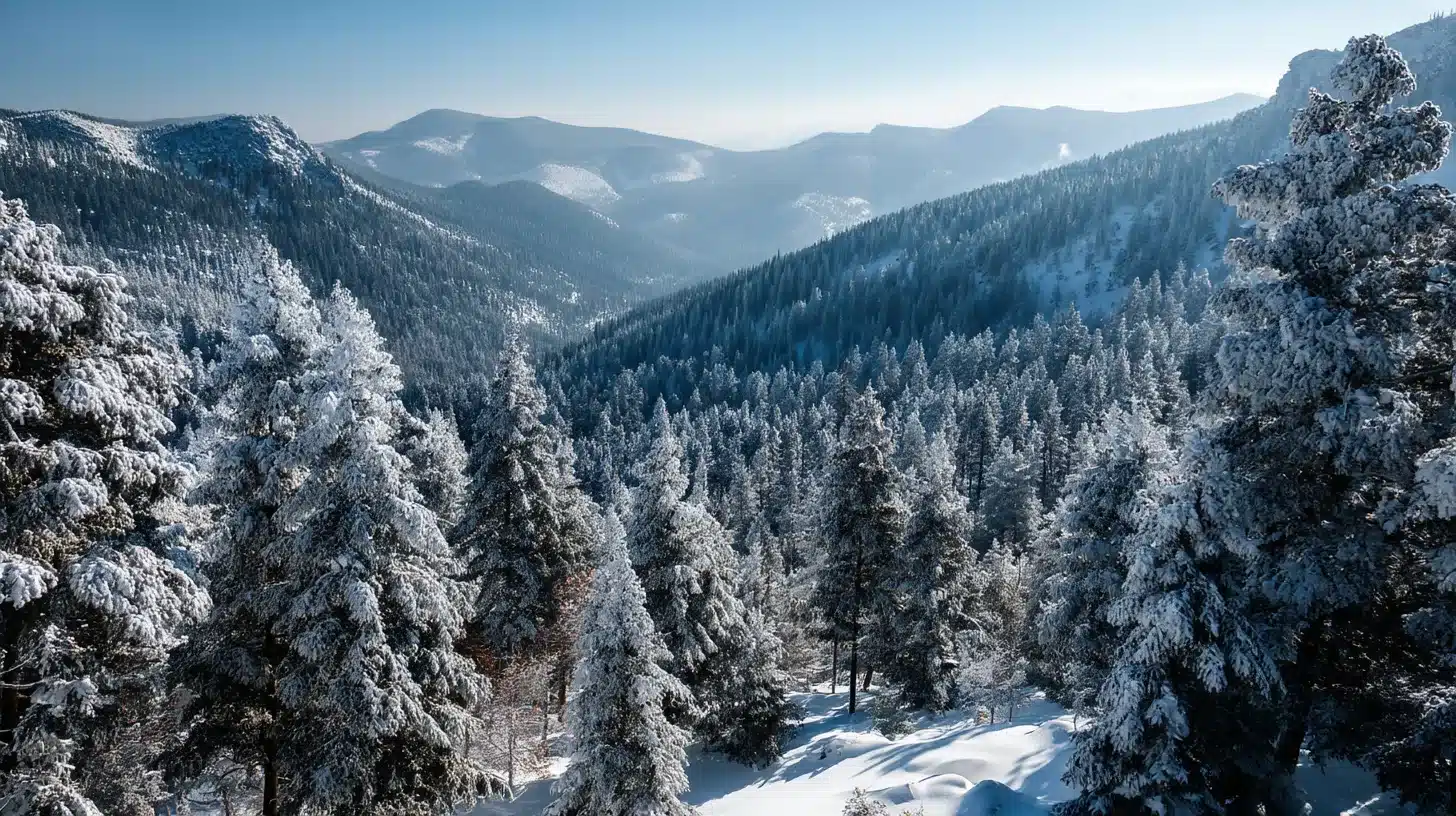

Understanding Mountain Winter Weather
Weather at 3,000+ feet differs dramatically from conditions in nearby valleys. Temperature drops roughly 3-5 degrees for every 1,000 feet of elevation gain. That 50-degree day in town might be 35 at Burlingame and near freezing at higher elevations.
The Wind Factor Wind chill at elevation turns manageable cold into dangerous cold. A 30-degree day with 20 mph winds feels like 17 degrees. Exposed ridgelines and summits are always windier than protected valleys. Factor wind chill into every winter hiking plan.
Rapid Weather Changes Mountain weather changes faster than valley weather. A clear morning can become overcast by afternoon. Light snow can intensify quickly. Always check detailed mountain forecasts, not just general regional weather, and be prepared for conditions worse than predicted.
Temperature Inversions Sometimes valley temperatures are colder than mountain temperatures due to cold air drainage. Don’t assume conditions at the trailhead represent conditions on the trail. Dress in layers you can adjust as temperatures and exertion levels change.
Essential Winter Hiking Gear
Summer hiking gear won’t keep you safe in winter. The equipment needed isn’t expensive, but it’s non-negotiable.
Layering System Forget cotton. In winter, “cotton kills” isn’t hyperbole; wet cotton robs your body of heat. Build a three-layer system:
Base Layer: Synthetic or merino wool against your skin. This layer wicks moisture away from your body and dries quickly.
Mid Layer: Fleece or synthetic insulation for warmth. This layer traps air warmed by your body. Zip-front designs allow ventilation control as your exertion level changes.
Outer Layer: Waterproof, breathable shell to block wind and precipitation. This layer keeps wind from stealing heat and precipitation from soaking through.
The beauty of layering is adjustability. You’ll hike in just base and mid layers, add the shell if wind picks up or precipitation starts, and put on all layers if you stop for lunch. Adjust layers before you get too hot (sweaty) or too cold (shivering).
Insulated Hat Your head is your body’s radiator, dissipating heat to cool you down. In winter, that’s the opposite of what you want. An insulated hat keeps warmth in, and removing it allows excess heat out. Bring both a lighter hat for hiking and a warmer one for breaks.
Gloves or Mittens Mittens keep fingers warmer than gloves by allowing them to share heat, but gloves provide better dexterity for adjusting gear and using trekking poles. Bring both or choose liner gloves you can wear under waterproof shells.
Winter Boots Summer hiking boots won’t suffice. Winter requires insulated, waterproof boots that keep feet warm in snow and slush. They should be sized to accommodate thick wool socks without compression (which reduces insulation).
Trekking Poles Winter trails are slippery. Ice hides under leaves. Frozen mud becomes rigid and uneven. Trekking poles provide stability and reduce the risk of falls that are more dangerous in winter conditions.
Microspikes or Crampons When trails ice over, traction devices transition from optional to essential. Microspikes attach to your boots and provide traction on icy trails. They’re inexpensive insurance against dangerous falls.
Winter Trail Selection Around Burlingame
Not all trails suit winter hiking. Some become genuinely dangerous; others simply become unpleasant. Choose winter routes based on elevation, exposure, and typical conditions.
Lower Elevation Trails Trails below 3,500 feet experience less severe conditions and shorter periods of ice and snow coverage. They’re better choices for winter hiking, especially on days with marginal weather.
South-Facing Trails South-facing slopes receive more sun, melting ice and snow faster and providing warmer hiking conditions. They’re often hikeable when north-facing trails remain iced over.
Stream Crossings Trails requiring creek crossings are more challenging in winter. Water levels might be lower, but rocks are slipperier, and a wet foot in winter is a legitimate safety concern rather than just a nuisance.
Loop vs. Out-and-Back Routes Out-and-back routes give you an easy decision point: if conditions deteriorate, you turn around. Loop routes commit you to completing the circuit. In winter, when conditions can change rapidly, out-and-back routes are often safer choices.
Waterfall Hiking in Winter
Frozen waterfalls are spectacularly beautiful, but they require extra caution. The area around falls becomes coated in ice from mist. Surfaces that provide secure footing in summer become skating rinks in winter.
Approach falls from a distance first. Assess conditions before committing to getting close. If spray has created extensive ice, enjoy the view from a safe distance. The photograph isn’t worth a fall onto ice-covered rocks.
Some falls flow year-round and remain unfrozen even in winter. These offer different but equally beautiful winter scenes—contrasting liquid movement with a frozen landscape.
Wildlife Considerations
Winter wildlife encounters differ from summer. Animals are more stressed by winter conditions, and their energy reserves are critical for survival. Give wildlife extra space in winter; forcing them to flee wastes precious calories.
Bear Awareness Most bears hibernate during Western North Carolina winters, but mild winters or food availability can keep some active. Stay alert, make noise on blind corners, and never approach or surprise wildlife.
Rare Bird Opportunities Winter brings birds from further north into North Carolina’s mountains. Species that summer in Canada spend winters here. Serious birders find winter hiking particularly rewarding despite the cold.
Group Hiking vs. Solo Winter Hiking
Solo summer hiking is reasonable for experienced hikers on well-marked trails. Solo winter hiking is considerably riskier. An ankle sprain that’s an inconvenience in summer becomes potentially life-threatening in winter.
If you do hike solo in winter, tell someone your specific route and expected return time. Carry a charged cell phone in an inside pocket (cold drains batteries). Consider carrying an emergency beacon for areas without cell coverage.
Group hiking distributes risk. If someone is injured, others can provide aid and go for help. Group members can share gear if someone’s fails. The social aspect also makes cold-weather hiking more enjoyable.
Navigation in Winter Conditions
Familiar summer trails look different under snow. Landmarks disappear. Trail markers become obscured. Getting disoriented on a trail you’ve hiked a dozen times in summer is embarrassingly easy in winter.
Carry a Map and Compass Yes, even on trails you know well. A topographic map and compass don’t have batteries to die or screens to crack. Learn basic land navigation before you need it.
GPS Devices and Phone Apps Modern GPS units and smartphone apps provide excellent navigation tools, but they’re supplementary to traditional maps and compasses, not replacements. Cold kills batteries. Devices break. Always have backup navigation methods.
Following Tracks Fresh tracks from earlier hikers can help identify the trail, but don’t follow them blindly. Tracks might lead to unofficial side trails, to viewpoints off the main trail, or simply to where previous hikers got lost.
Recognizing and Responding to Cold Injuries
Winter hiking risks include hypothermia and frostbite. Recognizing early symptoms and responding immediately prevents minor issues from becoming serious emergencies.
Hypothermia Hypothermia is the dangerous lowering of core body temperature. Early symptoms include shivering, confusion, slurred speech, and lack of coordination. Advanced hypothermia stops shivering (the body can no longer generate heat) and leads to unconsciousness and death.
Prevention is simple: stay dry, stay fed, and recognize early symptoms. If someone shows signs of hypothermia, stop, add layers, provide warm (not hot) liquids and calories, and consider ending the hike.
Frostbite Frostbite is tissue damage from freezing, usually affecting extremities: fingers, toes, nose, and ears. Early frostbite (frostnip) causes numbness and white or grayish skin. Severe frostbite causes hard, waxy skin and blisters.
Prevent frostbite with adequate clothing, especially on extremities. If frostbite occurs, rewarm affected areas gradually, never with direct heat. Severe frostbite requires medical attention.
Fueling and Hydration in Cold Weather
Your body burns more calories maintaining core temperature in winter. Bring extra food beyond your summer hiking portions, and eat regularly throughout the hike.
High-Calorie Snacks Nuts, dried fruit, chocolate, and energy bars provide quick calories. Unlike summer, when you might prioritize hydrating foods, winter favors calorie-dense options.
Hot Liquids A thermos of hot tea, coffee, or soup provides both hydration and warmth. The psychological boost of a hot drink during a cold lunch break shouldn’t be underestimated.
Hydration Winter’s cold dry air increases fluid needs even though you might not feel thirsty. Dehydration impairs your body’s temperature regulation and cognitive function. Drink regularly even if you don’t feel thirsty.
Use insulated bottles or keep water bottles inside your pack against your back. Water in exterior mesh pockets will freeze. Many hikers learn this lesson the hard way.
Winter Photography Opportunities
Winter offers unique photographic opportunities, but cameras and batteries face challenges in cold weather.
Battery Management Cold drains battery power dramatically. Carry spare batteries inside your jacket where body heat keeps them warm. Swap them into your camera when needed.
Icy Compositions Ice formations, frost patterns, frozen waterfalls, and rime ice on vegetation create spectacular images unavailable in other seasons. Overcast days that seem drab often provide perfect diffused lighting for these subjects.
Long Views Without leaves obscuring them, mountain views extend much further in winter. Distant ridges and valleys invisible in summer become prominent winter features.
Timing Your Winter Hikes
Start Early Winter days are short. Starting early gives you maximum daylight and reduces the risk of navigating in darkness if your hike takes longer than expected.
Monitor Sunset Times Sunset in late December comes before 5:30 PM. Add the time needed to return from your turnaround point. Plan to be off the trail at least 30 minutes before sunset.
Consider Temperature Cycles The warmest part of a winter day is typically early-to-mid afternoon. Plan strenuous sections or exposed areas for warmer hours when possible.
The Reward: Winter’s Beauty
Reading about winter hiking safety might make it sound forbidding. It’s not. It’s just different, requiring different preparation and mindset.
The rewards are substantial. You’ll have trails to yourself. The silence of a winter forest has qualities summer can’t match. Wildlife that hides from summer crowds becomes visible. The views through bare trees extend for miles.
There’s satisfaction in developing competence in challenging conditions. Summer hiking is pleasant recreation. Winter hiking is adventure, requiring skill and preparation that make success more meaningful.
Burlingame’s Winter Hiking Community
While our trail system is accessible year-round, winter hiking is best approached with local knowledge. Other members who hike regularly in winter can provide specific trail recommendations, current condition reports, and companionship that makes winter hiking safer and more enjoyable.
The club occasionally organizes group winter hikes, providing opportunities to experience winter trails with experienced leaders. These outings are ideal for members new to winter hiking who want to develop skills in a supported environment.
Getting Started with Winter Hiking
Don’t let this safety information discourage you. Start conservatively:
- Choose a short, familiar trail for your first winter hike
- Pick a day with good weather forecast
- Hike with experienced winter hikers
- Bring extra layers beyond what you think you’ll need
- Turn back early rather than pushing into uncertain conditions
As your experience grows, you’ll develop judgment about conditions, gear, and capabilities. That judgment comes from experience, which comes from getting out there and starting simply.
The Mountain Advantage
Western North Carolina’s mountain geography creates a unique culinary landscape. The elevation and climate support crops that struggle in warmer regions. The short growing season concentrates flavors. The rich, ancient soil contributes mineral complexity to everything grown here.
Our location at 3,000+ feet means we have access to both mountain microclimates and nearby valley farms. Spring arrives at different times depending on elevation, extending the season for fresh ingredients. Summer’s heat is moderated by altitude, creating perfect conditions for cool-weather crops like lettuce and herbs that would bolt in warmer regions.
This geographic diversity means Chef Fong can source truly local ingredients year-round, not just during summer’s peak. Even in winter, mountain farms provide storage crops, greenhouse greens, and preserved products that reflect the mountain terroir.
Building Relationships, Not Just Supply Chains
The foundation of Chef Fong’s approach isn’t ingredient lists or cooking techniques—it’s relationships with the people who grow food. He knows the farmers by name. He visits their operations. He understands their growing practices and seasonal challenges.
These relationships allow true collaboration. A farmer might call when an unexpected early crop of asparagus comes in. Chef Fong can adjust that week’s menu to feature it at peak quality. When a late spring frost threatens tender crops, he can shift purchasing to support farmers through the loss.
This flexibility works both ways. Farmers grow specialty items specifically for Burlingame’s kitchen, knowing they have a committed buyer who understands the value of heritage varieties and unusual crops that larger markets won’t support.
What Seasonal Really Means
Everyone claims to cook seasonally, but few restaurants genuinely structure their menus around what’s available now rather than what’s available always. At Burlingame, seasonal cooking means the menu changes not just quarterly, but weekly, sometimes daily, as ingredients reach peak quality.
Spring: The Season of Anticipation
After a long mountain winter, spring’s first crops arrive with excitement that never gets old. Tender lettuces, peppery arugula, and delicate pea shoots appear while snow still lingers on the highest peaks. These early greens have intensity that summer growth can’t match.
Ramps, the wild leeks that grow in mountain coves, arrive for a brief three-week window. Chef Fong uses them everywhere during their season—in omelets at breakfast, as a garnish for trout at dinner, pickled to preserve their flavor for later months.
Spring also brings fresh eggs with deep orange yolks from hens finally back on pasture after winter. The difference between these and grocery store eggs is dramatic—richer flavor, firmer whites, yolks that stand tall rather than spreading flat.
Summer: Peak Abundance
Mountain summer is intense but brief. Everything ripens seemingly at once, and the kitchen becomes a theater of preservation—freezing, canning, and pickling to capture summer’s flavors for darker months ahead.
Tomatoes from valley farms arrive by the case. Cherokee Purples, Brandywines, and Green Zebras—heritage varieties grown for flavor rather than shipping durability. At their peak, they need nothing more than salt and good olive oil.
Summer squash in a dozen varieties moves from field to plate in less than 24 hours, still firm and sweet rather than watery and bland. Fresh herbs grow so vigorously that Chef Fong uses them by the handful rather than the pinch.
Stone fruits—peaches, nectarines, plums—come from orchards at varying elevations, extending the season and providing different varieties as summer progresses. Desserts follow the harvest, featuring whatever is ripest this particular week.
Fall: The Glory Season
Autumn in the mountains is spectacular for more than just leaf colors. The intense mountain sun and cool nights concentrate sugars in vegetables, creating peak flavors. Fall is when mountain farming really shines.
Apples from mountain orchards appear in everything from morning pastries to pork dishes at dinner. With dozens of varieties ripening across several weeks, each has specific culinary uses—some for eating fresh, others for cooking, still others for cider.
Winter squash—butternut, acorn, delicata—develop deep, sweet flavors after light frosts. Root vegetables like turnips, beets, and carrots convert starches to sugars as temperatures drop, becoming sweeter and more complex.
Mushrooms explode after fall rains. Foragers bring hen of the woods, lion’s mane, and other wild varieties that Chef Fong features in seasonal specials, knowing they’ll be gone by next week.
Winter: Creativity from Constraint
Winter mountain cooking requires creativity. Fresh local options narrow, but they don’t disappear. Greenhouse operations provide salad greens and herbs year-round. Storage crops like potatoes, winter squash, and cabbage remain in excellent condition for months.
This is when last summer’s preservation work pays off. Tomatoes canned at peak ripeness in August form the base for winter sauces. Frozen berries become desserts. Pickled vegetables add brightness to rich winter dishes.
Winter is also when Chef Fong features proteins more prominently—locally raised beef, pork, and chicken, plus mountain trout from nearby cold-water streams. These proteins complement the richer, earthier flavors of winter vegetables.
The True Meaning of Local
“Local” means different things to different restaurants. For Chef Fong, local means Western North Carolina—a geographic region sharing similar climate, soil, and growing conditions. It’s close enough that relationships with farmers are personal and logistics are simple.
Some ingredients simply don’t grow here. Coffee, chocolate, citrus, and certain spices come from elsewhere because they must. But when mountain farms can provide an ingredient, they do. The goal isn’t purity of localism; it’s supporting regional agriculture while creating the best possible food.
This commitment extends beyond produce. Dairy comes from North Carolina creameries. Trout comes from mountain streams. Honey comes from hives maintained by club members. Beef is raised on mountain pastures by farmers who sell directly to restaurants committed to paying fair prices for superior products.
The Flavor Difference
Skeptics sometimes question whether local seasonal ingredients actually taste better, or if it’s just pretentious marketing. Anyone who’s compared a tomato picked yesterday from a nearby farm to one picked green two weeks ago in another state knows the answer immediately.
Fresh, local ingredients have flavors that commodity agriculture can’t replicate. Varieties are chosen for taste rather than shipping durability. Produce is picked when ripe rather than when it can survive transcontinental shipping. The time from harvest to plate is measured in hours or days rather than weeks.
But there’s more than just taste. There’s the satisfaction of knowing where your food comes from. There’s the connection to place and season that grounds you in the current moment rather than the eternal summer of supermarket produce sections.
Sustainability Without Preaching
Chef Fong doesn’t preach about sustainability because sustainable practices are simply how he cooks. When you build menus around what local farms produce seasonally, you automatically support environmentally sound agriculture.
Small, diversified mountain farms use fewer chemicals, build soil health, and maintain biodiversity better than industrial operations. By buying from these farms, Burlingame supports agricultural practices that protect the mountain environment for future generations.
Food waste is minimized through careful planning and creative use of every ingredient. Trout bones become stock. Vegetable scraps go to composting programs. Nothing is casually discarded.
The Role of Technique
Outstanding ingredients are the foundation, but technique transforms them into memorable meals. Chef Fong’s background includes formal training at the Culinary Institute of America and years in fine dining kitchens, but his cooking at Burlingame emphasizes letting ingredients speak rather than overwhelming them with complexity.
Sometimes this means simple preparations that highlight quality: grilled mountain trout with lemon and herbs, grass-fed beef with chimichurri, roasted vegetables with olive oil and salt. The ingredients are so good they need little enhancement.
Other times it means drawing on global techniques and flavors to create dishes that are simultaneously rooted in place and creatively inspired. Asian flavor profiles meet mountain ingredients. Classic French techniques elevate familiar regional products.
Cultural Inspirations, Local Ingredients
Chef Fong’s training and experience span multiple culinary traditions. Rather than limiting himself to regional Southern cuisine, he draws on techniques and flavor combinations from around the world while sourcing locally.
A summer dish might feature local tomatoes with burrata and basil in the Italian tradition, but the tomatoes are Cherokee Purples from a farm five miles away, and the basil was picked this morning from the club’s herb garden.
Fall menus might include miso-glazed mountain trout or Korean-inspired short ribs made with local beef. The techniques and flavors are global, but the ingredients are mountain-grown.
This approach reflects how people actually eat today—drawing on global food cultures while caring about ingredient quality and sourcing. It’s not fusion for fusion’s sake; it’s using the best techniques regardless of origin to highlight local ingredients.
The Six Dining Venues
Burlingame’s newly renovated clubhouse complex includes six distinct dining experiences, each with its own character but all featuring Chef Fong’s commitment to seasonal, local ingredients.
From the casual Elevation 3042 offering breakfast and grab-and-go options, to the elegant main dining room with panoramic mountain views, the same philosophy applies: quality ingredients, expert preparation, and genuine hospitality.
The outdoor dining deck in summer becomes one of the region’s most spectacular settings, where excellent food and stunning views combine for memorable evenings. Even a quick lunch at the turn reflects the same care and attention to ingredients.
Wine Pairings from the Cellar
Chef Fong works closely with our sommeliers to pair wines with seasonal menus. The club’s fully stocked cellar provides options that complement both the ingredients and the season.
Spring’s delicate vegetables and fresh flavors call for lighter wines—crisp whites and elegant rosés. Summer grilling pairs with fuller whites and medium-bodied reds. Fall’s richer foods match with bigger reds and aged whites. Winter comfort foods find partners in structured reds and fortified wines.
Many wine selections feature North Carolina and regional wineries, extending the local philosophy to beverages where possible.
Special Events and Wine Society
Monthly wine society dinners showcase Chef Fong’s abilities to create multi-course experiences where each dish progresses logically from the previous one while featuring seasonal ingredients at their peak.
These events follow the harvest calendar. A summer dinner might highlight tomatoes prepared five different ways across multiple courses. A fall event could feature game and mushrooms. Winter might focus on preserved summer ingredients and hearty winter vegetables.
Learning from the Chef
Chef Fong occasionally offers cooking demonstrations and classes for members, sharing techniques and philosophies that home cooks can apply in their own kitchens. These sessions often focus on how to select quality ingredients, work with what’s seasonal, and use simple techniques to let ingredients shine.
The goal isn’t training amateur chefs to replicate restaurant cuisine; it’s teaching an approach to cooking that values ingredients, seasonality, and simplicity over complicated recipes and exotic imports.
The Future of Mountain Cuisine
As more chefs embrace local sourcing and seasonal cooking, mountain cuisine is developing its own identity distinct from broader Southern food traditions. It’s shaped by the ingredients that thrive here, the people who grow them, and chefs like Gerry Fong who translate mountain agriculture into memorable meals.
This evolution benefits farmers, diners, and the broader community. Farmers gain committed buyers for quality products. Diners experience food that’s fresher and more flavorful. The community maintains agricultural traditions and protects farmland from development.
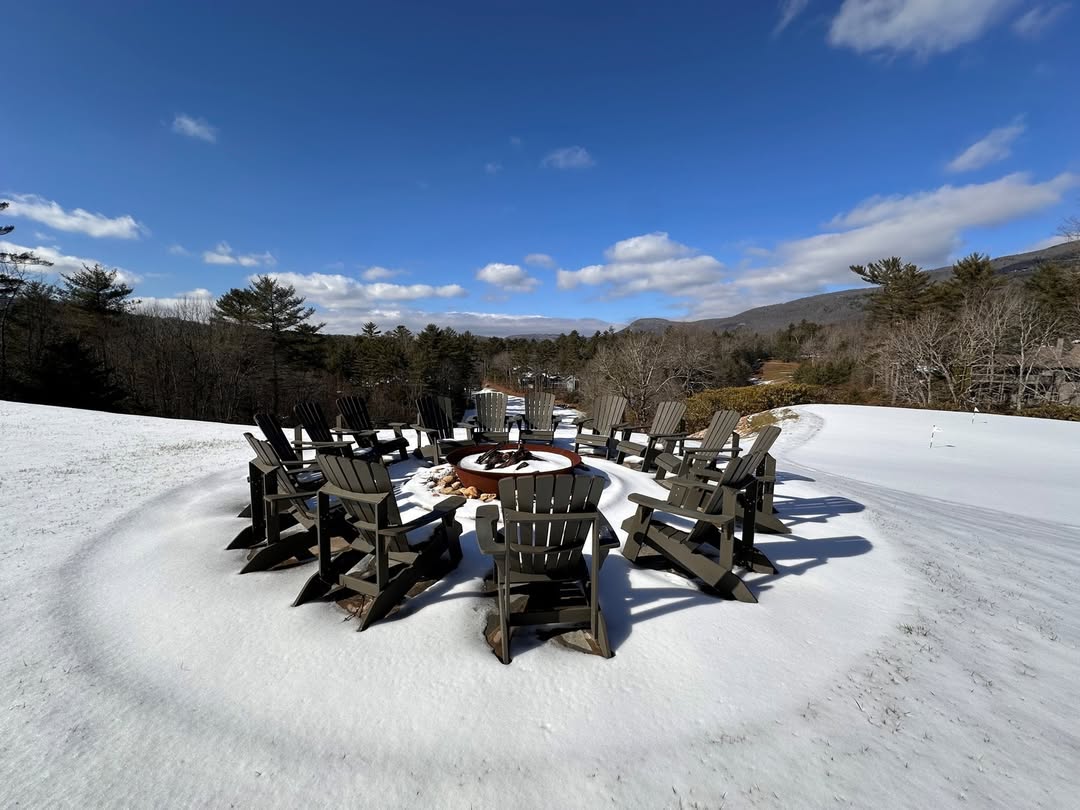
Your Winter Adventure Awaits
Western North Carolina’s mountains in winter offer experiences unavailable in any other season. The beauty, the solitude, and the satisfaction of moving through a demanding environment with skill and confidence make winter hiking one of mountain living’s greatest rewards.
From Burlingame’s location at 3,000 feet, dozens of excellent winter hiking trails are within easy reach. Whether you’re seeking a short walk to see frozen waterfalls or a challenging full-day ridge hike with panoramic views, the mountains await.
Ready to explore Western North Carolina’s winter wilderness? Connect with Burlingame Country Club’s hiking community by calling (828) 966-9200. Learn about current trail conditions, upcoming group hikes, and how membership provides access to a community that embraces mountain living through all seasons.