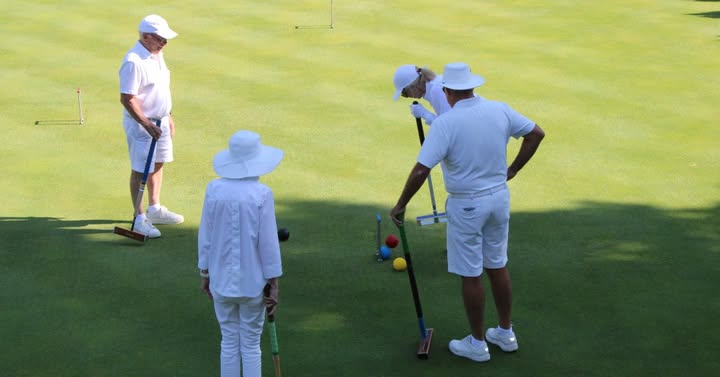
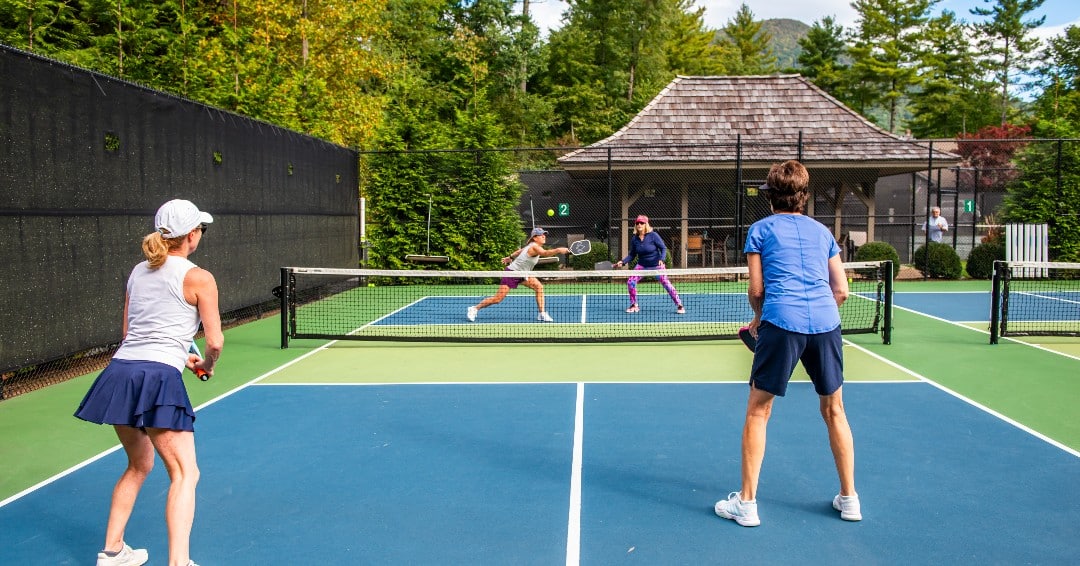
Most athletes come to yoga reluctantly. They’ve heard it’s good for them, someone at the club mentioned it, maybe they’re nursing a tight hip or a cranky lower back. They show up expecting to feel out of place and leave surprised by how hard it actually is and how much better their body feels the next morning.
At Burlingame Country Club’s Rejuvenate Wellness Center, yoga classes are designed with exactly that person in mind. Not the experienced yogi. The golfer who hasn’t touched their toes in a decade. The tennis player whose shoulder stops rotating the way it used to. The pickleball regular whose knees are talking back after a long week on the courts.
The connection between yoga and racquet and club sports is more direct than most people realize. It’s not about relaxation, though that’s a benefit. It’s about building the physical qualities that make you move better on the course and the court.
What Yoga Actually Does for Athletic Performance
Flexibility gets most of the attention, and it matters. But yoga does several other things that athletic bodies specifically need.
It builds functional strength in positions that gym machines can’t replicate. Holding a warrior pose for sixty seconds requires leg, hip, and core engagement that transfers directly to the athletic stance you hold during a rally or the setup position at address.
It trains proprioception, which is your body’s awareness of where it is in space. Balancing poses that feel simple until you try them develop the same neural pathways that keep you stable on an uneven lie or help you change direction quickly on the court.
It teaches controlled breathing under physical stress. When you’re working through a difficult sequence and you focus on keeping your breath steady, you’re practicing the same regulation that keeps you calm over a four-foot putt or during a tiebreak.
And it creates body awareness that shows up in useful ways. Golfers who practice yoga regularly start to notice exactly what their hips are doing at transition. Tennis players feel the difference between a loose shoulder turn and a restricted one. These aren’t things you can think your way into. You have to feel them first.
For Golfers
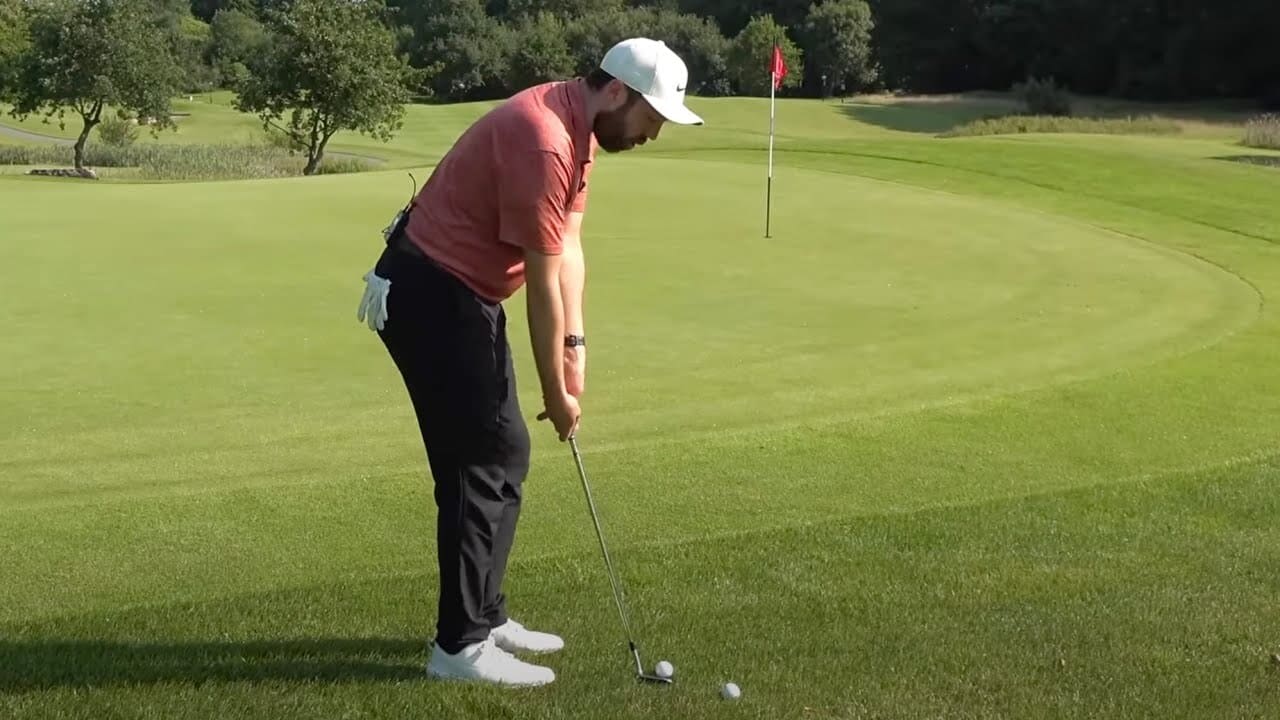
The golf swing requires a specific combination of mobility and stability that most training approaches don’t develop particularly well. You need your thoracic spine to rotate freely while your lower body stays anchored. You need open hips to complete your backswing without swaying. You need enough hamstring flexibility to maintain your spine angle through impact.
Yoga addresses all of these, and it does it through movement rather than isolated stretching.
The thoracic rotation work in yoga classes, the twists and the chest-opening poses, directly improves your ability to coil in the backswing. Players with restricted mid-back mobility compensate by swaying or lifting, which throws off the whole swing. Even two or three months of regular yoga practice can produce noticeable improvement here.
Hip mobility is the other big one for golfers. Pigeon pose, lizard pose, and their variations open the hip flexors and external rotators in ways that feel uncomfortable at first and then become something you look forward to. More hip mobility translates to a fuller turn and better weight transfer, which is the physical foundation of consistent ball-striking.
Lower back tightness is one of the most common complaints among club golfers. The combination of long drives, walking uneven terrain, and the repetitive rotation of the golf swing puts real demands on the lumbar spine. Yoga’s emphasis on core strength and spinal flexibility builds the support structure that keeps that area healthy.
For Tennis Players
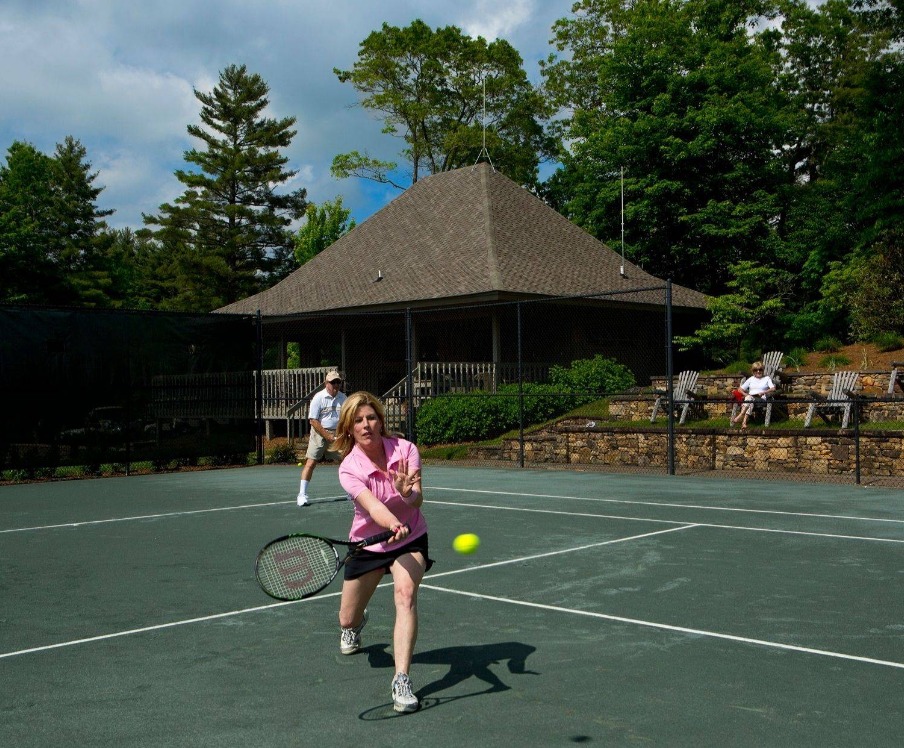
The shoulder is the most obvious area of concern for tennis players, and yoga works well here. The rotator cuff requires both strength and flexibility to move through the ranges of motion a serve demands, and poses that open the chest and work internal and external shoulder rotation help maintain that balance.
But the bigger gift yoga offers tennis players might be in the hips and hamstrings. The explosive lateral movement of tennis shortens and tightens the hip flexors and adductors over time. Stiff hips mean restricted footwork, and restricted footwork means late contact and reduced court coverage.
Yoga’s hip work counters this directly. The lunge variations teach the body to open up through the hip crease under load, which is the same motion you need when stretching wide for a backhand on the run. Players who add yoga to their routine often notice the difference in court coverage before they notice it anywhere else.
Balance training in yoga also helps tennis players specifically. Single-leg balance poses develop the proprioceptive stability that allows you to hit from open stances and recover position quickly. The ability to load weight onto one leg without wobbling makes a real difference when you’re sliding wide on clay and need to push back to center.
For Pickleball Players
Pickleball puts different demands on the body than either golf or tennis. The game is played mostly close to the kitchen line, which means a lot of time in a bent-knee, forward-lean stance. That’s a hip flexor and quad workout whether you realize it or not, and it can compress the lower back if the supporting muscles aren’t doing their job.
The core work in yoga builds the anti-rotation strength and hip stability that supports that stance for extended play. Players who have done yoga regularly often find they can sustain longer sessions without the lower back fatigue that used to show up by the third game.
Hand and wrist flexibility matter in pickleball more than in most sports because of how much dinking and reset work involves touch at unusual angles. Yoga’s wrist stretches and the weight-bearing on the hands in poses like downward dog build both flexibility and supporting strength in the forearms and wrists.
Quick lateral changes of direction, the defining physical demand of pickleball, rely on ankle stability and hip mobility working together. Yoga builds both. The balance poses and the deep lunge variations specifically address the foot and ankle proprioception that keeps you stable when you’re lunging for a wide dink or sliding to cut off an angle.
The Three Yoga Offerings at Rejuvenate
Burlingame’s Rejuvenate Wellness Center offers three distinct yoga classes, which reflects the reality that one format doesn’t work for everyone.
The general yoga class covers a full range of poses and sequences that work for athletes at any flexibility level. If you haven’t done yoga before, this is the starting point.
Private yoga coaching is available for members who want personalized instruction. This is particularly useful if you have specific athletic goals, a recurring injury pattern you’re working around, or simply want individual attention to make sure you’re building the right habits from the start.
The third offering combines yoga with targeted stretching sequences designed specifically for golf and tennis. If you want yoga’s benefits but want them connected directly to your sport, this is the format worth trying.
The Rejuvenate team can walk you through which class makes the most sense for where you are right now. Nothing about what they offer requires prior experience or a certain level of fitness.
Starting Without Overthinking It
The most common reason athletes don’t try yoga is that they expect to be bad at it. You will be. That’s entirely normal and not the point. The point is that the areas of your body you struggle with in yoga are almost always the same areas limiting your athletic performance.
Tight hips in warrior pose? Your golf swing is probably restricted there too. Shaky single-leg balance? Your footwork on the court is likely compensating for the same instability. The class shows you exactly where you need work, and then it works on it.
Start with one class per week and give it six weeks before deciding how you feel about it. Most athletes who commit to that initial window come out the other side with better mobility, less stiffness, and at least one thing about their sport that feels noticeably freer.
To learn more about yoga classes and scheduling at Rejuvenate, call Burlingame Country Club at (828) 966-9200.