The Mental Side of Golf: How to Stop Sabotaging Your Own Round

The Mental Side of Golf How to Stop Sabotaging Your Own Round

You’ve hit the shot a hundred times on the range. Smooth takeaway, solid contact, ball goes where you aimed it. Then you step onto the 14th tee at Burlingame with the Horsepasture valley dropping away to your left, your playing partner watching, and two bogeys already on the card. Suddenly the swing that felt automatic feels like you’re operating borrowed equipment.

That’s golf. And it’s almost entirely in your head.

The physical skills matter, obviously. But most golfers at the club level already have enough technique to score better than they do. What holds them back isn’t the swing. It’s the thinking that happens between shots, over the ball, and after mistakes. Fix that, and you’ll shoot lower without changing a single mechanical thing.

How to Stop Sabotaging Your Own Round

The Interval Problem

In baseball, a batter faces a pitch roughly every 20 seconds. A basketball player rarely has more than a few seconds between touches. In golf, you might hit the ball once every four or five minutes. The rest of the time, you’re walking, riding, waiting, and thinking.

Most of that thinking isn’t helpful.

The brain doesn’t distinguish well between imagining something bad and actually experiencing it. When you spend the cart ride to your ball replaying the snap hook you just hit, or worrying about the water hazard on the next hole, your nervous system responds with low-grade stress that tightens your grip, shortens your backswing, and makes you swing faster than you should.

The mental game is largely about managing those intervals. Not filling them with positive affirmations or fake confidence. Just keeping them neutral and present rather than backward-looking or anxious.

Build a Pre-Shot Routine and Protect It

A pre-shot routine is the single most effective mental skill in golf. It’s not superstition. It’s a mechanism for transitioning your brain from general thinking mode into execution mode, and doing it the same way every time builds consistency because the routine itself becomes a trigger.

A good routine has a few elements:

Assessment happens behind the ball. Stand behind the shot line, pick your target, consider the wind, choose your club, and commit to what you’re doing. This is your thinking window. Use it fully.

Visualization comes next. See the shot you want. Ball flight, landing spot, shape. This doesn’t need to take long. Five seconds of clear mental imagery is enough. You’re not trying to will the ball there. You’re just pointing your brain in the right direction.

Address is automatic. Once you step into the shot, your analytical mind should step back. Set your feet, take your grip, and go. The more time you spend standing over the ball thinking, the worse you’ll hit it. Trust the preparation that happened behind the ball.

One swing thought maximum. If you have a mechanical thing you’re working on, one thought is fine. More than one creates paralysis. Pick the most important one and let the rest go until after the round.

The key is doing this the same way every time. Same sequence, same timing, same feel. Under pressure, your routine is what keeps you anchored.

How to Handle Bad Holes Without Letting Them Become Bad Rounds

Every golfer has a version of this: a bad hole turns into two bad holes, which turn into a bad back nine, which turn into a story you’re telling over dinner about how you had it and lost it.

The hole is over when you write down the score. That’s it. Whatever happened is done, and the next tee box has no memory of it.

This sounds obvious. It isn’t easy. Here’s what actually helps.

Give yourself one full minute to be frustrated. Seriously. Walk off the green, feel whatever you feel, say something under your breath if you need to. Let it out. Then, by the time you reach your bag or the cart, it’s done. You’ve had your minute. You move on.

The players who recover from bad holes fastest are the ones who do this consistently. Not the ones who pretend they’re not bothered, and not the ones who carry it for three holes. One minute of honest reaction, then full release.

What you’re walking toward matters more than what you’re walking away from. Shift your attention to the next shot, not the last one.

Water, OB, and the Shots That Scare You

Certain holes just get in your head. You’ve hit the water on 7 twice before, and now you stand on that tee box thinking about the water before you’ve even pulled a club. That’s a self-fulfilling situation if you let it develop.

The fix is specific. Don’t tell yourself “don’t hit it in the water.” Your brain processes the word “water” and fixates on it regardless of the “don’t.” Instead, identify exactly where you want the ball to go and think only about that target. The big oak tree on the right side of the fairway. The left edge of the bunker. A specific point in the distance. Your mind will follow a clear positive target better than it follows a warning.

Commit to the shot you’ve chosen. Indecision at address is a guaranteed miss. If you’re between a 6 and 7 iron and you step up to the ball still thinking “maybe I should have gone with the 6,” back off and make the decision. Then step back in with full commitment. Half-hearted swings produce half-hearted results.

Managing Expectations on the Course

A lot of self-inflicted mental damage comes from expecting to shoot better than you’re capable of right now.

If you’re a 15-handicap, your expected score is around 87. That means you should expect a mix of bogeys, a few doubles, an occasional par, and maybe a birdie if things are going well. When a double bogey appears on the card, that’s not a catastrophe. It’s a 15-handicap having a 15-handicap hole.

Expecting to make pars on every hole you don’t birdie creates pressure that doesn’t belong there. Play to your actual game, not the game you think you should have.

At Burlingame specifically, where the mountain terrain creates shots you don’t practice anywhere else, give yourself extra grace on holes that genuinely challenge you. An awkward sidehill lie above 3,000 feet isn’t the same as a flat lie at your home course. Bogey on those holes is fine golf.

The Score-Watching Trap

Most golfers track their score too closely during the round. You’re on the 11th hole, you’ve done the math, and you know you need to go 2-over on the back nine to break 90 for the first time. That knowledge doesn’t help you hit the next shot. It adds weight to it.

Try this: don’t calculate your total until the round is over. Play hole by hole. Your only job on any given shot is to play that shot. One shot. Not the hole, not the back nine, not the total.

This is genuinely easier said than done, but it’s trainable. When you catch yourself doing the math, notice it, and deliberately return your attention to the target in front of you. That redirect is the skill. You’ll have to do it dozens of times during a round, especially at first.

After the Round

How you talk about your round matters. Players who immediately catalog every mistake they made, replaying bad shots in detail, are reinforcing those patterns in their memory. What you narrate becomes what you remember.

Acknowledge what went wrong briefly. Then spend more time on what worked. The chip you got up and down on 6. The long par putt you made on 9. The drive on 16 that went exactly where you aimed it. Your brain learns from what you pay attention to.

This isn’t self-deception. It’s deliberate attention management. The bad shots happened. You don’t need to relive them to learn from them.

Mountain Golf - Essential Stretches and Range Drills

The First Tee Moment

You’ve done the work. Your body is prepared, your mind is clear, and you’ve practiced the shots you’ll need. Now it’s time to play.

Take one last deep breath on the first tee. Feel the mountain air, appreciate the view, and remember why you’re here. You’re about to play a championship golf course in one of the most beautiful settings in Western North Carolina. That’s worth celebrating regardless of what the scorecard says.

Trust your preparation. Your warmup has given your body the best chance to perform. Now let it happen.

A proper pre-round warmup doesn’t guarantee a great round, but it dramatically increases your odds. At Burlingame Country Club, where the mountain terrain and elevation present unique challenges, taking these 30 minutes seriously can be the difference between posting your best score and fighting your game all day.

Your body is an athlete’s tool. Treat it with respect, prepare it properly, and it will reward you with better golf and fewer aches after the round. That’s a win-win worth committing to.

Ready to put these warmup strategies into action on one of the finest mountain golf courses in the region? Call Burlingame Country Club at (828) 966-9200 to schedule your tee time and experience championship golf where preparation meets elevation.


Burlingame Country Club serves as a perfect setting for learning the game of golf.

Twilight Golf at Burlingame: Why Late-Afternoon Rounds Are Worth Setting Down Your Drink For

Croquet Etiquette and Club Play

Late-Afternoon Rounds

There’s a window of time at Burlingame Country Club, usually somewhere around 5 o’clock on a summer evening, when the mountain light goes amber and the course turns quiet. The morning crowd has finished up. The afternoon heat has backed off. The Horsepasture River catches the last of the sun through the trees, and you’ve got the back nine largely to yourself.

If you haven’t played a twilight round at Burlingame, you’re missing one of the better things this club has to offer.

Golf at Burlingame (2)

What Makes Twilight Golf Different

The obvious draw is pace. Fewer players on the course means you’re not waiting on every tee box, not watching the group ahead of you spend four minutes finding a ball in the rough. You walk up, you play, you move on. A round that might take four and a half hours in the morning can come in under three in the evening.

But it’s more than just speed.

The light at 3,000 feet in late afternoon does something that’s hard to describe until you’ve seen it. The shadows get long and sharp across the fairways. The ridgelines pick up a blue-gray tint. The greens look almost luminescent against the darker tree lines behind them. You’re playing the same holes you’ve played a hundred times, but they look completely different.

Temperature is another thing entirely. Burlingame runs cool compared to the flatlands even in July, but by 5 or 6 in the evening, you’ve dropped another five to ten degrees. A light layer is often welcome by the time you finish. That’s not a complaint.

How to Adjust Your Game for Evening Conditions

A few things change when you play in the evening that are worth knowing before you tee it up.

Shadows and depth perception. Long shadows running across fairways can mess with your depth perception, especially on approach shots. A shadow cutting across the fairway between you and the green can make a 150-yard shot look shorter or longer than it is. Trust your rangefinder or GPS, not your eyes.

On the greens, shadows can either help or hurt your read. Sometimes the relief in the terrain shows up more clearly in low-angle light, which actually makes green reading easier. Other times, a shadow across the line of your putt creates an optical illusion about break. Pay attention to the actual slope, not the visual line created by shadow.

Green speed tends to pick up. As the temperature drops and the dew hasn’t yet settled, evening greens often run a touch faster than they did at midday. The grass isn’t stressed from heat, and the surface firms up as the day cools. Expect your putts to be slightly quicker, especially downhill.

The wind changes. Mountain evenings bring a consistent downhill flow as cooler air slides off the higher ridges. If you’ve played Burlingame in the morning, you’ll recognize that the wind is often coming from a completely different direction by evening. Check it on the first couple of holes and adjust your club selection accordingly.

Ball flight looks different. This is subtle but real. Against a brighter sky, it can be harder to track your ball in the air. Wear sunglasses if the sun is still in the west and you’re hitting into it. Colored balls, yellow in particular, are easier to track in lower light.

Pacing Yourself Through a Twilight Round

Twilight rounds are usually nine holes, though 18 is sometimes possible depending on the time of year and when you tee off. If you’re playing 18, know your cutoff time and let the pro shop help you plan accordingly. There’s nothing fun about being stuck on 14 when the light is truly gone.

If you’re playing nine, think carefully about which nine. The back nine at Burlingame tends to play more dramatic as the light fades because of the elevation changes and the river holes. A lot of members will tell you the back nine in the evening is as good as golf gets here.

Bring a light jacket in your bag regardless of how warm it feels when you start. You’ll want it by the last few holes.

And slow down a little, even though the course is open. Twilight rounds have a way of getting rushed because you’re watching the light and thinking about finishing. That’s the wrong instinct. The pace is the whole point. Let yourself stand on a tee box and actually look at what’s around you before you hit.

A Few Practical Things to Know

Twilight rates are typically lower than standard green fees, which makes evening rounds an easy choice if you’re already out at the club later in the day. Check with the pro shop on current pricing and available tee times.

Carts are usually still available, though walking a twilight round is genuinely worth trying if your legs are up for it. The quiet of an evening walk on a nearly empty mountain course is one of those simple pleasures that’s hard to replicate.

Keep your eye on the clock. As beautiful as the evening light is, playing in actual darkness isn’t something the course or your scorecard needs. Give yourself enough time to finish comfortably.

Twilight Golf at Burlingame Why Late-Afternoon Rounds Are Worth Setting Down Your Drink For

The 19th Hole Has a Different Feel After a Twilight Round

There’s something particularly good about coming off the course at dusk, slightly cooler than when you started, and sitting down at the Overlook Lounge or the Deck with the last of the mountain light fading out over the fairways. The course empties, the evening settles in, and the conversation that happens after a good round with good company is exactly what a club is supposed to be for.

Twilight golf at Burlingame isn’t a consolation prize for people who couldn’t get a morning tee time. For a lot of members, it’s the preferred way to play.

Ready to book your next round? Call the pro shop at (828) 966-9200 and ask about twilight availability. You might find it becomes your new favorite time to play.

Burlingame Country Club serves as a perfect setting for learning the game of golf.

The Third Shot Drop vs. The Third Shot Drive: Choosing Your Weapon

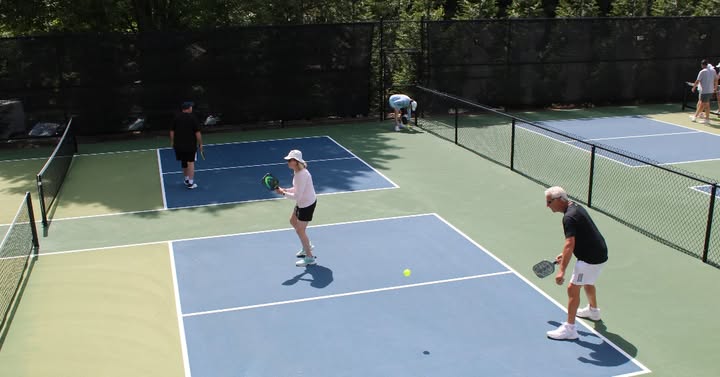
Pickleball at Burlingame County Club

Choosing Your Weapon

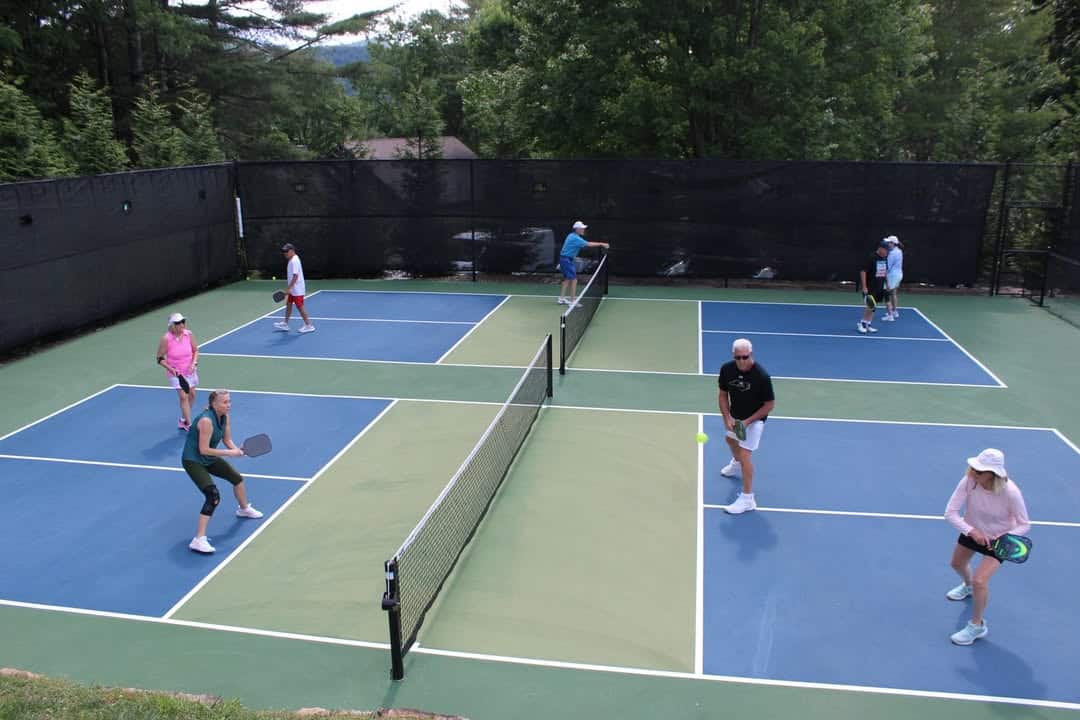
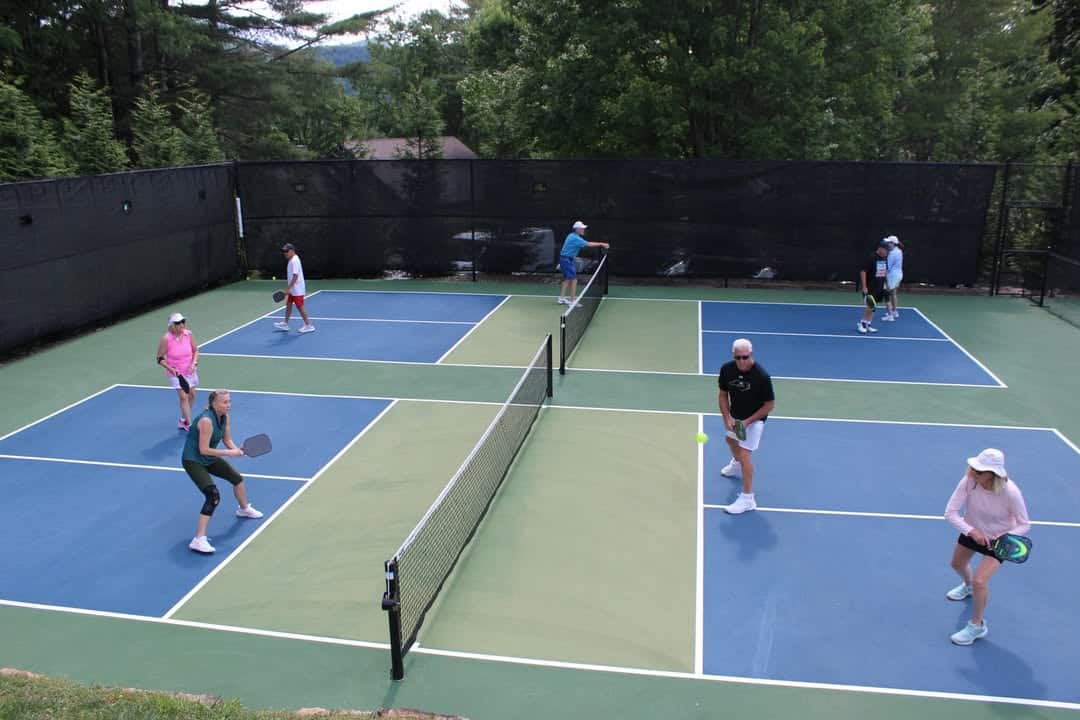
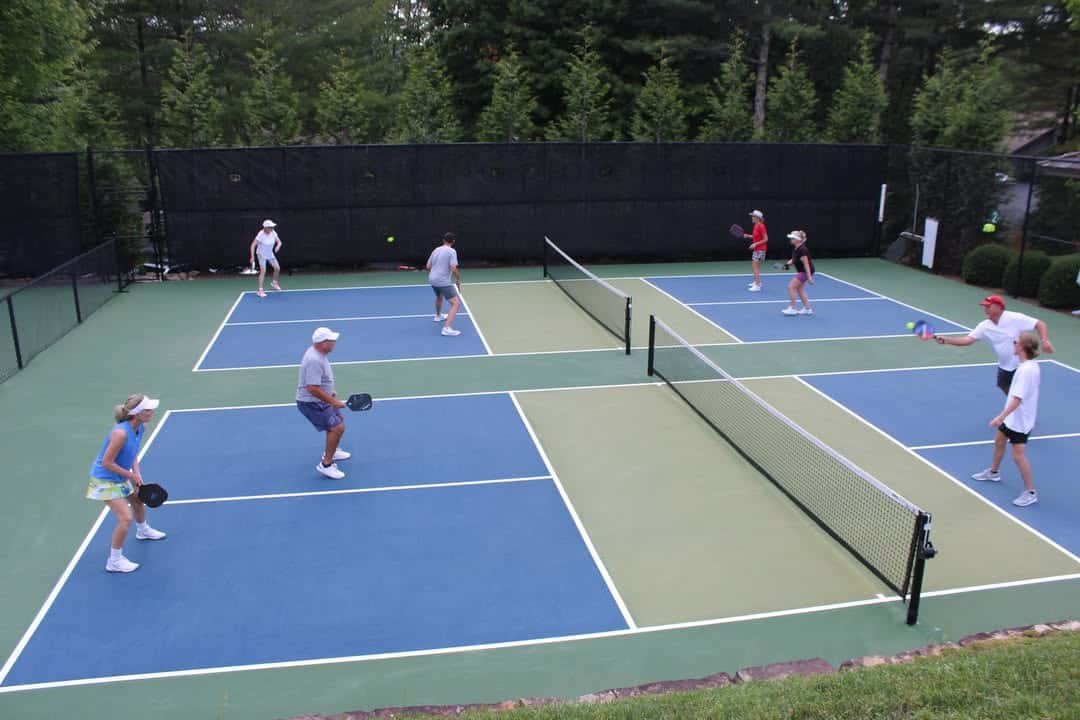
The third shot in pickleball might be the most important shot in the game. After the serve and return, this shot determines whether you’re moving forward to take control of the net or stuck on the baseline playing defense. At Burlingame Country Club’s four pickleball courts, players who master both the third shot drop and the third shot drive—and know when to use each—consistently outperform those who rely on just one option.

Here’s the reality: there’s no “better” shot between the drop and the drive. Each has its place, its strengths, and its ideal moments. The best players carry both weapons and choose strategically based on the situation, opponent, and score.

Pickleball at Burlingame County Club

Understanding the Third Shot Drop

The third shot drop is a soft, controlled shot that arcs over the net and lands in your opponents’ kitchen, ideally close to the kitchen line. The goal isn’t to win the point outright—it’s to neutralize your opponents’ advantage at the net and allow you and your partner to move forward.

When It Works Best: The drop is your go-to shot when opponents are positioned well at the net, ready to attack anything you hit with pace. By taking pace off the ball and placing it low in the kitchen, you force them to hit up, which gives you time to advance to the net yourself.

The Margin for Error: The beauty of the drop is its forgiveness. Even a drop that’s slightly high or slightly short is usually playable by you—it might not be perfect, but it keeps you in the point. Contrast this with a drive that goes long or into the net, which ends the point immediately.

Movement Advantage: The drop allows you to start moving forward immediately after hitting it. You know the ball is going to land soft in the kitchen, giving you time to take several steps toward the net before your opponents can hit their next shot.

Executing the Perfect Drop

The drop shot requires touch and feel more than power.

Stand with knees slightly bent, paddle face open (angled slightly upward), and make contact with the ball at or below waist level. Use a short, compact swing with minimal backswing. Think “push” rather than “swing.”

The ball should arc upward over the net, peak just past the net, and then drop sharply into the kitchen. Aim for the back third of the kitchen, near the kitchen line. This gives you margin for error—if you’re slightly short, it still lands in the kitchen; if you’re slightly long, it clears the line but forces your opponents to return from a difficult position.

Your weight should transfer forward through the shot, and you should immediately begin moving toward the net after contact. Don’t admire your shot—move.

Understanding the Third Shot Drive

The third shot drive is a low, hard groundstroke aimed at your opponents’ feet or at the middle between them. Unlike the drop, which seeks to neutralize, the drive seeks to pressure and potentially force an error or weak return.

When It Works Best: The drive is most effective when opponents are out of position, when you’ve received a short return that allows you to contact the ball aggressively, or when opponents have slow reflexes and struggle with pace.

The Risk-Reward: The drive is higher risk than the drop. If you execute perfectly, you might win the point outright or get a weak pop-up you can attack. If you miss slightly, the ball either goes long, into the net, or sits up for your opponents to put away.

Keeping Opponents Honest: Even if you primarily use the drop, occasionally mixing in a drive keeps opponents from creeping too close to the kitchen line. If they know you’ll never drive, they can position aggressively for drops.

Executing the Effective Drive

The drive requires controlled aggression.

Contact the ball between knee and waist level with a firm wrist. Unlike the drop, your swing has more backswing and follow-through. Drive through the ball with topspin to keep it from sailing long.

Aim low—at your opponents’ knees or feet. A ball hit at chest height is easy to volley; a ball at the feet must be lifted, giving you time to move forward. Target the middle between your opponents when possible, creating confusion about who should take it.

After hitting a drive, be ready to react. Your opponents might block it back firmly, requiring you to hit a volley or half-volley. Don’t blindly charge forward after a drive the way you would after a drop—read the return first.

When to Choose the Drop

Opponent Positioning: When both opponents are set up well at the net, knees bent, paddles up, ready to attack, the drop is your friend. Driving into this setup is playing into their hands.

Wind Conditions: In windy conditions, the drop is more reliable. The drive’s lower trajectory makes it more susceptible to wind pushing it long or off target.

When You’re Out of Position: If you’re forced deep or wide by a good return, the drop gives you time to recover position before the next shot. A drive from poor position is high risk.

Score Situations: When ahead in a game and playing to maintain your lead, the drop’s lower risk profile makes sense. Why force the issue when consistency wins?

Against Bangers: Players who love to hit hard often struggle with soft shots. If your opponents want pace, deny it to them with drops.

When to Choose the Drive

Short Returns: When you receive a return that lands short (inside the baseline), you have a prime opportunity to drive. You’re contacting the ball higher and can generate more pace safely.

Opponents Out of Position: If one or both opponents are caught out of position—too far back, leaning the wrong way, or off-balance—the drive can exploit that vulnerability immediately.

Momentum Shifts: When you need to change the pace and momentum of a game, the occasional drive shakes things up and keeps opponents from getting too comfortable.

Against Slow Reflexes: Some opponents struggle with pace. They can handle soft shots all day but freeze when you drive. Test this early and exploit it if true.

Surprise Element: Even if you’re primarily a drop player, the occasional drive out of nowhere can win you easy points because opponents aren’t expecting it.

The Setup: Reading the Return

Your decision between drop and drive often depends on the return you receive.

Deep Returns: When the return lands deep, near or behind your baseline, you’re contacting the ball from a defensive position. The drop is almost always the right choice here—driving from deep is low percentage.

Short Returns: Returns that land shallow (service line or shallower) give you an offensive opportunity. This is when the drive becomes viable because you can contact the ball higher and more forward in your stance.

High Returns: A return with significant height allows you to contact the ball at a comfortable height and generate pace. Consider the drive.

Low Returns: Returns that barely clear the net force you to hit up regardless of which shot you choose. The drop is slightly easier to execute from this position.

Combining Both in Sequences

Advanced players don’t choose one shot for the entire point—they adjust based on what each shot creates.

Start with a drop to neutralize and move forward. If your opponents give you a high return, drive the next ball. If they keep it low, continue dropping. The sequence might be: drop, drop, drive. Or drop, drive, drop. There’s no set pattern—read and react.

The ability to seamlessly transition between drops and drives within a single point keeps opponents off balance. They can’t settle into a rhythm if they don’t know what’s coming.

Practice Drills for Both Shots

Drop Drill: Have a partner at the net feed you balls from the baseline. Focus on getting 10 consecutive drops to land in the kitchen without missing. Increase difficulty by having your partner vary the feed depth and pace.

Drive Drill: Same setup, but practice driving balls at your partner’s feet or at the middle. Work on control and keeping balls low. Your partner gives immediate feedback on ball height and placement.

Decision Drill: Have your partner randomly feed you balls—some deep, some short, some high, some low. You must decide in real-time whether to drop or drive based on the feed. This simulates game conditions.

Sequence Drill: Play out points where you must hit a drop, then a drive, then a drop again, forcing you to switch between shots fluidly.

Common Mistakes to Avoid

Overusing One Shot: If you drop 100% of the time, opponents will position aggressively for it. If you drive constantly, you’ll make more errors than necessary. Mix them strategically.

Driving from Poor Position: The temptation to drive when you’re deep or off-balance is strong, but it’s low percentage. Have the discipline to drop when the situation calls for it.

Not Moving After Drops: The drop only works if you follow it forward. Hitting a drop and staying at the baseline wastes the shot’s purpose.

Predictable Patterns: If you always drop on the first third shot and always drive on short returns, opponents will read this and anticipate. Vary your patterns.

Mental Approach to Shot Selection

Stay adaptable. Before each third shot, quickly assess: Where are my opponents? Where am I? What kind of return did I get? What’s the score? These factors guide your decision.

Trust your instincts. With practice, shot selection becomes intuitive. You’ll feel when a drive is right versus when a drop is safer. Trust that feel.

Don’t get frustrated if one shot isn’t working. If your drops are getting attacked all game, shift to more drives. If your drives are sailing long, rely more on drops. Adjust based on results.

Pickleball - The Third Shot Drop vs. The Third Shot Drive Choosing Your Weapon

The Bottom Line

The third shot drop and third shot drive are both essential weapons in your pickleball arsenal. Great players at Burlingame’s courts don’t debate which is better—they master both and choose wisely based on the situation.

Practice both shots until they’re reliable. Develop the judgment to know when each is appropriate. Stay flexible and adjust based on opponents, conditions, and how your shots are performing that day.

The player who can drop when needed and drive when the opportunity arises is far more dangerous than the player who only has one option. Give yourself both tools, and watch your pickleball game rise to the next level.

Ready to master both the third shot drop and drive under expert guidance? Burlingame Country Club’s pickleball professionals can help you develop both shots and the strategic sense to use them effectively. Call (828) 966-9200 to schedule your lesson.

Burlingame Country Club's four pickleball courts

Pre-Round Warmup for Mountain Golf: Essential Stretches and Range Drills

Winter Hiking in WNC Burlingame

The First Tee Off

The first tee at Burlingame Country Club can be intimidating. You’re standing at 3,000+ feet of elevation, looking down a fairway carved through Western North Carolina’s mountain forest, with the pressure of a good round ahead. But here’s the truth: how you prepare your body in the 30 minutes before that first swing often determines whether you’ll play your best golf or fight your swing all day.

Mountain golf demands more from your body than you might realize. The cooler temperatures, especially during morning rounds, mean your muscles need extra time to wake up. The elevation changes throughout the course require flexibility and balance. And the mountain terrain itself—uneven lies, uphill and downhill shots—tests your body’s ability to maintain posture and generate power from unconventional positions.

Pre-Round Warmup for Mountain Golf

Why Mountain Golf Requires a Different Warmup Approach

At sea level on a warm day, you might get away with hitting a few balls and heading to the first tee. Not here. The mountain environment changes everything about how your body performs.

Cold morning air tightens muscles faster. Even in summer, Burlingame’s early rounds can start in the 50s or low 60s. Your body simply doesn’t move the same way at those temperatures. Tendons and ligaments need more time to become pliable, and joints need more lubrication to move freely.

Elevation affects your breathing and heart rate. If you’re not accustomed to mountain altitude, you’ll notice your cardiovascular system working slightly harder. A proper warmup helps your body adjust to the thinner air before you ask it to make explosive golf swings.

The course’s terrain demands full-body flexibility. You’ll hit shots from uphill lies, downhill lies, and side-hill stances that require balance and rotation from positions you rarely practice. Preparing your body for these challenges prevents compensations that lead to poor shots and potential injury.

The 30-Minute Pre-Round Timeline

Here’s how to structure your warmup when you arrive at Burlingame. This timeline assumes you’re starting 30 minutes before your tee time—the minimum you should give yourself for proper preparation.

Minutes 30-25: General Warmup and Mobility (5 minutes)
Start with light movement to raise your core temperature and get blood flowing to your muscles.

Minutes 25-15: Dynamic Stretching and Golf-Specific Movements (10 minutes)
Focus on flexibility and range of motion in the movements you’ll use during your round.

Minutes 15-5: Range Work and Ball-Striking (10 minutes)
Progress from short clubs to long clubs, building rhythm and confidence.

Minutes 5-0: Putting and Chipping, Mental Preparation (5 minutes)
Fine-tune your feel for speed and distance while getting your mind right.

General Warmup: Getting Your Body Ready

Start with walking. Don’t head straight to the range and start swinging. Walk briskly from the parking lot to the clubhouse, or take a lap around the practice area. This simple activity raises your heart rate and body temperature gradually.

Do some arm circles while you walk. Start small and gradually make them bigger. This loosens your shoulder joints and gets blood flowing to your upper body. Forward circles, backward circles—make it dynamic, not static.

Leg swings prepare your hips and lower body. Hold onto a golf cart or fence post for balance, then swing one leg forward and backward like a pendulum. Do 10-15 swings per leg. Then swing side to side across your body. Your hips will thank you on those uneven lies later.

Torso rotations wake up your core. Stand with feet shoulder-width apart, hands on your hips or crossed on your chest. Slowly rotate left and right, gradually increasing the range of motion. Feel your spine warming up and your obliques engaging. Do this for 30 seconds.

Dynamic Stretching: Golf-Specific Flexibility

Forget the old-school static stretches where you hold a position for 30 seconds. Dynamic stretching—movement-based flexibility work—is far more effective for golf preparation.

The Windmill Stretch: Stand with feet wider than shoulder-width. Reach down and touch your right hand to your left foot while extending your left arm toward the sky. Alternate sides for 10 reps per side. This opens up your hamstrings and thoracic spine—crucial for maintaining posture during your swing.

Walking Lunges with Rotation: Take a long step forward into a lunge position, then rotate your torso toward the front leg. This combines hip flexibility with rotational mobility. Do 5-6 lunges per leg. Your body will use this exact movement pattern on uphill approaches.

The Scorpion Stretch: Lie face down, arms extended to the sides. Lift your right leg and cross it over your body, trying to touch your foot to your left hand. This deep hip and lower back stretch is gold for golfers. Do 5 per side slowly and controlled.

Shoulder Rotations with Club: Hold a club horizontally with both hands, arms extended at shoulder height. Rotate the club overhead and down behind your back as far as comfortable, then reverse. This mobility drill prepares your shoulders for the full range of motion required in your backswing. Do 10-12 reps.

The Cat-Camel: On your hands and knees, alternate between arching your back (looking up) and rounding it (looking down). This spinal mobility exercise is simple but incredibly effective. Do 10-12 cycles. Your back maintains the swing plane—keep it healthy and mobile.

Side Bends with Club: Hold a club overhead with both hands, arms extended. Bend laterally to the right, then to the left. Feel the stretch along your obliques and lats. These muscles control your lateral movement and help prevent swaying. Do 8-10 per side.

Golf-Specific Movement Patterns

Now transition into movements that mimic your golf swing without hitting balls yet.

Slow-Motion Swings: Make 10-15 swings without a club, moving in slow motion through your entire range. Feel each position—address, takeaway, top of backswing, transition, impact, follow-through. This rehearses the neural pathways and identifies any tight spots that need more attention.

Balance Drills: Stand on one leg and hold your finish position for 10 seconds. Switch legs. This challenges your balance system and activates the stabilizer muscles you’ll need on uneven lies. If you wobble, your body is telling you it needs more warmup time.

Mini-Band Work (if you carry resistance bands): Place a mini-band around your legs just above your knees. Take your golf posture and make small swings while maintaining tension against the band. This activates your glutes and reminds your lower body to stay stable during your swing. Do 10-15 swings.

The Airplane Drill: Hold a club horizontally at shoulder height and rotate it back and forth, keeping your hips still. This isolates upper body rotation and reinforces the feeling of coiling against a stable lower body. Do 15-20 rotations.

Range Work: Building Rhythm and Confidence

Now you’re ready to hit balls. But don’t just grab your driver and start ripping shots. Build progressively.

Start with your wedge and make half-swings. Focus on clean contact and tempo, not distance. Hit 5-7 balls with smooth, controlled motion. Feel the club making solid contact with the ball.

Move to a mid-iron (7 or 8-iron) with three-quarter swings. Still focusing on rhythm and balance. Hit another 5-7 balls. Gradually increase your swing speed, but keep it under control. You’re warming up, not trying to impress anyone.

Hit a few balls with a hybrid or fairway wood. These clubs require different swing thoughts than irons—more sweeping, less descending. Get comfortable with that motion. 4-5 balls is enough.

Now—and only now—pull out your driver. Make a few slow-motion swings without a ball to feel the timing of this longer club. Then hit 5-6 drives, gradually building to full speed. Focus on balance and finish position, not maximum distance.

Finish your range session by going back to a wedge. Hit 3-4 more approach shots. This reconnects you with the control and feel you’ll need on your first few holes.

Short Game Warmup: Touch and Feel

Head to the practice green with 10-15 minutes remaining before your tee time. This is where you dial in the feel that translates directly to scoring.

Chipping: Drop 3-4 balls at various distances around the green. Hit different shots—low runners, high flops, and everything in between. The goal isn’t perfection; it’s to calibrate your hands for the speed of the greens and the lie conditions you’ll face.

Putting Distance Control: Start with long putts (30-40 feet). Hit 4-5 balls to various holes, focusing entirely on speed, not line. Can you consistently get within 3 feet? That prevents three-putts before they start.

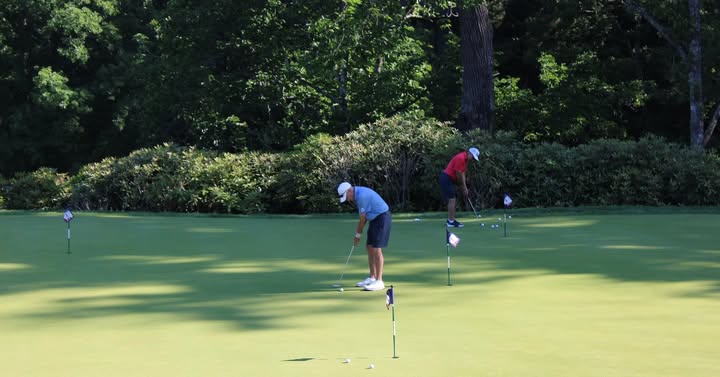
Make Five Putts: Pick a hole and drop 5 balls at 4-6 feet. Make all five before you leave. This builds confidence and gives you a feel for how putts are breaking. If you struggle to make them, the greens are probably faster or slower than you expected—adjust accordingly.

Practice Your First Putt: If you know which hole you’re starting on, practice a putt similar to what you might face. Starting on a severely uphill par 5? Hit a few uphill lag putts. Beginning with a downhill par 3? Practice some downhill sliders. This mental preparation is as valuable as the physical practice.

Temperature-Specific Adjustments

Cool Morning Rounds (Below 60°F): Add 5 minutes to your warmup. Spend extra time on dynamic stretching. Keep a light jacket or vest on until just before you hit balls. Consider making a few more half-swings with each club to build heat in your muscles.

Hot Summer Days (Above 80°F): You can trim a few minutes off the warmup, but don’t skip it entirely. Focus on staying hydrated. Your muscles will be pliable quickly, but your cardiovascular system still needs time to prepare for the walk and the round.

Windy Conditions: Spend extra time on balance drills. Wind will challenge your stability throughout the round. Practice making swings while actively pushing against the wind—this reinforces the feeling of staying centered and in control.

After Rain: If the course is soft, hit a few more shots from the turf rather than off a mat to get used to taking divots in soft conditions. The ball will come off differently, and your body needs to feel that before it matters.

Mental Preparation During Warmup

Your warmup isn’t just physical. Use this time to get your mind right too.

Set realistic goals for the round. You’re not trying to shoot your career-best score today. You’re playing one shot at a time, committing to your decisions, and enjoying Burlingame’s beautiful course. This mindset reduces pressure.

Visualize success on key holes. If there’s a hole that typically gives you trouble, mentally rehearse executing a good tee shot or approach. See the ball flight you want. Feel the smooth swing that produces it.

Practice your breathing. On the practice green, between putts, take three slow, deep breaths. In through your nose for four counts, out through your mouth for six counts. This activates your parasympathetic nervous system and keeps you calm. Use this same breathing on the course when tension builds.

Equipment Checks During Warmup

While you’re warming up, verify that everything is in order. Do you have enough golf balls? Tees? Ball markers? Is your rangefinder or GPS charged? Are your clubs clean?

Check the wind direction and speed. This tells you how your ball will behave on your opening tee shot. A left-to-right wind on the first hole means you might need to aim further left than normal.

Confirm your playing partners and tee time. A last-minute change in pairing or a moved-up time can throw off your preparation. Stay aware and flexible.

Common Warmup Mistakes to Avoid

Starting Too Late: Rushing through your warmup or skipping parts creates tension and increases injury risk. Arrive early enough to do this right.

Hitting Too Many Balls: More isn’t better. Quality beats quantity. Hit 30-35 balls total, focusing on tempo and feel, not ball-beating.

Skipping the Short Game: You’ll hit far more putts and chips than drivers during your round. Spending 70% of your range time on full swings makes no sense.

Not Adapting to Conditions: If the range is into the wind and the first hole is downwind, recognize that your ball flight will be different. Don’t assume range performance predicts on-course results.

Trying to Fix Your Swing: The warmup is not the time to make mechanical changes. Work with what you have today. Swing thoughts and tips can wait until after the round.

Post-Warmup Final Checklist

Before heding to the first tee:

  • Have you hydrated? Drink water during your warmup, not just after.
  • Is your body warm and loose? No tight spots or restricted movement?
  • Do you have a clear plan for the first hole?
  • Is your mind calm and focused?
  • Are you excited to play rather than anxious about your score?

If you can answer yes to all of these, you’re ready. Head to the tee with confidence.

Mountain Golf - Essential Stretches and Range Drills

The First Tee Moment

You’ve done the work. Your body is prepared, your mind is clear, and you’ve practiced the shots you’ll need. Now it’s time to play.

Take one last deep breath on the first tee. Feel the mountain air, appreciate the view, and remember why you’re here. You’re about to play a championship golf course in one of the most beautiful settings in Western North Carolina. That’s worth celebrating regardless of what the scorecard says.

Trust your preparation. Your warmup has given your body the best chance to perform. Now let it happen.

A proper pre-round warmup doesn’t guarantee a great round, but it dramatically increases your odds. At Burlingame Country Club, where the mountain terrain and elevation present unique challenges, taking these 30 minutes seriously can be the difference between posting your best score and fighting your game all day.

Your body is an athlete’s tool. Treat it with respect, prepare it properly, and it will reward you with better golf and fewer aches after the round. That’s a win-win worth committing to.

Ready to put these warmup strategies into action on one of the finest mountain golf courses in the region? Call Burlingame Country Club at (828) 966-9200 to schedule your tee time and experience championship golf where preparation meets elevation.

Burlingame Country Club serves as a perfect setting for learning the game of golf.

Pro Tips from the Fairway: Mark Calcavecchia’s Guide to Better Golf

The Ultimate Guide to Choosing the Best Tennis Gear to Improve Your Game copy

When it comes to golf, few know the ins and outs of the game better than Mark Calcavecchia. A major champion and winner of 13 PGA Tour events—most notably his victory at the 1989 Open Championship—Mark now brings his wealth of experience to the serene mountain setting of Burlingame Country Club, where he and his family are proud members.

Drawing from his years on tour, Calcavecchia offers practical advice that resonates with golfers of all levels. Whether you’re a weekend warrior or an aspiring pro, his tips are rooted in the fundamentals that made him a success on golf’s biggest stages.

Short Game is Everything

Calcavecchia emphasizes the importance of putting in the work around the green. He recommends focusing on chipping out of bunkers and learning how to consistently get down in two putts from just off the green. Sharpening this part of your game can make a significant difference in scoring and consistency.

Think Your Way Around the Course

Course management is another pillar of his philosophy. Driving the ball in the fairway is essential—but so is caution on the greens. Putting from above the hole? Tread carefully. A smart approach can save strokes even when your swing isn’t perfect.

Start Strong

The first few holes often dictate the rhythm of a round. Calcavecchia stresses the importance of a solid opening stretch—especially the first four holes—as a way to build confidence and momentum.

Confidence is Key

Calcavecchia underscores the value of believing in your game, especially when the pressure is on. Confidence, he believes, is a critical ingredient for playing well—whether you’re competing in a major or just trying to finish strong in a casual round. A positive mindset can go a long way in helping golfers perform their best when it counts.

Practice with Purpose

Instead of spending endless hours hitting balls on the range, Calcavecchia recommends quality over quantity. Young golfers, in particular, benefit more from focused, thoughtful practice than mindless repetition. This approach allows them to refine their skills and develop a deeper understanding of their game. Additionally, utilizing golf handicap calculation tools can provide valuable insights into their progress, helping them set realistic goals and track improvement over time. By concentrating on meaningful practice sessions, young golfers can accelerate their development and enhance their overall performance on the course.

Play Often at Burlingame Country Club

Finally, there’s no substitute for time on the course. He advises playing at least once or twice a week to keep your skills sharp and instincts fresh.

At Burlingame, Mark continues to enjoy the game he loves as part of the club’s vibrant golfing community. Whether you’re chasing birdies, aiming to follow in the footsteps of players like Calcavecchia, or simply looking to sharpen your skills and keep your handicap in check, there’s no better place to play, learn, and grow your game. Click here to connect with us and discover how you can become part of the Burlingame experience—where exceptional golf and unforgettable moments go hand in hand. As you enhance your skills, you’ll have the opportunity to participate in various tournaments and events tailored to all skill levels. Many members find that mastering golf slope rating not only improves their game but also deepens their understanding of the sport’s more technical aspects. Join us and experience the camaraderie and competitive spirit that make our community truly special.