
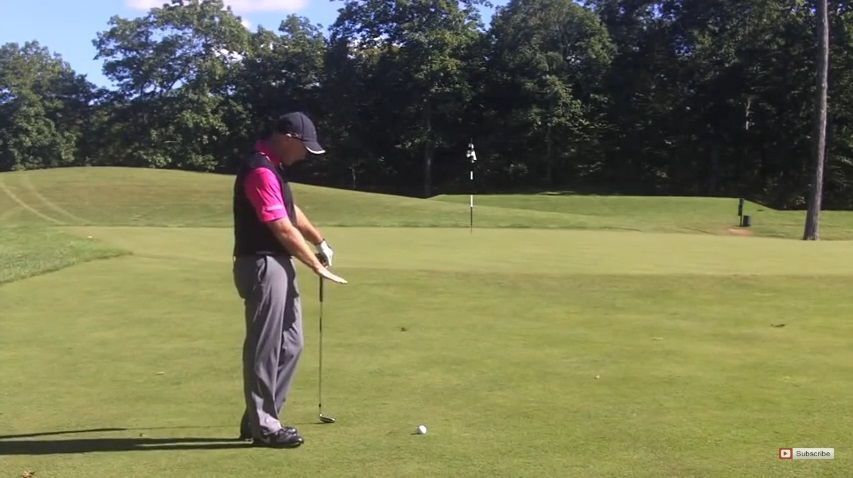
The mountain golf lessons demand more than standard instruction. Between dramatic elevation changes that affect club selection, unpredictable wind patterns funneling through valleys, and lightning-fast bentgrass greens shaped by mountain terrain, golfers in the Highlands-Cashiers plateau face challenges that coastal and flatland courses simply don’t present.
Finding quality golf instruction in this region means more than just booking a lesson. It requires understanding which instructors truly grasp mountain golf nuances, which programs offer the technology and facilities to accelerate your improvement, and how to choose between private coaching versus group clinics that fit your learning style and budget.
This guide examines everything from traditional teaching approaches to cutting-edge launch monitor technology, junior development programs to women’s golf academies, and most importantly, what separates exceptional mountain golf instruction from generic lesson packages that don’t account for high-elevation play.
Top Golf Instructors in the Highlands, NC Area
The Highlands-Cashiers golf community has cultivated a generation of teaching professionals who understand that mountain golf isn’t simply regular golf played at altitude. These instructors have spent years mastering the specific challenges their students face in courses like Burlingame Country Club, Highlands Falls, and Cullasaja.
What Makes a Mountain Golf Instructor Exceptional
The best instructors in this region combine PGA certification with extensive experience teaching on elevated courses. They understand how a 300-foot elevation change between tee and green affects ball flight. They’ve watched thousands of shots curve differently here than they would at sea level. They know that a 150-yard shot at 3,500 feet plays more like 145 yards, and that humidity, temperature, and mountain air density all factor into club selection.
John Hoffman, the Director of Golf lessons at Burlingame Country Club, exemplifies this specialized knowledge. Having taught at premier mountain clubs throughout Western North Carolina, he brings more than technical expertise to each lesson. His approach incorporates course management strategies specific to Tom Jackson’s mountain course design at Burlingame, where strategic positioning matters as much as shot execution.
The PGA Teaching Professional Advantage
PGA-certified instructors in Highlands, NC, aren’t simply golfers who decided to teach. They’ve completed rigorous training programs covering swing mechanics, teaching methodologies, player psychology, and golf business management. More importantly for mountain golfers, they understand how to adapt standard teaching principles to high-elevation conditions.
These professionals regularly attend PGA continuing education seminars, stay current with teaching technologies, and often specialize in specific areas like short game development, junior instruction, or competitive tournament preparation. Many have played competitively, bringing firsthand tournament experience to their coaching approach.
Teaching Philosophy and Communication Style
Technical knowledge means nothing if an instructor can’t communicate effectively. The top golf lessons teachers in Highlands, NC, adapt their teaching style to each student’s learning preference. Some players absorb information through detailed technical explanations. Others respond better to simple swing thoughts and feel-based adjustments.
Mark Calcavecchia, a Burlingame member and major champion, emphasizes in his guide to better golf that great instruction focuses on what matters most: short game, course management, and mental preparation. The best local instructors understand this philosophy, avoiding paralysis by analysis while building sustainable, reliable golf swings.
Instructor Credentials to Look For
When evaluating golf instruction options in the Highlands area, certain qualifications separate exceptional teachers from adequate ones:
- PGA or LPGA membership with Class A certification
- Specialized certifications in areas like TPI (Titleist Performance Institute) for golf fitness or AimPoint for green reading
- Experience teaching specifically on mountain courses
- Track record with competitive junior players or amateur champions
- Access to modern teaching technology like TrackMan, FlightScope, or K-Vest motion analysis
- Continuing education in current swing theories and teaching methodologies
Beyond formal credentials, the best indicator of teaching quality often comes from student results and testimonials. Have former students lowered their handicaps significantly? Do junior players under their guidance earn college scholarships? Can they point to specific success stories with players at your skill level?
Private Golf Lessons vs. Group Instruction
The decision between private golf lessons and group clinics isn’t simply about budget, though cost certainly factors into most golfers’ decision-making. Each format offers distinct advantages that can accelerate or hinder progress depending on your goals, learning style, and current skill level.
The Private Lesson Advantage

One-on-one instruction with a qualified professional remains the fastest path to meaningful swing changes and score improvement. During a private session, 100% of the instructor’s attention focuses on your specific swing issues, your unique physical constraints, and your particular goals for the season ahead.
When Group Instruction Makes Sense
Group clinics serve specific learning objectives exceptionally well, particularly for beginners who need fundamental instruction or intermediate players working on discrete skills like bunker play or course management. The social dynamic of learning alongside others can reduce the intimidation factor for nervous beginners while creating accountability for regular practice.
Women’s golf programs often thrive in group formats where camaraderie and shared experiences create an encouraging learning environment. Many female golfers report feeling more comfortable learning alongside peers rather than in one-on-one sessions with male instructors, though individual preferences vary widely.
Specialized Clinics and Golf Schools
Beyond regular weekly instruction, many Highlands area facilities offer intensive programs during peak season. Junior golf academies might run Monday-Friday during the summer months, combining instruction with on-course play and competitive games that keep young players engaged.
Multi-day golf lessons schools condense months of potential progress into 2-5 days of intensive instruction. These programs typically include morning teaching sessions, lunch and analysis, afternoon practice with supervision, and often conclude with on-course playing lessons where instructors observe your decision-making and course management in real-world conditions.
Golf Academies & Clinics Near Highlands
The concentration of premium golf clubs in the Highlands-Cashiers area has fostered a competitive market for comprehensive golf instruction programs. These aren’t simply places to hit balls under supervision, but structured development systems designed to produce measurable improvement through systematic teaching progressions.
Understanding Program Structures
Burlingame Country Club structures its instruction programs around this progression, ensuring beginners aren’t overwhelmed with advanced concepts while competitive players receive the specialized training their game demands. The teaching staff coordinates across levels, creating smooth transitions as students advance through the system.
Seasonal Clinic Offerings
Mountain golf clubs adapt their clinic schedules to match seasonal demand and weather patterns. Spring typically brings a surge of interest as players shake off winter rust, making it ideal timing for full-swing clinics and short game intensives.
Junior Golf Development Programs
The region’s junior golf programs have produced numerous college players and occasional touring professionals. These academies combine technical instruction with competitive play, teaching young golfers not just how to swing but how to compete, how to practice effectively, and how to manage their games under pressure.
Burlingame’s junior academy emphasizes life skills alongside golf lessons, sportsmanship, work ethic, resilience, and grace under pressure. These qualities serve young people whether they eventually play college golf or simply carry these golf lessons into adult life.
Clinic Formats and Structures
Effective golf lessons clinics follow proven instructional progressions rather than random daily topics. A well-designed short game clinic might structure five sessions as follows: Week 1 covers putting fundamentals and green reading, Week 2 addresses basic chipping technique, Week 3 works through different chip shots for various lies, Week 4 tackles bunker play, and Week 5 combines all skills through on-course situations.
Technology-Enhanced Instruction (TrackMan, Video Analysis)
Golf instruction has transformed dramatically over the past decade as teaching technology has become both more sophisticated and more accessible. What was once available only at major tour facilities can now be found at many upscale mountain clubs, fundamentally changing how instructors teach and how students learn.
Launch Monitor Technology Revolution
TrackMan, FlightScope, and similar launch monitors measure every aspect of ball flight and club delivery with precision impossible for human observation. These systems capture 20+ data points per swing, revealing exactly what your club is doing at impact and precisely how the ball responds.
For mountain golfers, this technology proves especially valuable because it quantifies how elevation affects performance. When you strike a 7-iron perfectly at Burlingame’s 3,000-foot elevation, the launch monitor shows precisely how far that shot travels compared to the same swing at sea level. This data removes the guesswork from club selection on elevated courses.
Video Analysis Integration
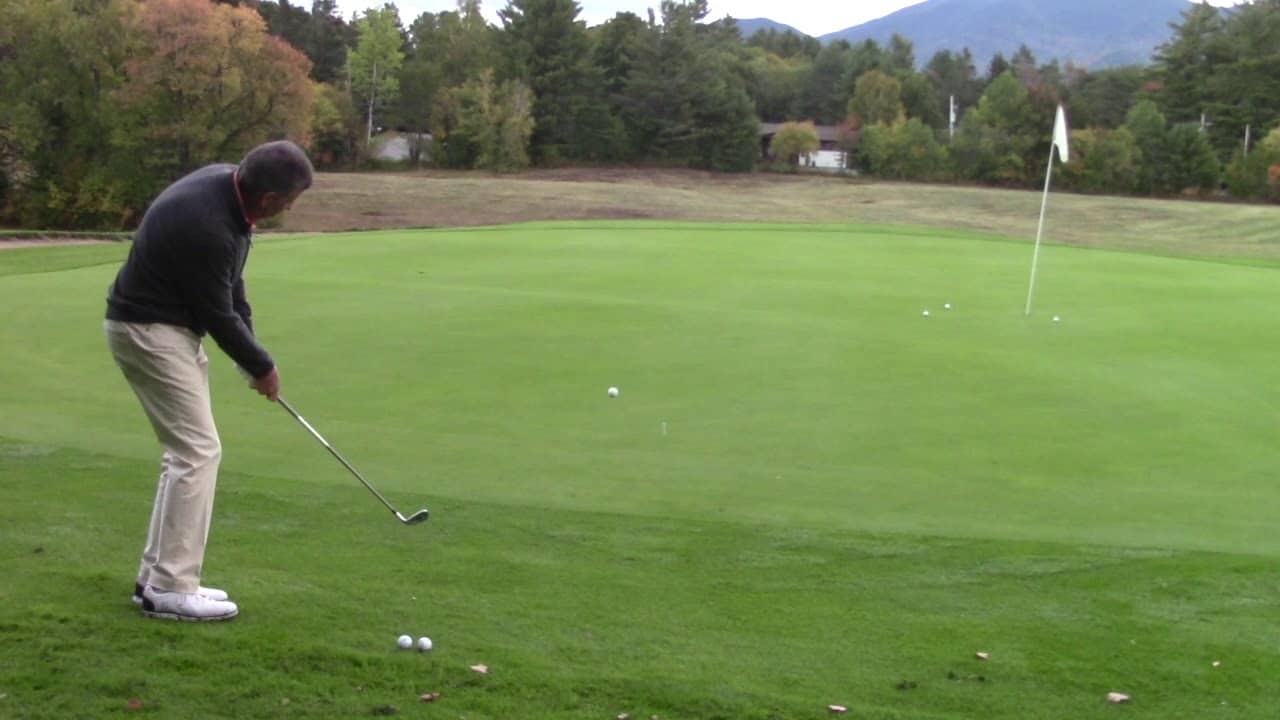
High-speed video capture combined with analysis software allows instructors to show students exactly what their swing looks like rather than relying on feel and verbal description. Modern systems capture 240+ frames per second, revealing details invisible to the naked eye.
Video analysis works best when comparing your swing to your own previous sessions rather than to tour professionals with different body types and athletic abilities. Quality instruction tracks your progress over weeks and months, showing how specific changes have affected your swing pattern over time.
Putting Analysis Systems
Green reading and stroke mechanics significantly impact scoring, yet putting receives less technological attention than full swing in most instruction programs. That’s changing as systems like SAM PuttLab, Blast Motion, and Quintic measure putter path, face angle, tempo, and impact quality.
For mountain golfers dealing with severe slopes and lightning-fast bentgrass greens, these systems reveal subtle stroke flaws that create inconsistency. A putting analysis might show that your stroke path is solid but your tempo changes under pressure, or that your impact point varies, causing distance control problems.
The Integration Advantage
The most sophisticated instruction programs don’t treat these technologies as separate tools but rather integrate them into a comprehensive teaching system. A typical golf lesson might begin with video analysis to establish baseline mechanics, move to launch monitor work to measure shot pattern and distance control, and conclude with putting analysis to ensure short game improvement matches full swing progress.
This multi-technology approach reveals connections between different aspects of the game. A student struggling with inconsistent iron play might discover through video analysis that their setup varies from shot to shot. Launch monitor data then quantifies exactly how these setup changes affect ball flight. The instructor uses this objective information to prioritize which technical issues to address first for maximum score improvement.
Technology Limitations and the Human Element
Despite these remarkable tools, technology hasn’t replaced the need for skilled teaching professionals. Launch monitors measure results but don’t explain causes. They show that your path is 3 degrees too far left, but can’t identify whether that stems from grip issues, setup problems, or swing plane faults.
The best instructors use technology to inform their teaching rather than letting it dictate the lesson flow. They recognize when a student needs to step away from the data and simply hit balls, working on feel. They understand that paralysis by analysis affects some students who become so focused on numbers that they lose their natural athletic motion.
Cost Considerations
Technology-enhanced instruction typically costs 25-40% more than traditional lessons, reflecting the substantial equipment investment required and the additional time needed to capture and analyze data. At most Highlands area clubs, a standard lesson runs $100-125 per hour while technology-enhanced sessions cost $125-175.
Many players find that fewer lessons using technology produce better results than more frequent traditional instruction. The data-driven approach eliminates much of the trial-and-error that consumes time in conventional lessons, allowing faster identification of priority changes and objective measurement of whether adjustments work.
How Burlingame’s Golf Instruction Program Compares
When evaluating golf instruction options in the Highlands-Cashiers area, understanding what distinguishes exceptional programs from adequate ones requires examining more than instructor credentials and fancy technology. The complete learning environment matters—course quality, practice facilities, teaching philosophy, and how all elements integrate into a systematic development program.
The Tom Jackson Design Advantage
Burlingame’s championship course provides an ideal learning laboratory for mountain golf instruction. Tom Jackson’s design incorporates every challenge students will encounter on premier mountain courses—dramatic elevation changes, strategic water hazards, cleverly contoured greens, and holes where positioning matters more than distance.
Instructors can walk students through actual course situations rather than hypothetical scenarios. Want to learn proper club selection for downhill lies? The approach to the 5th hole provides that exact situation. Need to understand how wind affects shots through mountain valleys? The elevated 14th tee offers a daily masterclass.
Comprehensive Practice Facilities
Quality instruction requires quality practice venues. Burlingame’s practice areas include an expansive driving range with target greens at various distances, a dedicated short game practice area with multiple bunkers and chipping zones, and a practice putting green that mirrors the speed and contour of the course greens.
These facilities allow instructors to create stations for different skill work during clinics, rotating students through putting drills, bunker practice, and full swing work within a single session. The variety maintains engagement while ensuring comprehensive skill development rather than monotonous time on the driving range.
The Playing Golf Lessons Philosophy
Traditional instruction often stays on the practice range where conditions are controlled and consistent. While this allows focused work on specific mechanics, it doesn’t replicate the pressure, uneven lies, and decision-making required during actual rounds.
Burlingame’s instruction program incorporates regular playing lessons where instructors accompany students on the course, observing their pre-shot routines, club selection decisions, course management strategies, and mental game under real-world conditions.
Instructor Expertise and Teaching Philosophy
While having PGA-certified professionals is table stakes for quality instruction, what matters more is their teaching philosophy and communication ability. Burlingame’s instruction team emphasizes fundamentals while avoiding paralysis by analysis. They recognize that different students need different coaching styles—some respond to technical explanations while others need simple swing thoughts.
This structured approach ensures students build solid foundations before attempting advanced techniques. Too often, golf lessons try learning specialty shots before mastering basic chip shots, or work on hitting high draws before developing a reliable straight ball flight.
Technology Integration Without Overload
Burlingame’s teaching professionals use TrackMan launch monitors and video analysis strategically rather than allowing technology to dominate every lesson. They recognize that some students learn better through feel-based instruction while others thrive on data-driven feedback.
The key lies in using technology to diagnose issues and track progress without creating students who become equipment-dependent. Players need to develop their self-awareness and course management skills, not become reliant on launch monitor feedback for every shot.
Member Benefits and Program Accessibility
Burlingame members receive preferential lesson scheduling and discounted instruction rates as part of their membership benefits. This accessibility encourages regular instruction rather than occasional crisis lessons when your game completely falls apart.
The club also offers monthly playing clinics where the instruction staff accompanies member groups during rounds, providing on-course coaching for multiple students simultaneously. These sessions cost less than private lessons while delivering valuable insights in real playing situations.
The Complete Development Ecosystem
What truly distinguishes Burlingame’s instruction program is how all elements integrate into a complete development system. The quality course provides authentic learning situations. The comprehensive practice facilities allow work on every game aspect. The skilled teaching staff delivers systematic instruction. The member culture encourages improvement and friendly competition.
This ecosystem approach accelerates development far more effectively than isolated elements—even outstanding instruction won’t produce optimal results if practice facilities are inadequate or the course doesn’t challenge students to apply what they’ve learned.
Competitive Opportunities

Instruction programs prove their value when students apply skills in competition. Burlingame’s active tournament schedule provides regular opportunities to test games under pressure, from casual member events to serious club championships.
The teaching staff helps competitive players prepare for specific tournaments, developing a strategy for the course setup and providing mental game coaching for handling pressure situations. This tournament preparation component separates programs that develop complete golfers from those that simply produce good practice-range players.
Frequently Asked Questions
How much do golf lessons typically cost in Highlands, NC?
Private instruction with PGA professionals in the Highlands-Cashiers area ranges from $100-150 per hour, with technology-enhanced lessons typically costing $125-175 per session. Group clinics offer more affordable options at $40-75 per person for 90-minute sessions. Many instructors provide package deals that reduce per-lesson costs—typically 5-lesson packages around $450-650 or 10-lesson series for $800-1,200. Semi-private lessons (2-4 students) split the cost while providing more individual attention than group settings.
What’s the best age to start junior golf lessons?
Most golf professionals recommend beginning instruction between the ages 6 and 8 when children have developed sufficient coordination and attention span for structured learning. However, the “right” age depends more on the individual child’s interest and maturity than chronological age. Programs like Burlingame’s junior academy use age-appropriate formats—younger children learn through games and activities, while older competitive juniors receive more structured technical instruction and tournament preparation.
How often should I take golf lessons?
Lesson frequency depends on your goals and current skill level. Players making major swing changes benefit from weekly sessions for 4-6 weeks to establish new patterns before spacing out to bi-weekly or monthly check-ins. Beginners typically progress fastest with lessons every 7-10 days, allowing time to practice concepts between sessions without developing bad habits. Experienced players maintaining their game might schedule monthly tune-ups or quarterly comprehensive reviews. Most instructors recommend that consistent practice between lessons matters more than lesson frequency.
Do I need special equipment for mountain golf instruction?
Standard golf equipment works fine for mountain golf instruction, though some considerations help. Ensure your clubs fit properly—incorrect length, lie angle, or shaft flex becomes more problematic in mountain conditions with uneven lies. Many Highlands area instructors recommend extra wedges (54°, 58°, 60°) for better distance control on elevated approach shots. Weather-appropriate clothing matters more in the mountains, where temperatures can swing 20 degrees during a round. Rain gear and layering options prove essential for completing outdoor lessons.
Are online golf lessons as effective as in-person instruction?
Online instruction has improved dramatically with smartphone video technology, though it can’t fully replace in-person teaching. Remote lessons work best for students with a solid fundamental understanding who need feedback on specific issues rather than complete swing rebuilds. The advantages include convenience, often lower cost, and the ability to work with instructors anywhere geographically. However, online instruction misses the immediate hands-on adjustment capability and real-time feedback that accelerates learning in person. Many golfers now use a hybrid approach—periodic in-person lessons with remote check-ins between sessions.
Conclusion
Golf instruction in the Highlands-Cashiers area offers options ranging from basic group clinics to sophisticated technology-enhanced private coaching. The right choice depends on your current ability level, specific improvement goals, and how you learn best. Beginners typically benefit most from structured group programs that teach fundamentals while providing social connection. Competitive players seeking rapid improvement justify private instruction’s higher cost through focused attention and customized practice plans.
Whether you choose Burlingame’s systematic instruction program, boutique private coaching, or intensive golf school formats, consistent effort between lessons matters more than lesson frequency. The best instruction provides not just immediate improvements but sustainable practices and self-awareness that support continued development long after formal lessons end.
Contact Burlingame Country Club at (828) 966-9200 to discuss instruction options that match your game development goals. Schedule your tour to experience the facilities, meet the teaching staff, and discover how mountain-specific golf instruction accelerates improvement for players at every skill level.