Pre-Round Warmup for Mountain Golf: Essential Stretches and Range Drills
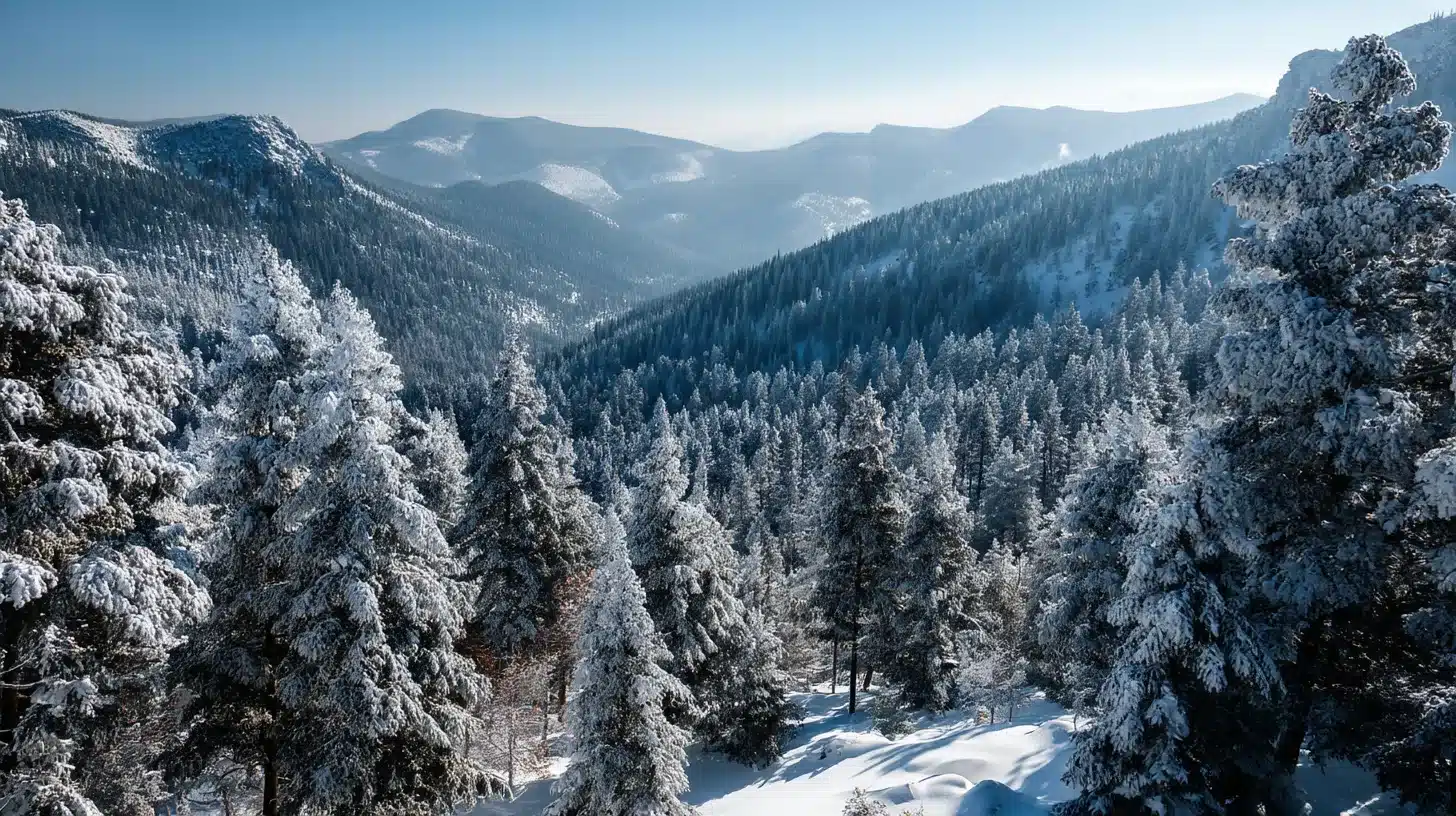
Winter Hiking in WNC Burlingame

The First Tee Off

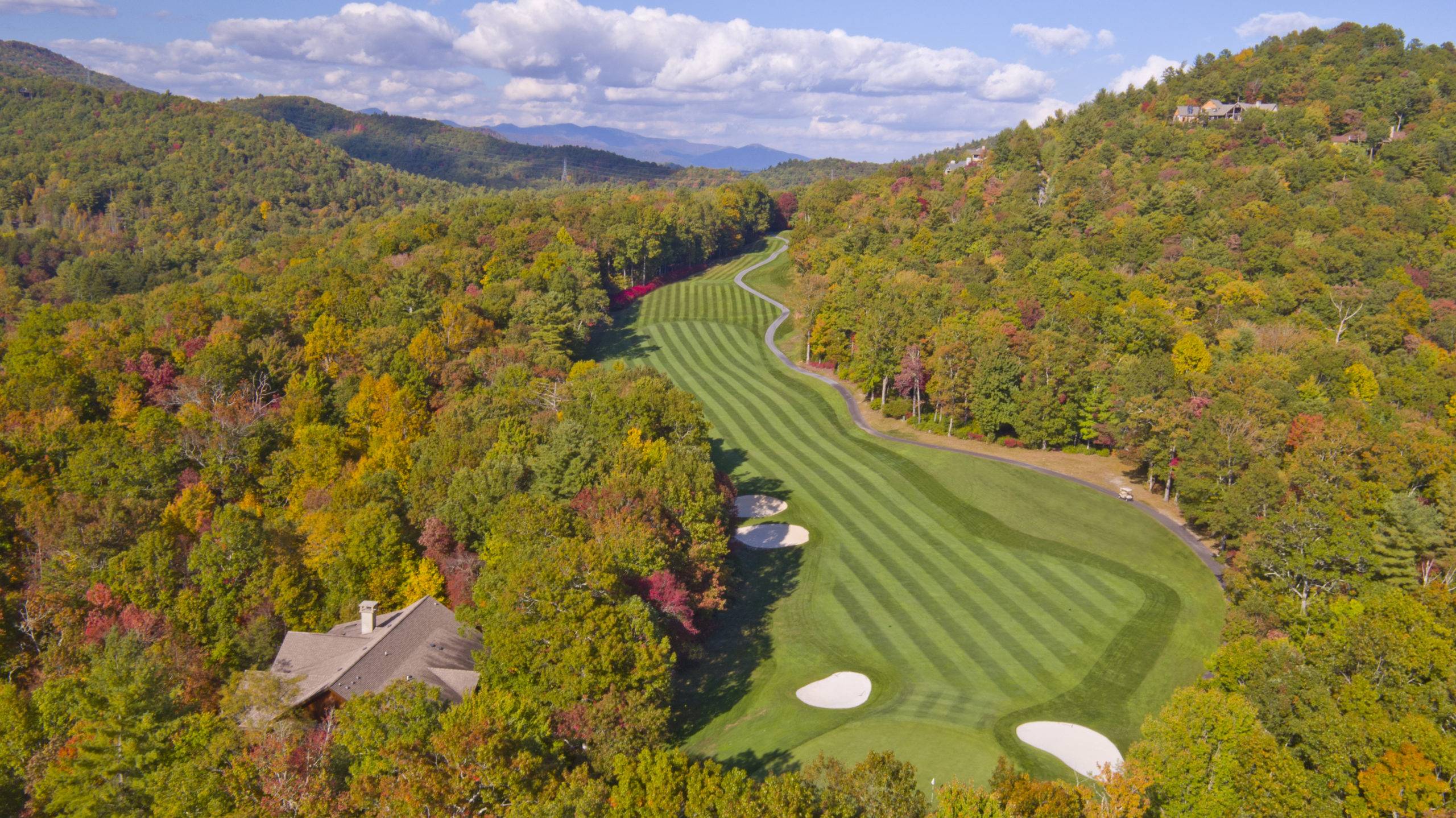
The first tee at Burlingame Country Club can be intimidating. You’re standing at 3,000+ feet of elevation, looking down a fairway carved through Western North Carolina’s mountain forest, with the pressure of a good round ahead. But here’s the truth: how you prepare your body in the 30 minutes before that first swing often determines whether you’ll play your best golf or fight your swing all day.

Mountain golf demands more from your body than you might realize. The cooler temperatures, especially during morning rounds, mean your muscles need extra time to wake up. The elevation changes throughout the course require flexibility and balance. And the mountain terrain itself—uneven lies, uphill and downhill shots—tests your body’s ability to maintain posture and generate power from unconventional positions.
Pre-Round Warmup for Mountain Golf

Why Mountain Golf Requires a Different Warmup Approach

At sea level on a warm day, you might get away with hitting a few balls and heading to the first tee. Not here. The mountain environment changes everything about how your body performs.

Cold morning air tightens muscles faster. Even in summer, Burlingame’s early rounds can start in the 50s or low 60s. Your body simply doesn’t move the same way at those temperatures. Tendons and ligaments need more time to become pliable, and joints need more lubrication to move freely.

Elevation affects your breathing and heart rate. If you’re not accustomed to mountain altitude, you’ll notice your cardiovascular system working slightly harder. A proper warmup helps your body adjust to the thinner air before you ask it to make explosive golf swings.

The course’s terrain demands full-body flexibility. You’ll hit shots from uphill lies, downhill lies, and side-hill stances that require balance and rotation from positions you rarely practice. Preparing your body for these challenges prevents compensations that lead to poor shots and potential injury.

The 30-Minute Pre-Round Timeline

Here’s how to structure your warmup when you arrive at Burlingame. This timeline assumes you’re starting 30 minutes before your tee time—the minimum you should give yourself for proper preparation.

Minutes 30-25: General Warmup and Mobility (5 minutes)
Start with light movement to raise your core temperature and get blood flowing to your muscles.

Minutes 25-15: Dynamic Stretching and Golf-Specific Movements (10 minutes)
Focus on flexibility and range of motion in the movements you’ll use during your round.

Minutes 15-5: Range Work and Ball-Striking (10 minutes)
Progress from short clubs to long clubs, building rhythm and confidence.

Minutes 5-0: Putting and Chipping, Mental Preparation (5 minutes)
Fine-tune your feel for speed and distance while getting your mind right.

General Warmup: Getting Your Body Ready

Start with walking. Don’t head straight to the range and start swinging. Walk briskly from the parking lot to the clubhouse, or take a lap around the practice area. This simple activity raises your heart rate and body temperature gradually.

Do some arm circles while you walk. Start small and gradually make them bigger. This loosens your shoulder joints and gets blood flowing to your upper body. Forward circles, backward circles—make it dynamic, not static.

Leg swings prepare your hips and lower body. Hold onto a golf cart or fence post for balance, then swing one leg forward and backward like a pendulum. Do 10-15 swings per leg. Then swing side to side across your body. Your hips will thank you on those uneven lies later.

Torso rotations wake up your core. Stand with feet shoulder-width apart, hands on your hips or crossed on your chest. Slowly rotate left and right, gradually increasing the range of motion. Feel your spine warming up and your obliques engaging. Do this for 30 seconds.

Dynamic Stretching: Golf-Specific Flexibility

Forget the old-school static stretches where you hold a position for 30 seconds. Dynamic stretching—movement-based flexibility work—is far more effective for golf preparation.

The Windmill Stretch: Stand with feet wider than shoulder-width. Reach down and touch your right hand to your left foot while extending your left arm toward the sky. Alternate sides for 10 reps per side. This opens up your hamstrings and thoracic spine—crucial for maintaining posture during your swing.

Walking Lunges with Rotation: Take a long step forward into a lunge position, then rotate your torso toward the front leg. This combines hip flexibility with rotational mobility. Do 5-6 lunges per leg. Your body will use this exact movement pattern on uphill approaches.

The Scorpion Stretch: Lie face down, arms extended to the sides. Lift your right leg and cross it over your body, trying to touch your foot to your left hand. This deep hip and lower back stretch is gold for golfers. Do 5 per side slowly and controlled.

Shoulder Rotations with Club: Hold a club horizontally with both hands, arms extended at shoulder height. Rotate the club overhead and down behind your back as far as comfortable, then reverse. This mobility drill prepares your shoulders for the full range of motion required in your backswing. Do 10-12 reps.

The Cat-Camel: On your hands and knees, alternate between arching your back (looking up) and rounding it (looking down). This spinal mobility exercise is simple but incredibly effective. Do 10-12 cycles. Your back maintains the swing plane—keep it healthy and mobile.

Side Bends with Club: Hold a club overhead with both hands, arms extended. Bend laterally to the right, then to the left. Feel the stretch along your obliques and lats. These muscles control your lateral movement and help prevent swaying. Do 8-10 per side.

Golf-Specific Movement Patterns

Now transition into movements that mimic your golf swing without hitting balls yet.

Slow-Motion Swings: Make 10-15 swings without a club, moving in slow motion through your entire range. Feel each position—address, takeaway, top of backswing, transition, impact, follow-through. This rehearses the neural pathways and identifies any tight spots that need more attention.

Balance Drills: Stand on one leg and hold your finish position for 10 seconds. Switch legs. This challenges your balance system and activates the stabilizer muscles you’ll need on uneven lies. If you wobble, your body is telling you it needs more warmup time.

Mini-Band Work (if you carry resistance bands): Place a mini-band around your legs just above your knees. Take your golf posture and make small swings while maintaining tension against the band. This activates your glutes and reminds your lower body to stay stable during your swing. Do 10-15 swings.

The Airplane Drill: Hold a club horizontally at shoulder height and rotate it back and forth, keeping your hips still. This isolates upper body rotation and reinforces the feeling of coiling against a stable lower body. Do 15-20 rotations.

Range Work: Building Rhythm and Confidence

Now you’re ready to hit balls. But don’t just grab your driver and start ripping shots. Build progressively.

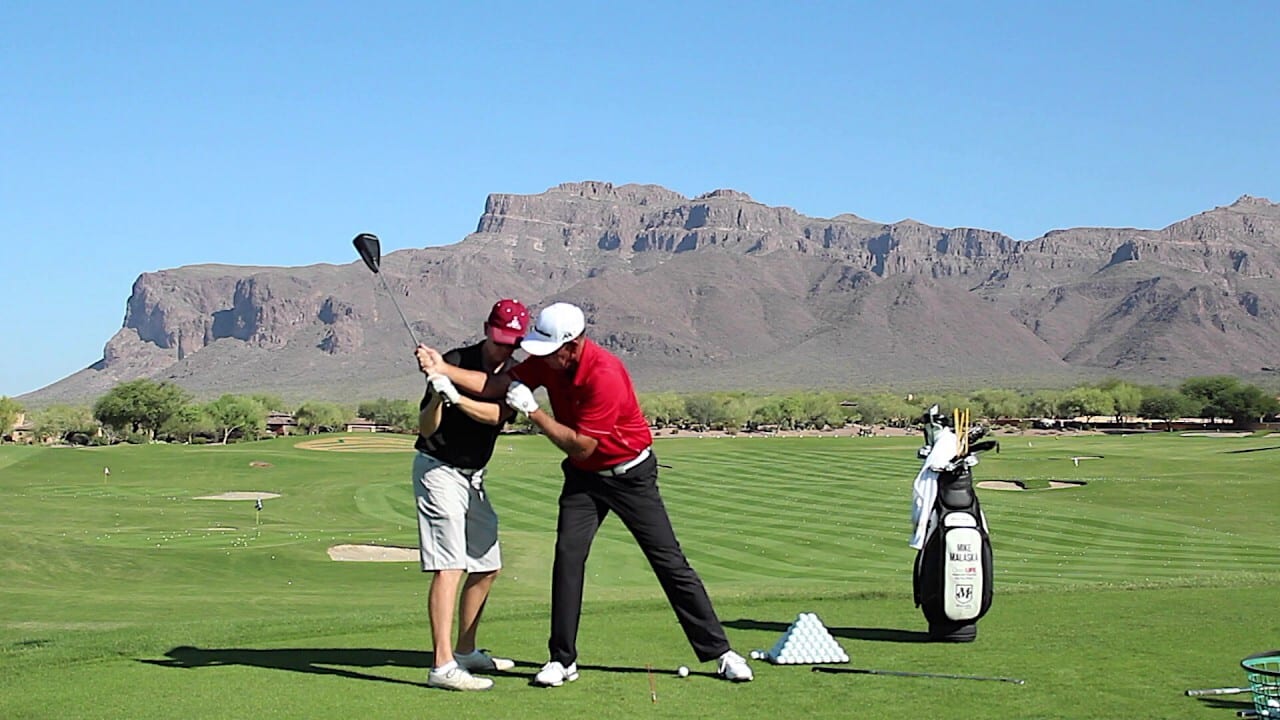
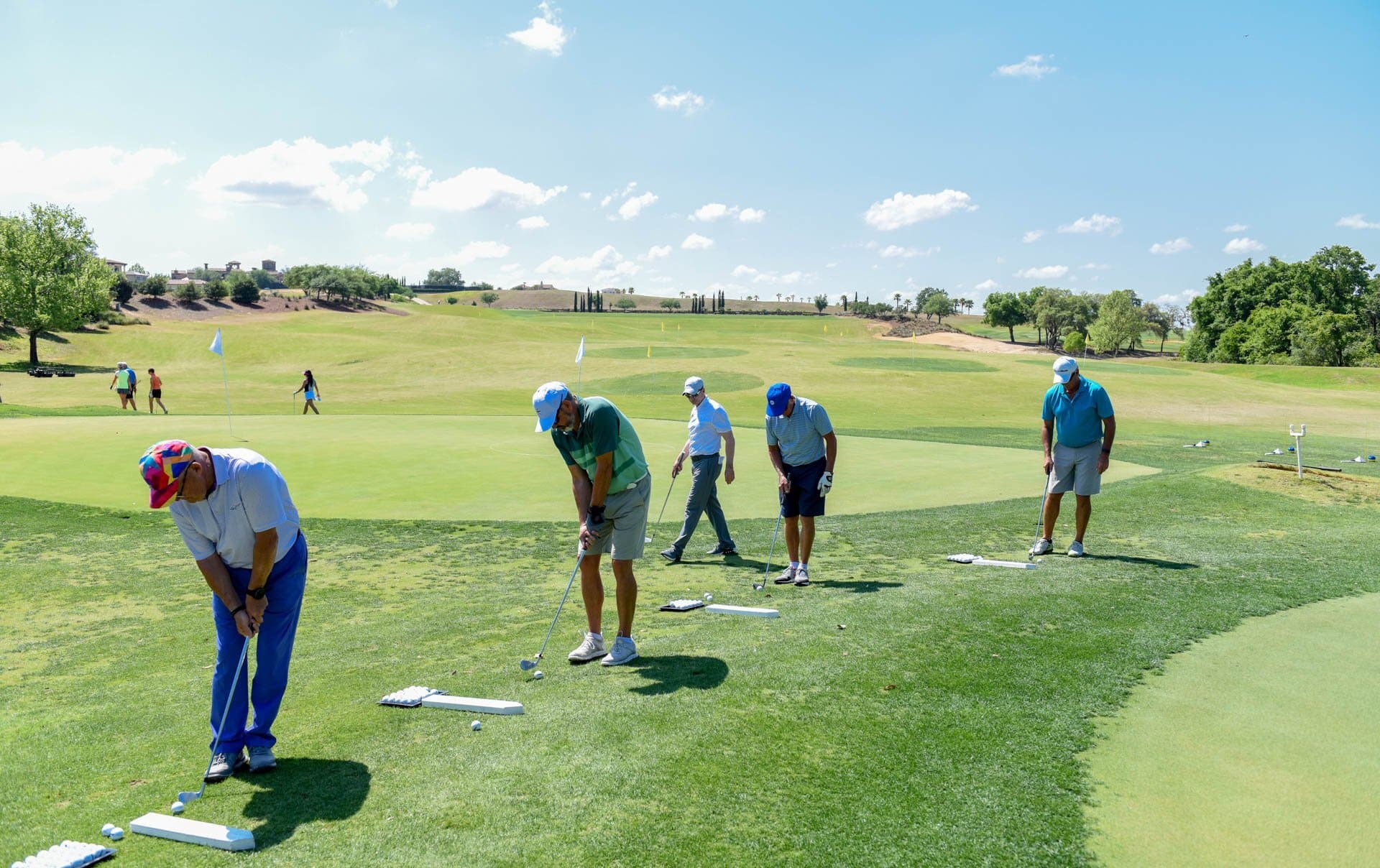
Start with your wedge and make half-swings. Focus on clean contact and tempo, not distance. Hit 5-7 balls with smooth, controlled motion. Feel the club making solid contact with the ball.

Move to a mid-iron (7 or 8-iron) with three-quarter swings. Still focusing on rhythm and balance. Hit another 5-7 balls. Gradually increase your swing speed, but keep it under control. You’re warming up, not trying to impress anyone.

Hit a few balls with a hybrid or fairway wood. These clubs require different swing thoughts than irons—more sweeping, less descending. Get comfortable with that motion. 4-5 balls is enough.

Now—and only now—pull out your driver. Make a few slow-motion swings without a ball to feel the timing of this longer club. Then hit 5-6 drives, gradually building to full speed. Focus on balance and finish position, not maximum distance.

Finish your range session by going back to a wedge. Hit 3-4 more approach shots. This reconnects you with the control and feel you’ll need on your first few holes.

Short Game Warmup: Touch and Feel

Head to the practice green with 10-15 minutes remaining before your tee time. This is where you dial in the feel that translates directly to scoring.

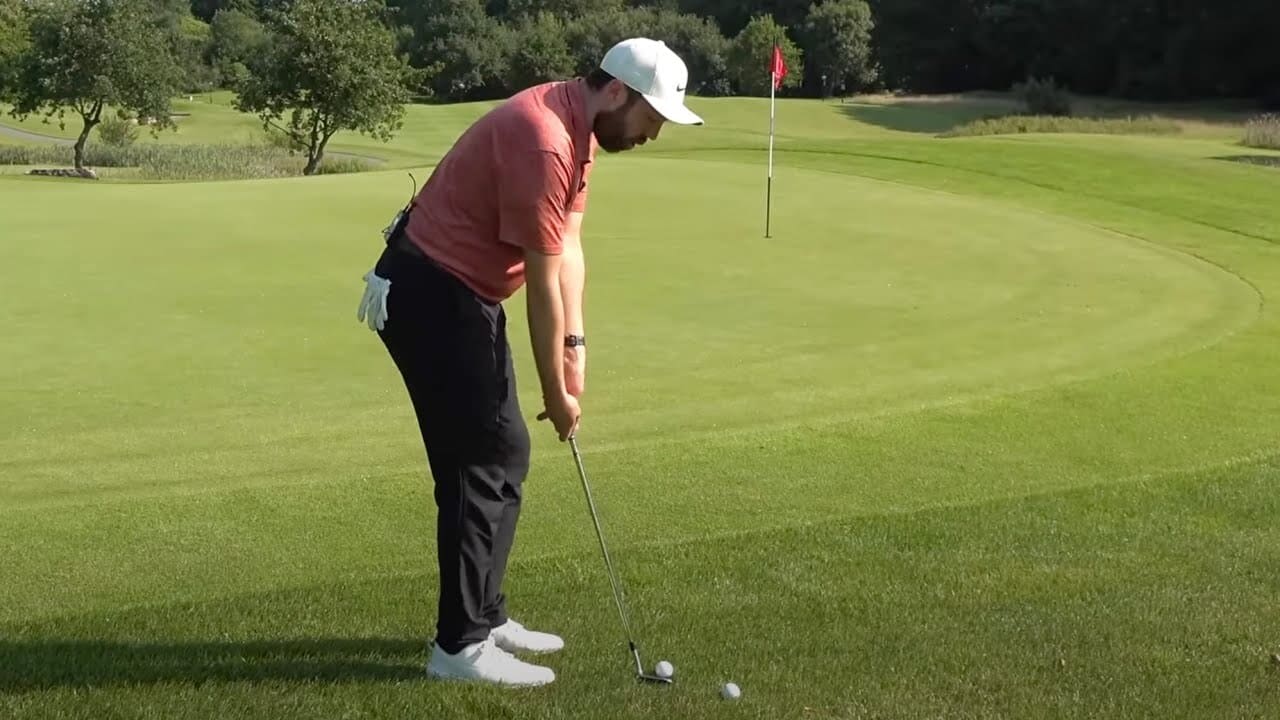
Chipping: Drop 3-4 balls at various distances around the green. Hit different shots—low runners, high flops, and everything in between. The goal isn’t perfection; it’s to calibrate your hands for the speed of the greens and the lie conditions you’ll face.

Putting Distance Control: Start with long putts (30-40 feet). Hit 4-5 balls to various holes, focusing entirely on speed, not line. Can you consistently get within 3 feet? That prevents three-putts before they start.

Make Five Putts: Pick a hole and drop 5 balls at 4-6 feet. Make all five before you leave. This builds confidence and gives you a feel for how putts are breaking. If you struggle to make them, the greens are probably faster or slower than you expected—adjust accordingly.

Practice Your First Putt: If you know which hole you’re starting on, practice a putt similar to what you might face. Starting on a severely uphill par 5? Hit a few uphill lag putts. Beginning with a downhill par 3? Practice some downhill sliders. This mental preparation is as valuable as the physical practice.

Temperature-Specific Adjustments

Cool Morning Rounds (Below 60°F): Add 5 minutes to your warmup. Spend extra time on dynamic stretching. Keep a light jacket or vest on until just before you hit balls. Consider making a few more half-swings with each club to build heat in your muscles.

Hot Summer Days (Above 80°F): You can trim a few minutes off the warmup, but don’t skip it entirely. Focus on staying hydrated. Your muscles will be pliable quickly, but your cardiovascular system still needs time to prepare for the walk and the round.

Windy Conditions: Spend extra time on balance drills. Wind will challenge your stability throughout the round. Practice making swings while actively pushing against the wind—this reinforces the feeling of staying centered and in control.

After Rain: If the course is soft, hit a few more shots from the turf rather than off a mat to get used to taking divots in soft conditions. The ball will come off differently, and your body needs to feel that before it matters.

Mental Preparation During Warmup

Your warmup isn’t just physical. Use this time to get your mind right too.

Set realistic goals for the round. You’re not trying to shoot your career-best score today. You’re playing one shot at a time, committing to your decisions, and enjoying Burlingame’s beautiful course. This mindset reduces pressure.

Visualize success on key holes. If there’s a hole that typically gives you trouble, mentally rehearse executing a good tee shot or approach. See the ball flight you want. Feel the smooth swing that produces it.

Practice your breathing. On the practice green, between putts, take three slow, deep breaths. In through your nose for four counts, out through your mouth for six counts. This activates your parasympathetic nervous system and keeps you calm. Use this same breathing on the course when tension builds.

Equipment Checks During Warmup

While you’re warming up, verify that everything is in order. Do you have enough golf balls? Tees? Ball markers? Is your rangefinder or GPS charged? Are your clubs clean?

Check the wind direction and speed. This tells you how your ball will behave on your opening tee shot. A left-to-right wind on the first hole means you might need to aim further left than normal.

Confirm your playing partners and tee time. A last-minute change in pairing or a moved-up time can throw off your preparation. Stay aware and flexible.

Common Warmup Mistakes to Avoid

Starting Too Late: Rushing through your warmup or skipping parts creates tension and increases injury risk. Arrive early enough to do this right.

Hitting Too Many Balls: More isn’t better. Quality beats quantity. Hit 30-35 balls total, focusing on tempo and feel, not ball-beating.

Skipping the Short Game: You’ll hit far more putts and chips than drivers during your round. Spending 70% of your range time on full swings makes no sense.

Not Adapting to Conditions: If the range is into the wind and the first hole is downwind, recognize that your ball flight will be different. Don’t assume range performance predicts on-course results.

Trying to Fix Your Swing: The warmup is not the time to make mechanical changes. Work with what you have today. Swing thoughts and tips can wait until after the round.

Post-Warmup Final Checklist

Before heding to the first tee:

  • Have you hydrated? Drink water during your warmup, not just after.
  • Is your body warm and loose? No tight spots or restricted movement?
  • Do you have a clear plan for the first hole?
  • Is your mind calm and focused?
  • Are you excited to play rather than anxious about your score?

If you can answer yes to all of these, you’re ready. Head to the tee with confidence.

Mountain Golf - Essential Stretches and Range Drills

The First Tee Moment

You’ve done the work. Your body is prepared, your mind is clear, and you’ve practiced the shots you’ll need. Now it’s time to play.

Take one last deep breath on the first tee. Feel the mountain air, appreciate the view, and remember why you’re here. You’re about to play a championship golf course in one of the most beautiful settings in Western North Carolina. That’s worth celebrating regardless of what the scorecard says.

Trust your preparation. Your warmup has given your body the best chance to perform. Now let it happen.

A proper pre-round warmup doesn’t guarantee a great round, but it dramatically increases your odds. At Burlingame Country Club, where the mountain terrain and elevation present unique challenges, taking these 30 minutes seriously can be the difference between posting your best score and fighting your game all day.

Your body is an athlete’s tool. Treat it with respect, prepare it properly, and it will reward you with better golf and fewer aches after the round. That’s a win-win worth committing to.

Ready to put these warmup strategies into action on one of the finest mountain golf courses in the region? Call Burlingame Country Club at (828) 966-9200 to schedule your tee time and experience championship golf where preparation meets elevation.

Burlingame Country Club serves as a perfect setting for learning the game of golf.

Wildlife at Burlingame: What You Might Encounter on the Course and Trails

Wildlife at Burlingame What You Might Encounter on the Course and Trails copy

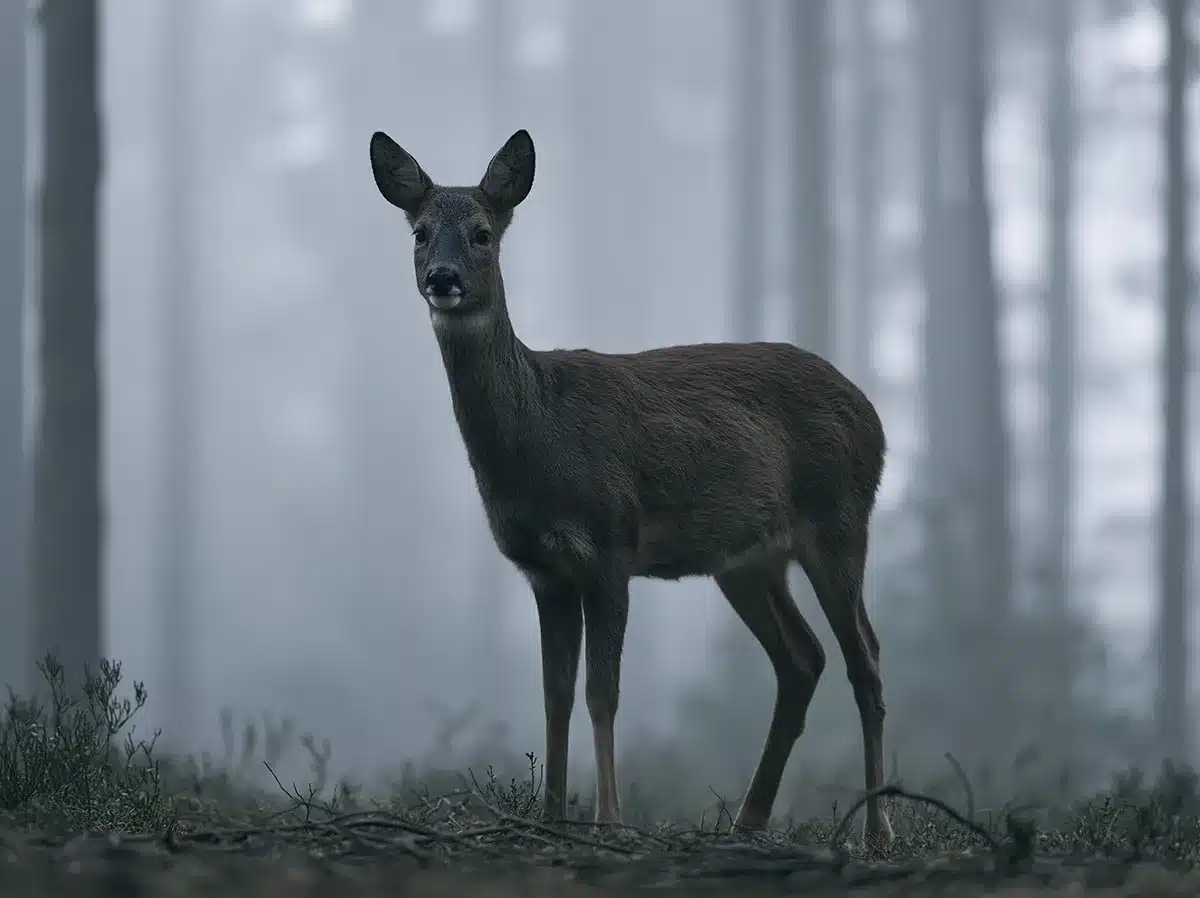
Late one morning on the back nine, a doe walked out of the old-growth forest along the 12th fairway and stood there long enough for the group behind her to stop their carts and watch. She wasn’t particularly concerned. She moved off eventually, unhurried, back into the hemlocks. Nobody talked about their round for a few minutes after that.

This is the kind of thing that happens at Burlingame Country Club, and it happens regularly enough that long-time members have their own catalog of encounters. The bear that sat in the rough on 7 one September morning. The red fox that trotted across the first fairway as the sun came up. The great blue heron that stands in the same bend of the Horsepasture River so reliably that members treat it like a landmark.

The land at Burlingame was chosen and developed with a specific philosophy of stewardship, of paying attention to what was already here and building around it rather than over it. The wildlife that lives on and around the property is one of the more direct results of that approach.

Burlingame's Six Dining Venues

The Animals You’re Likely to See

White-tailed deer are the most frequently encountered mammals on the property. They move through the course early and late in the day, feeding along the fairway edges and in the open spaces between tree lines. During the rut in October and November, bucks become more visible and less cautious than usual. Fawns in late spring are a regular sight along the quieter holes.

Black bears are present in the mountains throughout Western North Carolina, and Burlingame is no exception. Most bear sightings are brief. The bear is doing something, it notices you, and it moves away. Black bears are not aggressive toward humans by nature, and the encounters members typically describe amount to a mutual acknowledgment and a quick departure in opposite directions.

The thing to understand about bears is that they’re opportunistic rather than threatening. An unsecured trash can or a food source left in a cart is far more interesting to them than a person. They’re not coming toward you. They’re going toward something they want.

Wild turkey move in flocks, often a dozen or more birds crossing a fairway or trail in single file with a kind of unhurried dignity. They’re more common than people expect before they’ve spent time in the mountains. Toms in the spring, displaying and calling in the early morning, are one of the more striking wildlife displays the property offers.

Coyotes are present but not often seen. They move mostly at night and are genuinely shy. You’re more likely to hear one calling in the evening than to see one during daylight hours.

Foxes, both red and gray, appear occasionally on the course and trails. They’re quick and quiet and don’t often linger. The red fox in particular, with its rust-colored coat against green fairways, has an appearance that stops golfers mid-swing.

The Bird Life

The Horsepasture River corridor and the old-growth forest sections of the property support a diversity of bird life that serious birders recognize as genuinely special.

The great blue heron is almost certainly the most watched individual bird on the property. It fishes the same stretches of the Horsepasture consistently and stands still long enough that you can approach to a respectful distance and actually observe its behavior. It’s a big bird, easily four feet tall when standing, and it moves with the kind of unhurried patience that distinguishes animals that are very good at what they do.

Belted kingfishers work the river too. They’re smaller than the heron, more dramatic in flight, and announce themselves with a distinctive rattling call before they arrive. Watch for them hovering over a pool and then plunging straight down.

Wood ducks are among the most visually striking birds in North America, and the wooded waterways near the Horsepasture hold them well. The males in breeding plumage are almost unreasonably colorful.

Wild turkey, mentioned above as ground wildlife, are also worth noting as birds specifically because of the spring gobbler behavior. Males display with fanned tails and calling that carries a long distance in mountain air.

Pileated woodpeckers work the larger dead trees on the property, and their scale surprises people who haven’t seen one. They’re crow-sized birds with a red crest, and the excavations they create in dead wood are substantial. You’re more likely to find one by hearing the hammering before you see the bird.

Songbirds in migration use Burlingame’s tree cover as stopover habitat. Spring and fall bring species that aren’t present in summer, and mornings during peak migration can produce a surprising variety of warblers, thrushes, and other small birds moving through.

Raptors

Broad-winged hawks gather over the mountains during fall migration in numbers that occasionally produce visible kettles, groups of dozens or hundreds of birds riding thermals overhead. The migration peaks in mid-September, and in good years it’s visible from the course and the trails with no special equipment.

Red-tailed hawks are present year-round and visible from the open areas of the course, hunting the rough edges for small mammals. Sharp-shinned hawks and Cooper’s hawks move through during migration. Ospreys appear occasionally along the river.

Barred owls are common at Burlingame and often call during daylight hours in autumn. Their call is the classic “who cooks for you” pattern that’s recognizable once you’ve heard it.

Coexisting Thoughtfully

The wildlife at Burlingame is part of what the property is, and most members think of it that way. A few habits help maintain that relationship.

Don’t approach nesting birds or animals with young. A doe with a fawn is not a danger, but getting between her and the fawn is a situation worth avoiding. The same applies to any wild animal with offspring.

Don’t feed anything. This is the rule that protects wildlife most directly. Animals that associate humans with food change their behavior in ways that eventually require intervention. The deer and bears and foxes at Burlingame are wild, and keeping them that way requires that they remain uninterested in people as a food source.

Keep trash secured, particularly around the clubhouse and in carts. This applies specifically to bears. The easiest way to avoid bear encounters near buildings is to give them no reason to be there.

If you encounter a black bear on the course or trail, give it space and let it move away on its own. Don’t run. Don’t make sudden movements. Talk in a calm, normal voice so it identifies you as a human. It will leave.

Slow down on property roads and cart paths in low-light hours. Deer in particular move most actively at dawn and dusk and will cross paths unexpectedly.

Driving Directions to Every Public Golf Course in Highlands, NC (4)

What the Land Stewardship Philosophy Actually Means

Burlingame was built with a stated commitment to nature and a respect for the land it sits on. The language in the club’s own materials about stewardship for future generations isn’t just phrasing. It describes a genuine orientation toward the property.

Maintaining the Horsepasture River corridor in a natural state gives the fishery and the wildlife that depend on it what they need to thrive. Preserving the old-growth sections of the forest provides habitat that younger stands can’t replicate. The trails and the parks within the community create corridors that allow wildlife to move.

The result is that Burlingame holds a richness of wildlife that you don’t find on properties that were developed differently. The doe on the 12th fairway isn’t an accident. She’s there because the land around her supports her.

That’s worth protecting, and most members who spend time on the course and trails understand it instinctively.

For trail maps and information about Burlingame’s outdoor offerings, call (828) 966-9200.

A Guide to Burlingame’s Six Dining Venues: Which One Is Right for Your Occasion

A Guide to Burlingame's Six Dining Venues Which One Is Right for Your Occasion

One of the things that catches new members off guard at Burlingame is how many ways there are to eat well here. The club isn’t running a single dining room with a fixed menu and a dress code. It’s running six distinct experiences, each with its own personality, its own pace, and its own view of the mountains.

Getting to know all six takes a season or two. But you shouldn’t have to stumble into the right venue by accident. Here’s what each one is actually like and when it makes the most sense.

Burlingame's Six Dining Venues

Elevation 3042

This is the one you’ll use most often. Elevation 3042 is Burlingame’s casual restaurant, open for breakfast, lunch, and dinner, with grab-and-go items and a barista station that makes it the natural morning stop before a round or a quick bite after.

The name comes from the elevation. The feel matches. It’s relaxed, approachable, and moves at the pace of someone who just came off the course and is still wearing their golf shoes. You’re not sitting down to a formal meal here. You’re refueling, catching up with whoever you ran into on the back nine, and enjoying food that’s better than the “casual” label suggests.

The barista station makes it a legitimate coffee destination in the morning. Members who arrive early for a tee time often come through for a proper espresso drink rather than settling for whatever’s in the cart. Grab-and-go options mean you can eat on your schedule without sitting down.

Best for: every day. Morning coffee before golf, lunch between activities, a light dinner when you don’t want a big evening out.

The Overlook Lounge

The Overlook Lounge is the newest addition to the clubhouse, and it’s become one of the most popular spots on the property for a simple reason: the views are extraordinary.

Panoramic mountain views, the golf course spreading out below, the ridgelines of Western North Carolina in the distance. It’s the kind of view you want to sit in front of with something cold in your hand and no particular agenda. The Overlook Lounge is built for exactly that.

Think local craft beers, cocktails, lighter bites, and the kind of conversation that happens when you’re not in a hurry. It’s social rather than destination dining. The space invites lingering.

The Overlook Lounge is also the natural landing spot after an afternoon activity. Coming in off the tennis courts, finishing a round in the early evening, meeting friends before a dinner elsewhere in the clubhouse. It serves as an easy gathering point without requiring everyone to commit to a full meal.

Best for: afternoon drinks, post-activity unwinding, casual social time with good views, an easy entry point before dinner.

The Main Dining Room

This is the room with the views that make first-time guests stop in the doorway. Distant mountain vistas in every direction, panoramic in a way that makes you aware of how high up you actually are. The main dining room serves lunch and dinner, and it’s where the kitchen’s more considered cooking shows up most clearly.

Chef Gerry Fong’s farm-to-table sensibility is most visible here. Menus that reflect the season, ingredients sourced from local farmers and purveyors, wine pairings that the team takes seriously. It’s not formal in a restrictive way, but it’s intentional in a way that distinguishes it from the more casual venues.

This is the room for dinners that deserve an occasion. Wine society evenings, celebrations, anniversary dinners, the kind of meal you’re actually thinking about rather than just getting through. The service here matches the setting.

Best for: dinner when the food and the experience should carry equal weight. Special occasions, date nights, celebrations with a mountain backdrop.

The Presidents’ Room

The Presidents’ Room is the most intimate space in the clubhouse, sized for groups of eight to fourteen. The room honors past club presidents and carries a warm, private elegance that the larger venues can’t replicate.

It’s a private dining room in the truest sense. Book it and the space is yours. The mountain views are dramatic, the atmosphere quiet, and the kitchen delivers exactly what you’d expect from Burlingame’s culinary team in a private setting.

This is the right choice for occasions that require a degree of privacy or exclusivity. Corporate retreats, family milestones, small board dinners, intimate gatherings where you want the conversation to stay in the room. The controlled setting makes it work for business purposes that the main dining room can’t quite accommodate.

Best for: private dinners, small corporate or board gatherings, milestone celebrations for groups of under fifteen, any occasion where the intimacy of the setting matters as much as the food.

The Outdoor Dining Deck

The Deck is consistently among the most requested spots at the club for a straightforward reason: being outside at Burlingame, at elevation, with mountain air and a view of the course, is one of the better experiences the property offers.

The Deck is the natural landing spot after a round of golf or a tennis match. Coming in off the course and sitting outside while the afternoon light changes on the fairways is something members come back to every season. It’s also where the social energy of the club tends to concentrate on warm evenings.

The food and beverage program on the Deck covers what you’d want in that setting. Good food, cold drinks, the ability to have a longer evening outside without feeling like you’re being rushed back indoors.

Warmer months are peak Deck time. On an evening in July when the mountains have cooled down and the last of the light is going orange on the hills, there isn’t a better seat in Sapphire Valley.

Best for: post-round meals and drinks, warm weather evenings, casual group dinners where the outdoor setting is part of the appeal.

The Bar

The bar at Burlingame functions as the social hub of the clubhouse across all times of day. Members come in after the range for a beer, stop by before dinner to catch up with whoever’s around, or settle in for a Friday evening that stretches later than planned.

This is where the community of the club shows itself most naturally. Regulars know each other here. Conversations start between people who’ve never formally met. New members who want to get to know the community find that time at the bar is one of the fastest ways to start feeling like they belong.

The Friday dinner at the bar has become something of a tradition for certain members, who show up week after week and treat the bar stools as their seats for the evening. That kind of recurring ritual is what a good club bar is supposed to create.

Best for: casual social time, getting to know the membership, unwinding after a day on the course or courts, Friday evenings.

The pool at Burlingame Country Club gets plenty of use during a summer afternoon.

A Note on How to Use All Six

The range of options at Burlingame is designed to serve different moods, different times of day, and different kinds of occasions. The members who get the most out of the dining program are the ones who treat each venue as what it actually is rather than defaulting to the same spot every time.

Start your day at Elevation 3042. Catch the sunset from the Overlook Lounge. Book the Presidents’ Room for your family birthday dinner in October. Use the Deck every warm evening you can. Make Friday nights at the bar a habit.

The variety is the point. Chef Gerry Fong and his team are working across all of it, and the mountain setting makes every one of these venues genuinely worth your time.

To make a reservation or ask about private dining, call Burlingame Country Club at (828) 966-9200.

Swimming for fitness occupies a specific and valuable niche in an active person's routine.

Managing Knee Pain While Staying Active: A Guide for Mountain Club Members

Best Golf Pros for Lessons in Highlands, NC (3)

Knee pain doesn’t have to mean the end of your active life at Burlingame. For a lot of members, it just means thinking more carefully about how you move, what you ask your body to do, and how you recover. Done right, staying active through knee pain not only keeps your fitness up, it often helps the knee itself.

That said, this isn’t medical advice, and if you’re dealing with significant, sudden, or worsening knee pain, seeing an orthopedic doctor or physical therapist is the right first step. What follows is practical guidance for the many members managing mild to moderate chronic knee pain who want to stay on the course, the courts, and the trails without making things worse.

Biltmore Forest Country Club vs. Mountain Clubs: Different Worlds of Membership

Understanding Why Knees Take the Brunt

The knee is a hinge joint that sits between two long lever arms, your thigh above and your lower leg below. It handles enormous loads during everyday activity and even larger ones during sport. Walking uphill loads the knee at roughly three times body weight. Going downhill or descending stairs can push that to five or six times body weight.

At Burlingame, where the terrain involves real elevation change and the course itself covers significant uphill and downhill ground, the knee takes on loads it wouldn’t face on a flat course or an urban walking path. The mountain environment is part of what makes the club special, and it’s also why knee health is a real topic of conversation among active members.

The most common sources of knee pain in active adults are osteoarthritis (cartilage wear over time), patellofemoral pain (around the kneecap, often from muscle imbalances), IT band issues (outer knee, usually from repetitive activities like running or cycling), and tendinitis of the patellar or quadriceps tendons. Each of these responds somewhat differently to exercise and modification, which is why a professional evaluation is worth having if you don’t already know what’s going on.

What Usually Helps

Strengthening the muscles around the knee, specifically the quads, hamstrings, and glutes, is consistently the most effective long-term management strategy for most types of knee pain. Stronger muscles take over load that would otherwise go straight to the joint itself.

The glutes in particular are underappreciated here. Weak glutes shift load onto the knee in ways that create or worsen pain. Single-leg exercises like step-ups, split squats, and single-leg deadlifts build glute strength in a way that transfers directly to walking, climbing, and sport movement. The Rejuvenate fitness center at Burlingame has everything you need to do this work, and private coaching sessions are available if you want guidance.

Low-impact cardiovascular activity maintains fitness and promotes circulation without the impact loading that can aggravate the joint. Swimming is excellent. Cycling, either stationary or on trails, is another good option. Walking on even ground at a moderate pace is generally fine and beneficial. These activities keep you fit and moving without creating the cumulative impact that running or court sports involve.

Maintaining a healthy weight reduces joint load significantly. Every pound of body weight translates to roughly four pounds of force on the knee during walking. This isn’t about aesthetics. It’s pure mechanics.

Anti-inflammatory habits matter too. Sleep, stress management, good nutrition, and limiting alcohol all affect systemic inflammation levels, which in turn affects how much pain and stiffness you experience day to day. These aren’t dramatic interventions, but they accumulate over time.

Modifying Golf for Knee Health

Golf is generally knee-friendly compared to running or court sports, but the walking and the terrain at Burlingame can create real challenges for someone managing knee pain.

Cart use is the obvious modification. There’s no shame in riding when your knee is having a hard week. Getting through 18 holes in a cart still means you’re outside, playing the game you enjoy, and giving the knee a break that it might need.

When you do walk, poles can help on steeper terrain. Walking sticks or trekking poles reduce knee load substantially on descents, which is usually when knee pain is most noticeable on the course.

Swing mechanics can also contribute to knee stress. If your lead knee collapses inward through impact, that’s a rotational load that an already-irritated knee doesn’t need. A swing lesson that addresses knee position through the swing isn’t just a performance improvement. It can be a pain management intervention.

Compression sleeves worn during a round provide light support and proprioceptive feedback that many golfers with knee issues find helpful. They don’t fix anything, but they often make walking more comfortable and reduce the instability sensation some people experience.

Modifying Tennis for Knee Health

Hard stops and lateral cuts are the primary knee stressors in tennis. On Har-Tru courts, the sliding technique that clay surfaces allow is actually kinder to the knee than the abrupt stops required on hard courts. Burlingame’s Har-Tru surface is a genuine advantage for members managing lower-body joint issues.

Playing doubles rather than singles reduces the distance you need to cover per point and eliminates the most physically demanding court coverage demands of the game. Doubles played at a club level is still a real workout. It’s just one that doesn’t ask the same things of your knees.

Appropriate footwear matters more than most people account for. Worn-out court shoes lose their cushioning and lateral support, which shifts load to the joints. Replace court shoes when the midsole starts to feel compressed, usually every six months of regular play.

Stretching your hip flexors, IT band, and calf muscles before and after play addresses tightness patterns that often contribute to knee pain. These structures pull on the knee from above and below, and keeping them flexible reduces the load the joint carries.

Modifying Pickleball for Knee Health

Pickleball’s smaller court and shorter rallies make it more knee-friendly than tennis in most respects. The sport has become genuinely popular among members who’ve had to step back from tennis because of joint issues.

The kitchen line positioning that good pickleball requires, standing in a low, athletic stance for extended periods, does place some demand on the quad and the patellar tendon. If kneecap pain is your issue, be conscious of how long you’re holding that bent-knee stance and stand up fully between points.

Paddle grip weight affects how you load your arm and shoulder, but choosing a lighter paddle can also reduce the energy expenditure of play generally, which means less overall fatigue on the knee over time.

Playing two games instead of three and stopping before you’re significantly fatigued is smarter than gutting through four or five games and paying for it the next morning. Know your stopping point and honor it.

The Trail and Hiking Question

Burlingame’s trails are one of the property’s real pleasures, and some of them involve meaningful elevation change. For members managing knee pain, the uphill portions of trail hiking are usually fine or even beneficial. The descents are where the load spikes.

Going downhill slowly, using a switchback pattern rather than heading straight down, and using trekking poles all reduce descent loads substantially. Taking shorter strides and keeping your knee slightly bent (rather than locking it straight on each step) also helps by engaging the quad to share the load rather than letting it fall entirely onto the joint.

Flat and gently rolling trails are available options on days when the knee needs a lower-demand experience. A 45-minute walk on easier terrain is better for both fitness and joint health than forcing your way up and down a steep route and being sore for three days afterward.

Best Golf Pros for Lessons in Highlands, NC (3)

When to Back Off

Pain during activity that scores more than a 3 or 4 on a ten-point scale is your body asking you to stop. Persistent swelling after activity, pain that wakes you up at night, or pain that’s getting progressively worse over weeks are all signals to see a professional before continuing.

Staying active through mild discomfort is generally fine and often beneficial. Pushing through significant pain is not. The distinction matters, and learning to read your own body’s signals accurately is a skill worth developing.

The goal is a long, active life at Burlingame across decades. Protecting that requires being honest about what your knee is telling you on any given day.

For information about personal training, private fitness sessions, and the wellness offerings at Rejuvenate, call Burlingame Country Club at (828) 966-9200.

Best Golf Pros for Lessons in Highlands, NC (3)

Yoga for Athletes: How Burlingame’s Classes Help Golfers, Tennis Players, and Pickleball Enthusiasts Move Better

Yoga for Athletes at Burlingame

​Most athletes come to yoga reluctantly. They’ve heard it’s good for them, someone at the club mentioned it, maybe they’re nursing a tight hip or a cranky lower back. They show up expecting to feel out of place and leave surprised by how hard it actually is and how much better their body feels the next morning.

At Burlingame Country Club’s Rejuvenate Wellness Center, yoga classes are designed with exactly that person in mind. Not the experienced yogi. The golfer who hasn’t touched their toes in a decade. The tennis player whose shoulder stops rotating the way it used to. The pickleball regular whose knees are talking back after a long week on the courts.

The connection between yoga and racquet and club sports is more direct than most people realize. It’s not about relaxation, though that’s a benefit. It’s about building the physical qualities that make you move better on the course and the court.

Yoga Fitness for Athletes at Burlingame

What Yoga Actually Does for Athletic Performance

Flexibility gets most of the attention, and it matters. But yoga does several other things that athletic bodies specifically need.

It builds functional strength in positions that gym machines can’t replicate. Holding a warrior pose for sixty seconds requires leg, hip, and core engagement that transfers directly to the athletic stance you hold during a rally or the setup position at address.

It trains proprioception, which is your body’s awareness of where it is in space. Balancing poses that feel simple until you try them develop the same neural pathways that keep you stable on an uneven lie or help you change direction quickly on the court.

It teaches controlled breathing under physical stress. When you’re working through a difficult sequence and you focus on keeping your breath steady, you’re practicing the same regulation that keeps you calm over a four-foot putt or during a tiebreak.

And it creates body awareness that shows up in useful ways. Golfers who practice yoga regularly start to notice exactly what their hips are doing at transition. Tennis players feel the difference between a loose shoulder turn and a restricted one. These aren’t things you can think your way into. You have to feel them first.

For Golfers

The golf swing requires a specific combination of mobility and stability that most training approaches don’t develop particularly well. You need your thoracic spine to rotate freely while your lower body stays anchored. You need open hips to complete your backswing without swaying. You need enough hamstring flexibility to maintain your spine angle through impact.

Yoga addresses all of these, and it does it through movement rather than isolated stretching.

The thoracic rotation work in yoga classes, the twists and the chest-opening poses, directly improves your ability to coil in the backswing. Players with restricted mid-back mobility compensate by swaying or lifting, which throws off the whole swing. Even two or three months of regular yoga practice can produce noticeable improvement here.

Hip mobility is the other big one for golfers. Pigeon pose, lizard pose, and their variations open the hip flexors and external rotators in ways that feel uncomfortable at first and then become something you look forward to. More hip mobility translates to a fuller turn and better weight transfer, which is the physical foundation of consistent ball-striking.

Lower back tightness is one of the most common complaints among club golfers. The combination of long drives, walking uneven terrain, and the repetitive rotation of the golf swing puts real demands on the lumbar spine. Yoga’s emphasis on core strength and spinal flexibility builds the support structure that keeps that area healthy.

For Tennis Players

The shoulder is the most obvious area of concern for tennis players, and yoga works well here. The rotator cuff requires both strength and flexibility to move through the ranges of motion a serve demands, and poses that open the chest and work internal and external shoulder rotation help maintain that balance.

But the bigger gift yoga offers tennis players might be in the hips and hamstrings. The explosive lateral movement of tennis shortens and tightens the hip flexors and adductors over time. Stiff hips mean restricted footwork, and restricted footwork means late contact and reduced court coverage.

Yoga’s hip work counters this directly. The lunge variations teach the body to open up through the hip crease under load, which is the same motion you need when stretching wide for a backhand on the run. Players who add yoga to their routine often notice the difference in court coverage before they notice it anywhere else.

Balance training in yoga also helps tennis players specifically. Single-leg balance poses develop the proprioceptive stability that allows you to hit from open stances and recover position quickly. The ability to load weight onto one leg without wobbling makes a real difference when you’re sliding wide on clay and need to push back to center.

For Pickleball Players

Pickleball puts different demands on the body than either golf or tennis. The game is played mostly close to the kitchen line, which means a lot of time in a bent-knee, forward-lean stance. That’s a hip flexor and quad workout whether you realize it or not, and it can compress the lower back if the supporting muscles aren’t doing their job.

The core work in yoga builds the anti-rotation strength and hip stability that supports that stance for extended play. Players who have done yoga regularly often find they can sustain longer sessions without the lower back fatigue that used to show up by the third game.

Hand and wrist flexibility matter in pickleball more than in most sports because of how much dinking and reset work involves touch at unusual angles. Yoga’s wrist stretches and the weight-bearing on the hands in poses like downward dog build both flexibility and supporting strength in the forearms and wrists.

Quick lateral changes of direction, the defining physical demand of pickleball, rely on ankle stability and hip mobility working together. Yoga builds both. The balance poses and the deep lunge variations specifically address the foot and ankle proprioception that keeps you stable when you’re lunging for a wide dink or sliding to cut off an angle.

The Three Yoga Offerings at Rejuvenate

Burlingame’s Rejuvenate Wellness Center offers three distinct yoga classes, which reflects the reality that one format doesn’t work for everyone.

The general yoga class covers a full range of poses and sequences that work for athletes at any flexibility level. If you haven’t done yoga before, this is the starting point.

Private yoga coaching is available for members who want personalized instruction. This is particularly useful if you have specific athletic goals, a recurring injury pattern you’re working around, or simply want individual attention to make sure you’re building the right habits from the start.

The third offering combines yoga with targeted stretching sequences designed specifically for golf and tennis. If you want yoga’s benefits but want them connected directly to your sport, this is the format worth trying.

The Rejuvenate team can walk you through which class makes the most sense for where you are right now. Nothing about what they offer requires prior experience or a certain level of fitness.

Best Golf Pros for Lessons in Highlands, NC (3)

Starting Without Overthinking It

The most common reason athletes don’t try yoga is that they expect to be bad at it. You will be. That’s entirely normal and not the point. The point is that the areas of your body you struggle with in yoga are almost always the same areas limiting your athletic performance.

Tight hips in warrior pose? Your golf swing is probably restricted there too. Shaky single-leg balance? Your footwork on the court is likely compensating for the same instability. The class shows you exactly where you need work, and then it works on it.

Start with one class per week and give it six weeks before deciding how you feel about it. Most athletes who commit to that initial window come out the other side with better mobility, less stiffness, and at least one thing about their sport that feels noticeably freer.

To learn more about yoga classes and scheduling at Rejuvenate, call Burlingame Country Club at (828) 966-9200.

Croquet Etiquette - What Every New Player Should Know

Winter Hiking in Western North Carolina: Cold-Weather Trail Safety

Winter Hiking in WNC Burlingame

Understanding Mountain Winter Weather

Weather at 3,000+ feet differs dramatically from conditions in nearby valleys. Temperature drops roughly 3-5 degrees for every 1,000 feet of elevation gain. That 50-degree day in town might be 35 at Burlingame and near freezing at higher elevations.

The Wind Factor Wind chill at elevation turns manageable cold into dangerous cold. A 30-degree day with 20 mph winds feels like 17 degrees. Exposed ridgelines and summits are always windier than protected valleys. Factor wind chill into every winter hiking plan.

Rapid Weather Changes Mountain weather changes faster than valley weather. A clear morning can become overcast by afternoon. Light snow can intensify quickly. Always check detailed mountain forecasts, not just general regional weather, and be prepared for conditions worse than predicted.

Temperature Inversions Sometimes valley temperatures are colder than mountain temperatures due to cold air drainage. Don’t assume conditions at the trailhead represent conditions on the trail. Dress in layers you can adjust as temperatures and exertion levels change.

Essential Winter Hiking Gear

Summer hiking gear won’t keep you safe in winter. The equipment needed isn’t expensive, but it’s non-negotiable.

Layering System Forget cotton. In winter, “cotton kills” isn’t hyperbole; wet cotton robs your body of heat. Build a three-layer system:

Base Layer: Synthetic or merino wool against your skin. This layer wicks moisture away from your body and dries quickly.

Mid Layer: Fleece or synthetic insulation for warmth. This layer traps air warmed by your body. Zip-front designs allow ventilation control as your exertion level changes.

Outer Layer: Waterproof, breathable shell to block wind and precipitation. This layer keeps wind from stealing heat and precipitation from soaking through.

The beauty of layering is adjustability. You’ll hike in just base and mid layers, add the shell if wind picks up or precipitation starts, and put on all layers if you stop for lunch. Adjust layers before you get too hot (sweaty) or too cold (shivering).

Insulated Hat Your head is your body’s radiator, dissipating heat to cool you down. In winter, that’s the opposite of what you want. An insulated hat keeps warmth in, and removing it allows excess heat out. Bring both a lighter hat for hiking and a warmer one for breaks.

Gloves or Mittens Mittens keep fingers warmer than gloves by allowing them to share heat, but gloves provide better dexterity for adjusting gear and using trekking poles. Bring both or choose liner gloves you can wear under waterproof shells.

Winter Boots Summer hiking boots won’t suffice. Winter requires insulated, waterproof boots that keep feet warm in snow and slush. They should be sized to accommodate thick wool socks without compression (which reduces insulation).

Trekking Poles Winter trails are slippery. Ice hides under leaves. Frozen mud becomes rigid and uneven. Trekking poles provide stability and reduce the risk of falls that are more dangerous in winter conditions.

Microspikes or Crampons When trails ice over, traction devices transition from optional to essential. Microspikes attach to your boots and provide traction on icy trails. They’re inexpensive insurance against dangerous falls.

Winter Trail Selection Around Burlingame

Not all trails suit winter hiking. Some become genuinely dangerous; others simply become unpleasant. Choose winter routes based on elevation, exposure, and typical conditions.

Lower Elevation Trails Trails below 3,500 feet experience less severe conditions and shorter periods of ice and snow coverage. They’re better choices for winter hiking, especially on days with marginal weather.

South-Facing Trails South-facing slopes receive more sun, melting ice and snow faster and providing warmer hiking conditions. They’re often hikeable when north-facing trails remain iced over.

Stream Crossings Trails requiring creek crossings are more challenging in winter. Water levels might be lower, but rocks are slipperier, and a wet foot in winter is a legitimate safety concern rather than just a nuisance.

Loop vs. Out-and-Back Routes Out-and-back routes give you an easy decision point: if conditions deteriorate, you turn around. Loop routes commit you to completing the circuit. In winter, when conditions can change rapidly, out-and-back routes are often safer choices.

Waterfall Hiking in Winter

Frozen waterfalls are spectacularly beautiful, but they require extra caution. The area around falls becomes coated in ice from mist. Surfaces that provide secure footing in summer become skating rinks in winter.

Approach falls from a distance first. Assess conditions before committing to getting close. If spray has created extensive ice, enjoy the view from a safe distance. The photograph isn’t worth a fall onto ice-covered rocks.

Some falls flow year-round and remain unfrozen even in winter. These offer different but equally beautiful winter scenes—contrasting liquid movement with a frozen landscape.

Wildlife Considerations

Winter wildlife encounters differ from summer. Animals are more stressed by winter conditions, and their energy reserves are critical for survival. Give wildlife extra space in winter; forcing them to flee wastes precious calories.

Bear Awareness Most bears hibernate during Western North Carolina winters, but mild winters or food availability can keep some active. Stay alert, make noise on blind corners, and never approach or surprise wildlife.

Rare Bird Opportunities Winter brings birds from further north into North Carolina’s mountains. Species that summer in Canada spend winters here. Serious birders find winter hiking particularly rewarding despite the cold.

Group Hiking vs. Solo Winter Hiking

Solo summer hiking is reasonable for experienced hikers on well-marked trails. Solo winter hiking is considerably riskier. An ankle sprain that’s an inconvenience in summer becomes potentially life-threatening in winter.

If you do hike solo in winter, tell someone your specific route and expected return time. Carry a charged cell phone in an inside pocket (cold drains batteries). Consider carrying an emergency beacon for areas without cell coverage.

Group hiking distributes risk. If someone is injured, others can provide aid and go for help. Group members can share gear if someone’s fails. The social aspect also makes cold-weather hiking more enjoyable.

Navigation in Winter Conditions

Familiar summer trails look different under snow. Landmarks disappear. Trail markers become obscured. Getting disoriented on a trail you’ve hiked a dozen times in summer is embarrassingly easy in winter.

Carry a Map and Compass Yes, even on trails you know well. A topographic map and compass don’t have batteries to die or screens to crack. Learn basic land navigation before you need it.

GPS Devices and Phone Apps Modern GPS units and smartphone apps provide excellent navigation tools, but they’re supplementary to traditional maps and compasses, not replacements. Cold kills batteries. Devices break. Always have backup navigation methods.

Following Tracks Fresh tracks from earlier hikers can help identify the trail, but don’t follow them blindly. Tracks might lead to unofficial side trails, to viewpoints off the main trail, or simply to where previous hikers got lost.

Recognizing and Responding to Cold Injuries

Winter hiking risks include hypothermia and frostbite. Recognizing early symptoms and responding immediately prevents minor issues from becoming serious emergencies.

Hypothermia Hypothermia is the dangerous lowering of core body temperature. Early symptoms include shivering, confusion, slurred speech, and lack of coordination. Advanced hypothermia stops shivering (the body can no longer generate heat) and leads to unconsciousness and death.

Prevention is simple: stay dry, stay fed, and recognize early symptoms. If someone shows signs of hypothermia, stop, add layers, provide warm (not hot) liquids and calories, and consider ending the hike.

Frostbite Frostbite is tissue damage from freezing, usually affecting extremities: fingers, toes, nose, and ears. Early frostbite (frostnip) causes numbness and white or grayish skin. Severe frostbite causes hard, waxy skin and blisters.

Prevent frostbite with adequate clothing, especially on extremities. If frostbite occurs, rewarm affected areas gradually, never with direct heat. Severe frostbite requires medical attention.

Fueling and Hydration in Cold Weather

Your body burns more calories maintaining core temperature in winter. Bring extra food beyond your summer hiking portions, and eat regularly throughout the hike.

High-Calorie Snacks Nuts, dried fruit, chocolate, and energy bars provide quick calories. Unlike summer, when you might prioritize hydrating foods, winter favors calorie-dense options.

Hot Liquids A thermos of hot tea, coffee, or soup provides both hydration and warmth. The psychological boost of a hot drink during a cold lunch break shouldn’t be underestimated.

Hydration Winter’s cold dry air increases fluid needs even though you might not feel thirsty. Dehydration impairs your body’s temperature regulation and cognitive function. Drink regularly even if you don’t feel thirsty.

Use insulated bottles or keep water bottles inside your pack against your back. Water in exterior mesh pockets will freeze. Many hikers learn this lesson the hard way.

Winter Photography Opportunities

Winter offers unique photographic opportunities, but cameras and batteries face challenges in cold weather.

Battery Management Cold drains battery power dramatically. Carry spare batteries inside your jacket where body heat keeps them warm. Swap them into your camera when needed.

Icy Compositions Ice formations, frost patterns, frozen waterfalls, and rime ice on vegetation create spectacular images unavailable in other seasons. Overcast days that seem drab often provide perfect diffused lighting for these subjects.

Long Views Without leaves obscuring them, mountain views extend much further in winter. Distant ridges and valleys invisible in summer become prominent winter features.

Timing Your Winter Hikes

Start Early Winter days are short. Starting early gives you maximum daylight and reduces the risk of navigating in darkness if your hike takes longer than expected.

Monitor Sunset Times Sunset in late December comes before 5:30 PM. Add the time needed to return from your turnaround point. Plan to be off the trail at least 30 minutes before sunset.

Consider Temperature Cycles The warmest part of a winter day is typically early-to-mid afternoon. Plan strenuous sections or exposed areas for warmer hours when possible.

The Reward: Winter’s Beauty

Reading about winter hiking safety might make it sound forbidding. It’s not. It’s just different, requiring different preparation and mindset.

The rewards are substantial. You’ll have trails to yourself. The silence of a winter forest has qualities summer can’t match. Wildlife that hides from summer crowds becomes visible. The views through bare trees extend for miles.

There’s satisfaction in developing competence in challenging conditions. Summer hiking is pleasant recreation. Winter hiking is adventure, requiring skill and preparation that make success more meaningful.

Burlingame’s Winter Hiking Community

While our trail system is accessible year-round, winter hiking is best approached with local knowledge. Other members who hike regularly in winter can provide specific trail recommendations, current condition reports, and companionship that makes winter hiking safer and more enjoyable.

The club occasionally organizes group winter hikes, providing opportunities to experience winter trails with experienced leaders. These outings are ideal for members new to winter hiking who want to develop skills in a supported environment.

Getting Started with Winter Hiking

Don’t let this safety information discourage you. Start conservatively:

  • Choose a short, familiar trail for your first winter hike
  • Pick a day with good weather forecast
  • Hike with experienced winter hikers
  • Bring extra layers beyond what you think you’ll need
  • Turn back early rather than pushing into uncertain conditions

As your experience grows, you’ll develop judgment about conditions, gear, and capabilities. That judgment comes from experience, which comes from getting out there and starting simply.

Winter Hiking in Western North Carolina Cold-Weather Trail Safety

The Mountain Advantage

Western North Carolina’s mountain geography creates a unique culinary landscape. The elevation and climate support crops that struggle in warmer regions. The short growing season concentrates flavors. The rich, ancient soil contributes mineral complexity to everything grown here.

Our location at 3,000+ feet means we have access to both mountain microclimates and nearby valley farms. Spring arrives at different times depending on elevation, extending the season for fresh ingredients. Summer’s heat is moderated by altitude, creating perfect conditions for cool-weather crops like lettuce and herbs that would bolt in warmer regions.

This geographic diversity means Chef Fong can source truly local ingredients year-round, not just during summer’s peak. Even in winter, mountain farms provide storage crops, greenhouse greens, and preserved products that reflect the mountain terroir.

Building Relationships, Not Just Supply Chains

The foundation of Chef Fong’s approach isn’t ingredient lists or cooking techniques—it’s relationships with the people who grow food. He knows the farmers by name. He visits their operations. He understands their growing practices and seasonal challenges.

These relationships allow true collaboration. A farmer might call when an unexpected early crop of asparagus comes in. Chef Fong can adjust that week’s menu to feature it at peak quality. When a late spring frost threatens tender crops, he can shift purchasing to support farmers through the loss.

This flexibility works both ways. Farmers grow specialty items specifically for Burlingame’s kitchen, knowing they have a committed buyer who understands the value of heritage varieties and unusual crops that larger markets won’t support.

What Seasonal Really Means

Everyone claims to cook seasonally, but few restaurants genuinely structure their menus around what’s available now rather than what’s available always. At Burlingame, seasonal cooking means the menu changes not just quarterly, but weekly, sometimes daily, as ingredients reach peak quality.

Spring: The Season of Anticipation

After a long mountain winter, spring’s first crops arrive with excitement that never gets old. Tender lettuces, peppery arugula, and delicate pea shoots appear while snow still lingers on the highest peaks. These early greens have intensity that summer growth can’t match.

Ramps, the wild leeks that grow in mountain coves, arrive for a brief three-week window. Chef Fong uses them everywhere during their season—in omelets at breakfast, as a garnish for trout at dinner, pickled to preserve their flavor for later months.

Spring also brings fresh eggs with deep orange yolks from hens finally back on pasture after winter. The difference between these and grocery store eggs is dramatic—richer flavor, firmer whites, yolks that stand tall rather than spreading flat.

Summer: Peak Abundance

Mountain summer is intense but brief. Everything ripens seemingly at once, and the kitchen becomes a theater of preservation—freezing, canning, and pickling to capture summer’s flavors for darker months ahead.

Tomatoes from valley farms arrive by the case. Cherokee Purples, Brandywines, and Green Zebras—heritage varieties grown for flavor rather than shipping durability. At their peak, they need nothing more than salt and good olive oil.

Summer squash in a dozen varieties moves from field to plate in less than 24 hours, still firm and sweet rather than watery and bland. Fresh herbs grow so vigorously that Chef Fong uses them by the handful rather than the pinch.

Stone fruits—peaches, nectarines, plums—come from orchards at varying elevations, extending the season and providing different varieties as summer progresses. Desserts follow the harvest, featuring whatever is ripest this particular week.

Fall: The Glory Season

Autumn in the mountains is spectacular for more than just leaf colors. The intense mountain sun and cool nights concentrate sugars in vegetables, creating peak flavors. Fall is when mountain farming really shines.

Apples from mountain orchards appear in everything from morning pastries to pork dishes at dinner. With dozens of varieties ripening across several weeks, each has specific culinary uses—some for eating fresh, others for cooking, still others for cider.

Winter squash—butternut, acorn, delicata—develop deep, sweet flavors after light frosts. Root vegetables like turnips, beets, and carrots convert starches to sugars as temperatures drop, becoming sweeter and more complex.

Mushrooms explode after fall rains. Foragers bring hen of the woods, lion’s mane, and other wild varieties that Chef Fong features in seasonal specials, knowing they’ll be gone by next week.

Winter: Creativity from Constraint

Winter mountain cooking requires creativity. Fresh local options narrow, but they don’t disappear. Greenhouse operations provide salad greens and herbs year-round. Storage crops like potatoes, winter squash, and cabbage remain in excellent condition for months.

This is when last summer’s preservation work pays off. Tomatoes canned at peak ripeness in August form the base for winter sauces. Frozen berries become desserts. Pickled vegetables add brightness to rich winter dishes.

Winter is also when Chef Fong features proteins more prominently—locally raised beef, pork, and chicken, plus mountain trout from nearby cold-water streams. These proteins complement the richer, earthier flavors of winter vegetables.

The True Meaning of Local

“Local” means different things to different restaurants. For Chef Fong, local means Western North Carolina—a geographic region sharing similar climate, soil, and growing conditions. It’s close enough that relationships with farmers are personal and logistics are simple.

Some ingredients simply don’t grow here. Coffee, chocolate, citrus, and certain spices come from elsewhere because they must. But when mountain farms can provide an ingredient, they do. The goal isn’t purity of localism; it’s supporting regional agriculture while creating the best possible food.

This commitment extends beyond produce. Dairy comes from North Carolina creameries. Trout comes from mountain streams. Honey comes from hives maintained by club members. Beef is raised on mountain pastures by farmers who sell directly to restaurants committed to paying fair prices for superior products.

The Flavor Difference

Skeptics sometimes question whether local seasonal ingredients actually taste better, or if it’s just pretentious marketing. Anyone who’s compared a tomato picked yesterday from a nearby farm to one picked green two weeks ago in another state knows the answer immediately.

Fresh, local ingredients have flavors that commodity agriculture can’t replicate. Varieties are chosen for taste rather than shipping durability. Produce is picked when ripe rather than when it can survive transcontinental shipping. The time from harvest to plate is measured in hours or days rather than weeks.

But there’s more than just taste. There’s the satisfaction of knowing where your food comes from. There’s the connection to place and season that grounds you in the current moment rather than the eternal summer of supermarket produce sections.

Sustainability Without Preaching

Chef Fong doesn’t preach about sustainability because sustainable practices are simply how he cooks. When you build menus around what local farms produce seasonally, you automatically support environmentally sound agriculture.

Small, diversified mountain farms use fewer chemicals, build soil health, and maintain biodiversity better than industrial operations. By buying from these farms, Burlingame supports agricultural practices that protect the mountain environment for future generations.

Food waste is minimized through careful planning and creative use of every ingredient. Trout bones become stock. Vegetable scraps go to composting programs. Nothing is casually discarded.

The Role of Technique

Outstanding ingredients are the foundation, but technique transforms them into memorable meals. Chef Fong’s background includes formal training at the Culinary Institute of America and years in fine dining kitchens, but his cooking at Burlingame emphasizes letting ingredients speak rather than overwhelming them with complexity.

Sometimes this means simple preparations that highlight quality: grilled mountain trout with lemon and herbs, grass-fed beef with chimichurri, roasted vegetables with olive oil and salt. The ingredients are so good they need little enhancement.

Other times it means drawing on global techniques and flavors to create dishes that are simultaneously rooted in place and creatively inspired. Asian flavor profiles meet mountain ingredients. Classic French techniques elevate familiar regional products.

Cultural Inspirations, Local Ingredients

Chef Fong’s training and experience span multiple culinary traditions. Rather than limiting himself to regional Southern cuisine, he draws on techniques and flavor combinations from around the world while sourcing locally.

A summer dish might feature local tomatoes with burrata and basil in the Italian tradition, but the tomatoes are Cherokee Purples from a farm five miles away, and the basil was picked this morning from the club’s herb garden.

Fall menus might include miso-glazed mountain trout or Korean-inspired short ribs made with local beef. The techniques and flavors are global, but the ingredients are mountain-grown.

This approach reflects how people actually eat today—drawing on global food cultures while caring about ingredient quality and sourcing. It’s not fusion for fusion’s sake; it’s using the best techniques regardless of origin to highlight local ingredients.

The Six Dining Venues

Burlingame’s newly renovated clubhouse complex includes six distinct dining experiences, each with its own character but all featuring Chef Fong’s commitment to seasonal, local ingredients.

From the casual Elevation 3042 offering breakfast and grab-and-go options, to the elegant main dining room with panoramic mountain views, the same philosophy applies: quality ingredients, expert preparation, and genuine hospitality.

The outdoor dining deck in summer becomes one of the region’s most spectacular settings, where excellent food and stunning views combine for memorable evenings. Even a quick lunch at the turn reflects the same care and attention to ingredients.

Wine Pairings from the Cellar

Chef Fong works closely with our sommeliers to pair wines with seasonal menus. The club’s fully stocked cellar provides options that complement both the ingredients and the season.

Spring’s delicate vegetables and fresh flavors call for lighter wines—crisp whites and elegant rosés. Summer grilling pairs with fuller whites and medium-bodied reds. Fall’s richer foods match with bigger reds and aged whites. Winter comfort foods find partners in structured reds and fortified wines.

Many wine selections feature North Carolina and regional wineries, extending the local philosophy to beverages where possible.

Special Events and Wine Society

Monthly wine society dinners showcase Chef Fong’s abilities to create multi-course experiences where each dish progresses logically from the previous one while featuring seasonal ingredients at their peak.

These events follow the harvest calendar. A summer dinner might highlight tomatoes prepared five different ways across multiple courses. A fall event could feature game and mushrooms. Winter might focus on preserved summer ingredients and hearty winter vegetables.

Learning from the Chef

Chef Fong occasionally offers cooking demonstrations and classes for members, sharing techniques and philosophies that home cooks can apply in their own kitchens. These sessions often focus on how to select quality ingredients, work with what’s seasonal, and use simple techniques to let ingredients shine.

The goal isn’t training amateur chefs to replicate restaurant cuisine; it’s teaching an approach to cooking that values ingredients, seasonality, and simplicity over complicated recipes and exotic imports.

The Future of Mountain Cuisine

As more chefs embrace local sourcing and seasonal cooking, mountain cuisine is developing its own identity distinct from broader Southern food traditions. It’s shaped by the ingredients that thrive here, the people who grow them, and chefs like Gerry Fong who translate mountain agriculture into memorable meals.

This evolution benefits farmers, diners, and the broader community. Farmers gain committed buyers for quality products. Diners experience food that’s fresher and more flavorful. The community maintains agricultural traditions and protects farmland from development.

Winter Hiking in WNC

Your Winter Adventure Awaits

Western North Carolina’s mountains in winter offer experiences unavailable in any other season. The beauty, the solitude, and the satisfaction of moving through a demanding environment with skill and confidence make winter hiking one of mountain living’s greatest rewards.

From Burlingame’s location at 3,000 feet, dozens of excellent winter hiking trails are within easy reach. Whether you’re seeking a short walk to see frozen waterfalls or a challenging full-day ridge hike with panoramic views, the mountains await.

Ready to explore Western North Carolina’s winter wilderness? Connect with Burlingame Country Club’s hiking community by calling (828) 966-9200. Learn about current trail conditions, upcoming group hikes, and how membership provides access to a community that embraces mountain living through all seasons.

Winter hiking in WNC Mountains